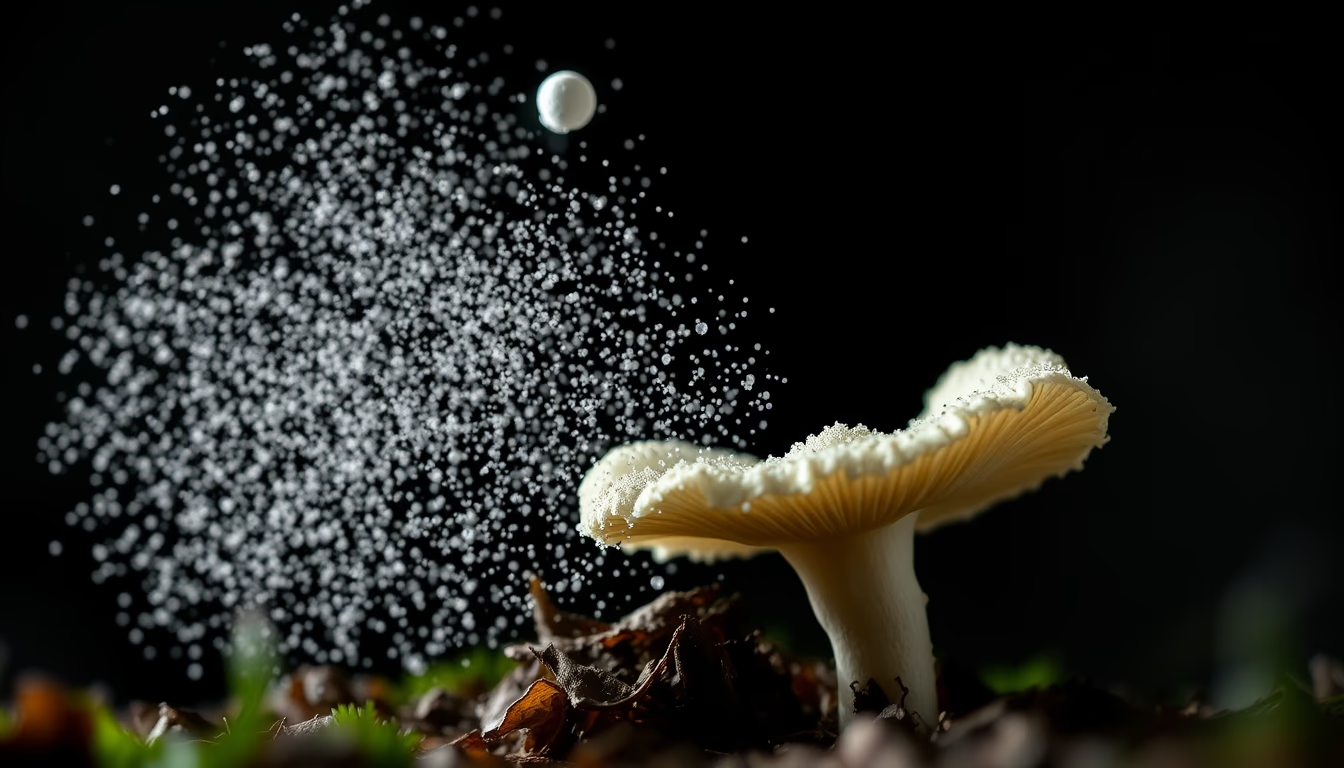
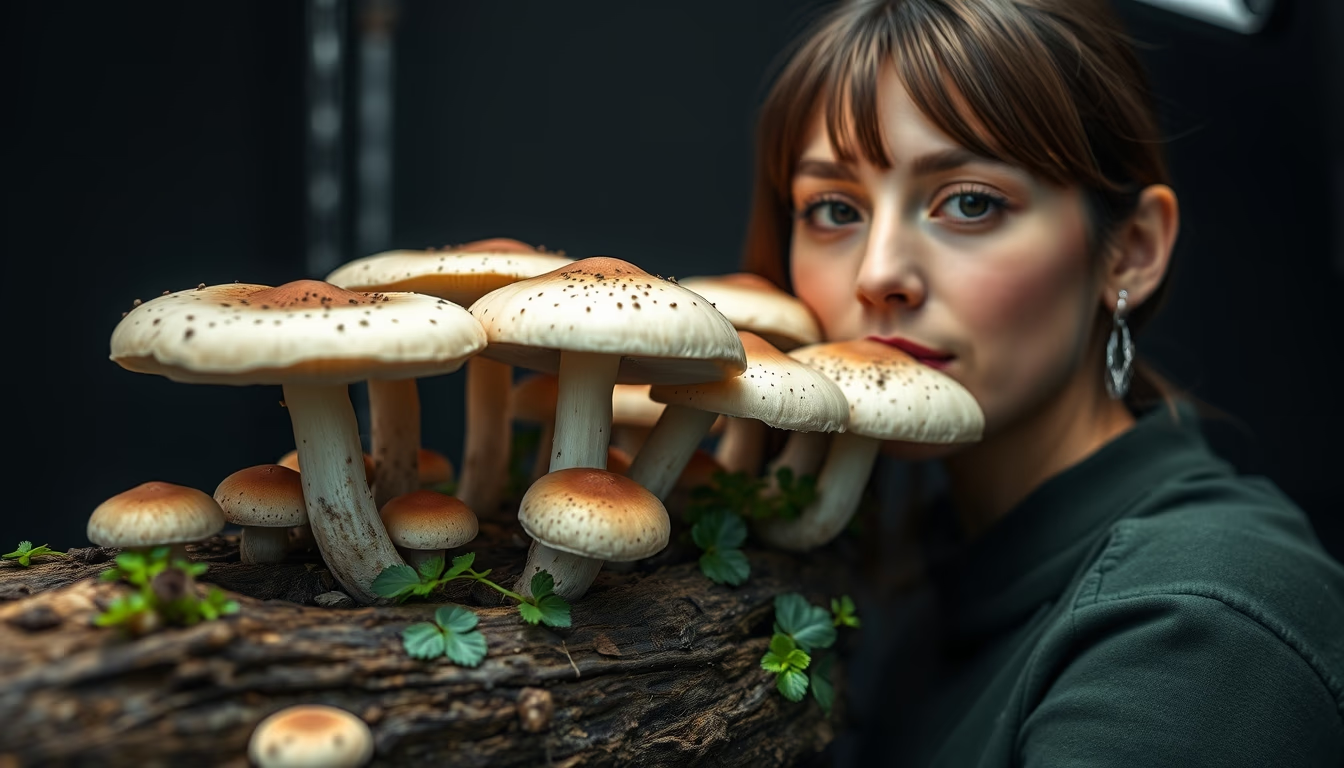
Reishi medicinal
1344×768 · AVIF · CC BY 4.0
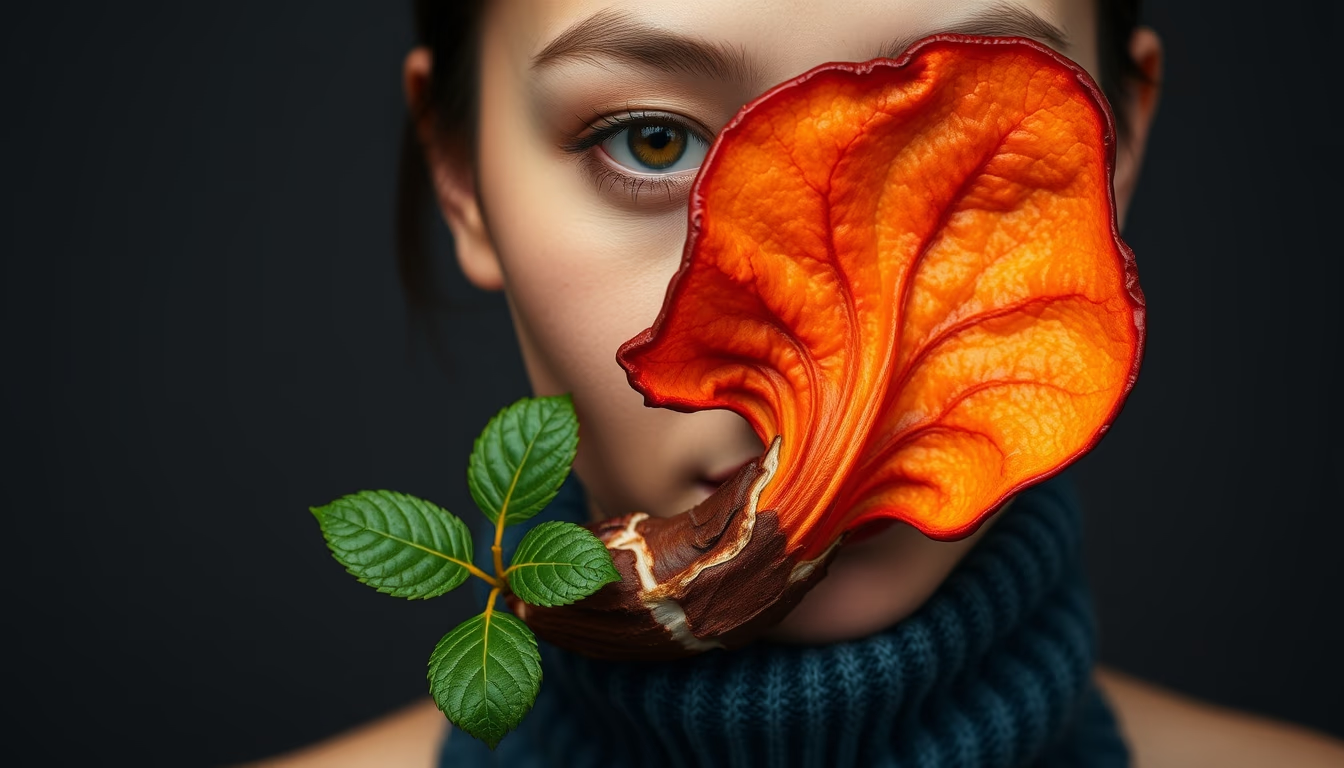
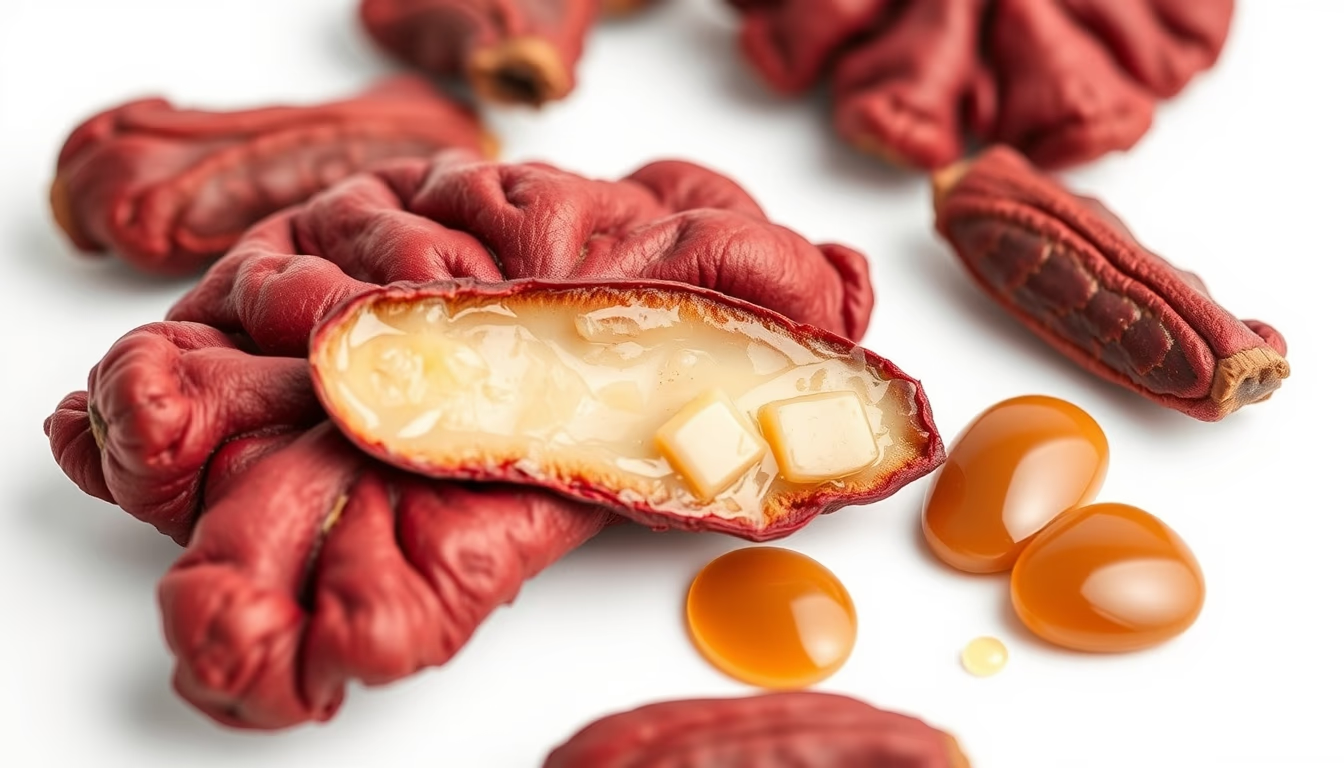
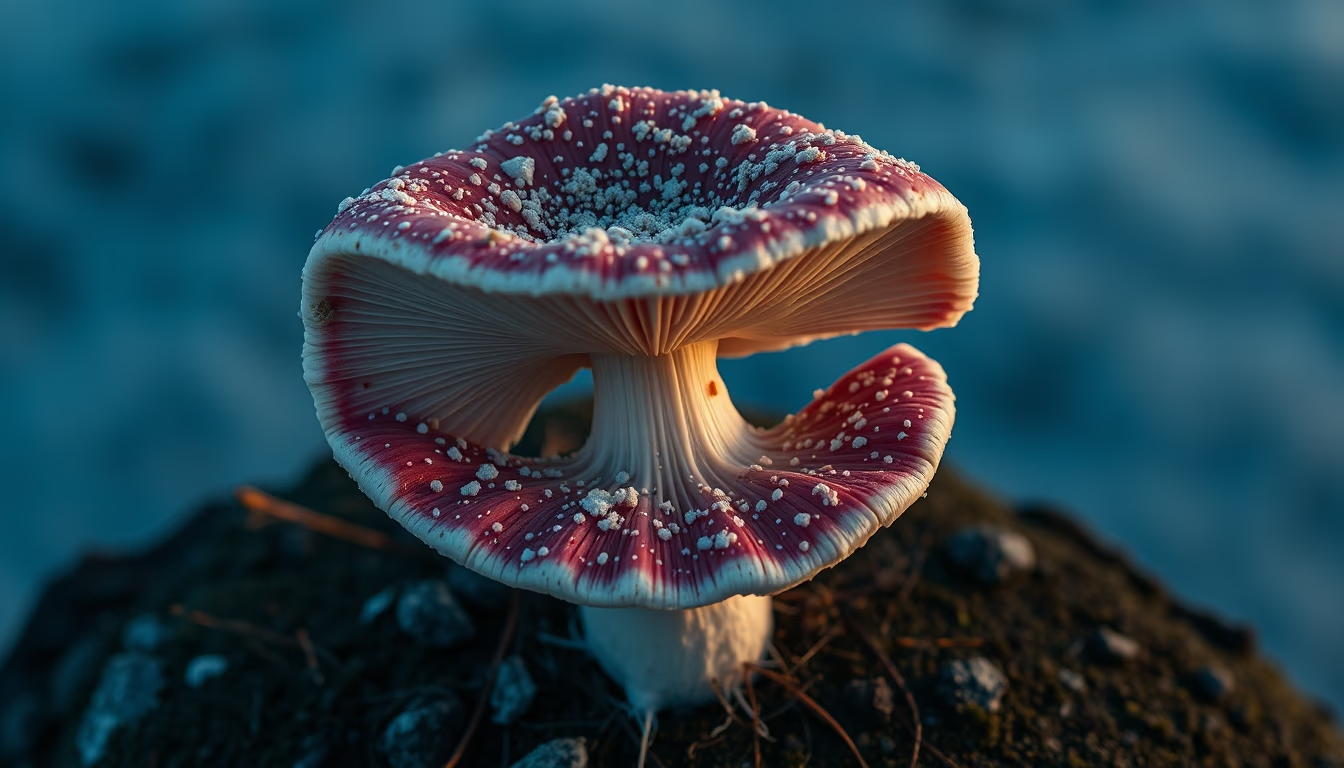
Reishi (Ganoderma lucidum) is a medicinal mushroom used for centuries in traditional Chinese medicine for health and longevity.
About this subject
Reishi, also known as Lingzhi or the mushroom of immortality, is a basidiomycete fungus in the family Ganodermataceae. Native to temperate regions of Asia, North America, and Europe, it typically grows on dead or dying hardwood trees such as oak and maple. In traditional Chinese medicine, it is considered an adaptogen that helps the body resist stress and restore balance. Its bioactive compounds, including polysaccharides (beta-glucans) and triterpenoids (ganoderic acid), are studied for immunomodulatory, anti-inflammatory, and antioxidant properties.
Reishi cultivation has expanded globally, especially in Asian countries like China, Japan, and Korea, where it is produced on a commercial scale. Two main forms exist: the wild mushroom, with a woody, shiny cap, and cultivated varieties that can be manipulated to maximize active ingredient yield. The characteristic red coloration of Ganoderma lucidum comes from pigments such as lucidin. In popular culture, Reishi is often associated with longevity, depicted in Eastern art as a symbol of health.
Modern scientific research investigates its potential in cancer treatment, immune system modulation, and fatigue reduction. In vitro and animal studies suggest that Reishi extracts may inhibit tumor growth and stimulate immune cells. However, most clinical evidence in humans remains limited, requiring more randomized trials. Despite this, consumption as tea, capsules, or extracts is popular worldwide as a dietary supplement. Dosage and product quality vary, so it is important to source from reliable suppliers to ensure efficacy and safety.
Frequently Asked Questions
What are the main health benefits of Reishi?
Reishi is known to boost immune function, reduce inflammation, combat oxidative stress, and improve sleep quality. Studies also suggest antitumor and antiviral properties, but human evidence is still preliminary.
How to consume Reishi safely?
It can be taken as capsules, liquid extracts, or tea. The common dose ranges from 1 to 3 grams per day of dried mushroom. Purchase from reputable brands and consult a doctor, especially if you have bleeding disorders or take anticoagulants.
Does Reishi have side effects?
Yes, though rare, they can include nausea, dizziness, dry mouth, or allergic reactions. High doses may affect blood clotting. It is not recommended for pregnant or breastfeeding women or those with autoimmune diseases without medical advice.
Direct URL
https://pub-c7d6a6ea828543ac903a74a341ccb2e1.r2.dev/imagens/reishi-medicinal-studio-editorial-portrait-p5.avifHow to credit
Include a visible link back to UtilizAí. Copy one of the snippets below:
<a href="https://xn--utiliza-eza.com/en/midia/imagens/reishi-medicinal-studio-editorial-portrait-p5">Reishi medicinal</a> by <a href="https://xn--utiliza-eza.com">UtilizAí</a>, licensed under <a href="https://creativecommons.org/licenses/by/4.0/">CC BY 4.0</a>.
[Reishi medicinal](https://xn--utiliza-eza.com/en/midia/imagens/reishi-medicinal-studio-editorial-portrait-p5) by [UtilizAí](https://xn--utiliza-eza.com), CC BY 4.0
License: CC-BY-4.0