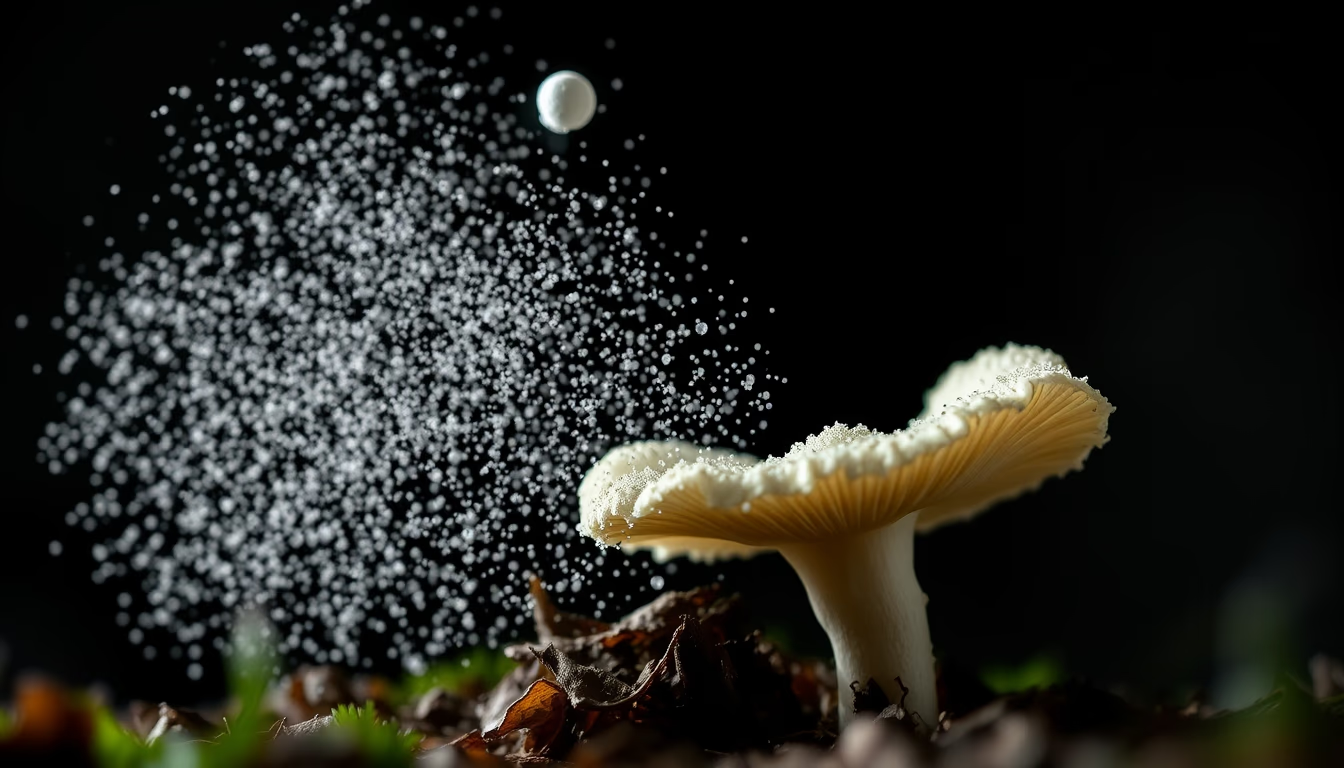
Reishi medicinal
1344×768 · AVIF · CC BY 4.0
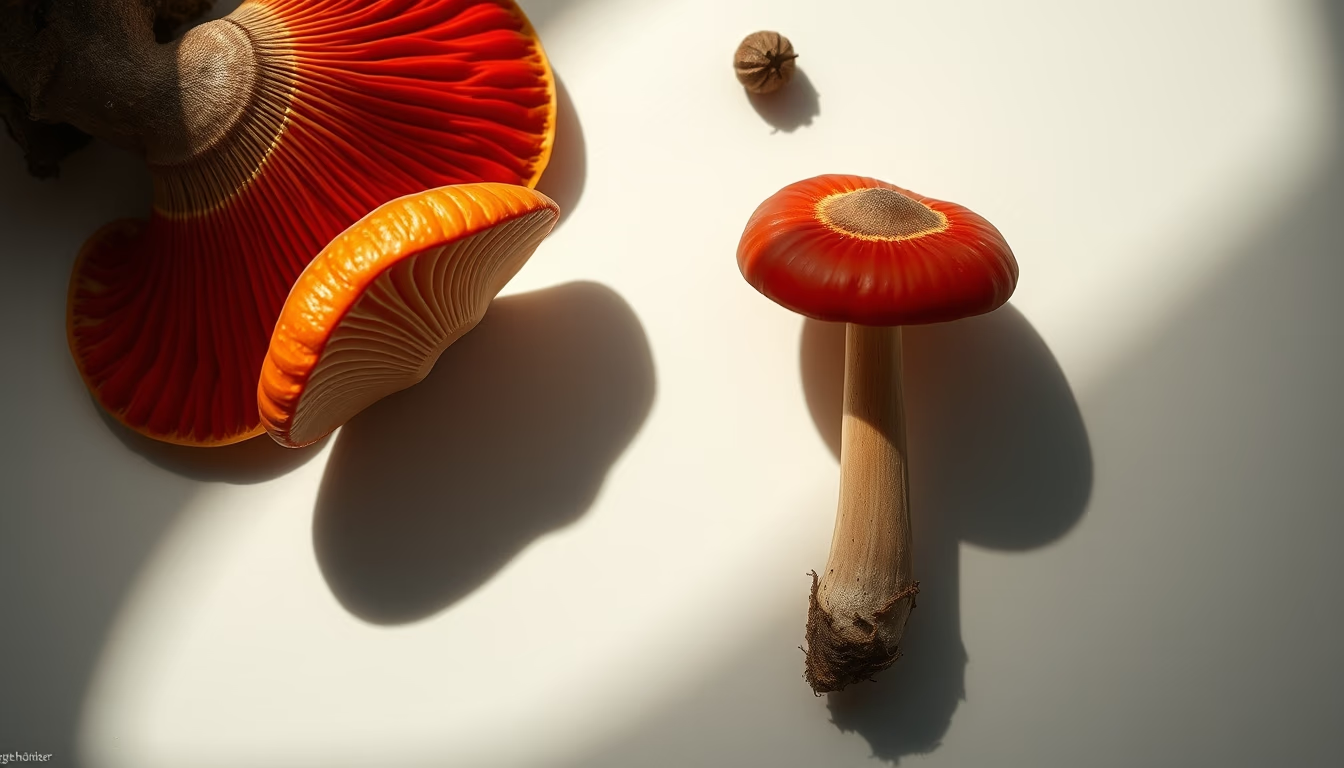
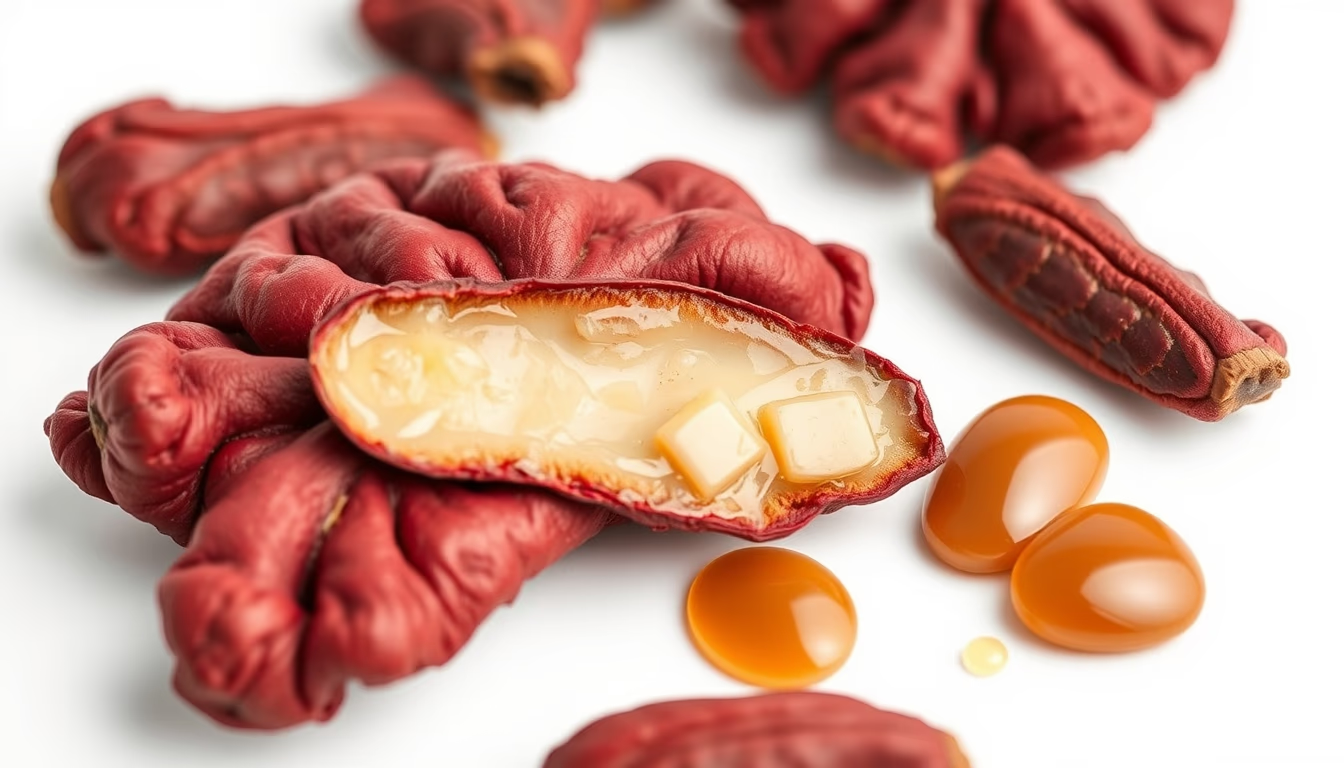
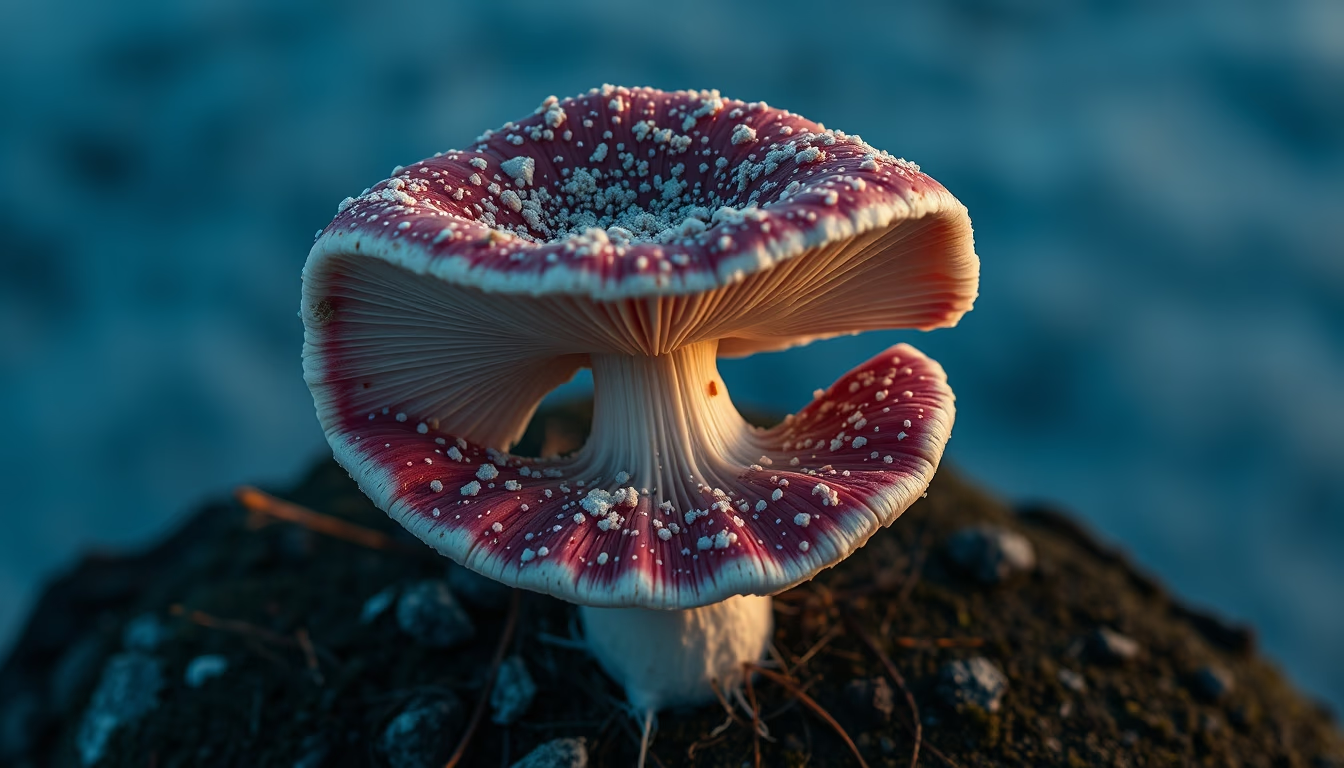
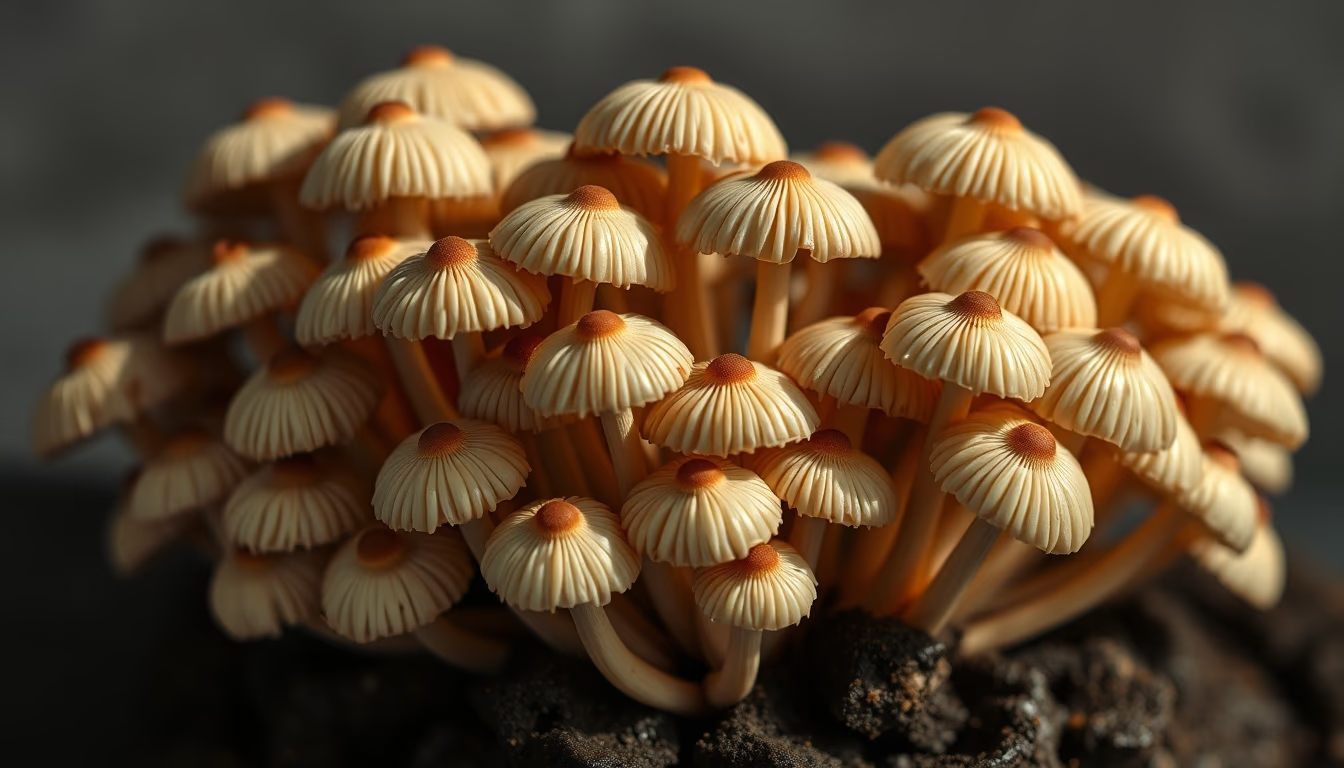
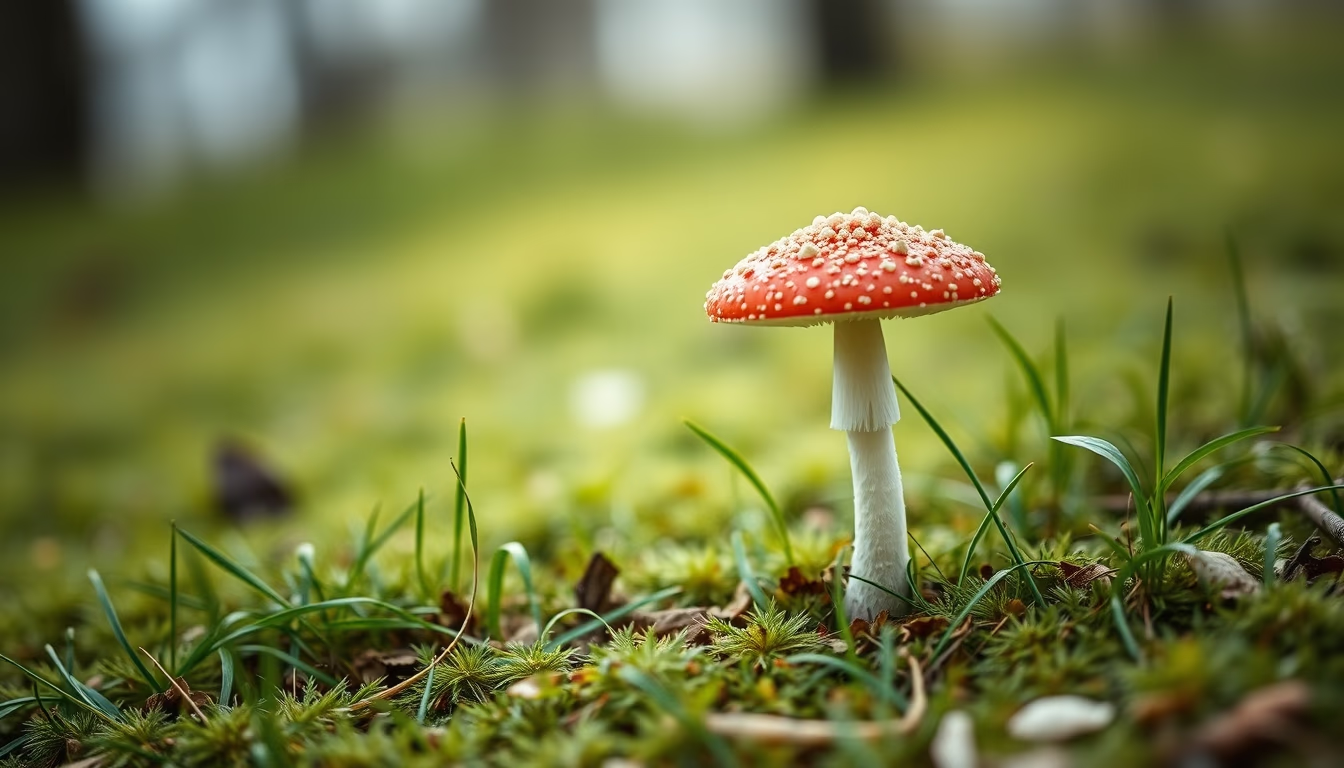
Reishi, also known as Ganoderma lucidum, is a medicinal mushroom revered in traditional Asian medicine for its potential health benefits.
About this subject
Reishi, scientifically named Ganoderma lucidum, is a basidiomycete mushroom that grows on deciduous tree trunks in temperate and tropical regions, especially in Asia, North America, and Europe. Known as lingzhi in China and mannentake in Japan, it is classified as an adaptogen and has been used for over two thousand years in traditional Chinese medicine to promote longevity and vitality.
Chemically, Reishi contains bioactive compounds such as polysaccharides (beta-glucans) and triterpenoids (ganoderic acid). Modern studies suggest immunomodulatory, anti-inflammatory, and antioxidant properties. Preliminary research indicates potential in supporting the immune system, reducing stress, and improving sleep quality. However, most evidence comes from in vitro and animal studies, and more clinical trials in humans are needed.
The mushroom can be consumed as powder, capsules, liquid extracts, or tea. Its bitter taste has led to formulations blended with other ingredients. Controlled cultivation is common, using sawdust or oak wood. Dosage and purity vary among products, so it is important to choose reliable sources. Side effects are rare but may include gastrointestinal discomfort at high doses.
Culturally, Reishi symbolizes health and success in Asian art and literature. It frequently appears in paintings and sculptures as an emblem of good fortune. Its global popularity has grown with interest in integrative medicine and natural supplements, solidifying its status as one of the most studied medicinal mushrooms worldwide.
Frequently Asked Questions
What are the main health benefits of Reishi?
Reishi is known for boosting the immune system, reducing stress, and improving sleep. It also has anti-inflammatory and antioxidant properties, and is being studied for support in chronic diseases.
How should Reishi be consumed?
Reishi can be taken in capsules, powder dissolved in drinks, liquid extracts, or tea. Typical dosage ranges from 1 to 3 grams per day, but it is important to follow the manufacturer's instructions.
Does Reishi have side effects?
Generally, it is well tolerated, but high doses may cause nausea or stomach discomfort. People with bleeding disorders or those taking anticoagulants should consult a doctor before use.
Direct URL
https://pub-c7d6a6ea828543ac903a74a341ccb2e1.r2.dev/imagens/reishi-medicinal-magazine-editorial-p10.avifHow to credit
Include a visible link back to UtilizAí. Copy one of the snippets below:
<a href="https://xn--utiliza-eza.com/en/midia/imagens/reishi-medicinal-magazine-editorial-p10">Reishi medicinal</a> by <a href="https://xn--utiliza-eza.com">UtilizAí</a>, licensed under <a href="https://creativecommons.org/licenses/by/4.0/">CC BY 4.0</a>.
[Reishi medicinal](https://xn--utiliza-eza.com/en/midia/imagens/reishi-medicinal-magazine-editorial-p10) by [UtilizAí](https://xn--utiliza-eza.com), CC BY 4.0
License: CC-BY-4.0