Reishi medicinal
1344×768 · AVIF · CC BY 4.0
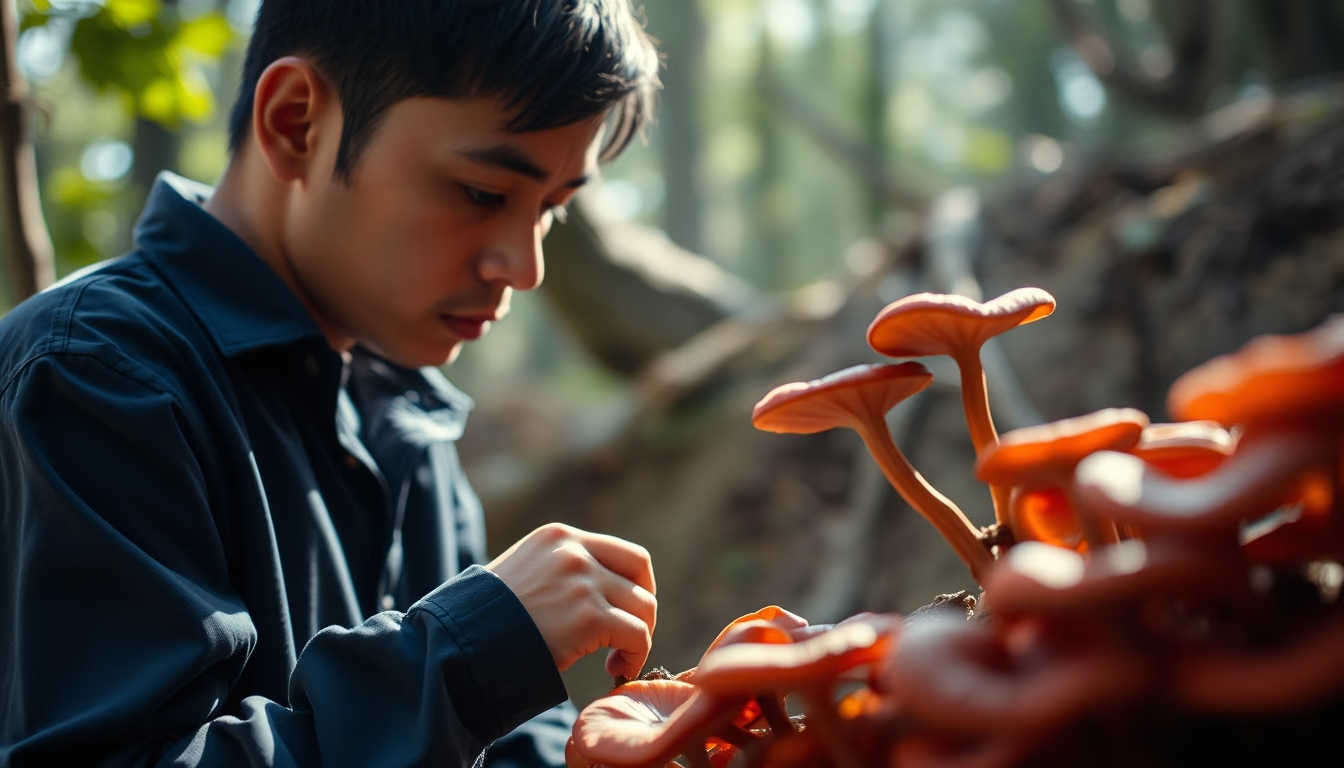
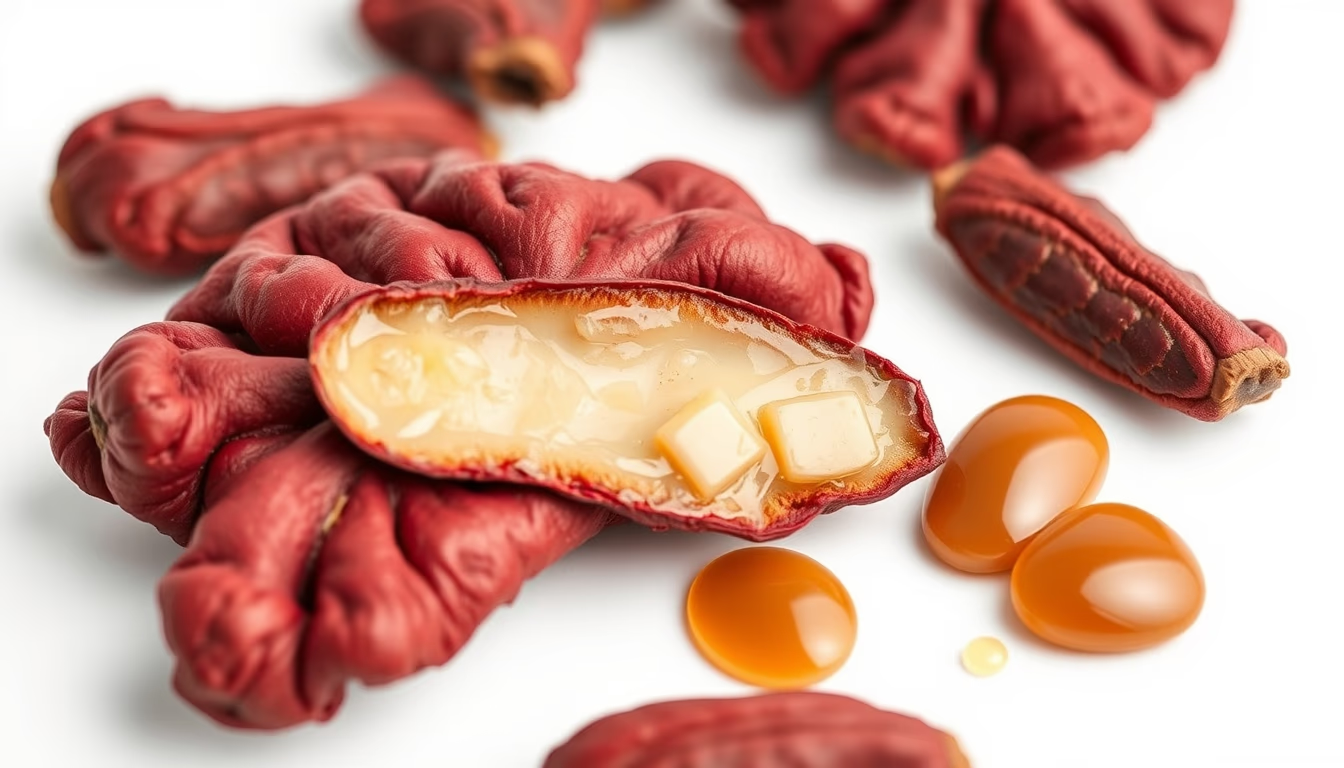
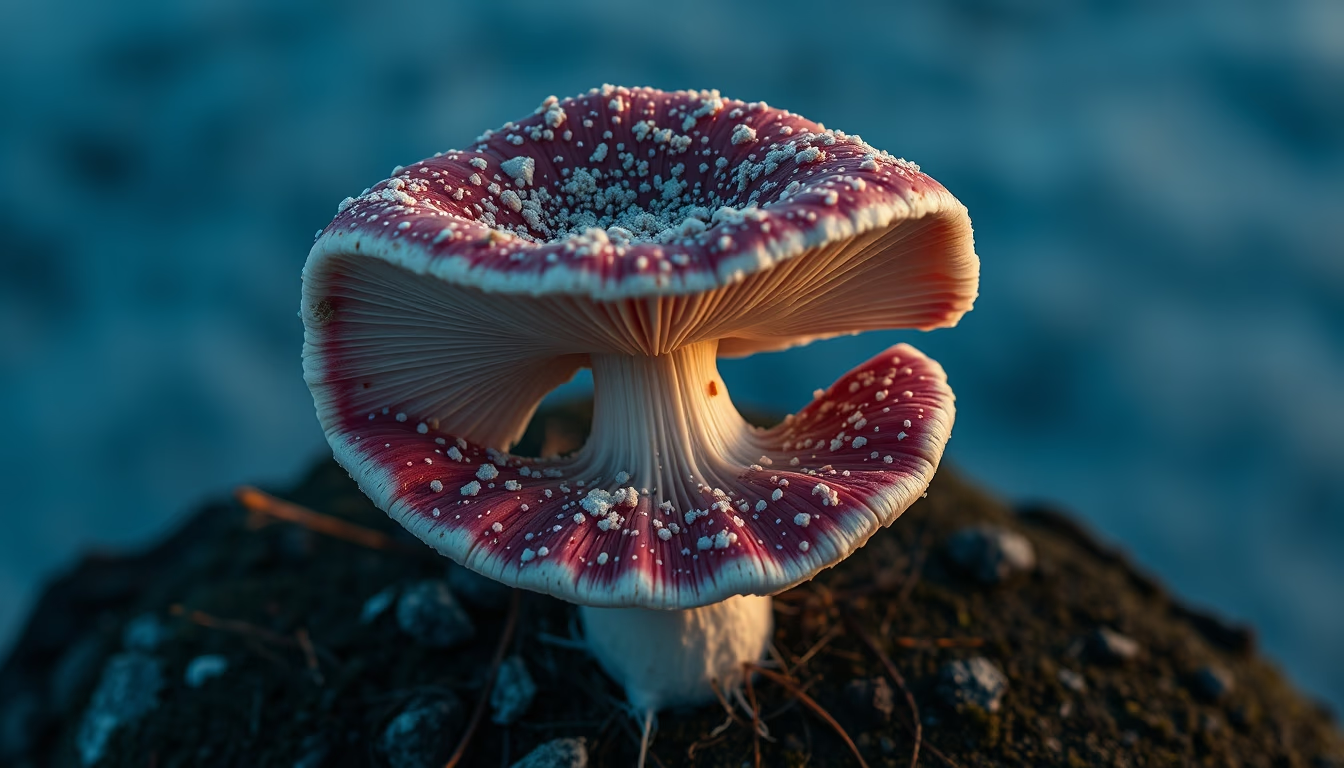
The Reishi mushroom (Ganoderma lucidum) is a medicinal fungus used for millennia in Asia, recognized for its immune-boosting and longevity benefits.
About this subject
Reishi, also known as lingzhi in China and mannentake in Japan, is a basidiomycete fungus belonging to the Ganodermataceae family. Its use in traditional Chinese medicine dates back over 2,000 years, ranking among the most prized medicinal mushrooms. Unlike culinary mushrooms, Reishi has a woody texture and bitter taste, making it unsuitable for direct consumption; it is typically consumed as tea, extract, or supplement.
Scientifically, Reishi contains bioactive compounds such as polysaccharides (beta-glucans) and triterpenoids (ganoderic acids). Studies indicate these compounds modulate the immune system, have anti-inflammatory and antioxidant properties, and may aid in stress reduction and sleep improvement. Research also explores its potential anticancer and hepatoprotective effects, though more human clinical trials are needed.
In the wild, Reishi grows on deciduous tree trunks, especially oaks, in temperate and subtropical regions. Its reddish-orange color with a shiny, lacquered appearance is distinctive. Today, Reishi is commercially cultivated worldwide, with major farms in China, Korea, Japan, and increasingly in Western countries like the United States and Brazil. The demand for medicinal mushrooms has risen sharply in the past decade, driven by interest in natural therapies.
A historical curiosity: Reishi was so revered in imperial China that it appears in ancient artworks and paintings, symbolizing health, prosperity, and immortality. In traditional medicine, it was used to treat fatigue, insomnia, and respiratory ailments. Modern science continues to investigate its mechanisms, partially validating the millennia-old empirical knowledge.
Frequently Asked Questions
What are the main health benefits of Reishi mushroom?
Reishi is known to boost the immune system, reduce inflammation, combat stress, and improve sleep quality. Preliminary studies also suggest anticancer properties and liver protection.
How is Reishi typically consumed?
Due to its woody texture and bitter taste, Reishi is not eaten like common mushrooms. It is usually taken as tea, liquid extract, capsules, or powder added to beverages.
Can Reishi be grown at home?
Yes, Reishi can be grown at home using cultivation kits or by inoculating logs. It requires a humid, shaded environment with temperatures between 20°C and 30°C, and takes 3 to 6 months to produce mushrooms.
Direct URL
https://pub-c7d6a6ea828543ac903a74a341ccb2e1.r2.dev/imagens/reishi-medicinal-documentary-photography-p3.avifHow to credit
Include a visible link back to UtilizAí. Copy one of the snippets below:
<a href="https://xn--utiliza-eza.com/en/midia/imagens/reishi-medicinal-documentary-photography-p3">Reishi medicinal</a> by <a href="https://xn--utiliza-eza.com">UtilizAí</a>, licensed under <a href="https://creativecommons.org/licenses/by/4.0/">CC BY 4.0</a>.
[Reishi medicinal](https://xn--utiliza-eza.com/en/midia/imagens/reishi-medicinal-documentary-photography-p3) by [UtilizAí](https://xn--utiliza-eza.com), CC BY 4.0
License: CC-BY-4.0