Rare plant nursery
1344×768 · AVIF · CC BY 4.0
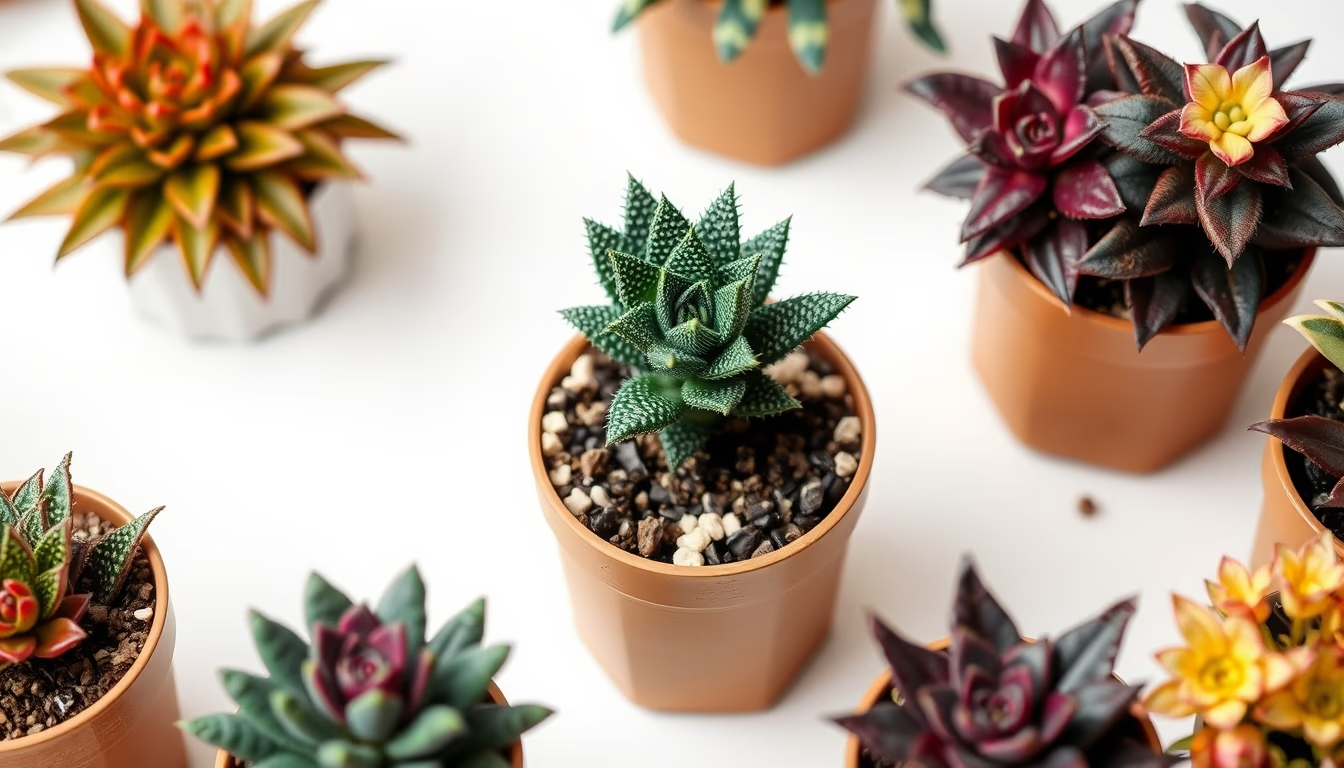
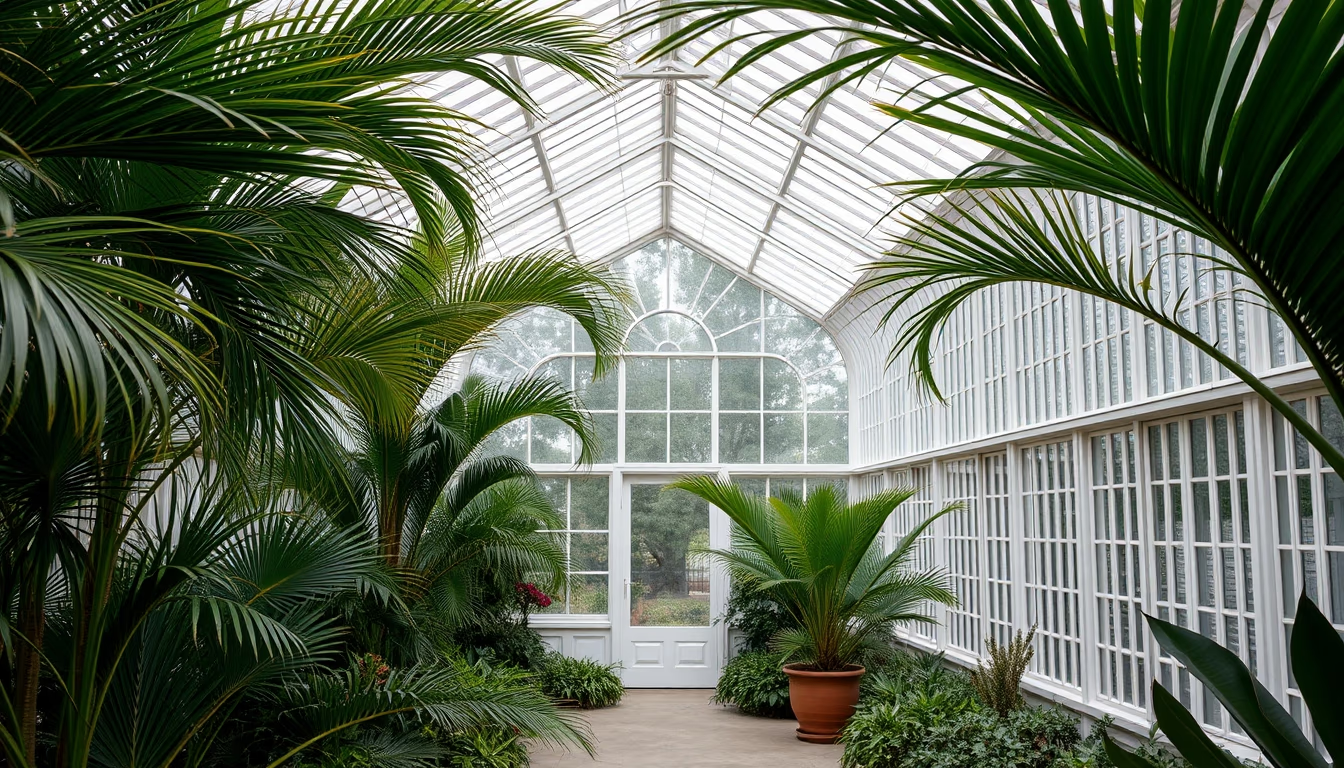
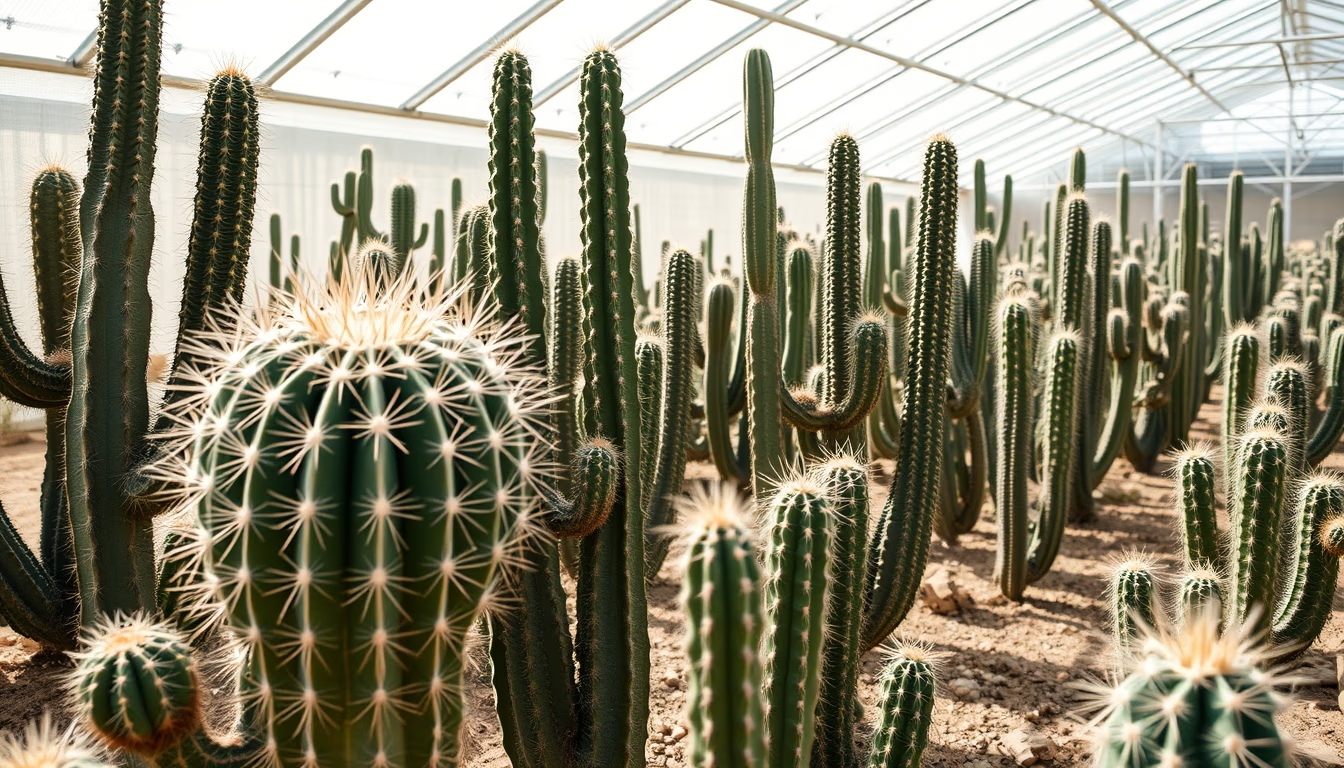
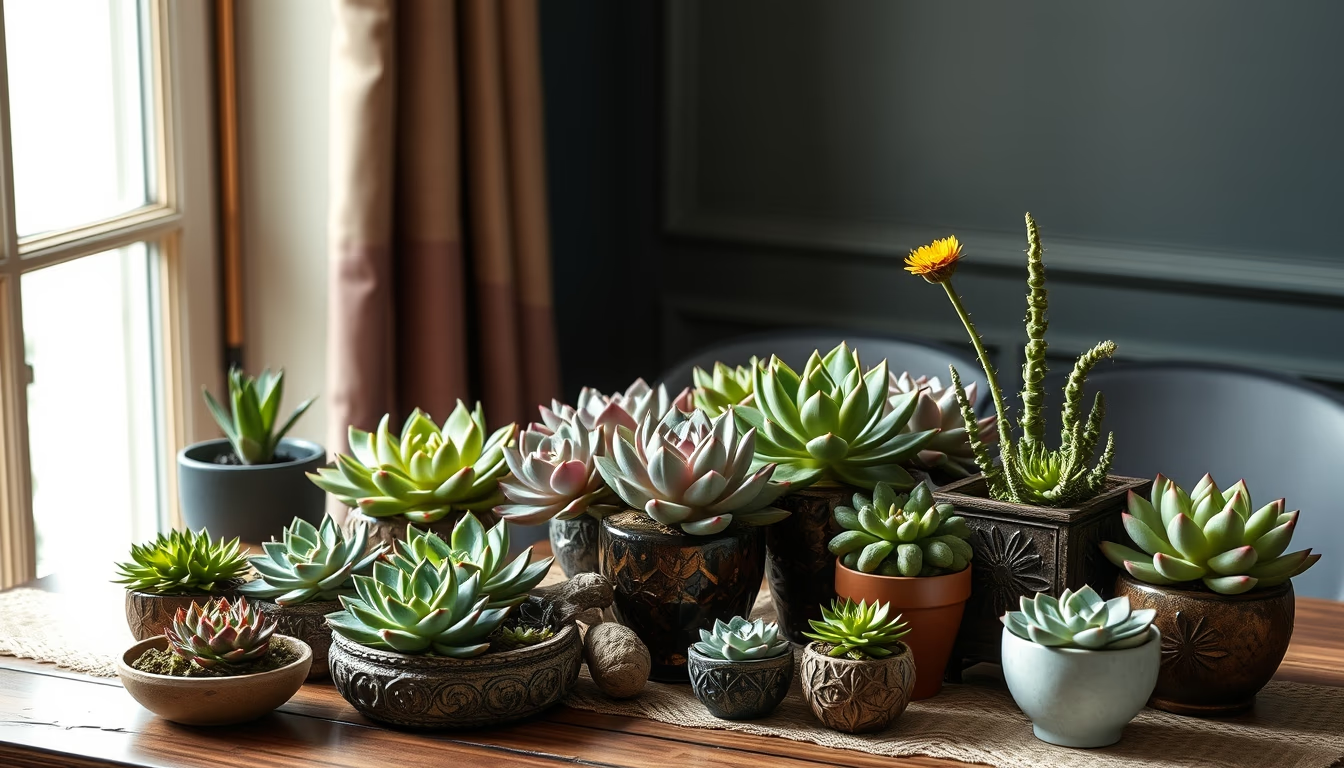
Rare plant nurseries are biodiversity sanctuaries, cultivating endangered species for conservation and specialized gardening.
About this subject
Rare plant nurseries are establishments dedicated to the propagation of unusual, threatened, or exceptionally ornamental botanical species. They differ from common nurseries by focusing on plants that are difficult to cultivate, have restricted distributions, or hold high ecological importance. Examples include rare orchids, endemic succulents from arid regions, and threatened native trees such as Brazilwood. These nurseries act as living germplasm banks, preserving genetic diversity that may be lost in nature.
The conservation importance of these nurseries is immense. Many collaborate directly with species reintroduction programs and seed banks. In Brazil, institutions like the São Paulo Botanical Garden maintain nurseries for Atlantic Forest species, while globally the Royal Botanic Gardens, Kew, cultivates thousands of rare plants for research and preservation. The Convention on Biological Diversity (CBD) recognizes the role of these nurseries in ex situ conservation.
From a commercial and technical standpoint, producing rare plants requires specialized knowledge. Techniques such as in vitro germination, controlled-environment cuttings, and grafting are common to overcome propagation barriers. Collectors and landscape designers seek these plants for unique compositions and ecological restoration projects. Rarity can increase market value, but sales must comply with environmental laws and the CITES Convention, which regulates trade in threatened species. Ethical nurseries provide legal origin documentation.
Interestingly, the term "rare plant" can refer to both scarcity in nature and difficulty in cultivation. Some species are rarer in nurseries than in the wild due to specific soil or pollinator requirements. Specialized nurseries also promote environmental education, allowing the public to see species they would never encounter in situ. They are key components in the global strategy to halt biodiversity loss.
Frequently Asked Questions
What plants are considered rare in nurseries?
Typically, these are endangered species, endemic to specific regions, or difficult to propagate. Examples include orchids like Cattleya walkeriana, succulents like Conophytum, and trees like Brazilwood (Paubrasilia echinata). Rarity can be natural or due to cultivation challenges.
How can I identify a reliable rare plant nursery?
Check that the nursery provides legal origin documentation, such as invoices and CITES certificates when required. Reliable nurseries participate in conservation programs, display species information, and avoid illegal wild collection.
Is it legal to buy rare plants from nurseries?
Yes, if the nursery is registered with environmental authorities and complies with laws, including CITES for threatened species. In the US, the USDA regulates plant trade; always buy from licensed sellers. Avoid unregulated sources.
Direct URL
https://pub-c7d6a6ea828543ac903a74a341ccb2e1.r2.dev/imagens/rare-plant-nursery-commercial-product-photography-fresh18.avifHow to credit
Include a visible link back to UtilizAí. Copy one of the snippets below:
<a href="https://xn--utiliza-eza.com/en/midia/imagens/rare-plant-nursery-commercial-product-photography-fresh18">Rare plant nursery</a> by <a href="https://xn--utiliza-eza.com">UtilizAí</a>, licensed under <a href="https://creativecommons.org/licenses/by/4.0/">CC BY 4.0</a>.
[Rare plant nursery](https://xn--utiliza-eza.com/en/midia/imagens/rare-plant-nursery-commercial-product-photography-fresh18) by [UtilizAí](https://xn--utiliza-eza.com), CC BY 4.0
License: CC-BY-4.0