Hanging plants vertical garden
1344×768 · AVIF · CC BY 4.0
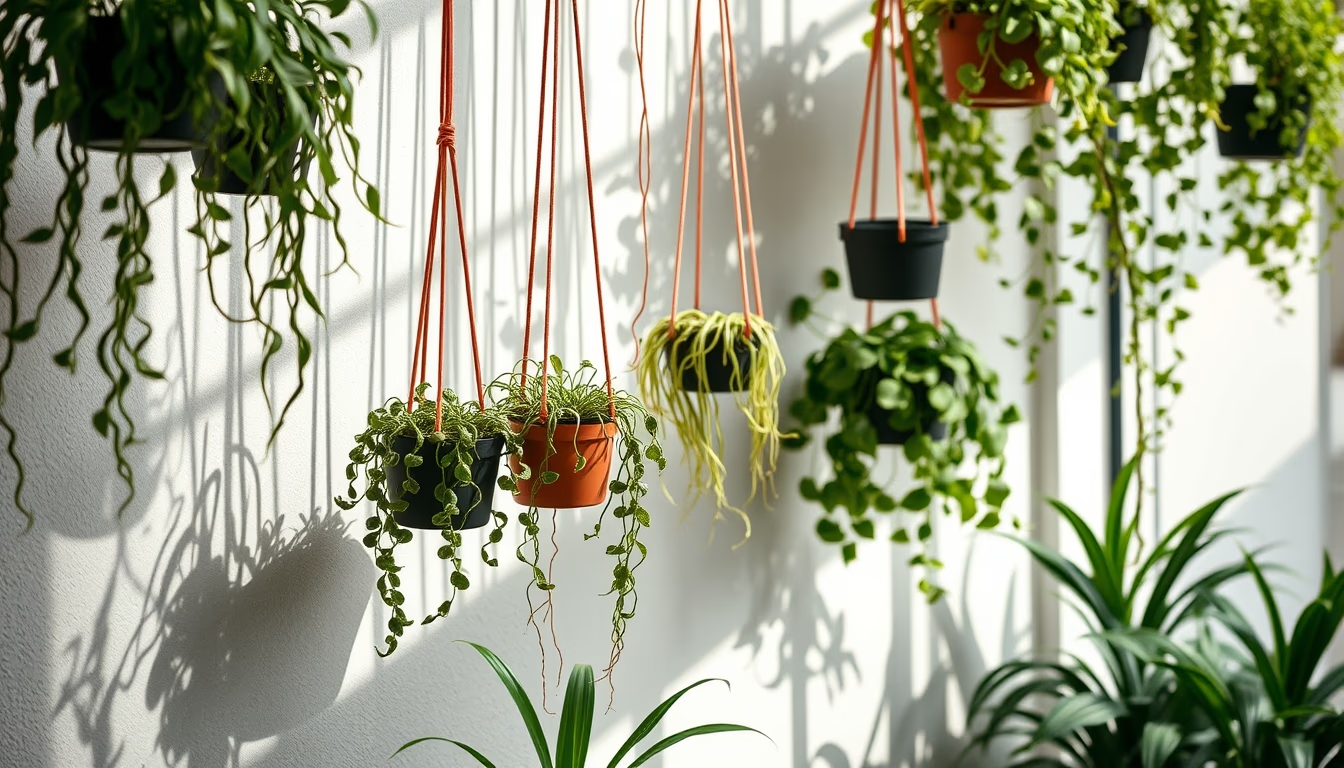
Vertical gardens with hanging plants transform spaces, combining aesthetics and functionality in compact urban areas.
About this subject
Vertical gardens with hanging plants are a creative solution for incorporating greenery into spaces with limited horizontal area. This technique, also known as green walls or suspended gardens, involves cultivating species on vertical structures such as panels, trellises, or pots fixed to walls. It has gained prominence in urban centers where concrete dominates and contact with nature is scarce. Beyond visual appeal, these gardens improve air quality by absorbing pollutants and releasing oxygen, and they help reduce ambient temperature, mitigating heat island effects.
Choosing the right plants is crucial. Hanging species like pothos, philodendron, ferns, and peperomia are ideal for their cascading growth and adaptability to varying light conditions. Perennial herbs with low maintenance requirements, such as Tradescantia and spider plant (Chlorophytum comosum), are also recommended. Light and water needs must be considered, along with ventilation. On balconies and patios, sunlight exposure varies, demanding plants tolerant of adverse conditions.
Maintenance of a hanging vertical garden includes regular watering, pruning to control growth, and periodic fertilization. Automated drip irrigation systems are common in larger projects, ensuring even water distribution. A noteworthy fact is that the concept of vertical gardens dates back to the Hanging Gardens of Babylon, one of the Seven Wonders of the Ancient World, although the modern technique was popularized by French botanist Patrick Blanc, who patented the first green wall system in the 1980s. Today, vertical gardens are used both in residential interiors and on commercial building facades, promoting sustainability and well-being.
Frequently Asked Questions
Which plants are best for hanging vertical gardens?
Species like pothos, ferns, philodendron, peperomia, Tradescantia, and spider plant are excellent due to their trailing growth and adaptability. Choose based on light conditions.
How do I maintain a vertical garden with hanging plants?
Water regularly, avoiding waterlogging. Prune to control growth and remove dead leaves. Fertilize every three months with organic or foliage-specific fertilizer.
What are the benefits of having a vertical garden at home?
It improves air quality, reduces indoor temperature, provides aesthetic well-being, optimizes small spaces, and contributes to urban sustainability.
Direct URL
https://pub-c7d6a6ea828543ac903a74a341ccb2e1.r2.dev/imagens/hanging-plants-vertical-garden-magazine-editorial-fresh18.avifHow to credit
Include a visible link back to UtilizAí. Copy one of the snippets below:
<a href="https://xn--utiliza-eza.com/en/midia/imagens/hanging-plants-vertical-garden-magazine-editorial-fresh18">Hanging plants vertical garden</a> by <a href="https://xn--utiliza-eza.com">UtilizAí</a>, licensed under <a href="https://creativecommons.org/licenses/by/4.0/">CC BY 4.0</a>.
[Hanging plants vertical garden](https://xn--utiliza-eza.com/en/midia/imagens/hanging-plants-vertical-garden-magazine-editorial-fresh18) by [UtilizAí](https://xn--utiliza-eza.com), CC BY 4.0
License: CC-BY-4.0