Railway station antique
1344×768 · AVIF · CC BY 4.0
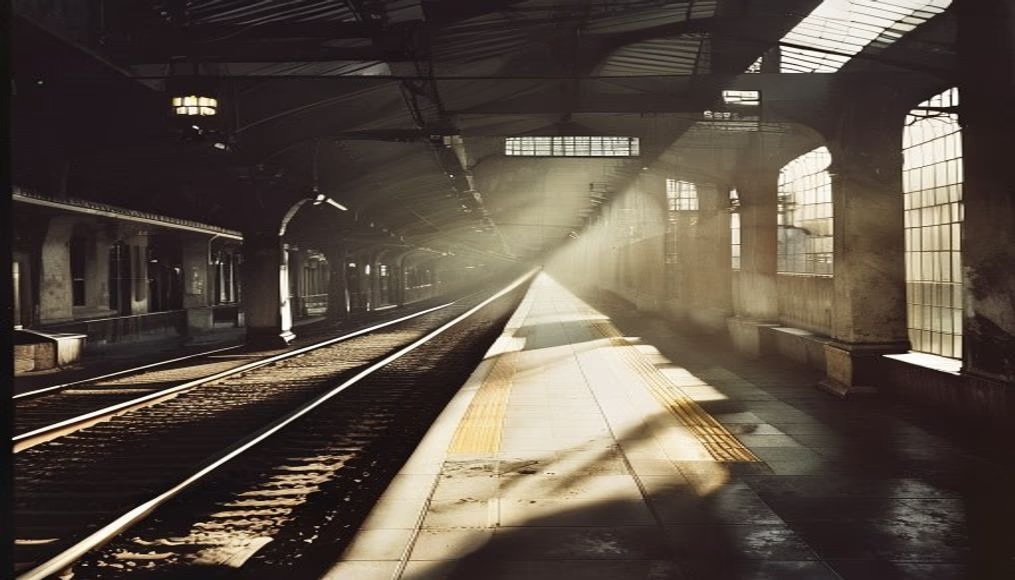
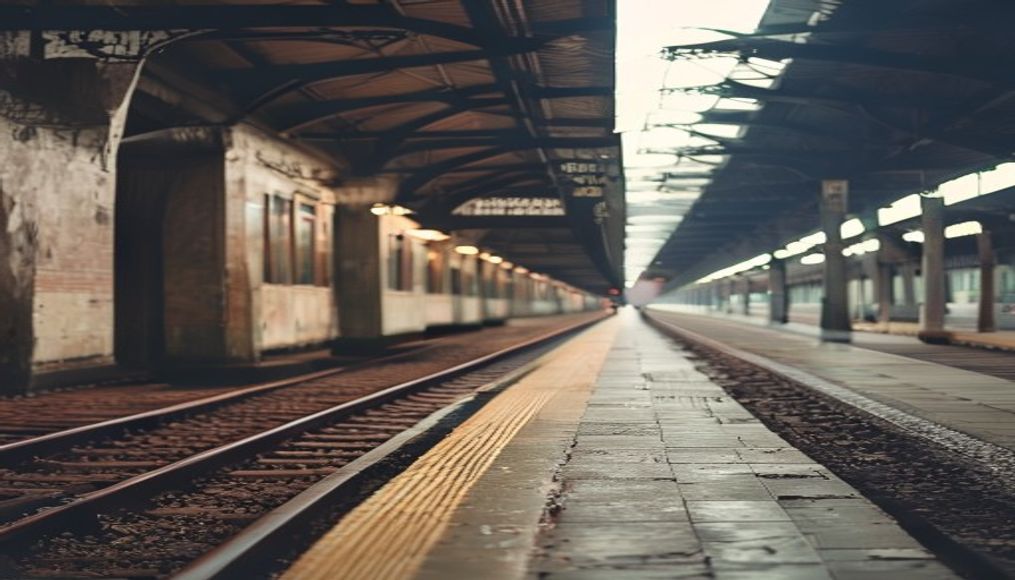
Antique railway stations are witnesses to the golden age of trains, blending historic architecture and cultural memory.
About this subject
Antique railway stations are valuable architectural and cultural heritage, especially in Brazil and Europe. Built between the 19th and early 20th centuries, many followed styles such as neoclassical, Victorian Gothic, or Art Deco, reflecting the importance of rail transport at the time. In Brazil, the Luz Station in São Paulo (opened in 1901) and the Central do Brasil Station in Rio de Janeiro (1858) are iconic examples, with imposing structures blending European influences and tropical adaptations.
These buildings were not just boarding and alighting points but true centers of social life and commerce. Many housed restaurants, lavish waiting rooms, and even hotels. The São Bento Station in Porto, Portugal (inaugurated in 1916), is famous for its azulejo panels depicting the country's history. Conservation of these sites is challenging, as many were abandoned or underused with the decline of rail transport from the mid-20th century.
Today, there is a movement to restore and repurpose these stations into museums, cultural centers, or metro stations. In São Paulo, the Júlio Prestes Station (1938) houses the Sala São Paulo, one of the world's finest concert halls. The Luz Station has also undergone renovations to integrate the Museum of the Portuguese Language. Preservation not only keeps history alive but also boosts tourism and local identity.
Interestingly, the architecture of antique stations often incorporated elements to facilitate passenger flow and natural ventilation, such as large stained-glass windows and high ceilings. Many featured tower clocks and metallic marquees that became urban landmarks. Today, these details are studied by architects and engineers as examples of functional and sustainable design long before the term became popular.
Frequently Asked Questions
Why are antique railway stations considered historical heritage?
They represent a period of great technological and economic development, combining quality architecture with social importance. Many are listed by preservation bodies for their cultural and historical significance.
What are some famous examples of preserved antique stations?
In Brazil, the Luz Station in São Paulo and Central do Brasil Station in Rio de Janeiro. In Europe, São Bento Station in Porto (Portugal) and St Pancras Station in London (UK) are notable examples.
How are antique stations being reused today?
Many have been turned into museums, cultural centers, or concert halls. For instance, Júlio Prestes Station houses Sala São Paulo, and Luz Station integrates the Museum of the Portuguese Language.
Direct URL
https://pub-c7d6a6ea828543ac903a74a341ccb2e1.r2.dev/imagens/railway-station-antique-magazine-editorial-p1.avifHow to credit
Include a visible link back to UtilizAí. Copy one of the snippets below:
<a href="https://xn--utiliza-eza.com/en/midia/imagens/railway-station-antique-magazine-editorial-p1">Railway station antique</a> by <a href="https://xn--utiliza-eza.com">UtilizAí</a>, licensed under <a href="https://creativecommons.org/licenses/by/4.0/">CC BY 4.0</a>.
[Railway station antique](https://xn--utiliza-eza.com/en/midia/imagens/railway-station-antique-magazine-editorial-p1) by [UtilizAí](https://xn--utiliza-eza.com), CC BY 4.0
License: CC-BY-4.0