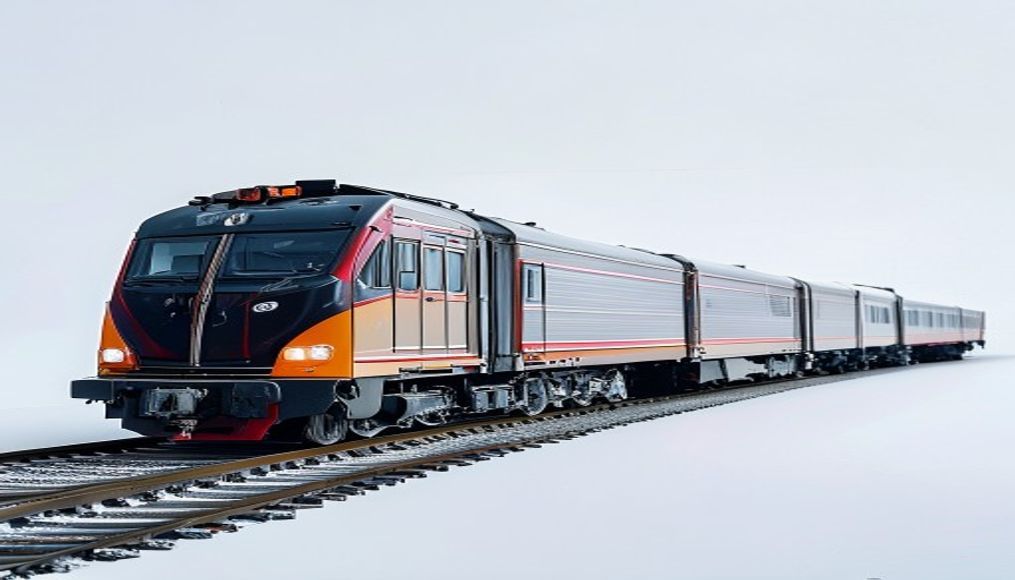
Railroad ties ballast
1344×768 · AVIF · CC BY 4.0
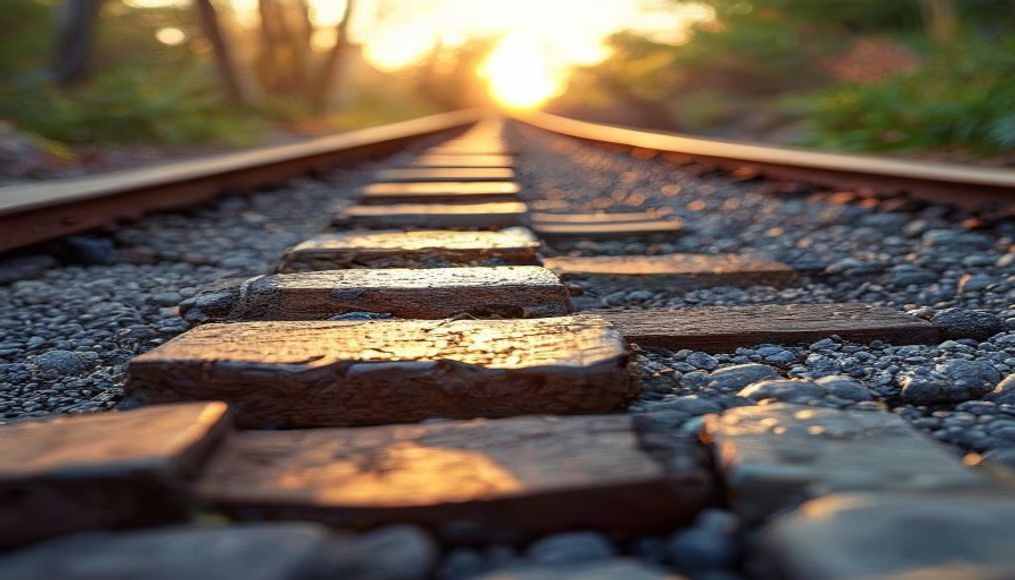
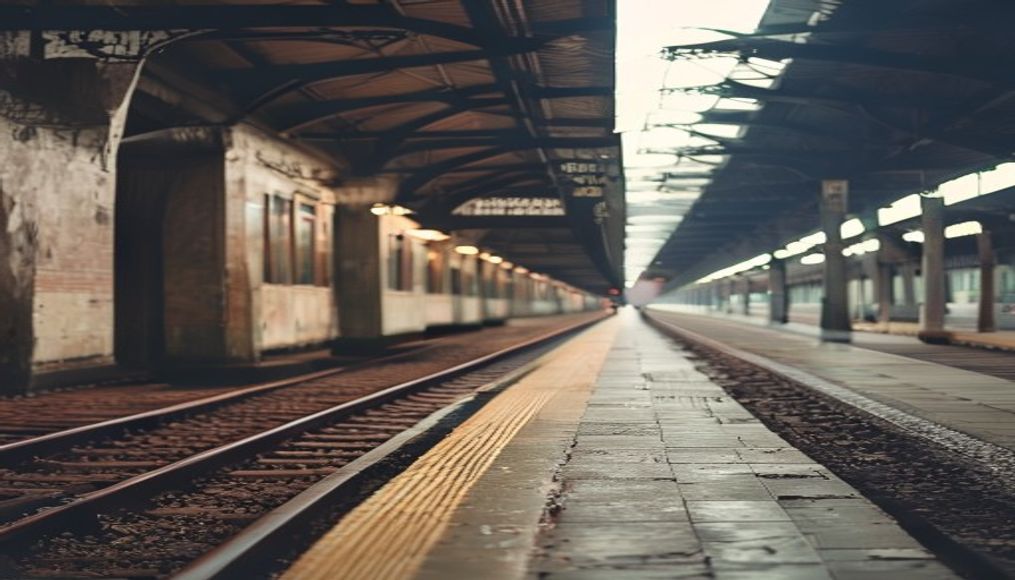
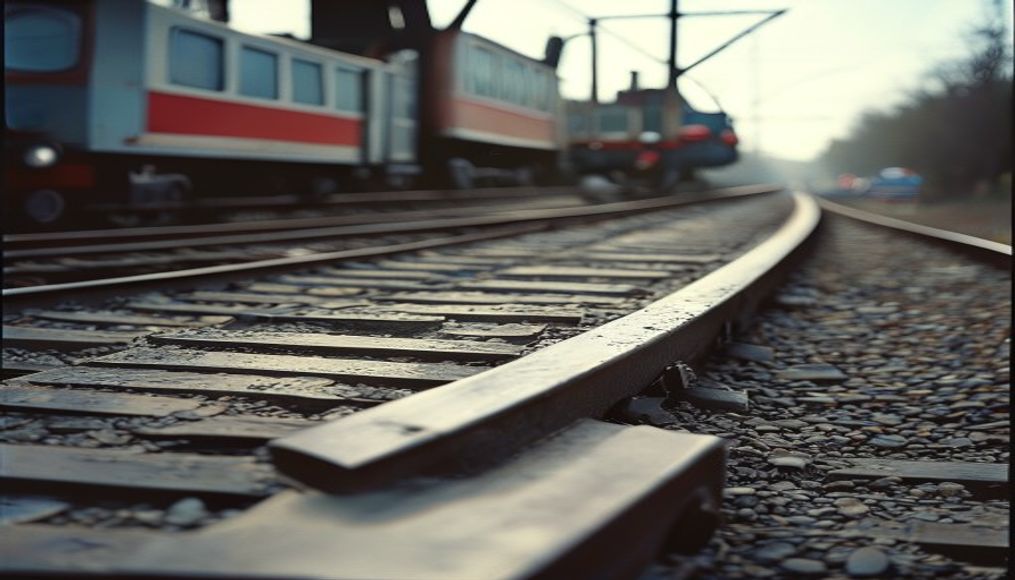
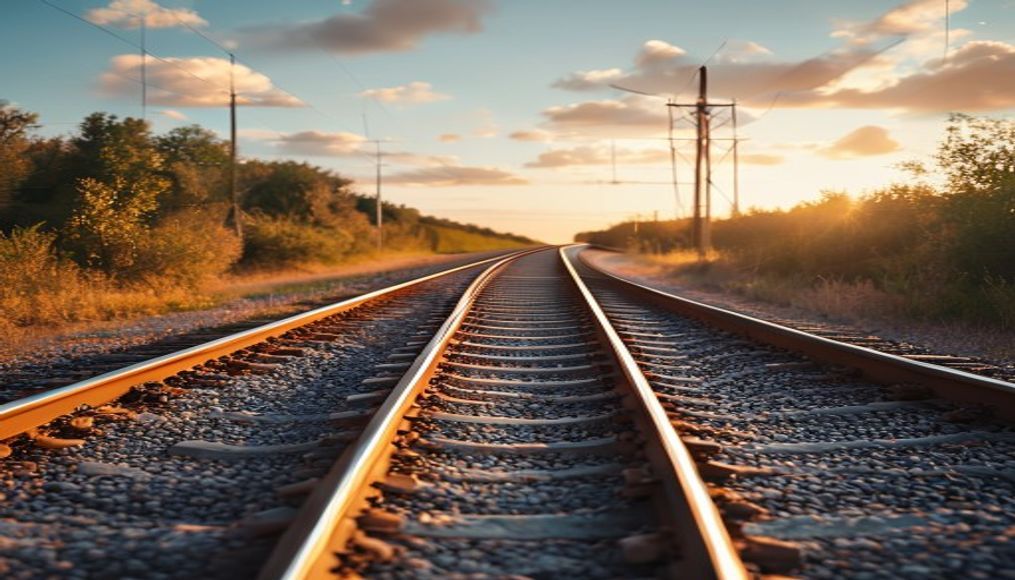
Railroad ties and ballast are essential components of railway track, ensuring stability, drainage, and load distribution from rails to the ground.
About this subject
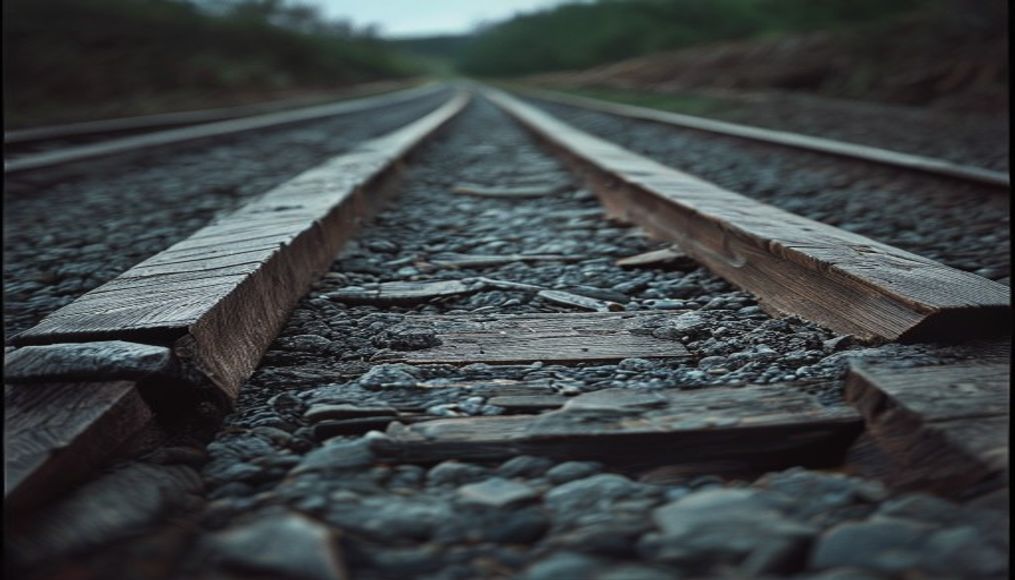
Railroad ties, also known as sleepers, are transverse beams that support the rails and maintain the gauge (distance between rails). Traditionally made of treated wood (such as oak or eucalyptus), they are now also manufactured from prestressed concrete or steel, each material offering specific advantages. Ballast is the layer of crushed stone (or gravel) placed under and around the ties. Its functions include absorbing train vibrations, distributing the weight over the track bed, allowing rainwater drainage, and preventing tie movement. The thickness and granulometry of ballast are standardized according to technical norms to ensure performance.
The history of railroad ties dates back to the early railways of the 19th century. Initially, rectangular stones were used, but wood soon became dominant due to its availability and ease of replacement. In Brazil, the railway network, over 30,000 km long, predominantly uses eucalyptus wood ties from the cerrado, treated with chromated copper arsenate (CCA) to extend lifespan to 15, 20 years. Ballast is typically basalt or granite rock, with particles 2.5 to 6.3 cm in diameter.
Maintenance of ties and ballast is ongoing. Tamping machines compact the ballast under the ties, and periodic replacement prevents track deformations (such as rail corrugation). Interestingly, one kilometer of typical railway line contains about 1,600 to 1,800 ties and approximately 1,500 tons of ballast. Without these components, high speeds and heavy loads of modern trains would be unfeasible, as the track would deform rapidly.
Frequently Asked Questions
What is the lifespan of a wooden railroad tie?
On average, 15 to 20 years, depending on wood type, preservative treatment, and climate conditions. Concrete ties can last 50 years or more.
Why is ballast made of crushed stone instead of sand?
Crushed stone provides better drainage, resistance to deformation, and ability to lock ties in place. Sand would compact too much and not allow track adjustment.
Are concrete ties better than wooden ones?
They have greater durability and are immune to rot and termites, but are more expensive and require high-quality ballast. Wood is still used for its flexibility and lower initial cost.
Direct URL
https://pub-c7d6a6ea828543ac903a74a341ccb2e1.r2.dev/imagens/railroad-ties-ballast-travel-photography-p2.avifHow to credit
Include a visible link back to UtilizAí. Copy one of the snippets below:
<a href="https://xn--utiliza-eza.com/en/midia/imagens/railroad-ties-ballast-travel-photography-p2">Railroad ties ballast</a> by <a href="https://xn--utiliza-eza.com">UtilizAí</a>, licensed under <a href="https://creativecommons.org/licenses/by/4.0/">CC BY 4.0</a>.
[Railroad ties ballast](https://xn--utiliza-eza.com/en/midia/imagens/railroad-ties-ballast-travel-photography-p2) by [UtilizAí](https://xn--utiliza-eza.com), CC BY 4.0
License: CC-BY-4.0