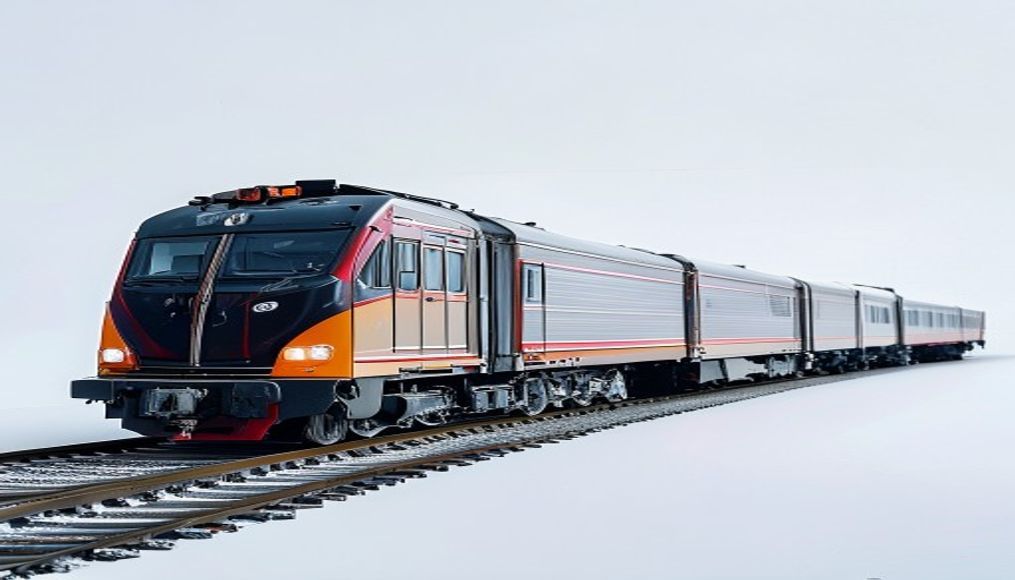
Railroad ties ballast
1344×768 · AVIF · CC BY 4.0
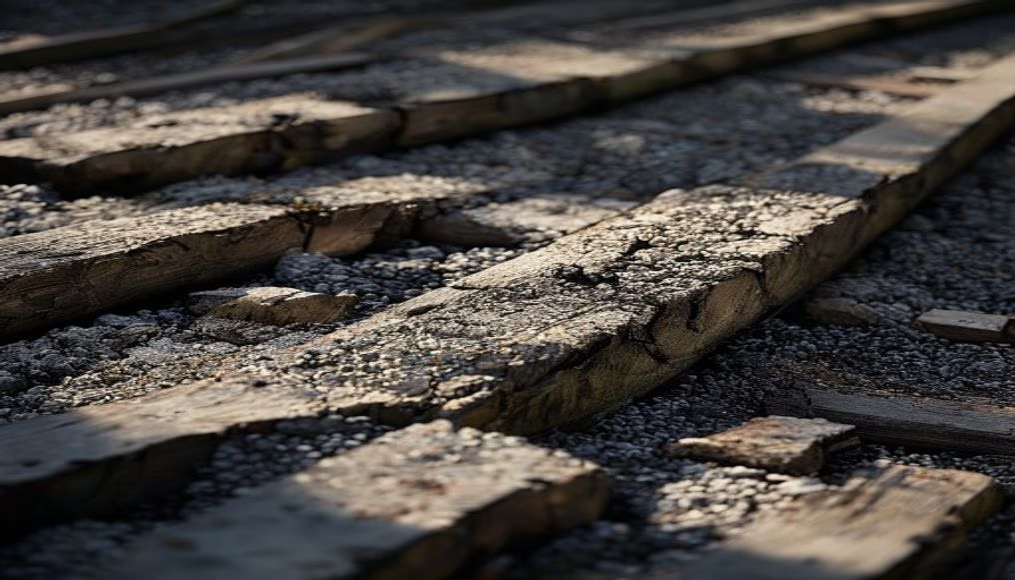
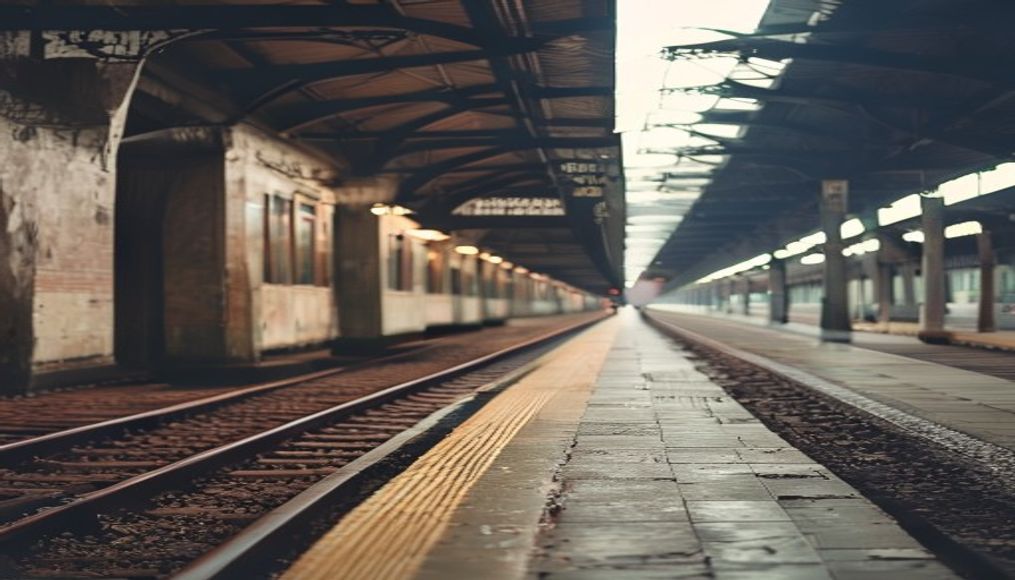
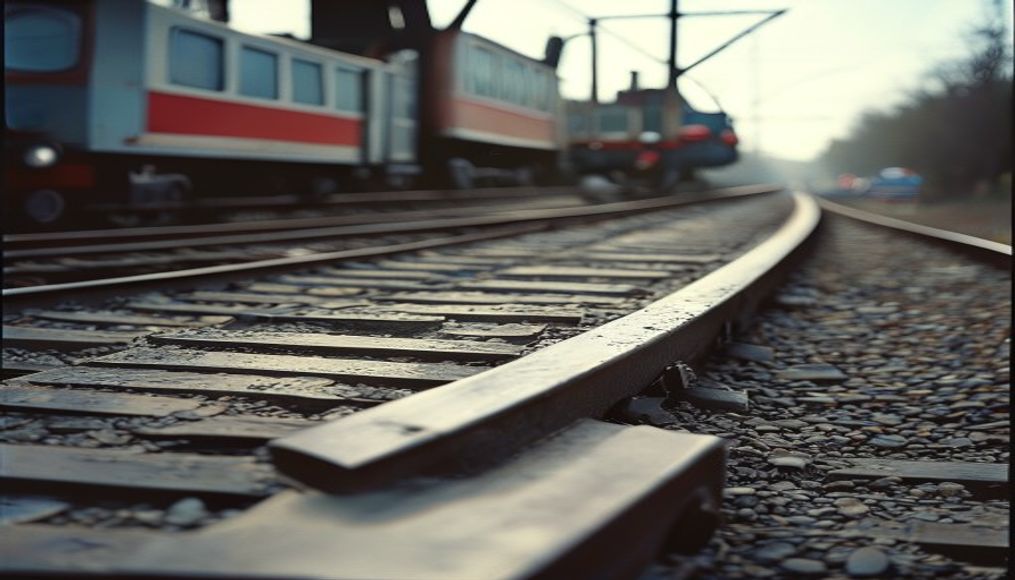
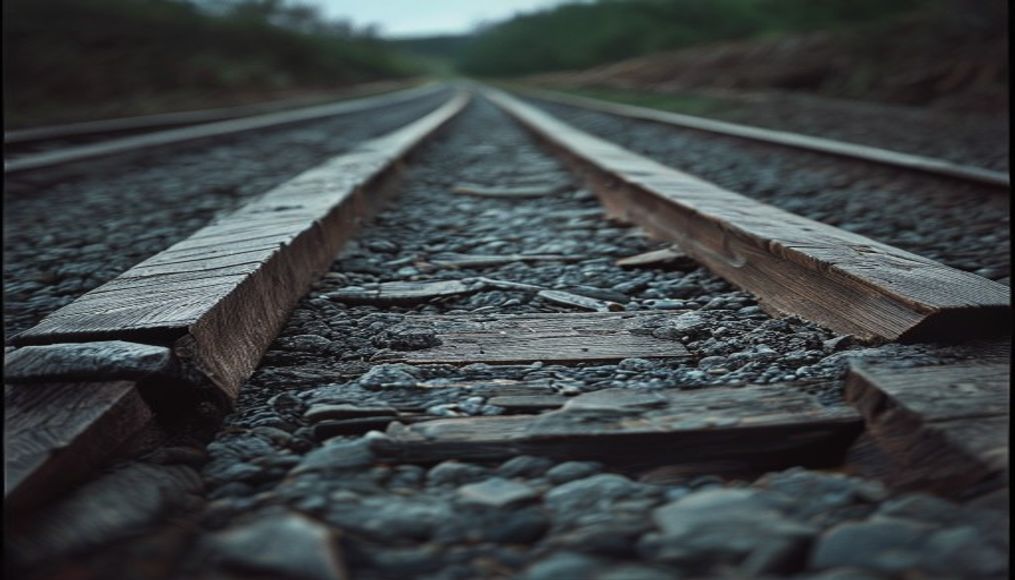
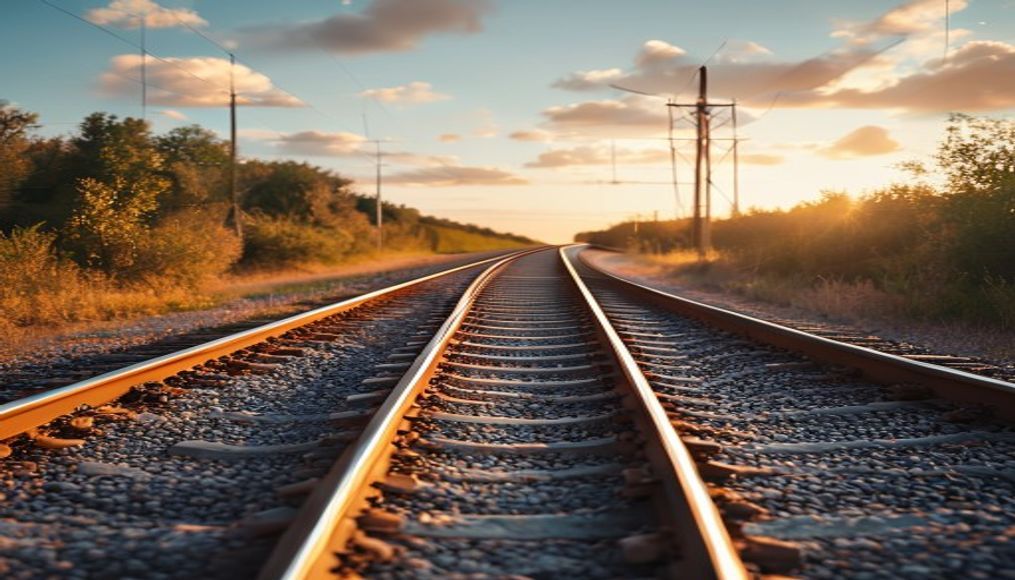
Railroad ties and ballast are essential components of track infrastructure, ensuring stability and drainage.
About this subject
Railroad ties, also known as sleepers, are transverse beams that support the rails and transfer loads to the ballast. Traditionally made of treated wood, such as eucalyptus or pine, modern ties can be made of prestressed concrete or steel. Treatment with creosote or other preservatives increases their durability, which can reach 30 years or more, depending on climate and traffic.
Ballast is the layer of crushed stone (usually granite or basalt) placed around and between the ties. Its main function is to distribute loads from the ties to the subballast and soil, absorb vibrations, facilitate rainwater drainage, and prevent vegetation growth. Typical ballast thickness ranges from 20 to 50 centimeters, and stone sizes are between 2.5 and 6 centimeters to ensure proper interlocking.
Brazil has an extensive railway network, over 30,000 kilometers long, where ties and ballast are maintained by permanent way teams. Maintenance involves periodic replacement of damaged ties and cleaning and replenishment of ballast, which loses drainage capacity due to fine particle accumulation. Techniques such as mechanical tamping are used to readjust tie positions and ensure track leveling.
Interesting fact: a single wooden tie can weigh about 80 to 100 kg, and each kilometer of railway uses approximately 1,600 to 2,000 ties, depending on gauge and spacing. Ballast can require about 1,500 to 2,000 cubic meters of stone per kilometer of track.
Frequently Asked Questions
What is the difference between wood and concrete ties?
Wooden ties are lighter and more flexible, better absorbing vibrations, but have a shorter lifespan and require chemical treatment. Concrete ties are heavier and more durable (can last 50 years), but are stiffer and require higher quality ballast.
Why is ballast made of crushed stone instead of sand or soil?
Crushed stone provides high load-bearing capacity, good drainage, and resistance to displacement. Sand or soil would compact under weight and accumulate water, causing instability and unwanted vegetation growth.
How often does ballast need to be replaced?
Complete ballast replacement occurs every 15 to 30 years, depending on traffic volume and climate conditions. Intermediate maintenance includes cleaning and replenishment to restore drainage.
Direct URL
https://pub-c7d6a6ea828543ac903a74a341ccb2e1.r2.dev/imagens/railroad-ties-ballast-magazine-editorial-p0.avifHow to credit
Include a visible link back to UtilizAí. Copy one of the snippets below:
<a href="https://xn--utiliza-eza.com/en/midia/imagens/railroad-ties-ballast-magazine-editorial-p0">Railroad ties ballast</a> by <a href="https://xn--utiliza-eza.com">UtilizAí</a>, licensed under <a href="https://creativecommons.org/licenses/by/4.0/">CC BY 4.0</a>.
[Railroad ties ballast](https://xn--utiliza-eza.com/en/midia/imagens/railroad-ties-ballast-magazine-editorial-p0) by [UtilizAí](https://xn--utiliza-eza.com), CC BY 4.0
License: CC-BY-4.0