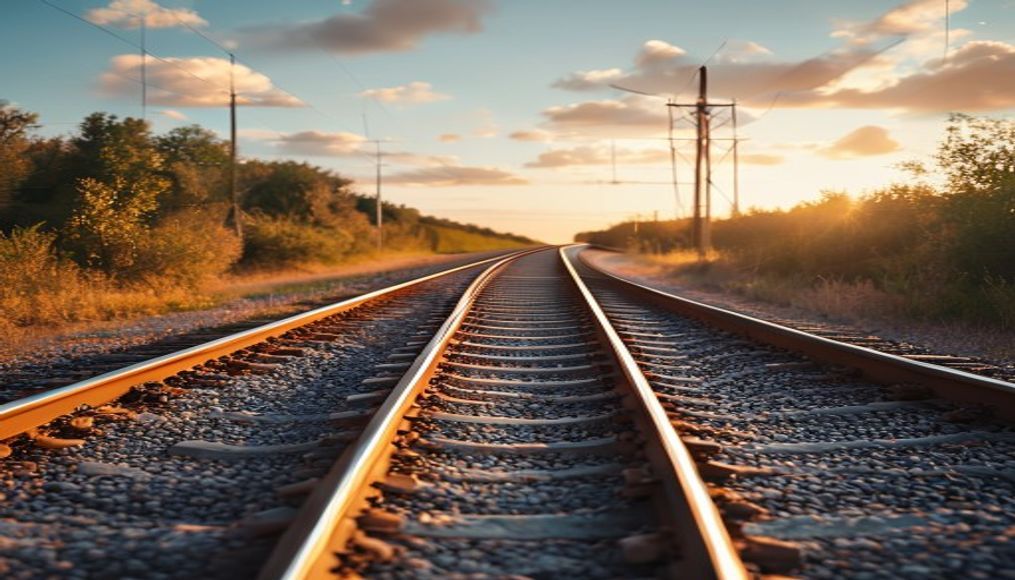
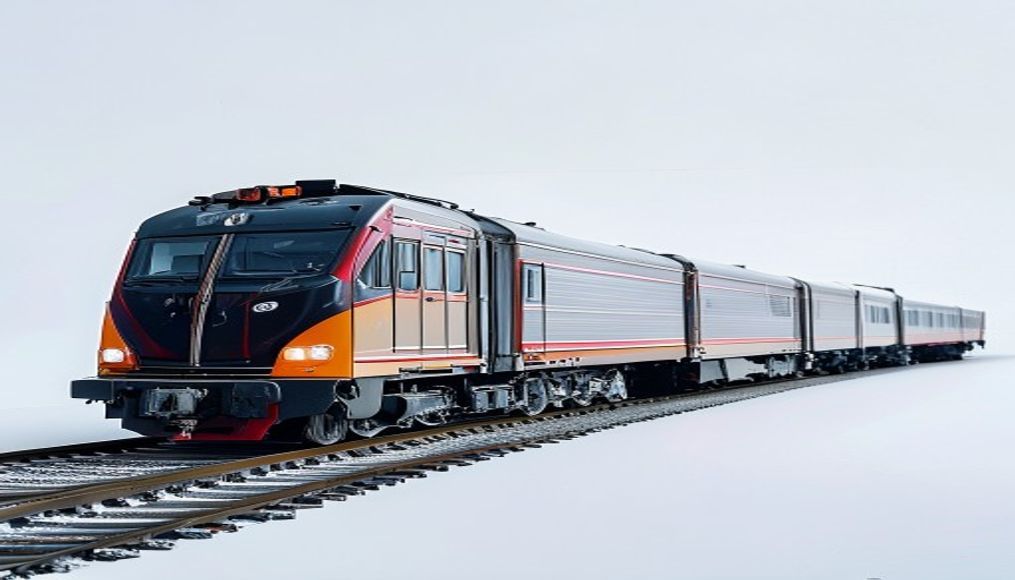
Railroad ties ballast
1344×768 · AVIF · CC BY 4.0
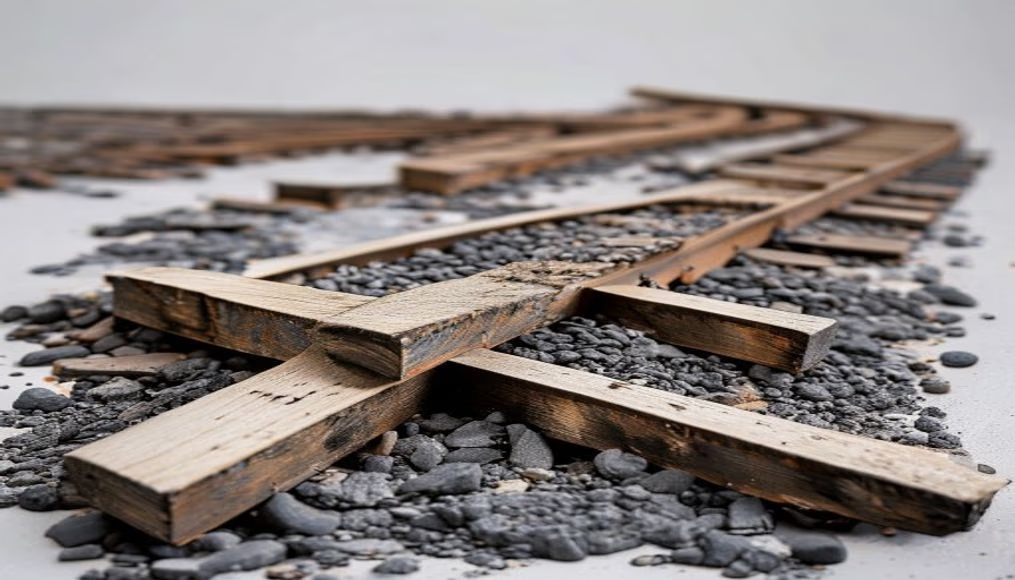
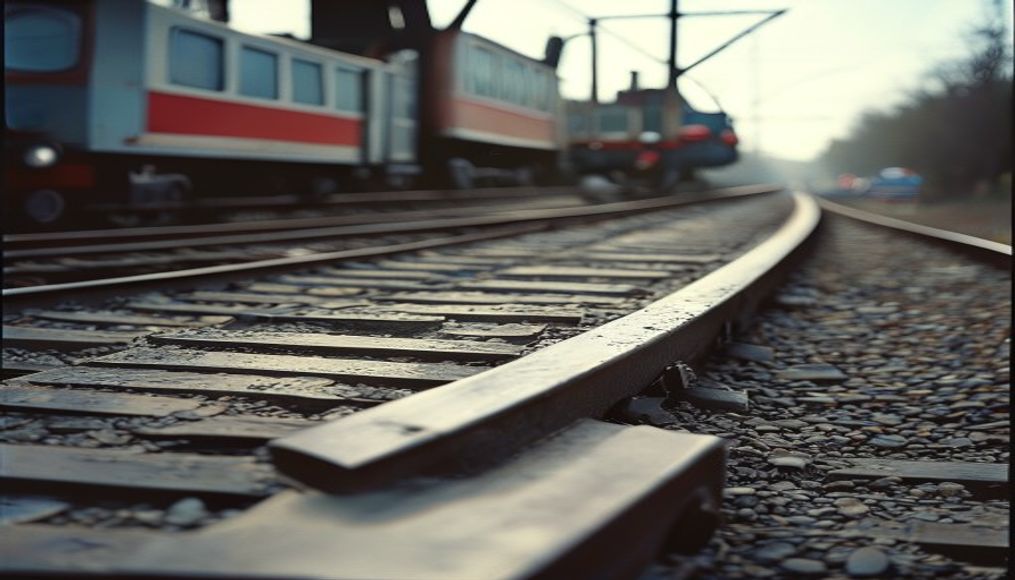
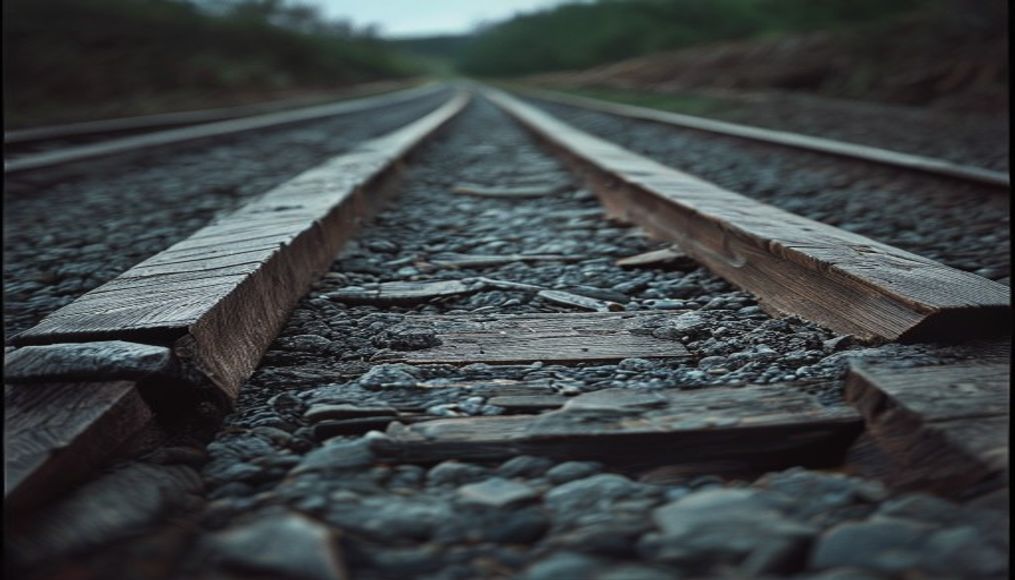
Railroad ballast is the layer of crushed stones that stabilizes sleepers and distributes train loads.
About this subject
Railroad ballast, composed of crushed stones with controlled grain size, plays an essential role in track infrastructure. It secures the sleepers (the transverse beams supporting the rails) in the correct position, preventing lateral and longitudinal displacement. Additionally, ballast evenly distributes the weight of trains to the subgrade, avoiding ground deformation. Drainage is another crucial function: the gaps between stones allow rainwater to drain quickly, preventing softening of the foundation. Material selection typically involves hard rocks such as granite, basalt, or limestone, chosen for their resistance to wear and fragmentation under repeated loads. Typical ballast thickness ranges from 25 to 30 centimeters below the sleepers, but may be greater on high-speed lines. Periodic maintenance, such as cleaning and replacement, is necessary to prevent the accumulation of fines (small particles) from compromising drainage. Modern railways use specialized machines called ballast regulators to perform this task efficiently. Interestingly, the stones are angular, not rounded, because sharp edges interlock, increasing stability. The use of ballast dates back to the early British railways of the 19th century, when engineers realized that plain earth could not support heavy traffic. Since then, ballast has become a global standard, though regional variations exist; for example, in permafrost regions, synthetic materials or concrete are used to avoid freezing issues.
Frequently Asked Questions
Why are the stones in railroad ballast angular rather than rounded?
Angular stones interlock with each other, forming a stable structure that resists movement. Rounded stones would roll under train pressure, compromising track stability.
What is the typical lifespan of railroad ballast?
Under normal conditions, ballast lasts 10 to 20 years before needing replacement, depending on traffic and maintenance. Contamination by fines and stone degradation are the main reasons for replacement.
Is there a difference between ballast used on freight and passenger railways?
Yes. Heavy freight lines require thicker ballast and larger stones to handle greater loads, while high-speed passenger lines prioritize more uniform grain size to prevent displacement and ensure comfort.
Direct URL
https://pub-c7d6a6ea828543ac903a74a341ccb2e1.r2.dev/imagens/railroad-ties-ballast-commercial-product-photography-p1.avifHow to credit
Include a visible link back to UtilizAí. Copy one of the snippets below:
<a href="https://xn--utiliza-eza.com/en/midia/imagens/railroad-ties-ballast-commercial-product-photography-p1">Railroad ties ballast</a> by <a href="https://xn--utiliza-eza.com">UtilizAí</a>, licensed under <a href="https://creativecommons.org/licenses/by/4.0/">CC BY 4.0</a>.
[Railroad ties ballast](https://xn--utiliza-eza.com/en/midia/imagens/railroad-ties-ballast-commercial-product-photography-p1) by [UtilizAí](https://xn--utiliza-eza.com), CC BY 4.0
License: CC-BY-4.0