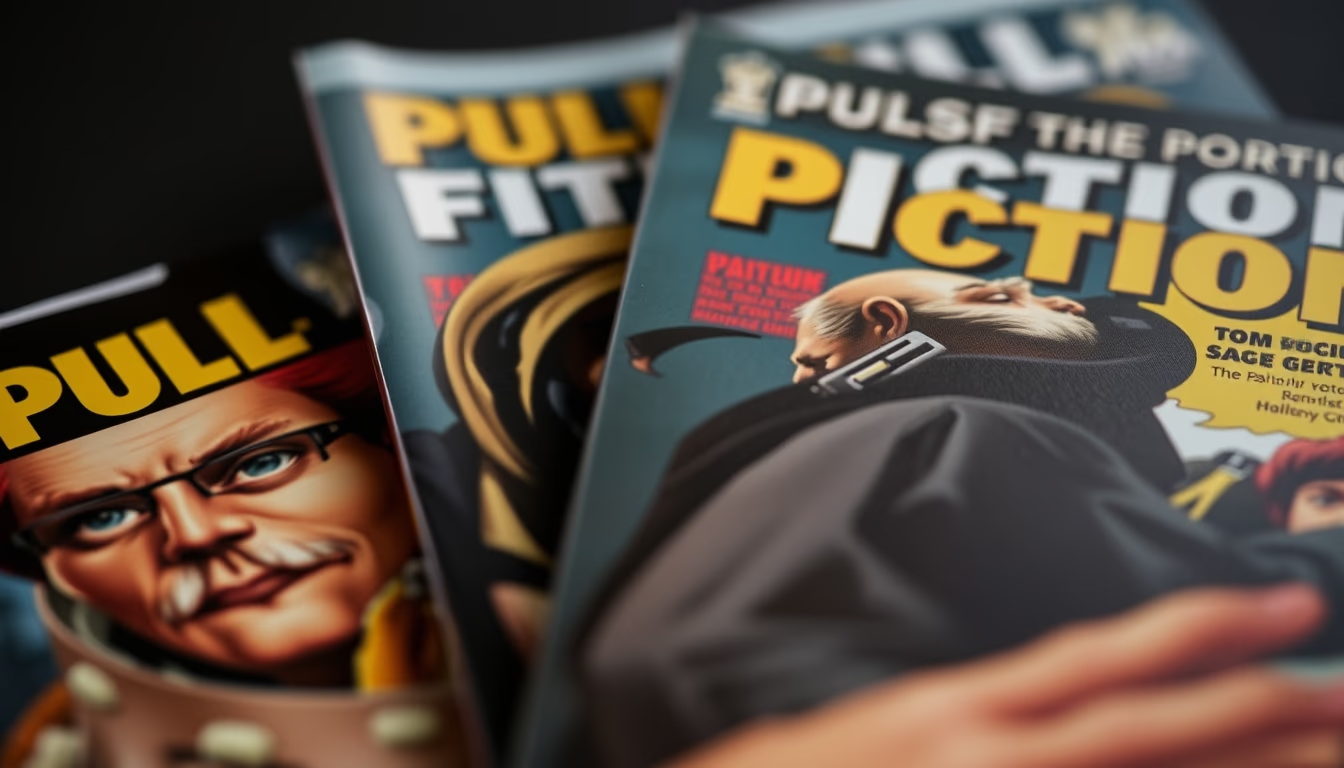
Pulp fiction covers
1344×768 · AVIF · CC BY 4.0
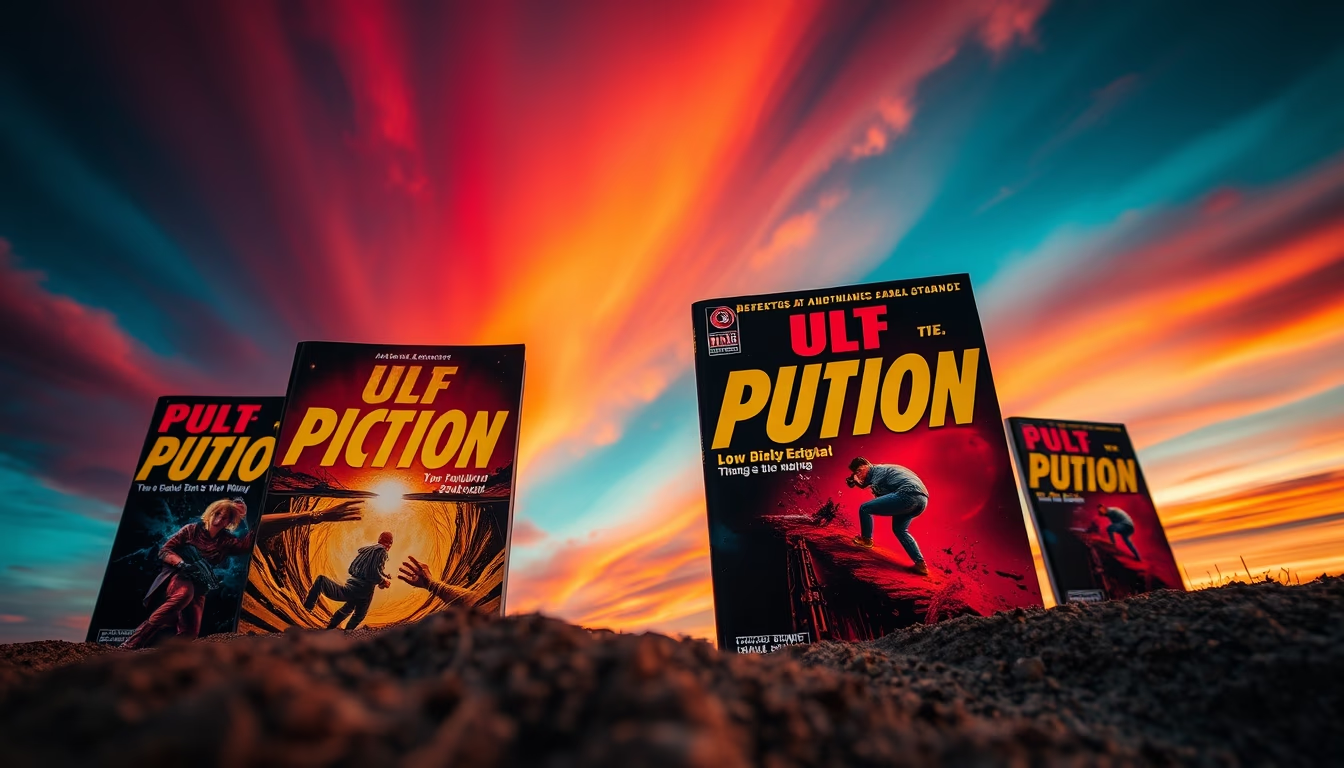
Pulp fiction covers defined pop culture with their vibrant aesthetic and genre stories from the 1920s to the 1950s, influencing comics and film.
About this subject
Pulp fiction covers are a cultural artifact that captures the spirit of an era. Emerging in the late 19th century and popularized from the 1920s to the 1950s, these cheap magazines (named for the low-quality wood pulp paper) offered affordable entertainment for the masses. Their covers, often hand-painted, depicted scenes of action, romance, horror, and science fiction with vivid colors and dramatic compositions.
The pulp genre covered a variety of themes: hardboiled detectives like Sam Spade, space heroes like Flash Gordon, and Lovecraftian monsters. Artists such as Margaret Brundage, who painted covers for Weird Tales, and Frank R. Paul, a pioneer of science fiction visuals, set aesthetic standards that influenced generations. Many covers used a mental 'long exposure' technique: the viewer was invited to imagine the entire story from a single suggestive image.
The decline of pulps in the 1950s came with the rise of paperbacks and comic books, but their legacy persists. Original covers today are collectible, selling for thousands of dollars at auctions. They also inspired postmodern art movements, such as Roy Lichtenstein's pop art, which parodied pulp aesthetics. In Brazil, cordel literature and pamphlets had similar influence, though with a unique identity.
Interestingly, many pulp stories were written under pseudonyms and at a fast pace, with authors like H.P. Lovecraft and Raymond Chandler producing dozens of stories per year. The covers, however, were the main attraction on newsstands, competing for readers' attention with images that were daring for their time, such as damsels in distress or muscular heroes. This 'kitsch' visual style is now celebrated as genuine art and a subject of academic study.
Frequently Asked Questions
What defines a pulp fiction cover?
A pulp fiction cover is characterized by colorful, dramatic illustrations featuring adventure, romance, horror, or science fiction, usually hand-painted, on cheap paper magazines from the 1920s-1950s.
Which artists are famous for pulp covers?
Artists like Margaret Brundage (Weird Tales), Frank R. Paul (Amazing Stories), and Robert E. Howard (creator of Conan) are iconic. Their covers have become cultural references.
Why are pulp covers valuable today?
They are rare artifacts of vintage American aesthetics. Collectors pay high prices for well-preserved originals. They also influenced pop culture, such as Quentin Tarantino's films and comic books.
Direct URL
https://pub-c7d6a6ea828543ac903a74a341ccb2e1.r2.dev/imagens/pulp-fiction-covers-long-exposure-fresh9.avifHow to credit
Include a visible link back to UtilizAí. Copy one of the snippets below:
<a href="https://xn--utiliza-eza.com/en/midia/imagens/pulp-fiction-covers-long-exposure-fresh9">Pulp fiction covers</a> by <a href="https://xn--utiliza-eza.com">UtilizAí</a>, licensed under <a href="https://creativecommons.org/licenses/by/4.0/">CC BY 4.0</a>.
[Pulp fiction covers](https://xn--utiliza-eza.com/en/midia/imagens/pulp-fiction-covers-long-exposure-fresh9) by [UtilizAí](https://xn--utiliza-eza.com), CC BY 4.0
License: CC-BY-4.0