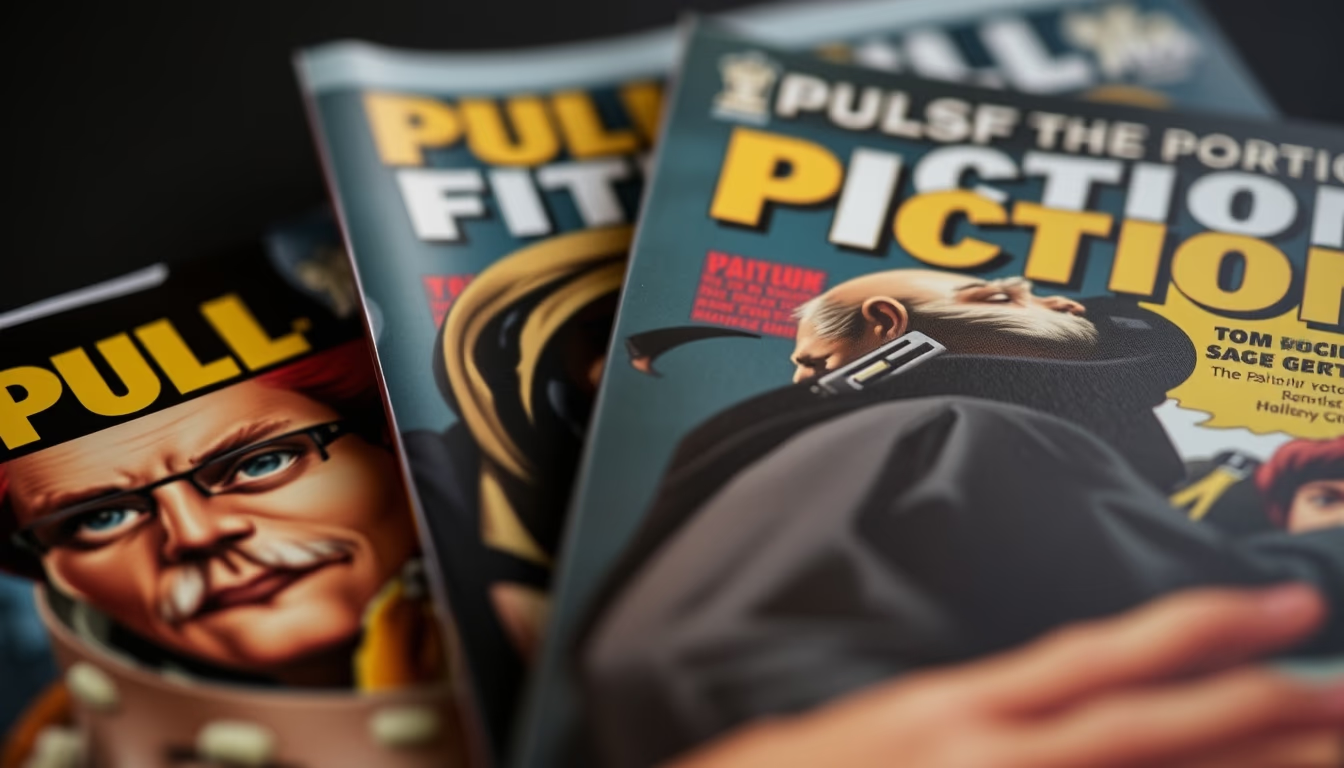
Pulp fiction covers
1344×768 · AVIF · CC BY 4.0
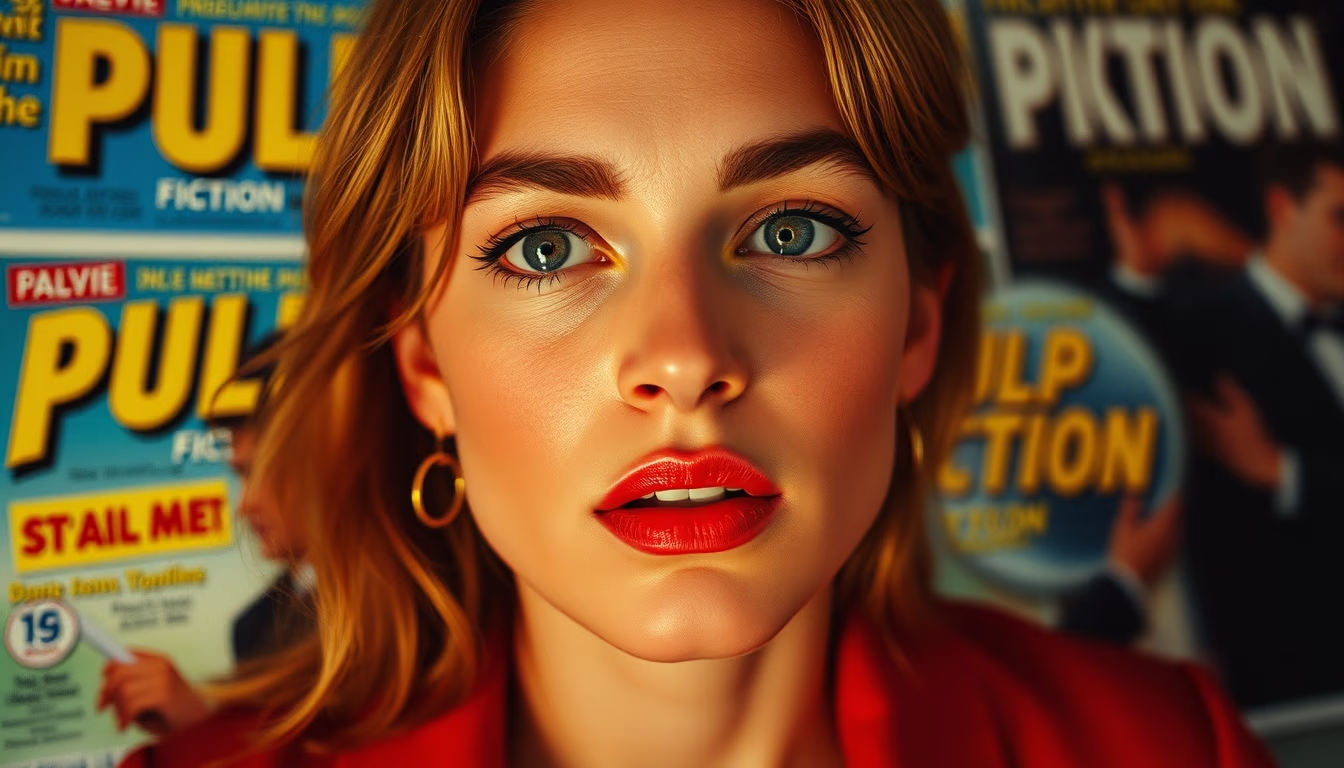
Pulp fiction covers, icons of early 20th-century American pop culture, combined vibrant art and sensational themes to attract readers.
About this subject
Pulp fiction covers flourished between the 1920s and 1950s in the United States, published in cheap magazines printed on wood-pulp paper (hence the term "pulp"). Titles such as Weird Tales, Amazing Stories, and Black Mask featured eye-catching illustrations by artists like Frank R. Paul, Margaret Brundage, and Robert Gibson Jones. The covers often depicted scenes of adventure, horror, science fiction, and detective stories, with bold colors and dramatic compositions.
These images were crucial for selling magazines on newsstands, competing for customers' attention in a crowded market. Cover art frequently exaggerated the story's content, promising intense emotions. For instance, Weird Tales covers showed scantily clad women threatened by monsters, a taboo at the time but effective in attracting readers.
With the decline of pulp magazines in the 1950s, original covers became collector's items and inspiration for later artists. Movements like pop art and the retro aesthetic of the 1990s revived interest. The style influenced films, such as Quentin Tarantino's Pulp Fiction, and contemporary designs, including the lo-fi and disposable camera aesthetic that evokes nostalgia.
Trivia: the most famous Weird Tales cover from May 1935, "The Shadow Kingdom" by Margaret Brundage, was cited as an influence by modern artists. Pulp covers also established visual conventions for genres like sci-fi and horror, shaping popular imagination.
Frequently Asked Questions
What characterizes pulp fiction cover art?
Vibrant art, saturated colors, dynamic compositions, and sensational themes like adventure, horror, and science fiction, often with taboo elements for the era.
Why are pulp covers so influential?
They defined the visual aesthetic for genres like sci-fi and horror, influenced pop artists, and remain a reference in retro designs and pop culture.
Where can I find pulp fiction covers today?
In art collections, specialized websites, illustration history books, and reproductions on products such as posters and t-shirts.
Direct URL
https://pub-c7d6a6ea828543ac903a74a341ccb2e1.r2.dev/imagens/pulp-fiction-covers-lo-fi-disposable-camera-fresh7.avifHow to credit
Include a visible link back to UtilizAí. Copy one of the snippets below:
<a href="https://xn--utiliza-eza.com/en/midia/imagens/pulp-fiction-covers-lo-fi-disposable-camera-fresh7">Pulp fiction covers</a> by <a href="https://xn--utiliza-eza.com">UtilizAí</a>, licensed under <a href="https://creativecommons.org/licenses/by/4.0/">CC BY 4.0</a>.
[Pulp fiction covers](https://xn--utiliza-eza.com/en/midia/imagens/pulp-fiction-covers-lo-fi-disposable-camera-fresh7) by [UtilizAí](https://xn--utiliza-eza.com), CC BY 4.0
License: CC-BY-4.0