Pulp fiction covers
1344×768 · AVIF · CC BY 4.0
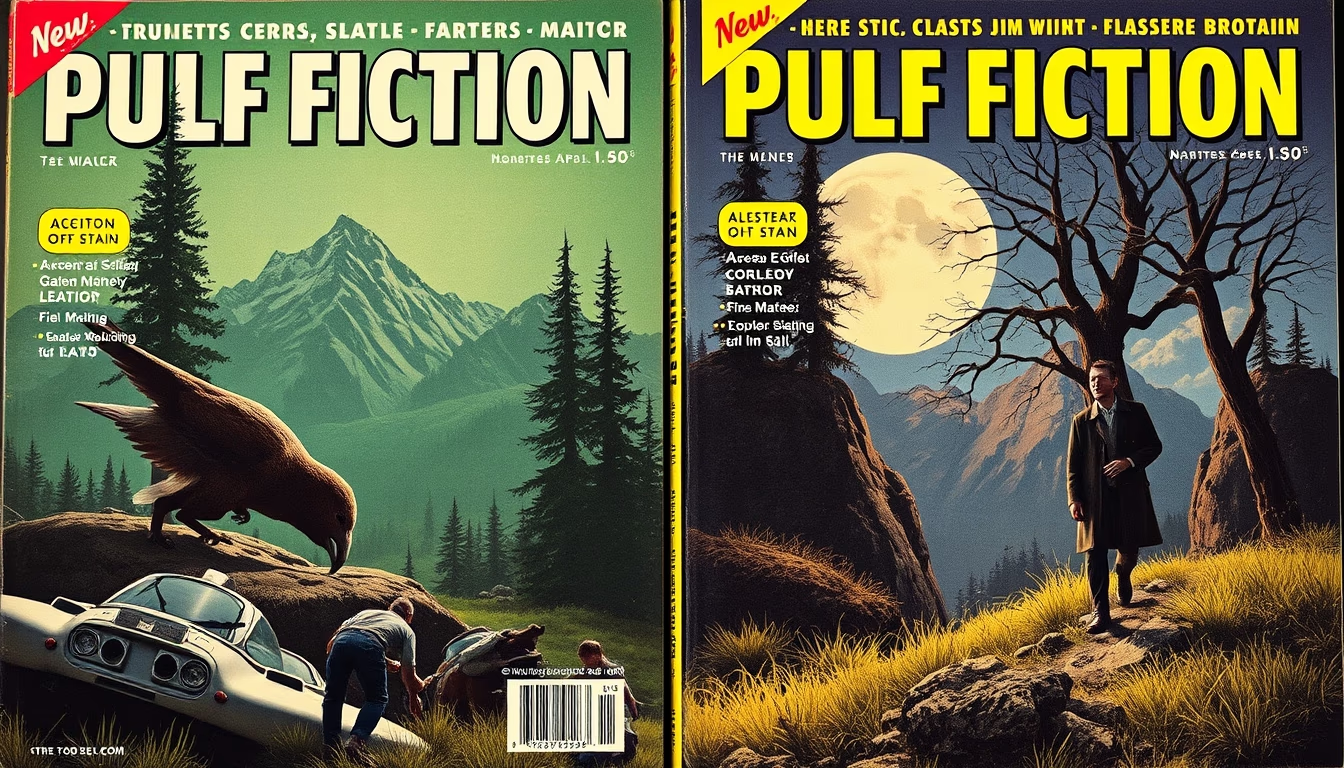
Pulp fiction covers were the gateway to 20th-century American popular culture, blending vibrant art with genre storytelling.
About this subject
Pulp fiction covers, produced between the 1920s and 1950s, are a landmark of American editorial culture. These cheap magazines, printed on wood-pulp paper, contained stories of detective, science fiction, fantasy, romance, and adventure. The covers were designed to catch the eye at newsstands, with colorful, dramatic illustrations often featuring damsels in distress, muscular heroes, or exotic settings. Artists like Robert E. McGinnis, Frank R. Paul, and Maxfield Parrish helped define the genre's look.
The Golden Age of pulps (1930-1940) was dominated by publishers such as Street & Smith (with titles like The Shadow and Doc Savage) and Popular Publications. The covers not only sold magazines but also created visual archetypes that influenced cinema, comics, and advertising. Many covers used airbrushing and strong contrasts to highlight central elements. Although considered disposable at the time, they are now collector's items, with rare copies fetching thousands of dollars at auctions.
The decline of pulps began in the 1950s with the rise of paperbacks and comic books. However, their legacy lives on in retro design, noir aesthetics, and the steampunk movement. Collectors and historians value these covers as documents of the social psychology of the era, reflecting the fears and desires of pre-war and post-war American society.
Frequently Asked Questions
What sets a pulp fiction cover apart from other magazine illustrations?
Pulp fiction covers were designed to sell magazines at newsstands, with bold colors, exaggerated poses, and sensational themes. They differed from sophisticated magazines by being more graphic and appealing, often exploring violence or sensuality.
Who are the most famous pulp cover artists?
Among the best-known are Robert E. McGinnis (specialist in paperback covers), Frank R. Paul (science fiction pioneer), and Maxfield Parrish (though more associated with fantasy illustrations). Each left a unique mark on the genre.
Why are pulp fiction covers so valuable to collectors today?
They represent a specific era of pop culture, with great nostalgic and artistic appeal. The rarity of some copies, their condition, and the signature of renowned artists increase their market value.
Direct URL
https://pub-c7d6a6ea828543ac903a74a341ccb2e1.r2.dev/imagens/pulp-fiction-covers-documentary-nature-style-fresh3.avifHow to credit
Include a visible link back to UtilizAí. Copy one of the snippets below:
<a href="https://xn--utiliza-eza.com/en/midia/imagens/pulp-fiction-covers-documentary-nature-style-fresh3">Pulp fiction covers</a> by <a href="https://xn--utiliza-eza.com">UtilizAí</a>, licensed under <a href="https://creativecommons.org/licenses/by/4.0/">CC BY 4.0</a>.
[Pulp fiction covers](https://xn--utiliza-eza.com/en/midia/imagens/pulp-fiction-covers-documentary-nature-style-fresh3) by [UtilizAí](https://xn--utiliza-eza.com), CC BY 4.0
License: CC-BY-4.0