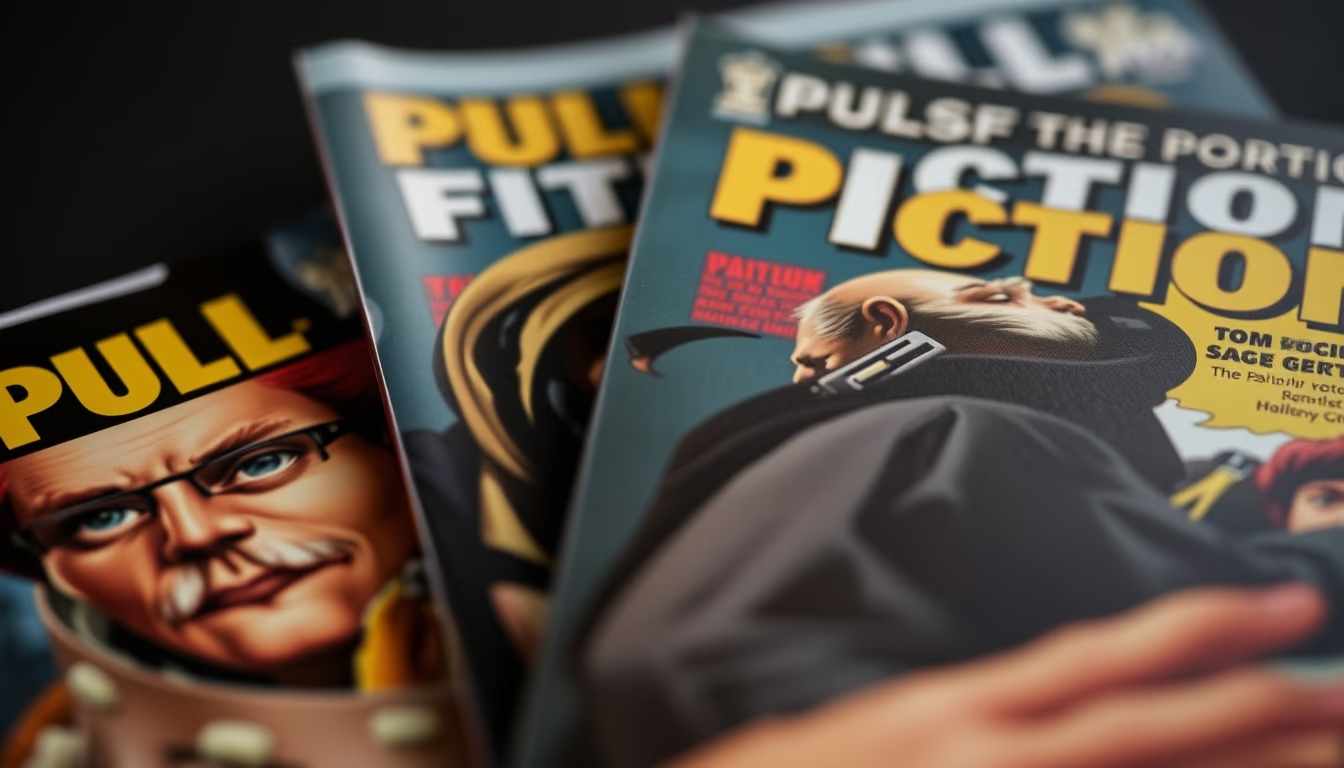
Pulp fiction covers
1344×768 · AVIF · CC BY 4.0

Pulp fiction covers are iconic magazine illustrations from 1896 to 1950, known for vibrant colors, sensational themes, and bold graphic art.
About this subject
Pulp magazines originated in the late 19th century in the United States. The name comes from the cheap wood-pulp paper used for printing, which kept costs low and prices affordable. The first recognized pulp magazine was Argosy, launched in 1896 by Frank Munsey. These publications opened space for genre fiction: adventure, romance, horror, fantasy, and science fiction, becoming a publishing phenomenon that lasted until the mid-20th century.
The covers of pulps were key to attracting readers at newsstands. Vibrant and dramatic illustrations, often featuring women in peril, muscular heroes, horrifying monsters, or exotic settings, adorned each issue. Artists such as Frank R. Paul (considered the father of science fiction art), Margaret Brundage (known for her covers for Weird Tales), and Raphael Astarita became legendary for their work. The covers not only sold magazines but also defined the visual tone of entire genres.
The cultural impact of pulp covers extends beyond literature. They directly influenced film noir, B-movies, comic books, and contemporary graphic design. Characters like Conan the Barbarian and Tarzan came to life on these covers before migrating to other media. Today, original covers are collected as art and studied in design history courses, representing a period when popular imagination expressed itself with unforgettable colors and contrasts.
Frequently Asked Questions
What are pulp magazines?
Pulp magazines were low-cost periodicals printed on cheap wood-pulp paper, selling genre stories such as adventure, science fiction, horror, and romance. They were popular from 1896 to 1950.
Which artists are famous for pulp fiction covers?
Artists like Frank R. Paul (pioneer of sci-fi art), Margaret Brundage (sensual covers for Weird Tales), and Raphael Astarita (adventure) are among the most famous. Their illustrations defined the genre's aesthetic.
Why are pulp covers so striking?
Pulp covers used vibrant colors, dramatic compositions, and sensational themes to catch eyes at newsstands. They synthesized the story's emotion into a powerful image, often featuring danger, heroism, and exoticism.
Direct URL
https://pub-c7d6a6ea828543ac903a74a341ccb2e1.r2.dev/imagens/pulp-fiction-covers-cinematic-wide-shot-fresh15.avifHow to credit
Include a visible link back to UtilizAí. Copy one of the snippets below:
<a href="https://xn--utiliza-eza.com/en/midia/imagens/pulp-fiction-covers-cinematic-wide-shot-fresh15">Pulp fiction covers</a> by <a href="https://xn--utiliza-eza.com">UtilizAí</a>, licensed under <a href="https://creativecommons.org/licenses/by/4.0/">CC BY 4.0</a>.
[Pulp fiction covers](https://xn--utiliza-eza.com/en/midia/imagens/pulp-fiction-covers-cinematic-wide-shot-fresh15) by [UtilizAí](https://xn--utiliza-eza.com), CC BY 4.0
License: CC-BY-4.0