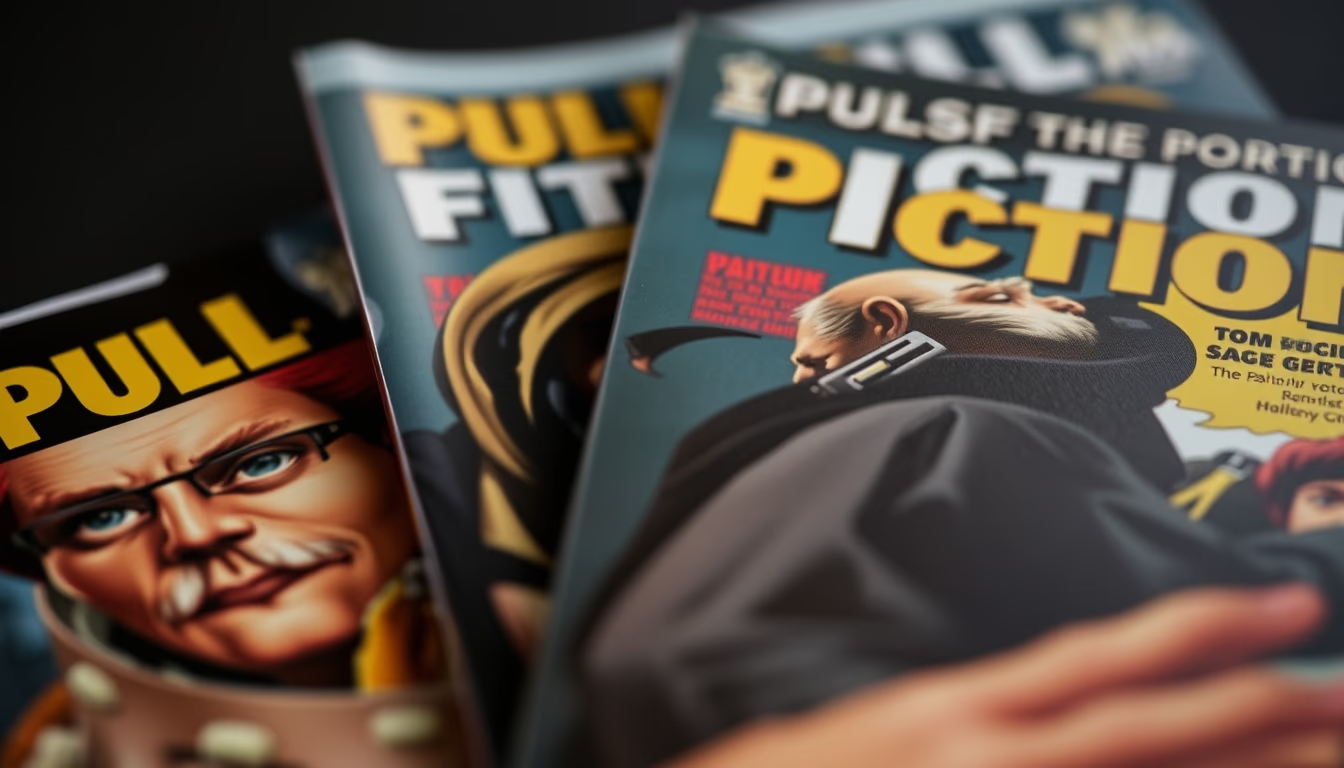
Pulp fiction covers
1344×768 · AVIF · CC BY 4.0
Discover the history and cultural impact of pulp fiction covers, icons of graphic design and 20th-century American pop culture.
About this subject
Pulp fiction covers defined a golden age of print publishing in the United States, from the 1920s to the 1950s. These low-cost magazines, printed on wood-pulp paper (hence the term "pulp"), featured stories from genres such as sci-fi, mystery, romance, and adventure. The covers were designed to grab readers' attention at newsstands, with vibrant illustrations, saturated colors, and dramatic scenes. Artists like Robert E. McGinnis, George Gross, and Norman Saunders became legends, creating images now collected and studied as folk art.
The visual style of pulp covers is characterized by strong contrasts, dynamic compositions, and sensational elements, damsels in distress, muscular heroes, grotesque monsters, and exotic settings. This aesthetic influenced not only advertising and graphic design but also cinema, fashion, and contemporary pop culture. Directors like Quentin Tarantino paid homage to this universe in films such as "Pulp Fiction" (1994), which even borrows the genre's name.
Beyond entertainment, pulp magazines were a social barometer: they reflected contemporary fears and desires, such as technological advancement (science fiction), postwar anxiety (noir), and sexual repression (sensual romances). With the rise of television and comic books, the pulp market declined in the 1950s, but its legacy endures. Today, original covers are collector's items, sold at auctions for thousands of dollars, and reproductions adorn homes and offices as symbols of rebelliousness and creativity.
Frequently Asked Questions
What defines a pulp fiction cover?
A pulp fiction cover is characterized by colorful, dramatic illustrations, often with sensational themes like crime, science fiction, or romance. They were designed to sell the magazine at newsstands, using dynamic compositions and vibrant colors.
Which artists are famous for creating pulp covers?
Artists such as Robert E. McGinnis, George Gross, Norman Saunders, and Frank R. Paul are among the most renowned. They established a style that influenced generations of illustrators.
Do pulp fiction covers have value today?
Yes, original pulp covers are highly sought-after collector's items, often fetching thousands of dollars at auction. They are valued as folk art and icons of 20th-century media culture.
Direct URL
https://pub-c7d6a6ea828543ac903a74a341ccb2e1.r2.dev/imagens/pulp-fiction-covers-architectural-photography-fresh5.avifHow to credit
Include a visible link back to UtilizAí. Copy one of the snippets below:
<a href="https://xn--utiliza-eza.com/en/midia/imagens/pulp-fiction-covers-architectural-photography-fresh5">Pulp fiction covers</a> by <a href="https://xn--utiliza-eza.com">UtilizAí</a>, licensed under <a href="https://creativecommons.org/licenses/by/4.0/">CC BY 4.0</a>.
[Pulp fiction covers](https://xn--utiliza-eza.com/en/midia/imagens/pulp-fiction-covers-architectural-photography-fresh5) by [UtilizAí](https://xn--utiliza-eza.com), CC BY 4.0
License: CC-BY-4.0