Puffball spore release
1344×768 · AVIF · CC BY 4.0
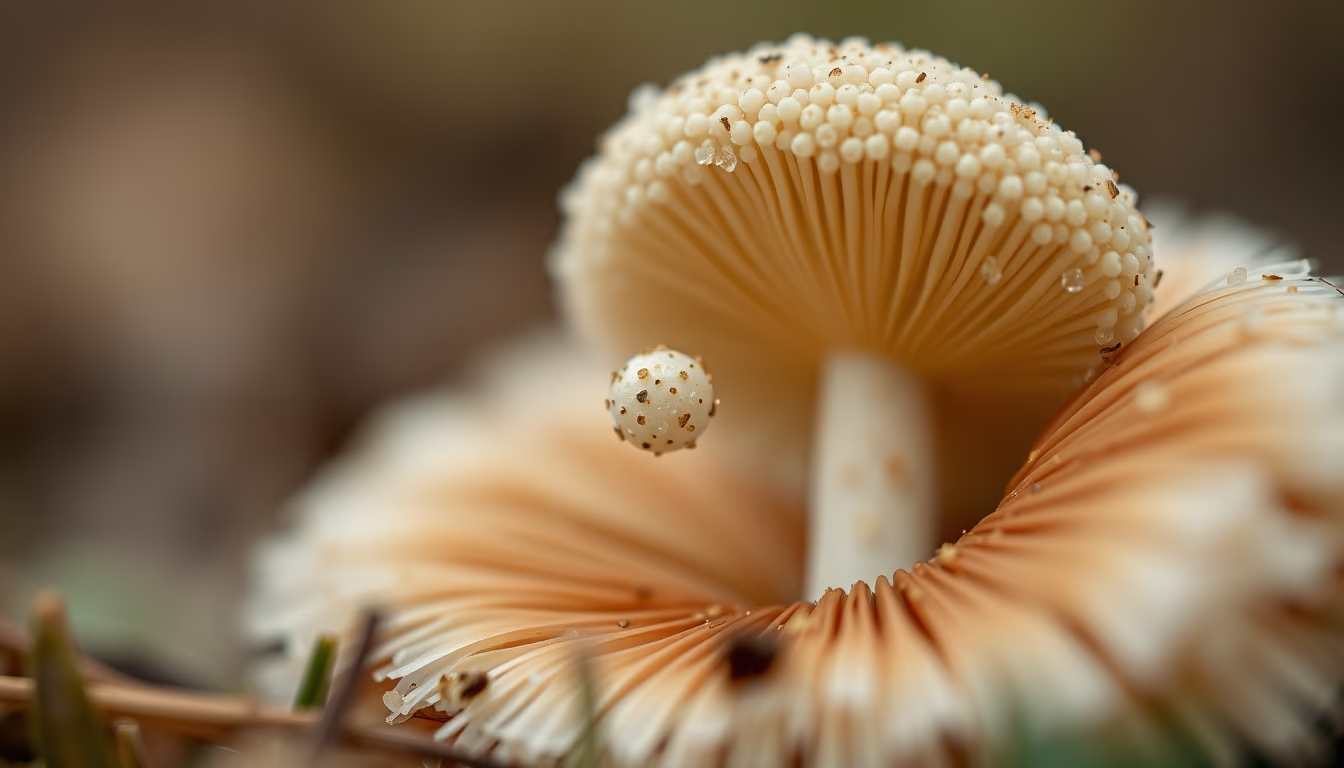
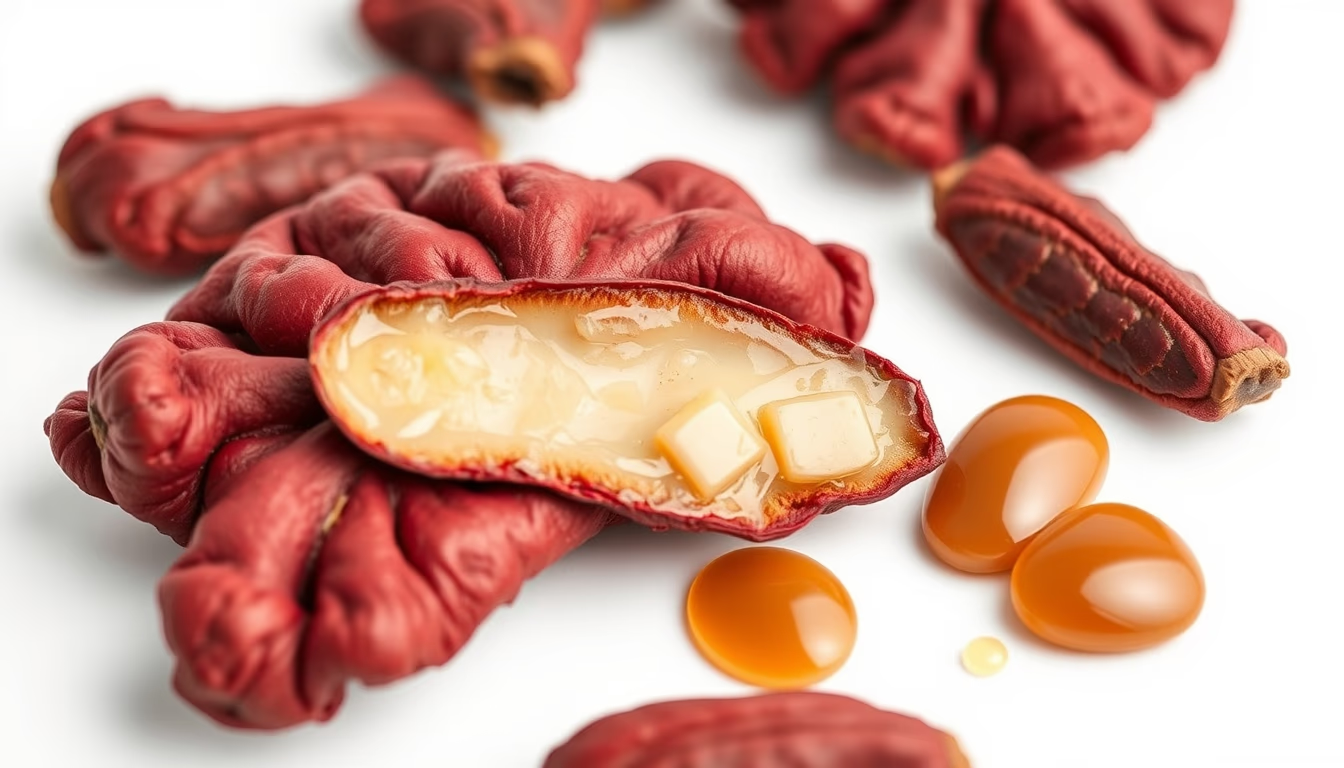
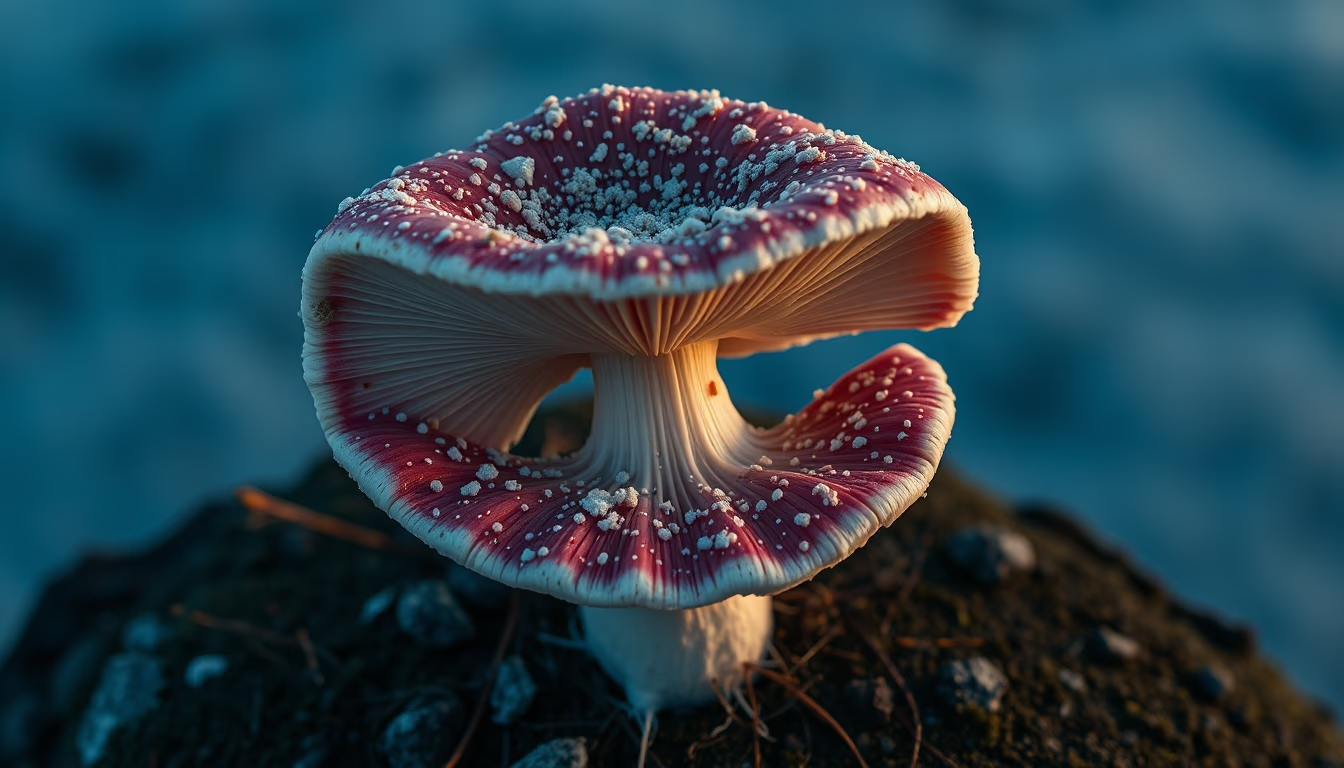
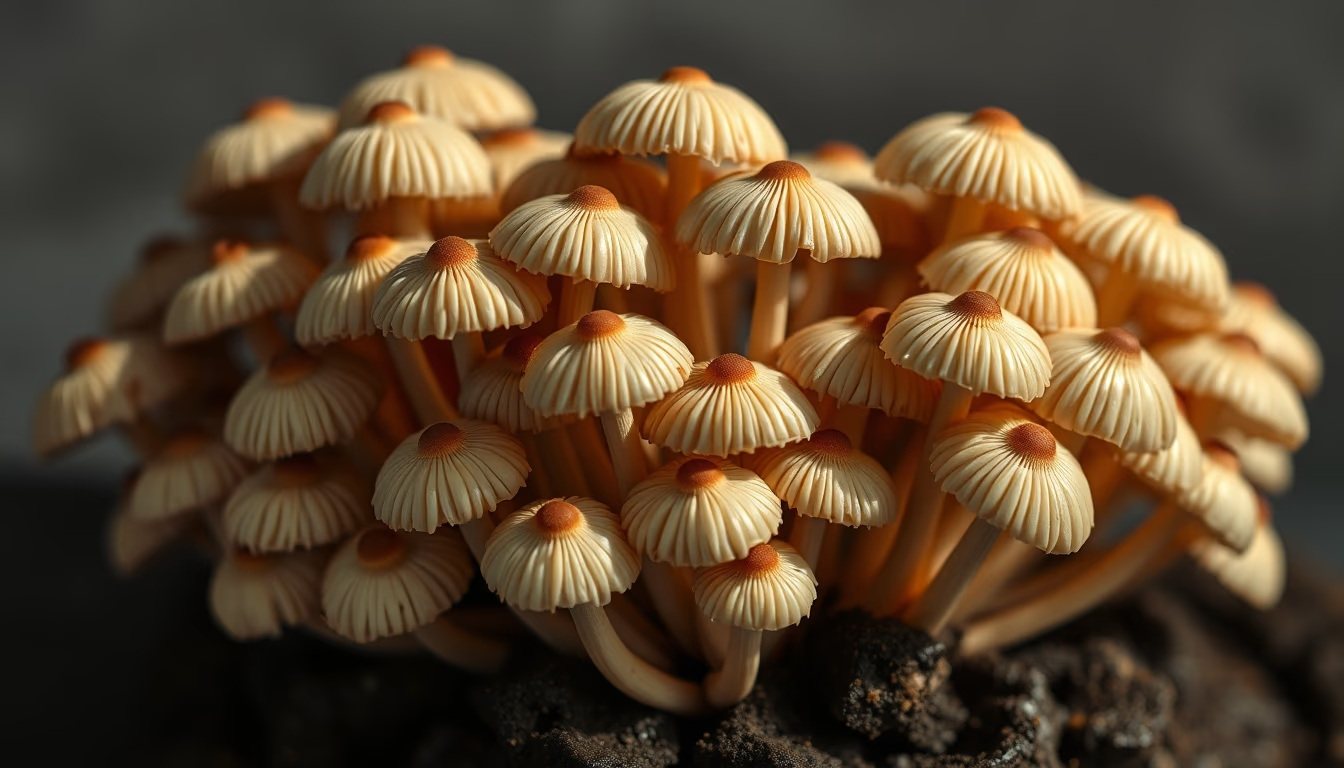
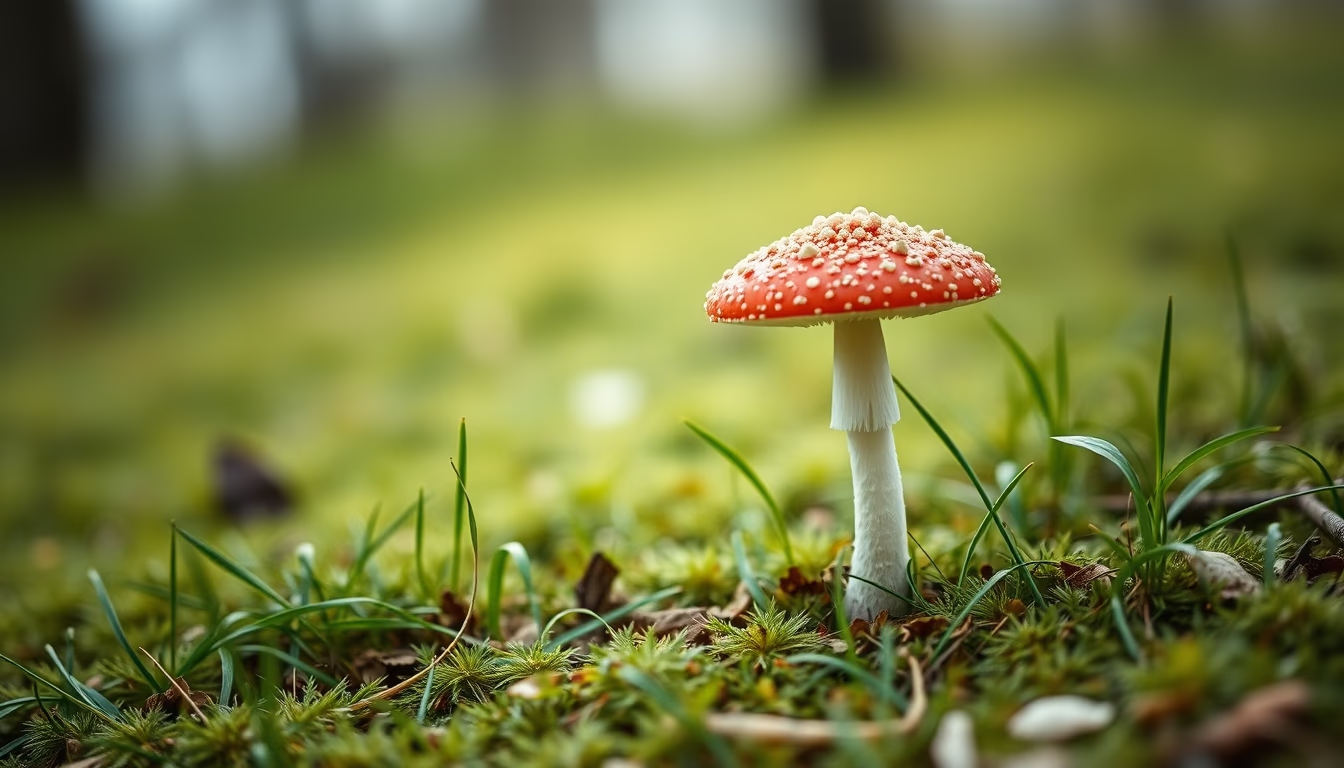
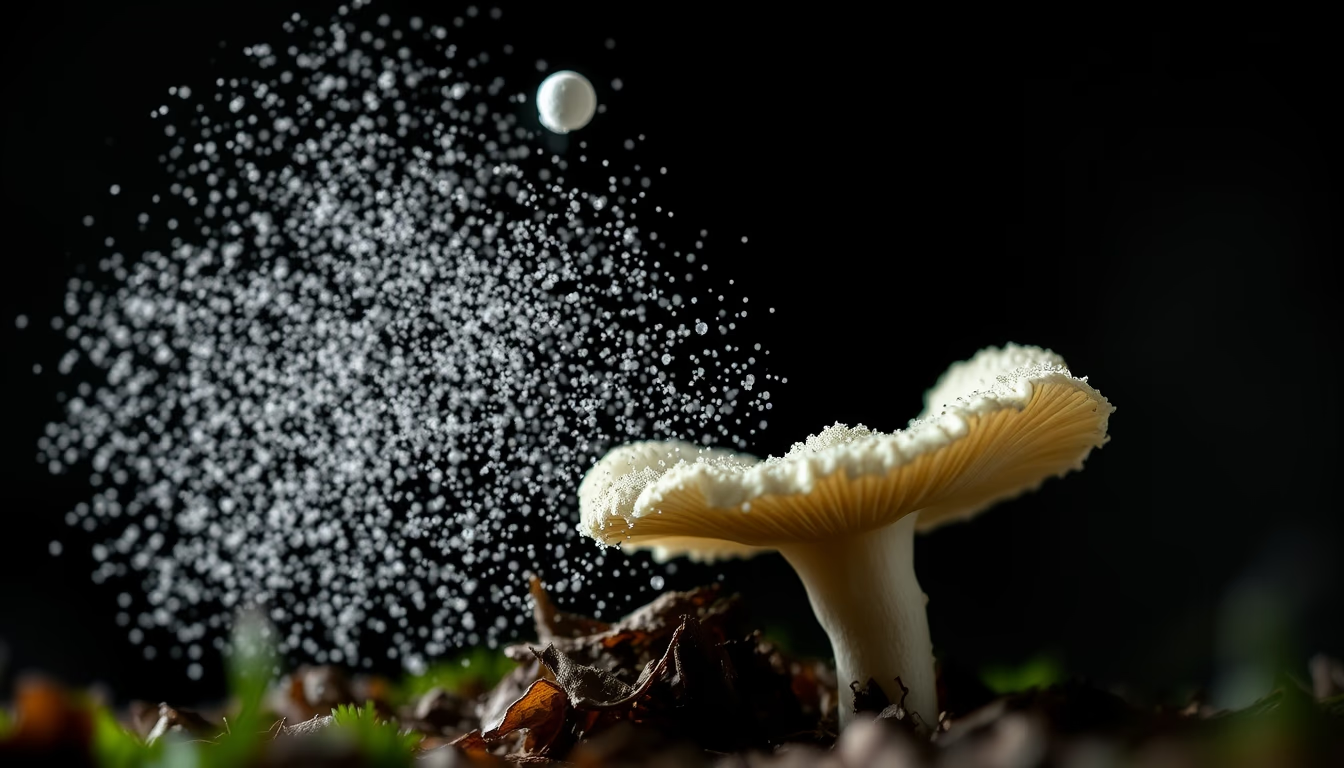
The release of spores from a puffball fungus, which ejects clouds of millions of spores when touched, is a fascinating fungal dispersal process.
About this subject
Puffballs are gasteromycete fungi that produce their spores inside a closed structure called the peridium. When mature, the peridium ruptures and spores are released through external impacts such as rain, animals, or wind. This mechanism ensures efficient spore dispersal in the environment.
The process begins as the fruiting body matures, turning into a dry, powdery mass. When touched, the puffball ejects a spore cloud that can contain billions to trillions of particles. Species like Calvatia gigantea, known as the giant puffball, can release up to 5 trillion spores. This massive quantity increases the chances of germination in suitable locations.
Ecologically, puffballs are decomposers of organic matter, helping to recycle nutrients in the soil. Some species are edible when young and still white inside, such as Calvatia gigantea and Lycoperdon perlatum. However, correct identification is crucial, as young puffballs can be mistaken for deadly amanitas, like Amanita muscaria, when still closed.
Culturally, puffballs are used in some traditional medicines and have inspired research on particle dispersal. In cooking, they are enjoyed in dishes like omelets and soups, but always with caution. The phenomenon of spore release is a natural spectacle that demonstrates the ingenuity of fungi in reproduction and propagation.
Frequently Asked Questions
What is a puffball?
It is a fungus that produces spores in a dry mass inside its fruiting body, releasing them when mature, usually by external impact.
How does spore release occur in puffballs?
When the puffball is touched or hit by raindrops, the peridium ruptures and spores are ejected in a cloud, allowing wind dispersal.
Are puffballs edible?
Some species, such as Calvatia gigantea, are edible when young and white inside. However, correct identification is essential as they can be mistaken for toxic mushrooms.
Direct URL
https://pub-c7d6a6ea828543ac903a74a341ccb2e1.r2.dev/imagens/puffball-spore-release-macro-closeup-p9.avifHow to credit
Include a visible link back to UtilizAí. Copy one of the snippets below:
<a href="https://xn--utiliza-eza.com/en/midia/imagens/puffball-spore-release-macro-closeup-p9">Puffball spore release</a> by <a href="https://xn--utiliza-eza.com">UtilizAí</a>, licensed under <a href="https://creativecommons.org/licenses/by/4.0/">CC BY 4.0</a>.
[Puffball spore release](https://xn--utiliza-eza.com/en/midia/imagens/puffball-spore-release-macro-closeup-p9) by [UtilizAí](https://xn--utiliza-eza.com), CC BY 4.0
License: CC-BY-4.0