Puffball spore release
1344×768 · AVIF · CC BY 4.0
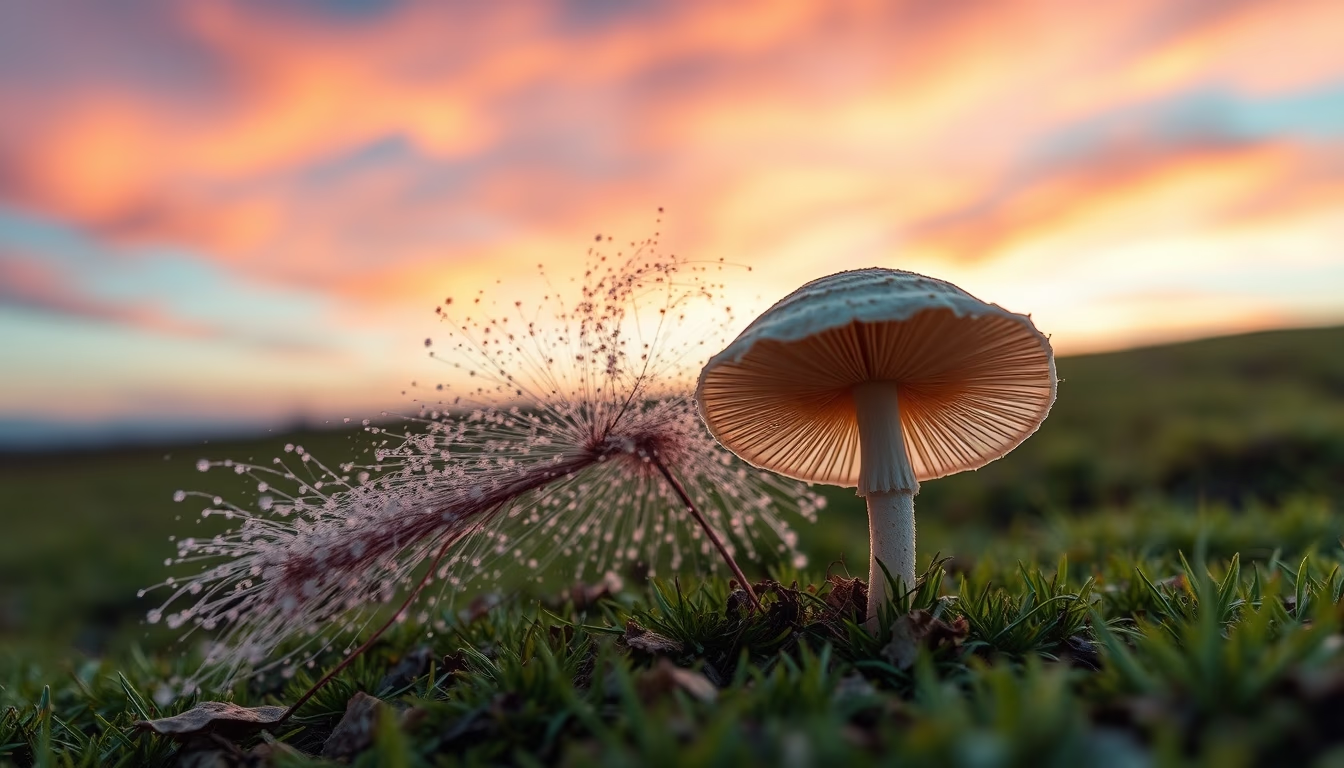
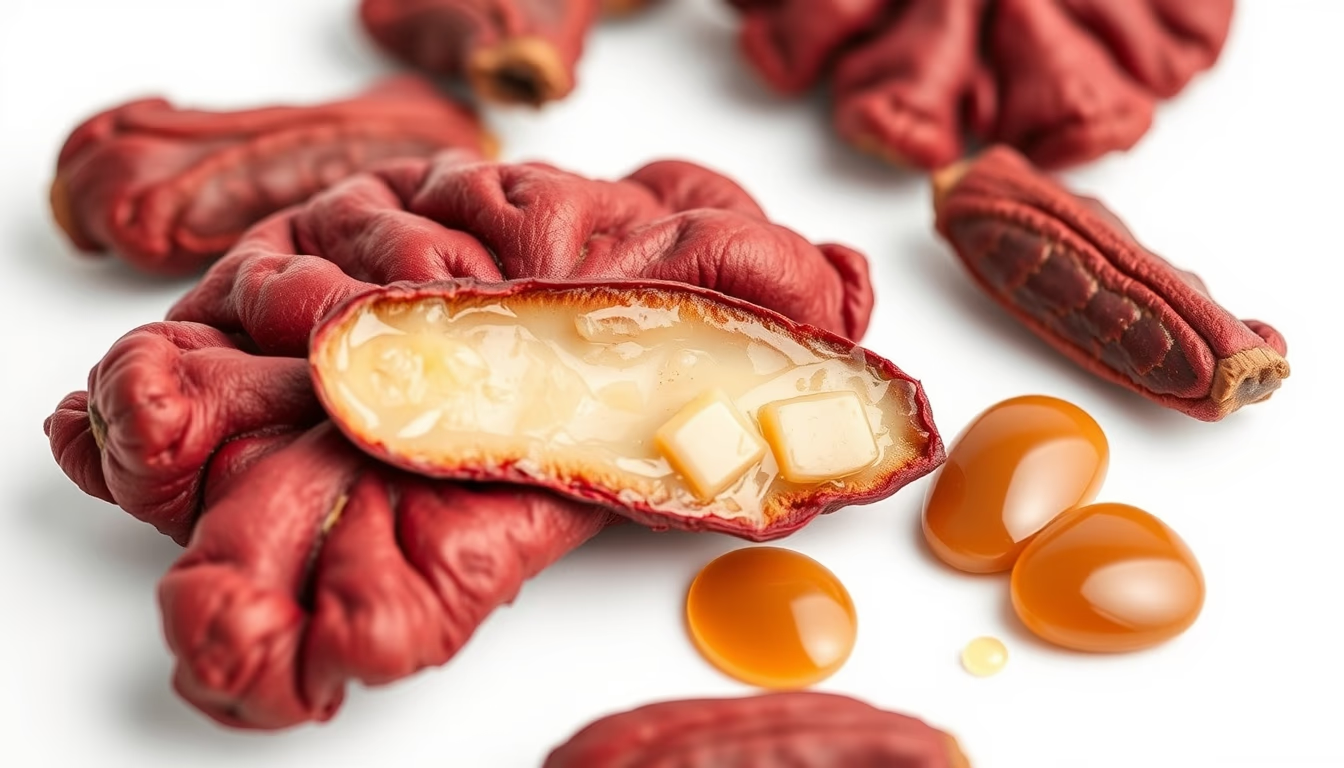
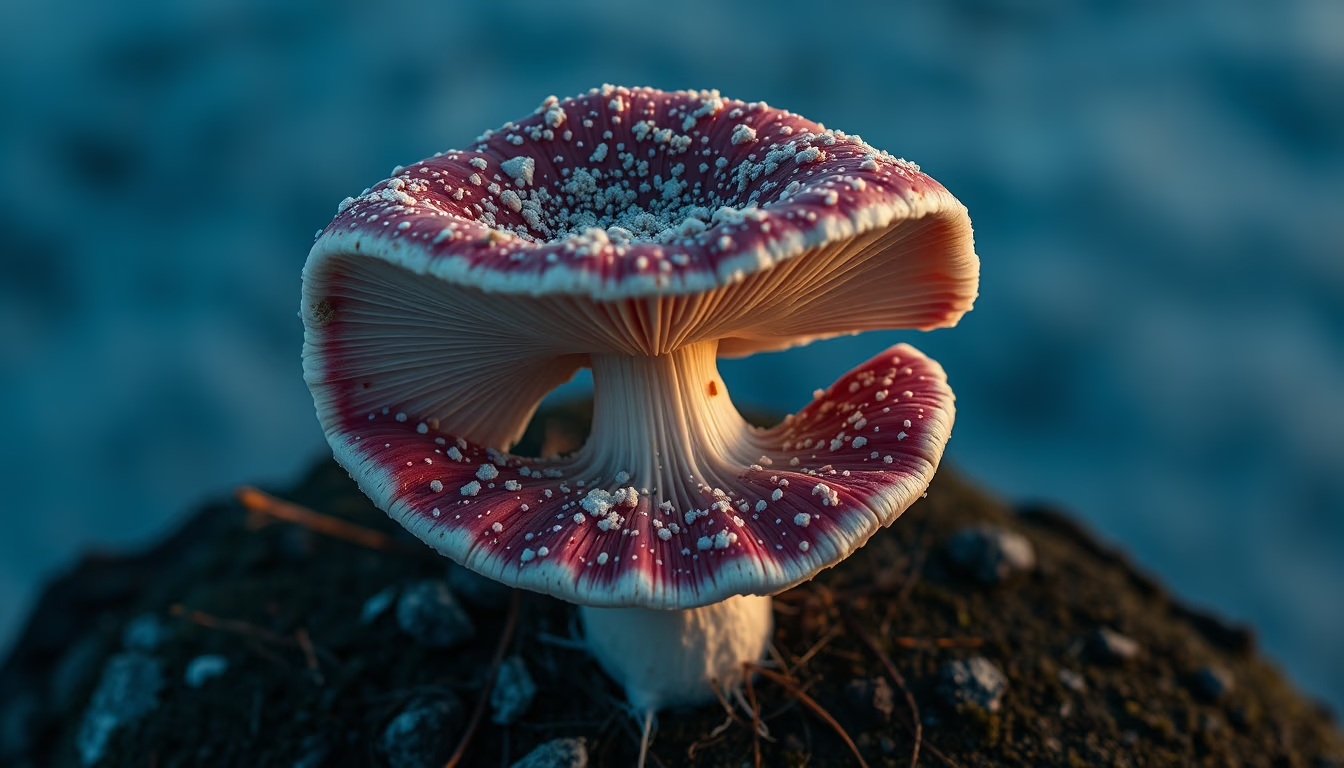
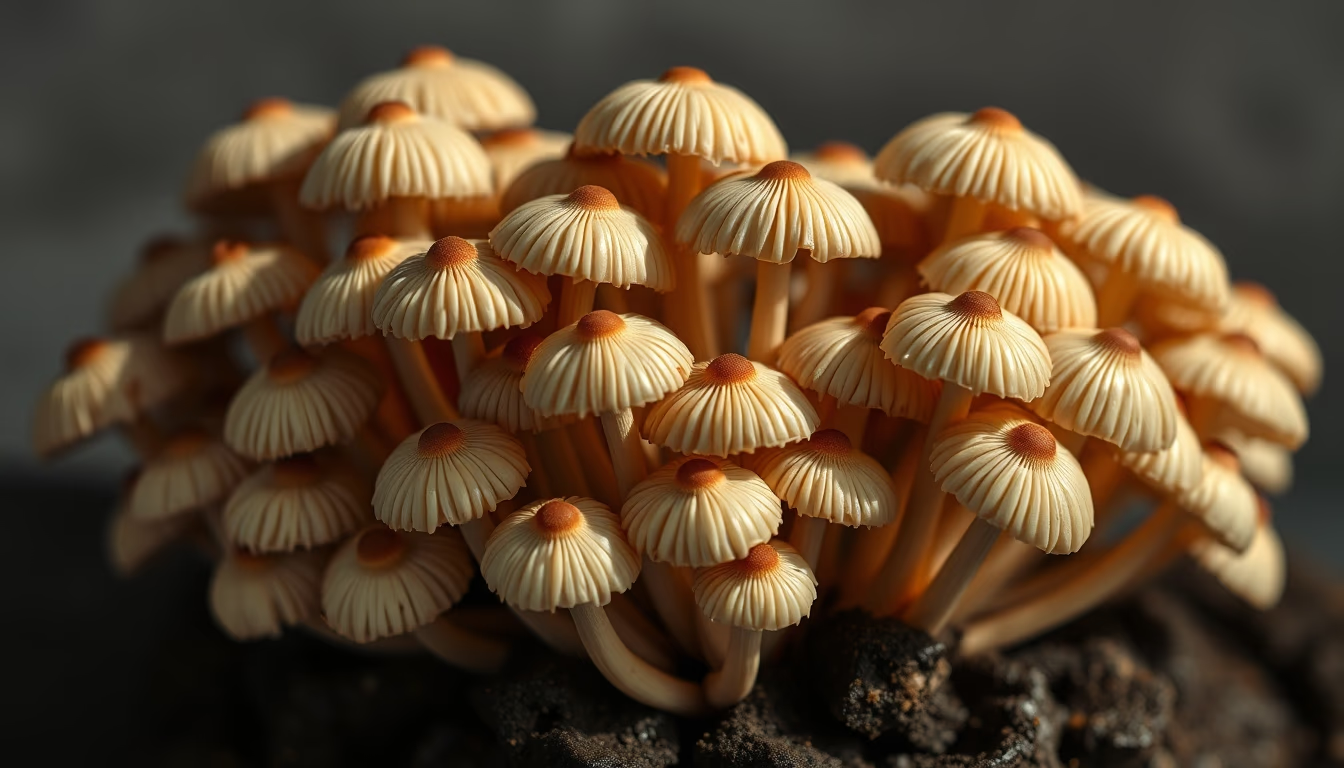
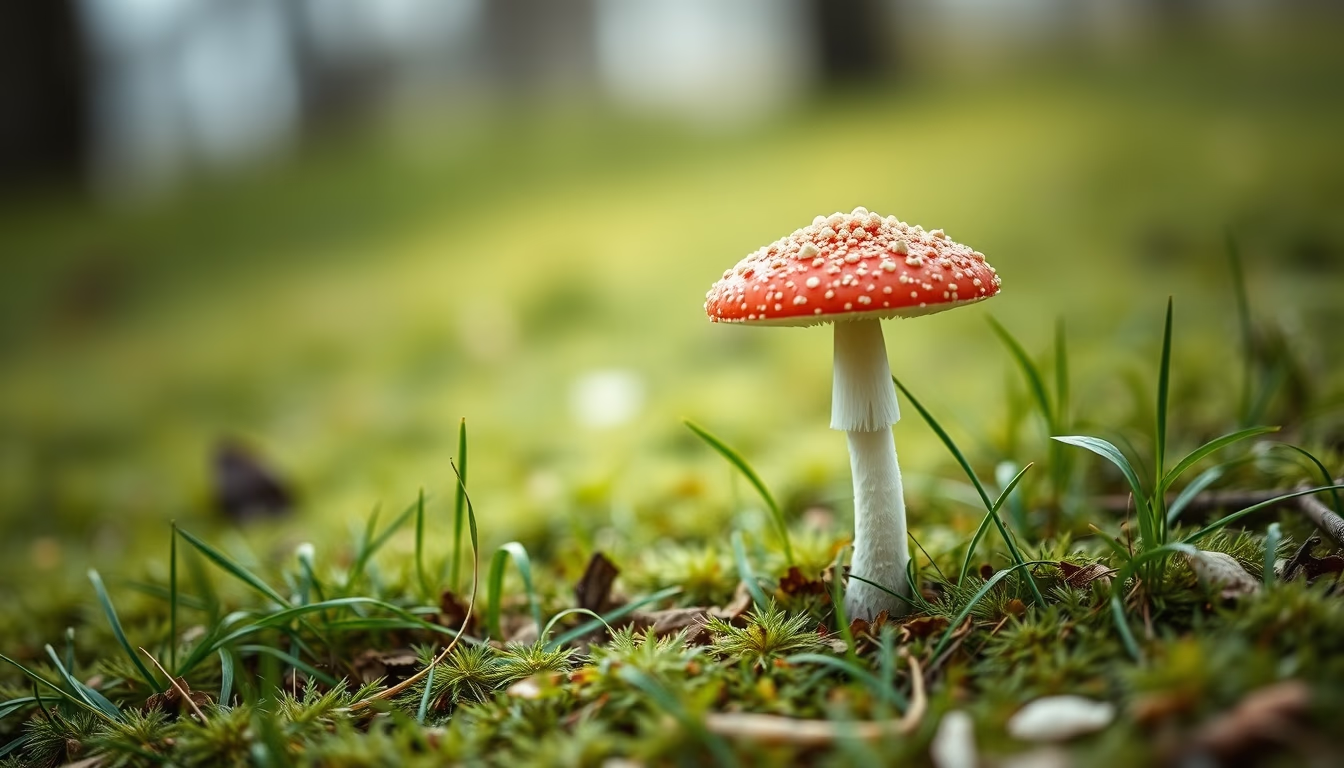
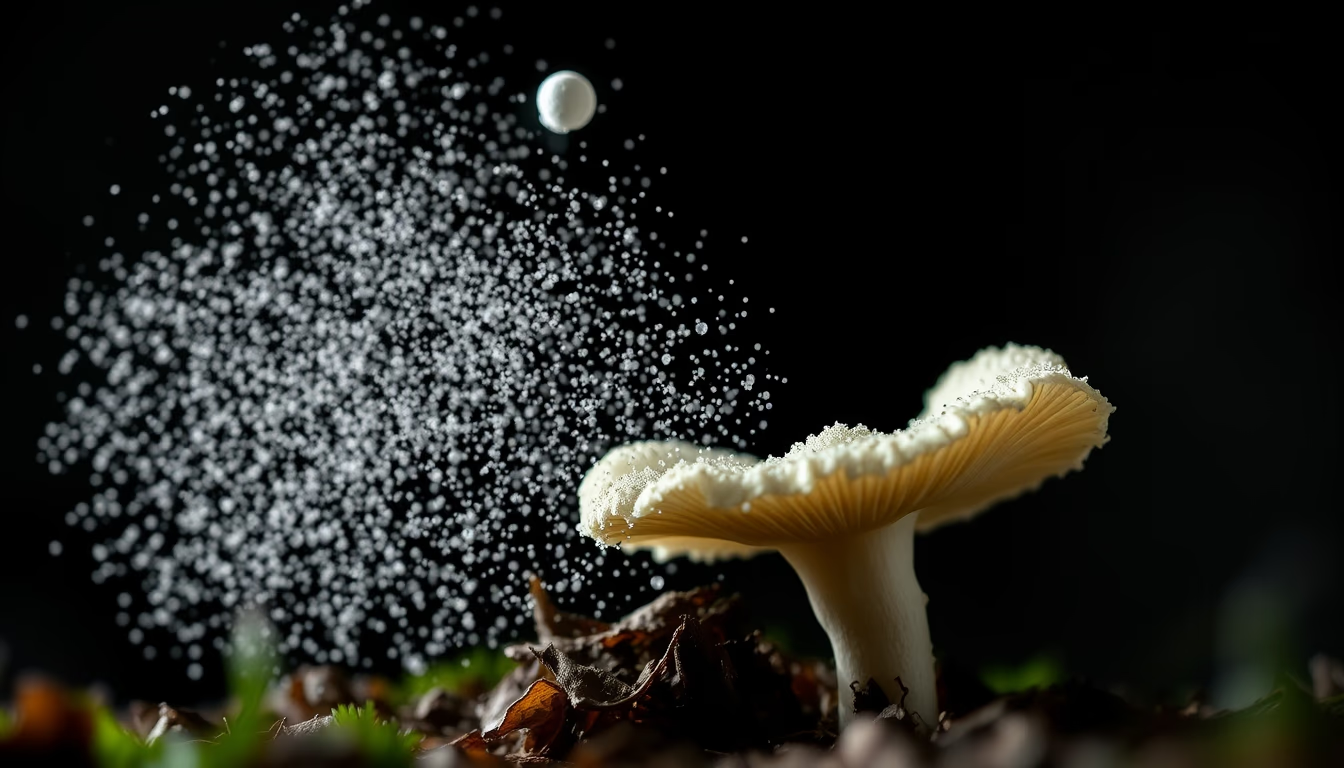
Puffballs are fungi that release millions of spores in a cloud when mature, a fascinating process of aerial dispersal.
About this subject
Puffballs belong to the basidiomycete group, including genera such as Lycoperdon, Calvatia, and Bovista. Unlike common mushrooms, they lack an open cap; their fruiting body is a closed, rounded structure that, upon maturity, develops an apical opening or ruptures to release spores. Release occurs when raindrops or animals touch the puffball, creating pressure that ejects spores as a cloud. Each puffball can contain trillions of spores, ensuring high germination probability under favorable conditions.
These fungi are saprobic, decomposing dead organic matter in nutrient-rich soils like grasslands and forests. Some species, such as Calvatia gigantea, can reach up to 1 meter in diameter. Interestingly, young puffballs with entirely white interior are edible and enjoyed in various cuisines, but proper identification is crucial to avoid confusion with toxic species like Amanita.
The spore cloud dispersal is an efficient evolutionary adaptation: spores are lightweight and can travel long distances by wind. This mechanism is known as 'puffing', inspiring the common name. In popular culture, puffballs are often associated with magic and folklore, sometimes called 'devil's snuff-box' in English. Scientific studies show that release can be triggered by mechanical vibrations, such as animal movement, optimizing dispersal at opportune moments.
Frequently Asked Questions
Are puffballs poisonous?
Young puffballs with a completely white, uniform interior are generally edible and safe. However, proper identification is crucial: toxic species like Amanita may resemble puffballs in early stages. Always consult an expert before consuming.
How does spore release occur in puffballs?
When mature, puffballs develop an apical opening or rupture. Release is triggered by physical impact, such as raindrops or animal touch, which compresses the fruiting body and expels spores as a visible cloud.
What is the ecological role of puffballs?
Puffballs are decomposers, breaking down dead organic matter and recycling nutrients in the soil. This helps maintain the health of ecosystems such as grasslands and forests.
Direct URL
https://pub-c7d6a6ea828543ac903a74a341ccb2e1.r2.dev/imagens/puffball-spore-release-long-exposure-p1.avifHow to credit
Include a visible link back to UtilizAí. Copy one of the snippets below:
<a href="https://xn--utiliza-eza.com/en/midia/imagens/puffball-spore-release-long-exposure-p1">Puffball spore release</a> by <a href="https://xn--utiliza-eza.com">UtilizAí</a>, licensed under <a href="https://creativecommons.org/licenses/by/4.0/">CC BY 4.0</a>.
[Puffball spore release](https://xn--utiliza-eza.com/en/midia/imagens/puffball-spore-release-long-exposure-p1) by [UtilizAí](https://xn--utiliza-eza.com), CC BY 4.0
License: CC-BY-4.0