Puffball spore release
1344×768 · AVIF · CC BY 4.0
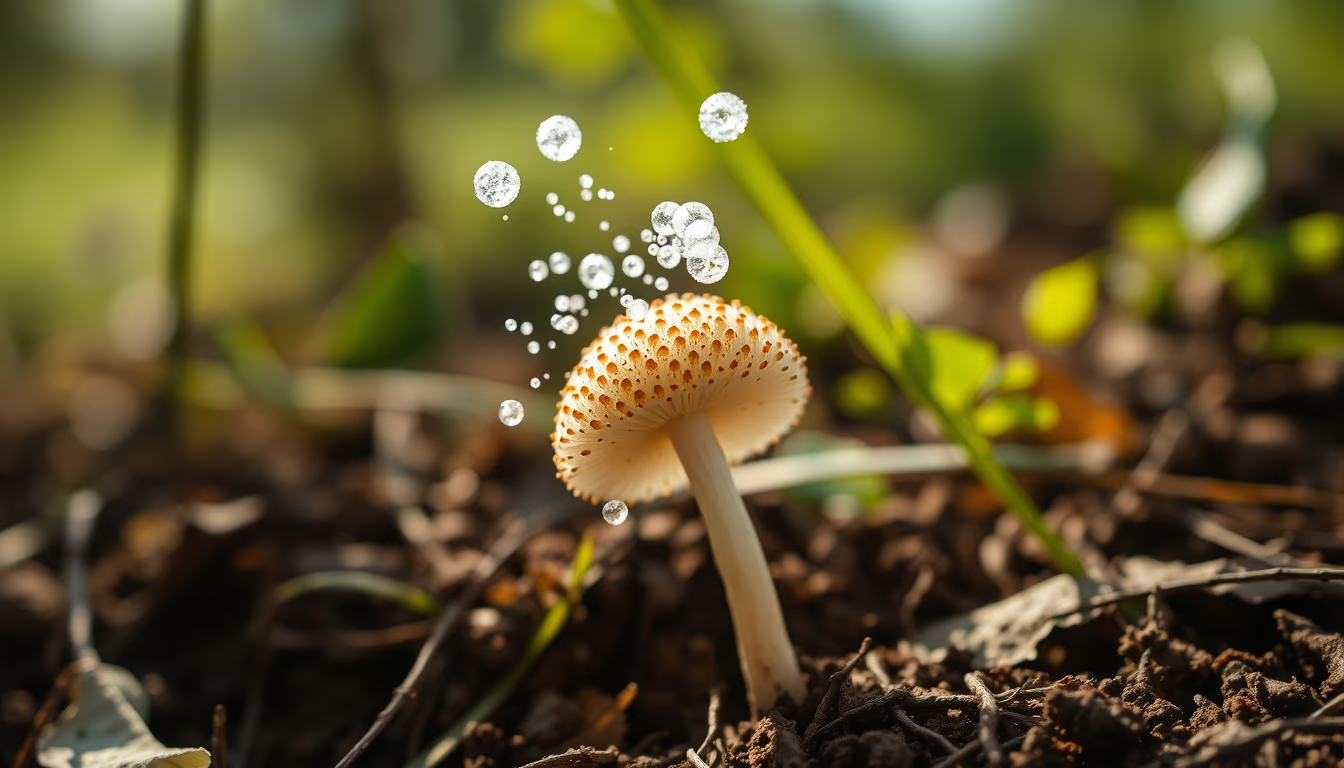
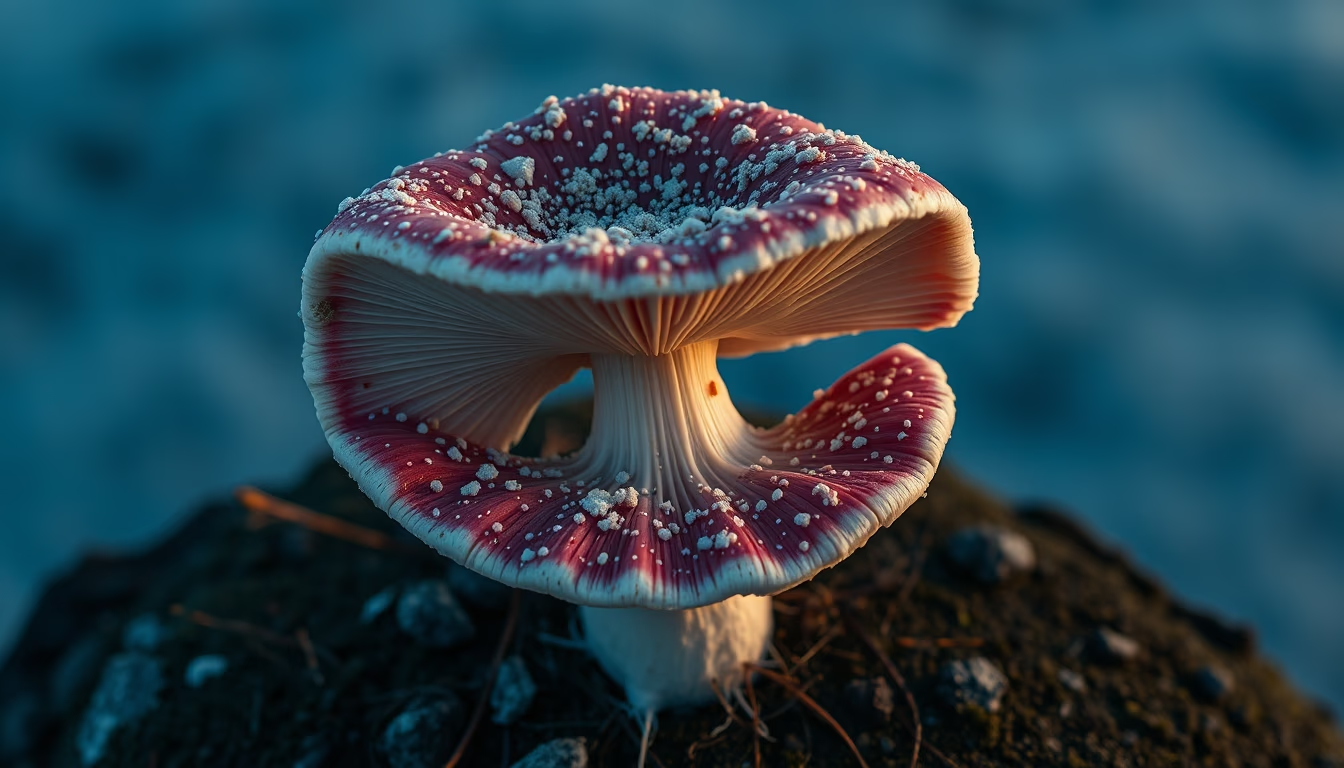
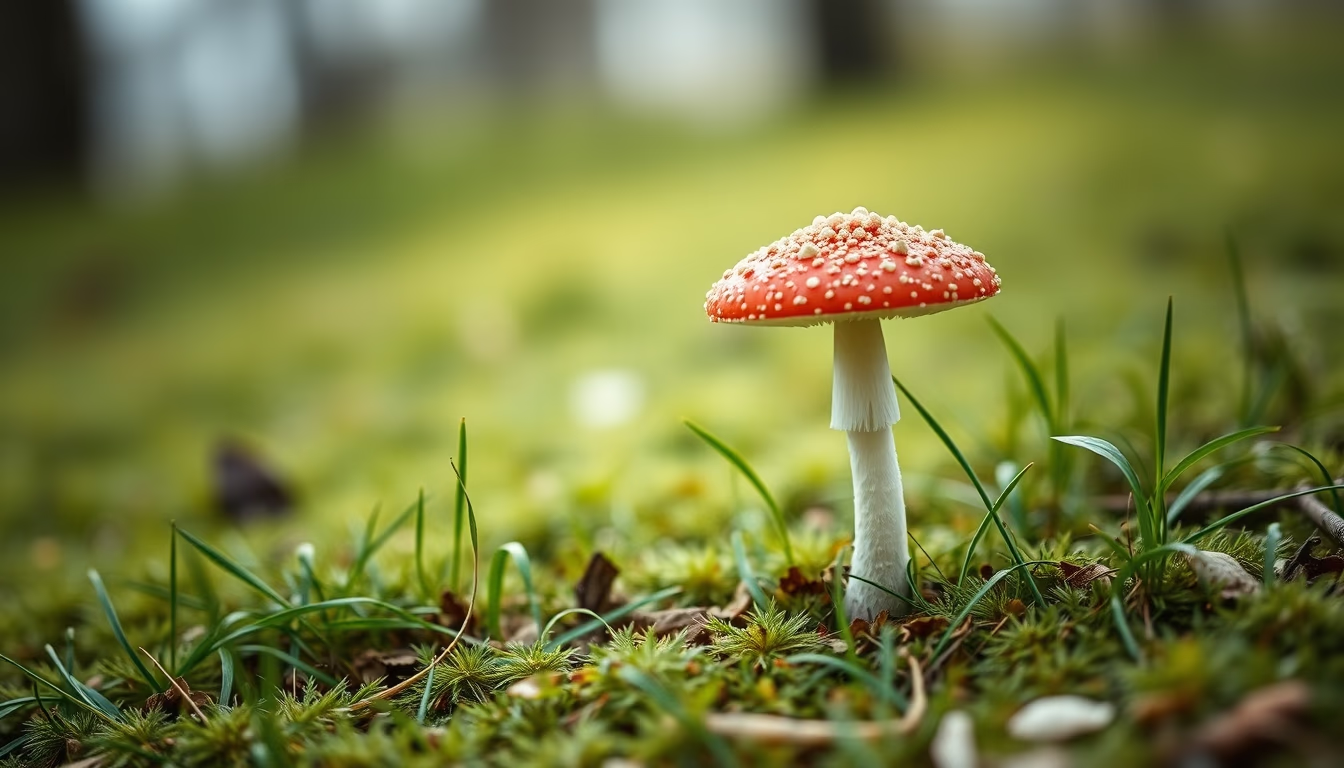
Puffballs are fungi that release clouds of spores when mature, a fascinating dispersal process occurring in fields and forests worldwide.
About this subject
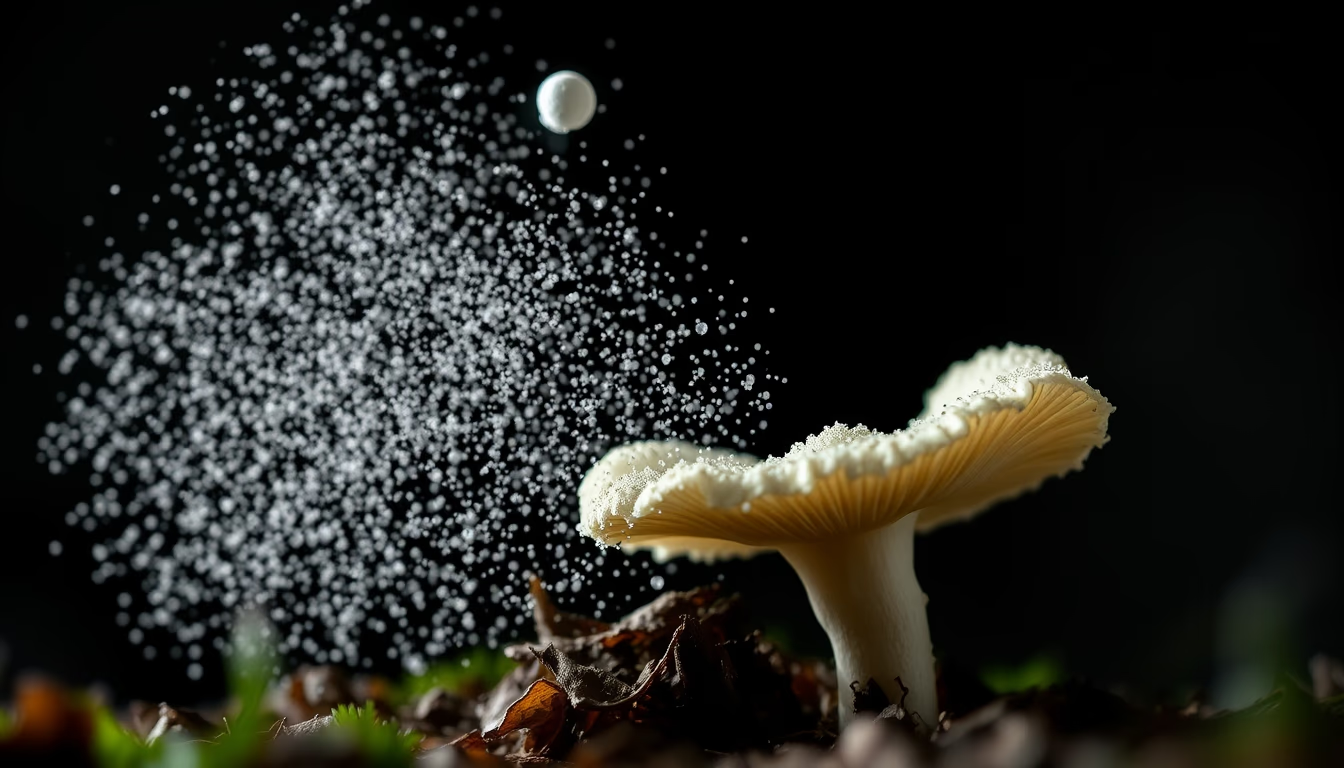
Puffballs belong to the phylum Basidiomycota and include genera such as Calvatia, Lycoperdon, and Bovista. Unlike typical mushrooms, they lack a visible stem or cap at maturity. The fruiting body is a spherical structure that, upon drying, forms an opening at the top. When pressed by raindrops or animal contact, the puffball releases a cloud of spores, ensuring fungal reproduction.
Spore release in puffballs is an example of passive dispersal and forced sporulation. The interior consists of a powdery gleba containing millions of spores. External pressure ruptures the wall, ejecting spores in jets. A single puffball can release up to one trillion spores. This strategy increases the chance of colonizing new substrates, such as organic-rich soils.
Ecologically, puffballs are saprobes, decomposing organic matter and cycling nutrients. Some are edible when young, like Lycoperdon perlatum, but others may be toxic. In folk medicine, puffball spores were used as a hemostatic on wounds. Additionally, Calvatia gigantea can reach up to 70 cm in diameter, making it one of the largest mushrooms in the world.
Interestingly, puffball dispersal has inspired materials engineering for controlled-release systems. In popular culture, they are called 'smoke mushrooms' or 'wolf's smoke'. Their life cycle typically occurs in autumn in open areas. The touch sensitivity and explosive release make puffballs subjects of interest in fungal biomechanics studies.
Frequently Asked Questions
What are puffballs?
Puffballs are fungi in the phylum Basidiomycota, characterized by spherical fruiting bodies that release spores in clouds when mature.
How do puffballs release spores?
When mature, the dried interior becomes a powdery gleba of spores. When pressed by rain or animals, the wall ruptures and spores are ejected.
Are puffballs edible?
Some young puffballs are edible, such as Lycoperdon perlatum, but proper identification is crucial as some species may be toxic.
Direct URL
https://pub-c7d6a6ea828543ac903a74a341ccb2e1.r2.dev/imagens/puffball-spore-release-documentary-photography-p5.avifHow to credit
Include a visible link back to UtilizAí. Copy one of the snippets below:
<a href="https://xn--utiliza-eza.com/en/midia/imagens/puffball-spore-release-documentary-photography-p5">Puffball spore release</a> by <a href="https://xn--utiliza-eza.com">UtilizAí</a>, licensed under <a href="https://creativecommons.org/licenses/by/4.0/">CC BY 4.0</a>.
[Puffball spore release](https://xn--utiliza-eza.com/en/midia/imagens/puffball-spore-release-documentary-photography-p5) by [UtilizAí](https://xn--utiliza-eza.com), CC BY 4.0
License: CC-BY-4.0