Pricing tier comparison
1344×768 · AVIF · CC BY 4.0
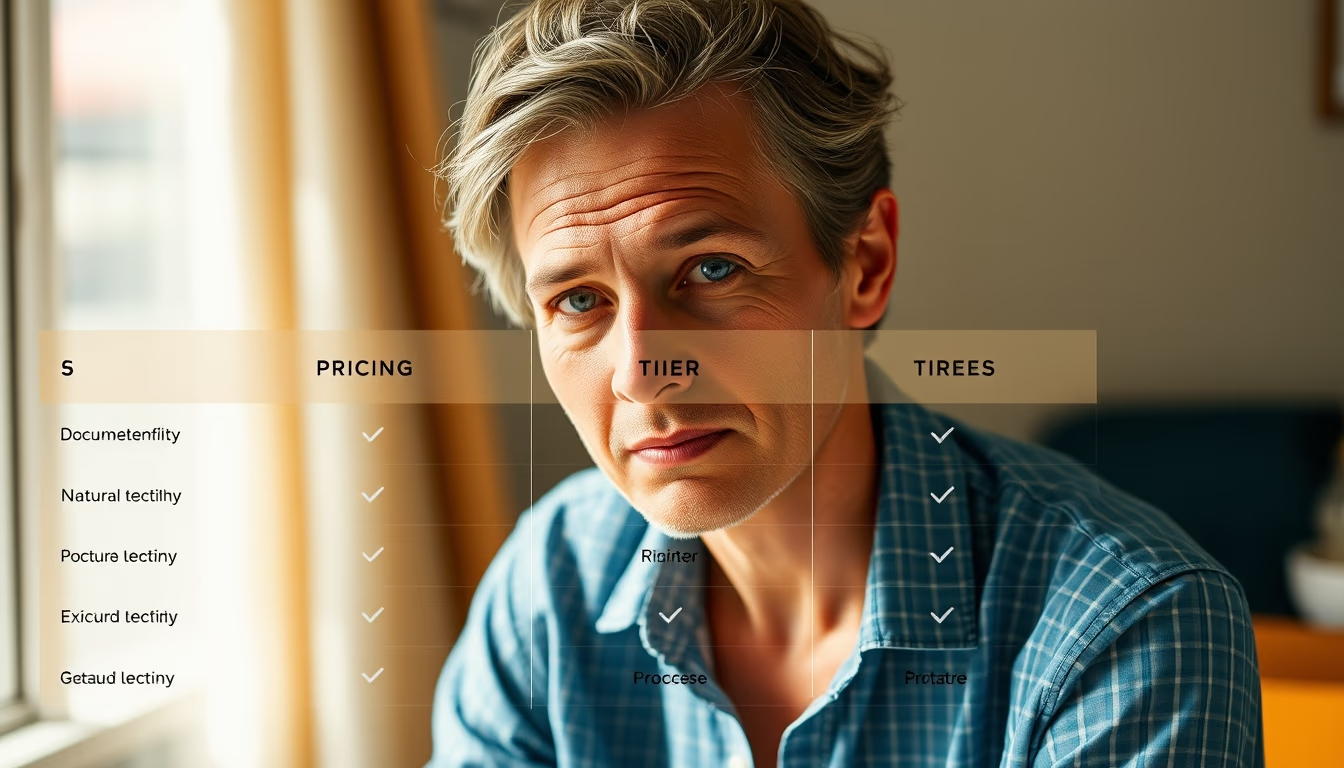
Compare SaaS pricing tiers for documentary photography platforms: features, storage limits, and scalability. Understand free vs paid plans.
About this subject
Pricing tier comparison is a common practice in SaaS platforms to offer options that meet different needs and budgets. In the context of documentary photography, these tiers typically range from free plans with basic features to enterprise plans with unlimited storage, AI tools, and priority support. Transparency in tier comparison is crucial for independent photographers or agencies to choose the plan that best fits their workflow, whether for archiving, collaborative editing, or client distribution.
Tiers are usually divided into categories like Free, Basic, Professional, and Enterprise. Free plans often have storage limits (e.g., 5 GB), reduced features, and watermarks. Paid plans offer more space, watermark removal, engagement analytics, and integrations with other tools. In documentary photography, storage capacity is a key factor, as long-term projects generate large volumes of RAW files and metadata. Features like automatic facial recognition and geolocation are often exclusive to higher tiers.
The ideal tier depends on factors such as the number of active clients, production frequency, and team collaboration needs. Documentary photographers working with NGOs or news outlets may prioritize plans with flexible licensing and high-resolution export. For freelancers, an intermediate tier with 1 TB storage and basic curation tools might suffice. By 2026, tiers are expected to incorporate usage-based pricing (storage consumption or upload count) and generative AI for automatic captioning, making comparison even more strategic for budgeting.
Finally, check if the platform offers free trials for paid tiers to evaluate performance before purchasing. Some companies provide annual discounts or plans for students and nonprofits. Detailed documentation of each tier, with comparison tables and FAQs, helps avoid surprises with additional charges such as overage fees or extra user costs.
Frequently Asked Questions
How do free plans differ from paid ones in documentary photography SaaS platforms?
Free plans typically offer limited storage (5, 10 GB), basic features, and watermarked images. Paid plans provide larger capacity, watermark removal, AI tools, priority support, and integrations with editing software.
What factors should I consider when comparing pricing tiers for my documentary work?
Consider the storage volume needed (number of projects and file resolution), number of active clients, team collaboration needs, AI features (like scene recognition), and additional costs for overage or extra users.
Are there hidden costs in SaaS subscription plans?
Possible hidden costs include overage fees for exceeding storage, charges per additional user, bandwidth limits for sharing, and costs for watermark removal on lower tiers. Read terms of service and detailed comparison tables to avoid them.
Direct URL
https://pub-c7d6a6ea828543ac903a74a341ccb2e1.r2.dev/imagens/pricing-tier-comparison-documentary-photography-p2.avifHow to credit
Include a visible link back to UtilizAí. Copy one of the snippets below:
<a href="https://xn--utiliza-eza.com/en/midia/imagens/pricing-tier-comparison-documentary-photography-p2">Pricing tier comparison</a> by <a href="https://xn--utiliza-eza.com">UtilizAí</a>, licensed under <a href="https://creativecommons.org/licenses/by/4.0/">CC BY 4.0</a>.
[Pricing tier comparison](https://xn--utiliza-eza.com/en/midia/imagens/pricing-tier-comparison-documentary-photography-p2) by [UtilizAí](https://xn--utiliza-eza.com), CC BY 4.0
License: CC-BY-4.0