Porcini mushroom italian
1344×768 · AVIF · CC BY 4.0

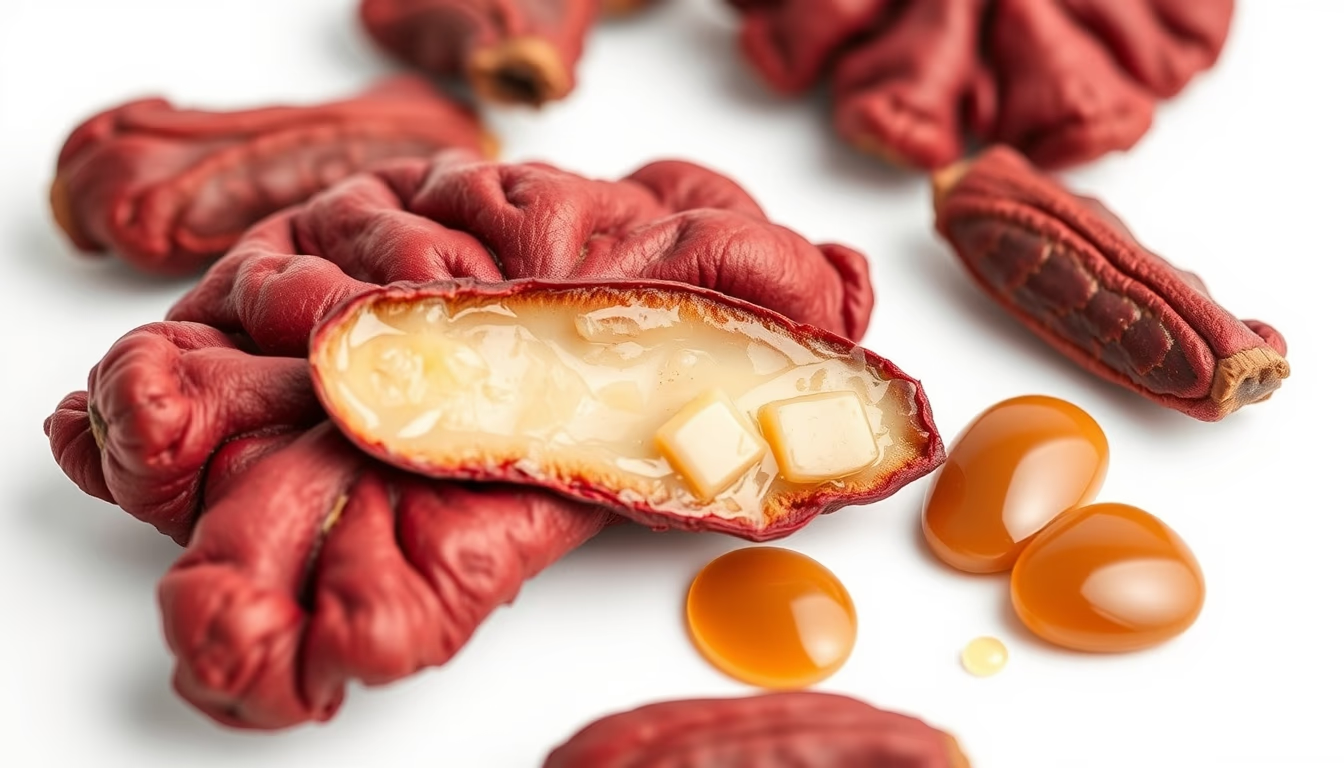
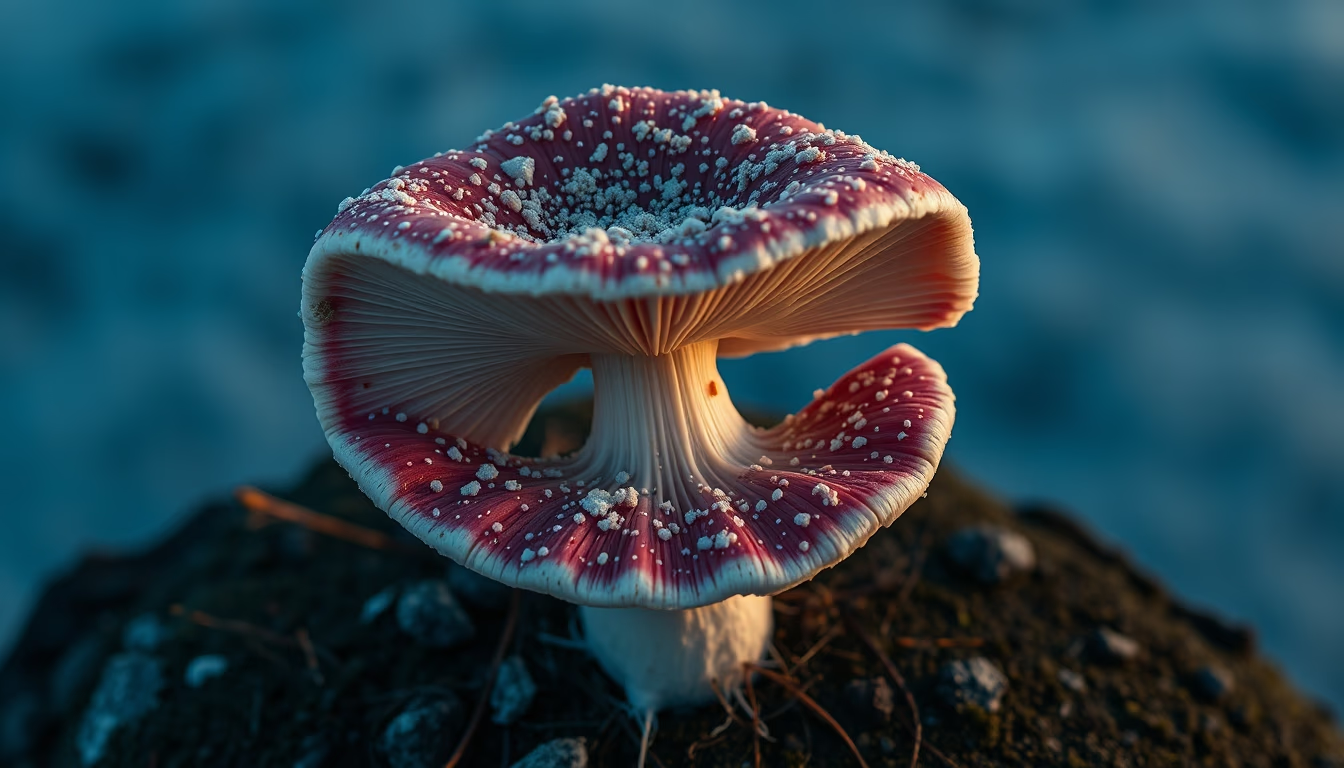
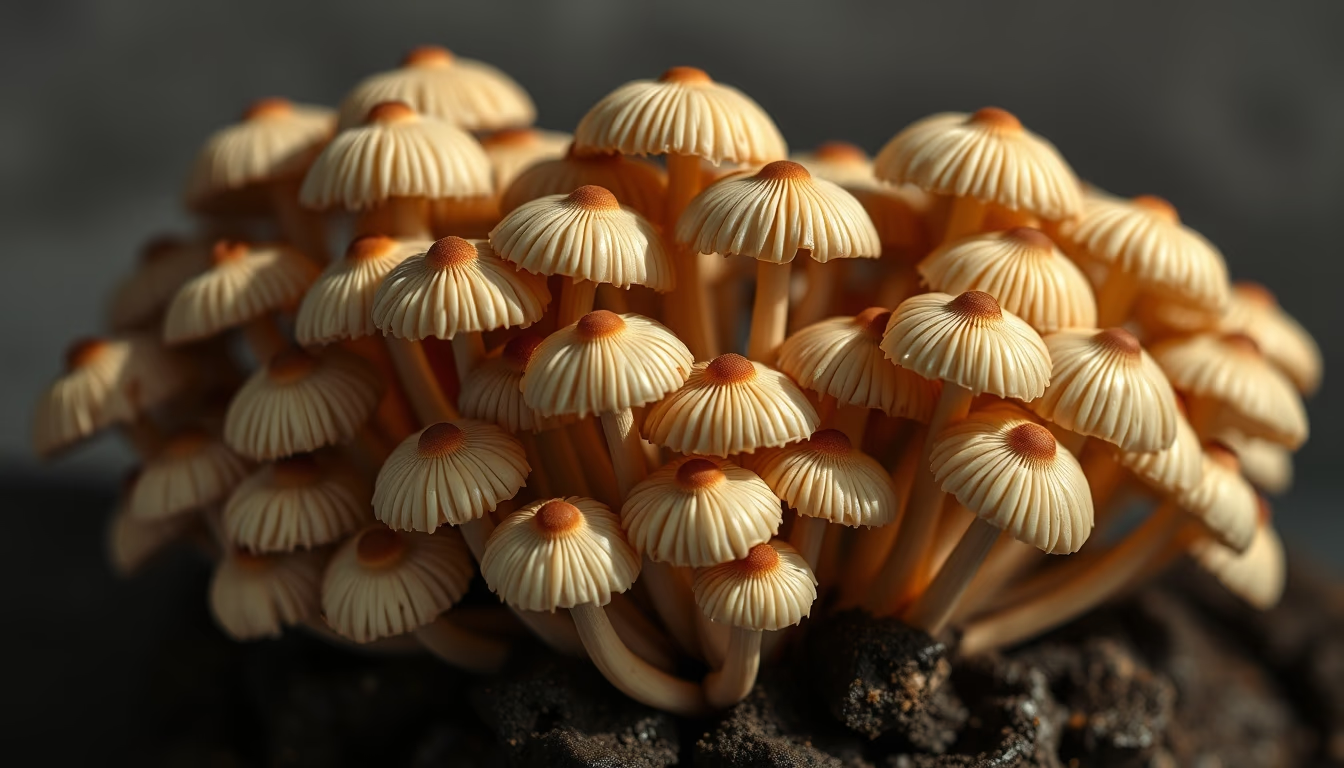
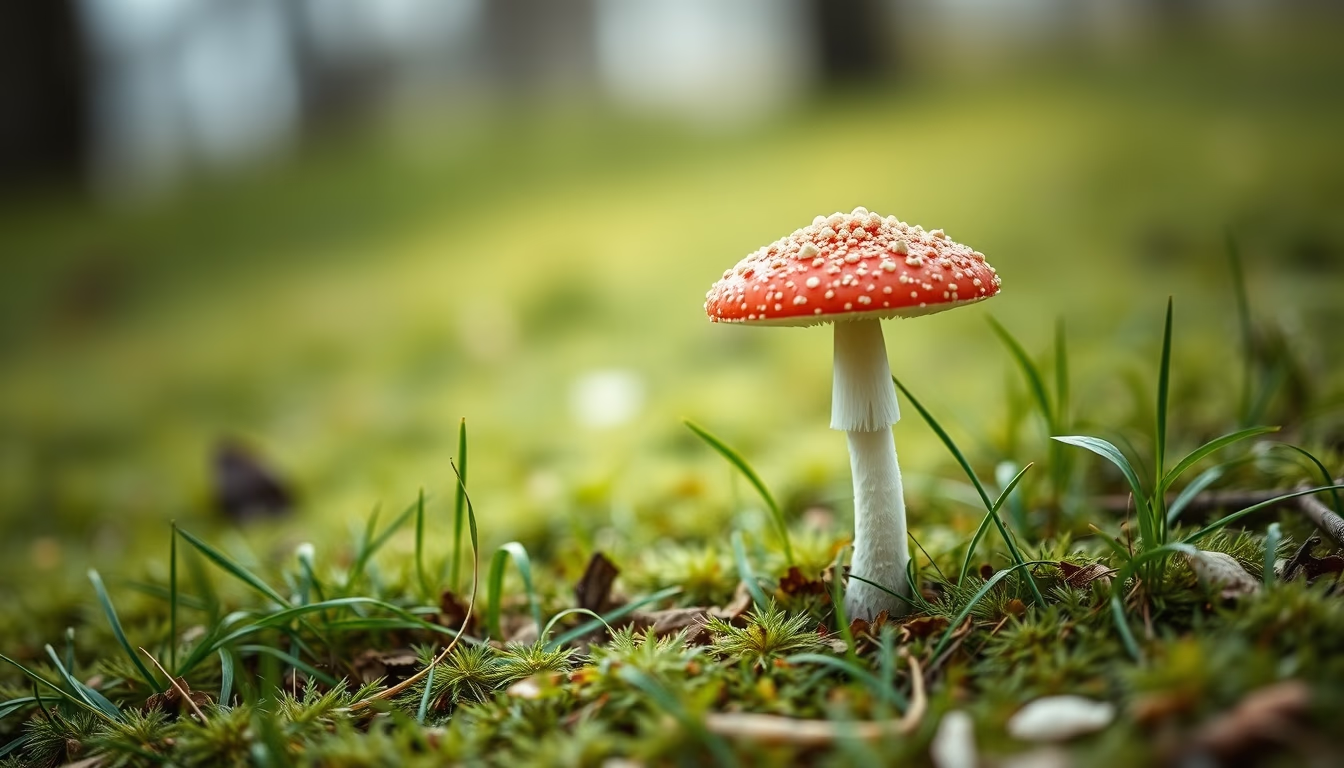
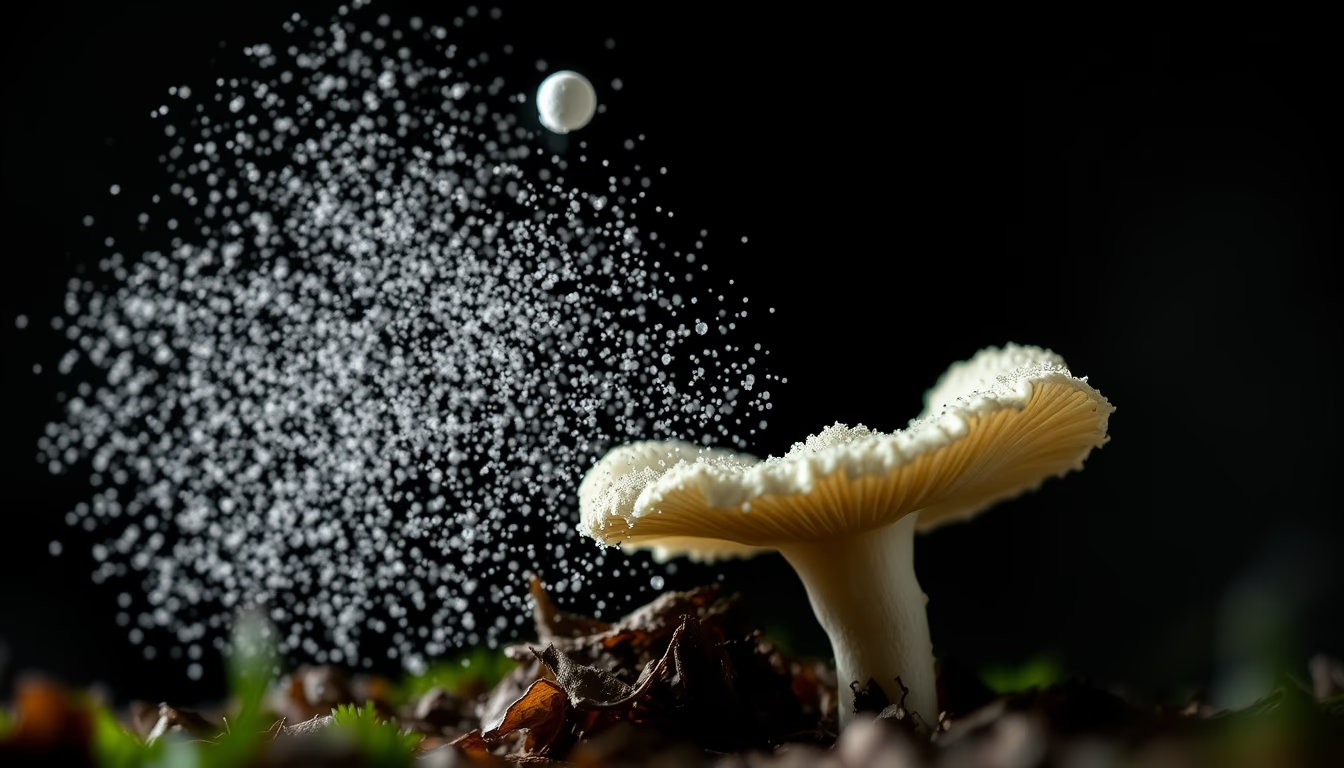
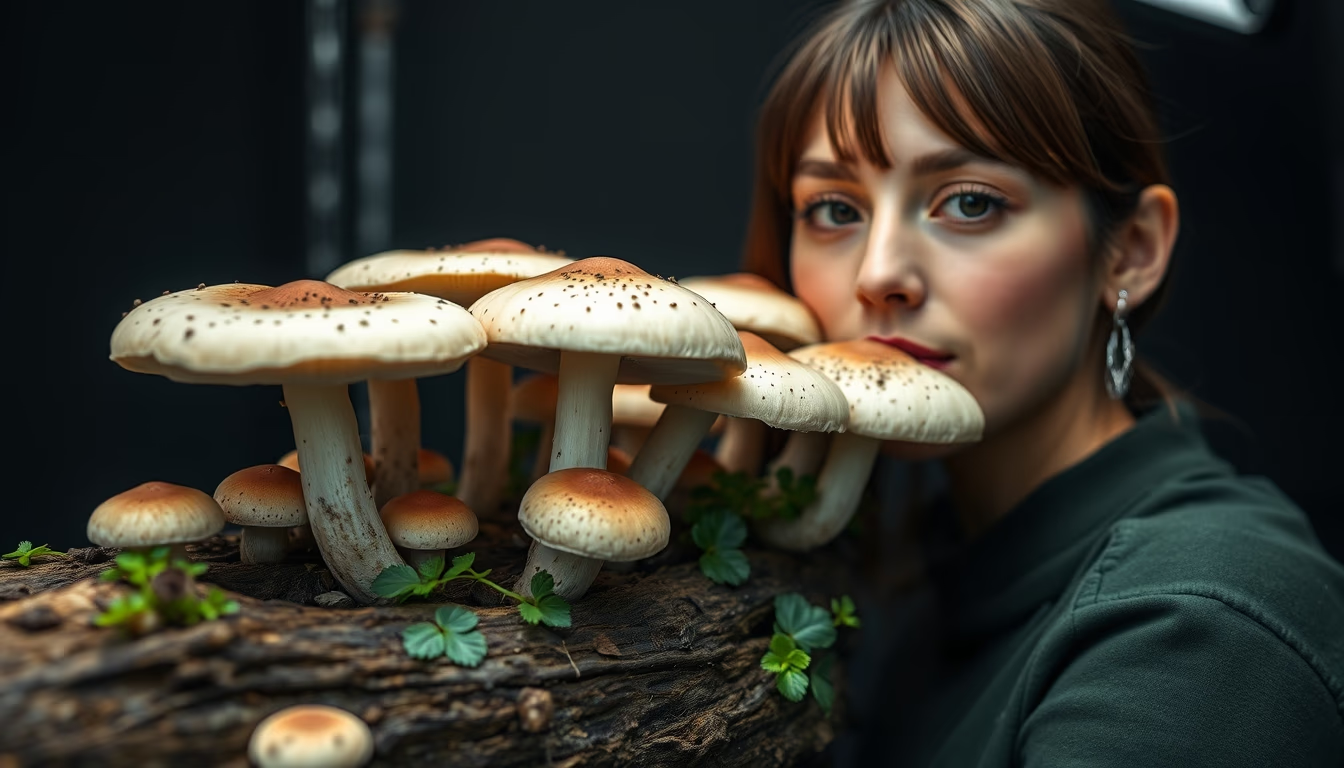
Porcini (Boletus edulis) is a highly prized wild mushroom in Italian cuisine, known for its earthy flavor and meaty texture, foraged in oak and chestnut forests during autumn.
About this subject
Porcini, also known as Boletus edulis, is one of the world's most prized mushrooms, especially in Italy, where it is celebrated for its intense aroma and nutty, earthy flavor. Belonging to the Boletaceae family, it is distinguished by its brown cap and white or yellowish pores on the underside, rather than gills. It grows in symbiosis with tree roots like oak, chestnut, and pine, in mountainous regions of Tuscany, Piedmont, and Trentino-Alto Adige.
In Italian cuisine, porcini is a star ingredient in dishes such as risotto ai funghi, tagliatelle with mushroom sauce, creamy polenta, and bruschettas. Its firm texture and ability to absorb flavors make it ideal for sautéing and roasting. Fresh porcini mushrooms are highly perishable, so they are often dried for later use, which concentrates their flavor. Their commercial value is high, costing dozens of euros per kilogram during harvest season.
Foraging porcini is a deeply rooted tradition in Italian culture. Many families head to the forest from September to November, equipped with wicker baskets to allow spore dispersal. Correctly identifying Boletus edulis is crucial, as there are similar toxic mushrooms, such as Boletus satanas, which has reddish pores. Experienced foragers teach to observe cap color, pore pattern, and the characteristic sweet smell. Porcini festivals take place in several Italian towns, like Borgotaro and Città di Castello, bringing together chefs and enthusiasts to celebrate this forest treasure.
Beyond flavor, porcini has nutritional value: it is rich in protein, fiber, and minerals like selenium and potassium, and contains antioxidants. Studies suggest it helps boost the immune system. However, as a bioaccumulator, it should be foraged in unpolluted areas. Italy exports large quantities of dried porcini worldwide, making it an accessible ingredient for international chefs.
Frequently Asked Questions
How to distinguish porcini from poisonous mushrooms?
True porcini (Boletus edulis) has a uniform brown cap and white or yellowish pores that do not bruise blue. Avoid mushrooms with reddish pores or that turn blue when cut, like the toxic Boletus satanas.
What is the best season to forage porcini in Italy?
The ideal season is autumn, mainly from September to November, after rains followed by mild days. There can also be a smaller spring harvest.
Which famous Italian dishes use porcini?
The most classic are risotto ai porcini, tagliatelle with mushroom sauce, creamy polenta with sautéed porcini, and fettuccine al tartufo (often combining porcini with truffle).
Direct URL
https://pub-c7d6a6ea828543ac903a74a341ccb2e1.r2.dev/imagens/porcini-mushroom-italian-travel-photography-p0.avifHow to credit
Include a visible link back to UtilizAí. Copy one of the snippets below:
<a href="https://xn--utiliza-eza.com/en/midia/imagens/porcini-mushroom-italian-travel-photography-p0">Porcini mushroom italian</a> by <a href="https://xn--utiliza-eza.com">UtilizAí</a>, licensed under <a href="https://creativecommons.org/licenses/by/4.0/">CC BY 4.0</a>.
[Porcini mushroom italian](https://xn--utiliza-eza.com/en/midia/imagens/porcini-mushroom-italian-travel-photography-p0) by [UtilizAí](https://xn--utiliza-eza.com), CC BY 4.0
License: CC-BY-4.0