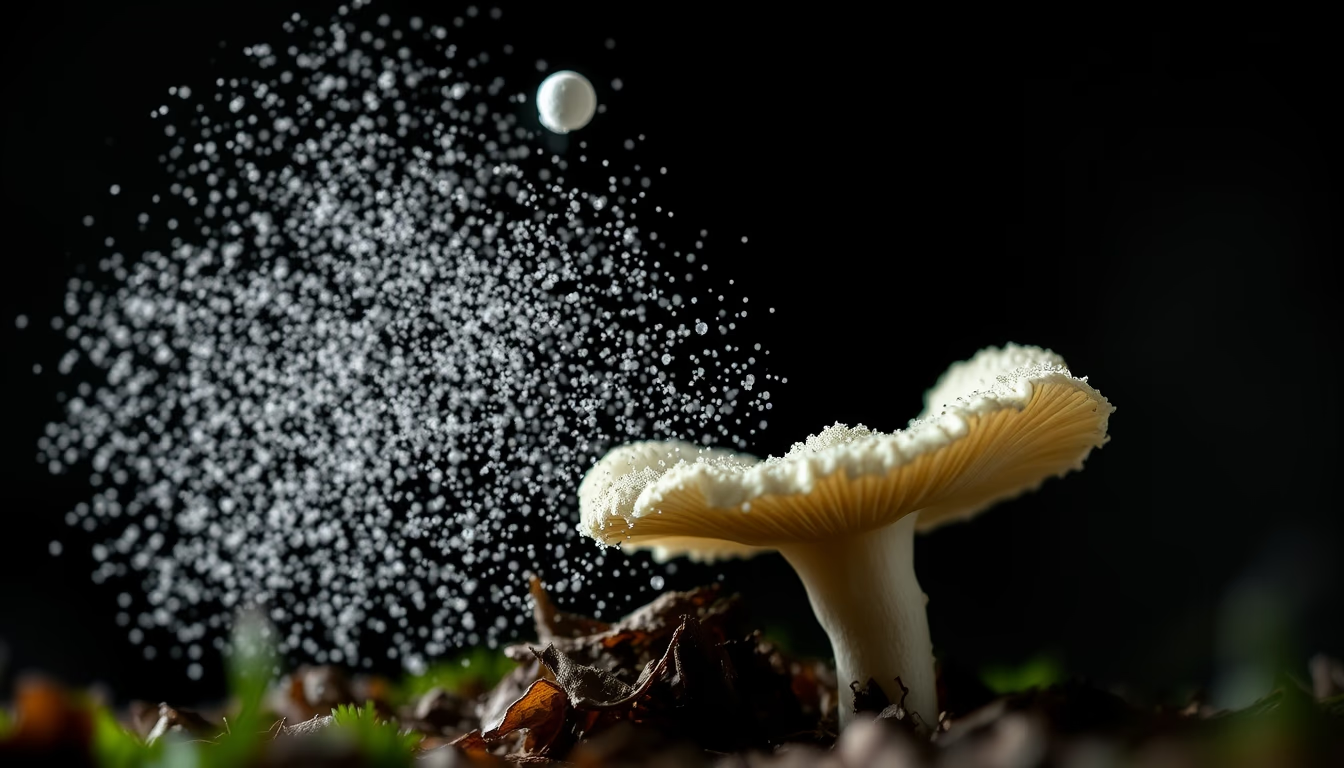
Porcini mushroom italian
1344×768 · AVIF · CC BY 4.0
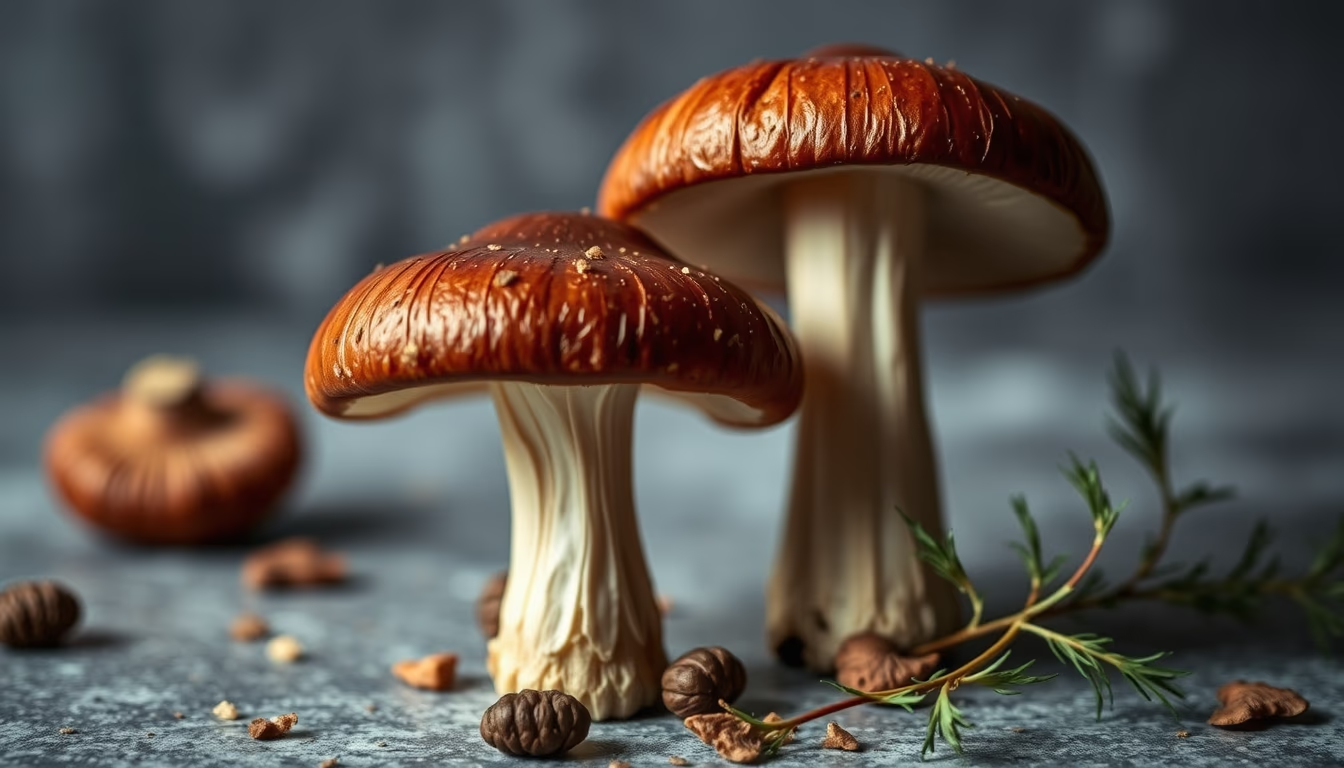
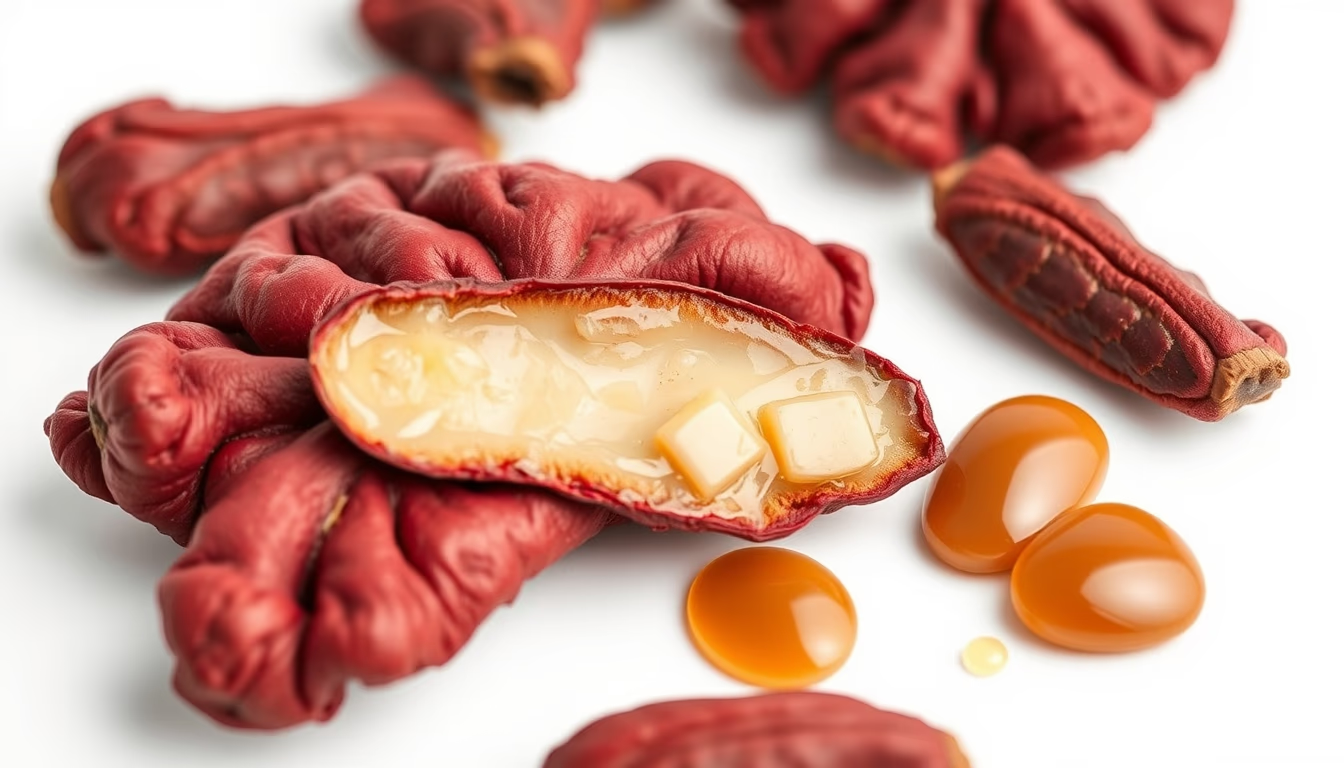
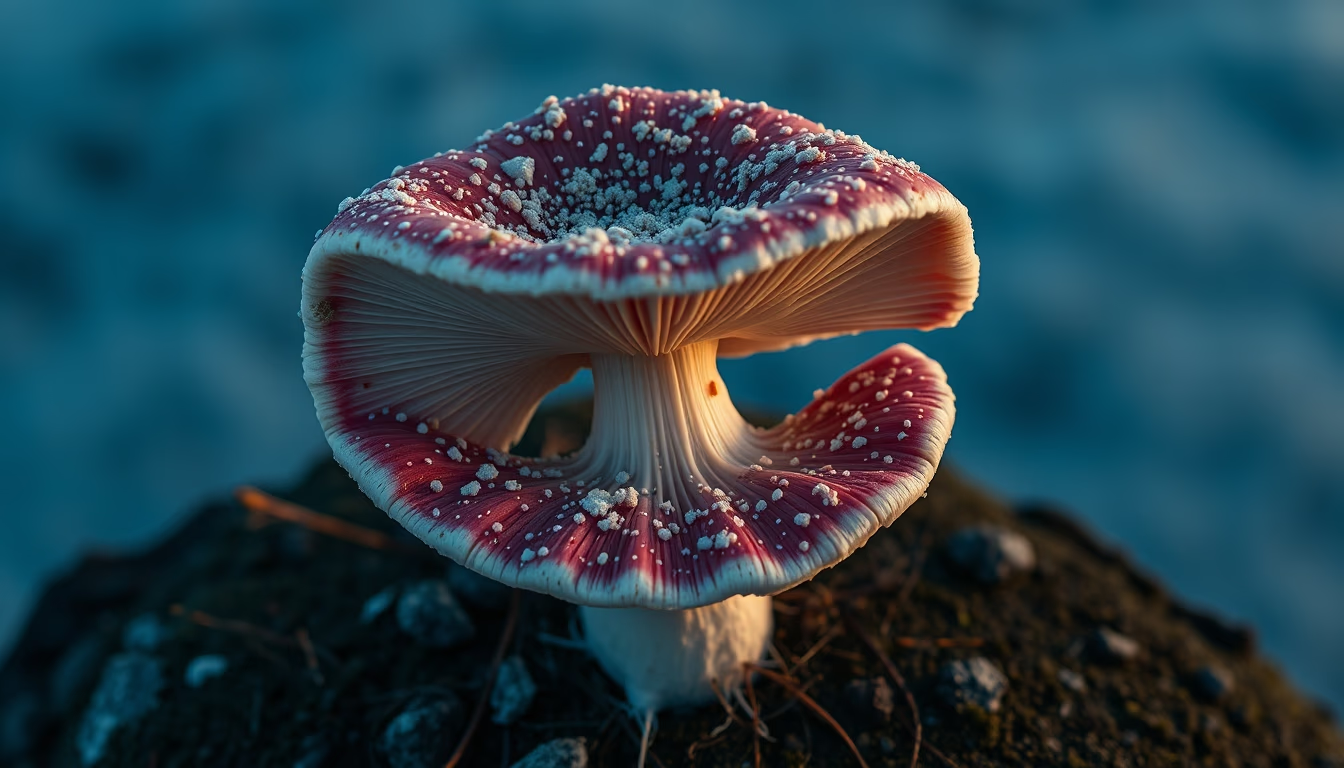
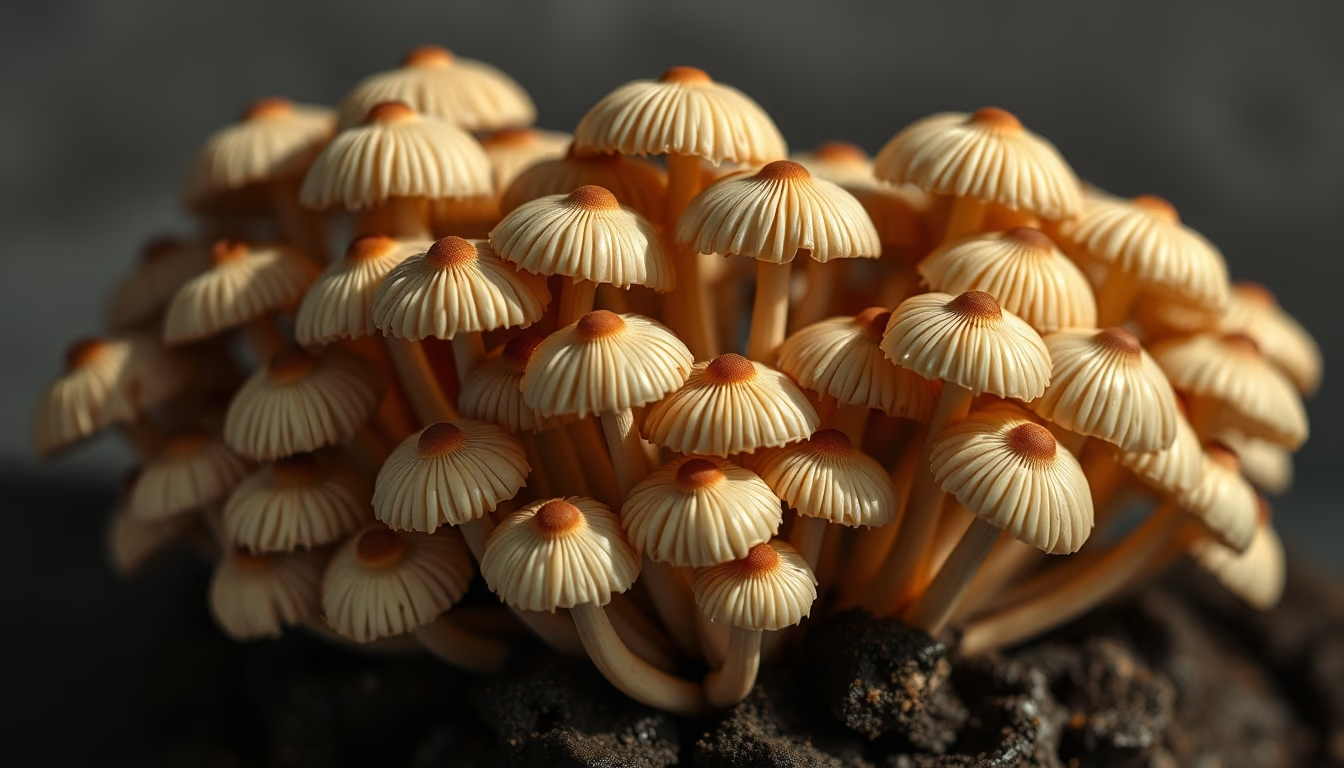
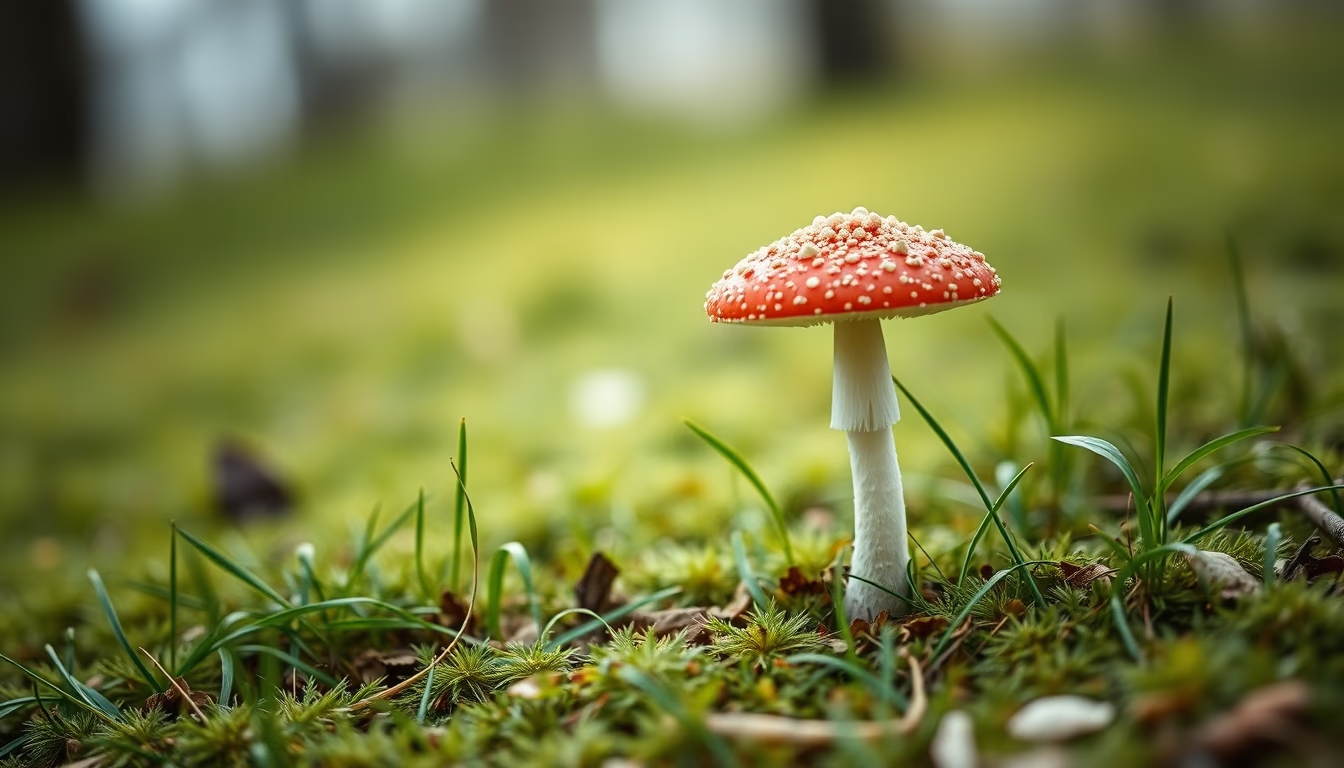
The porcini mushroom (Boletus edulis) is one of the most prized fungi in Italian cuisine, valued for its earthy flavor and firm texture.
About this subject
Porcini (Boletus edulis), also known as cèpe or penny bun, is a wild mushroom that grows symbiotically with tree roots such as oak, chestnut, and pine. It naturally occurs in autumn and early winter, particularly in mountainous areas of Italy, with Piedmont and Tuscany being famous for their yield. Its velvety brown cap and stout, whitish stem are distinctive features.
In Italian cuisine, porcini is a star ingredient. Fresh, it is sliced and sautéed with butter and garlic, or used in risottos, pasta, and sauces. Dried, it intensifies the flavor of broths and soups. Its flesh is dense and aromatic, with nutty and earthy notes. Italians also preserve it in olive oil as an antipasto.
Foraging for porcini is a cultural tradition in Italy, passed down through generations. In autumn, families head to woodlands in search of these mushrooms, which fetch high prices at local markets. The hunt requires knowledge to avoid toxic look-alikes, such as the bitter bolete (Tylopilus felleus). True porcini is not commercially cultivated, which adds to its value.
Nutritionally, porcini is rich in protein, fiber, B vitamins, and minerals like potassium and phosphorus. It also contains antioxidants that support cellular health. For Italians, porcini represents the excellence of rural simplicity: a food that connects humans to nature and regional culinary tradition.
Frequently Asked Questions
What is the best season to harvest porcini?
The best season to harvest porcini in Italy is from September to November, after rains followed by mild temperatures. However, the season can vary by altitude and region.
How to differentiate true porcini from toxic mushrooms?
True porcini has a velvety brown cap, white or yellowish pores that do not change color when touched, and firm, pale flesh. The false porcini (Tylopilus felleus) has pinkish pores and a bitter taste. Always consult an expert.
Why is porcini so highly valued in Italian cuisine?
Porcini is valued for its intense, earthy flavor, meaty texture, and versatility. Since it is not commercially cultivated, its hand-harvested nature and seasonality make it a rare and prestigious ingredient.
Direct URL
https://pub-c7d6a6ea828543ac903a74a341ccb2e1.r2.dev/imagens/porcini-mushroom-italian-high-fashion-editorial-p2.avifHow to credit
Include a visible link back to UtilizAí. Copy one of the snippets below:
<a href="https://xn--utiliza-eza.com/en/midia/imagens/porcini-mushroom-italian-high-fashion-editorial-p2">Porcini mushroom italian</a> by <a href="https://xn--utiliza-eza.com">UtilizAí</a>, licensed under <a href="https://creativecommons.org/licenses/by/4.0/">CC BY 4.0</a>.
[Porcini mushroom italian](https://xn--utiliza-eza.com/en/midia/imagens/porcini-mushroom-italian-high-fashion-editorial-p2) by [UtilizAí](https://xn--utiliza-eza.com), CC BY 4.0
License: CC-BY-4.0