Pirate ship reconstruction
1344×768 · AVIF · CC BY 4.0
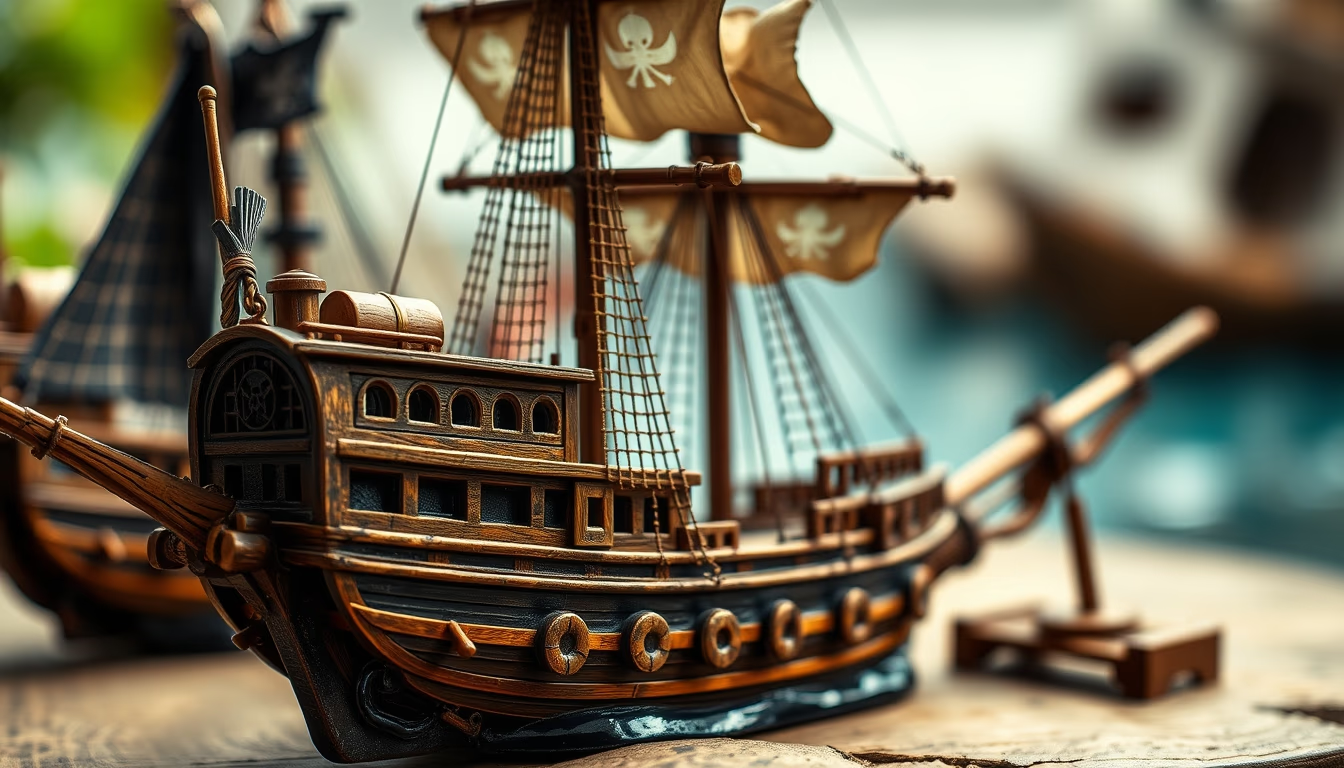
Historical pirate ship reconstruction, combining shipbuilding techniques with archaeological research to recreate 17th-century vessels.
About this subject
The reconstruction of historical pirate ships is a fascinating field that combines nautical archaeology, history, and traditional craftsmanship. Vessels like the famous Spanish galleon or 17th-century English frigate are meticulously recreated based on period documents, paintings, and underwater wrecks. A notable example is the partial reconstruction of the Whydah Gally, Captain Sam Bellamy's ship that sank in 1717 and was discovered in 1984. Its replica at the Whydah Pirate Museum in Massachusetts features original artifacts and hand-carved wooden structures, following period techniques.
These projects require years of research and partnerships with universities and maritime museums. Specialized shipwrights use woods like oak and teak, replicating joinery and caulking methods. The high bow and ornate stern typical of pirate ships are restored based on engravings from the era. Beyond historical value, replicas serve as floating museums and film sets, such as the vessels used in Pirates of the Caribbean.
Interestingly, many reconstructions are done at reduced scale for dioramas or theme parks, like the tilt-shift model that inspired this image. The tilt-shift technique, which simulates miniature scenery, highlights the details of carpentry and sails, offering a playful perspective on the reconstruction process. These models are also used in documentaries to illustrate the evolution of warships.
The cultural impact of these recreations extends beyond tourism: they help preserve nautical knowledge and correct popular myths about piracy. For instance, contrary to common belief, most pirate ships did not have black sails but rather canvas sails dyed with tallow. Scientific reconstruction allows the public to understand what life was like on board, with its hierarchies and routines.
Frequently Asked Questions
How are historical pirate ships reconstructed?
Reconstruction relies on archaeological research of wrecks, period documents, and paintings. Shipwrights use traditional woods and historical joinery and caulking techniques to recreate the original structure.
Are there actual sailing replicas of pirate ships?
Yes, examples include the Whydah (displayed in a museum) and the Götheborg, a replica of a Swedish galleon. Many sail at historical events, though not all are specific pirate replicas.
What is the importance of miniature models in reconstruction?
Scale models, such as those made with tilt-shift technique, allow detailed visualization of construction and testing of historical hypotheses. They are also educational tools and museum displays.
Direct URL
https://pub-c7d6a6ea828543ac903a74a341ccb2e1.r2.dev/imagens/pirate-ship-reconstruction-tilt-shift-miniature-p10.avifHow to credit
Include a visible link back to UtilizAí. Copy one of the snippets below:
<a href="https://xn--utiliza-eza.com/en/midia/imagens/pirate-ship-reconstruction-tilt-shift-miniature-p10">Pirate ship reconstruction</a> by <a href="https://xn--utiliza-eza.com">UtilizAí</a>, licensed under <a href="https://creativecommons.org/licenses/by/4.0/">CC BY 4.0</a>.
[Pirate ship reconstruction](https://xn--utiliza-eza.com/en/midia/imagens/pirate-ship-reconstruction-tilt-shift-miniature-p10) by [UtilizAí](https://xn--utiliza-eza.com), CC BY 4.0
License: CC-BY-4.0