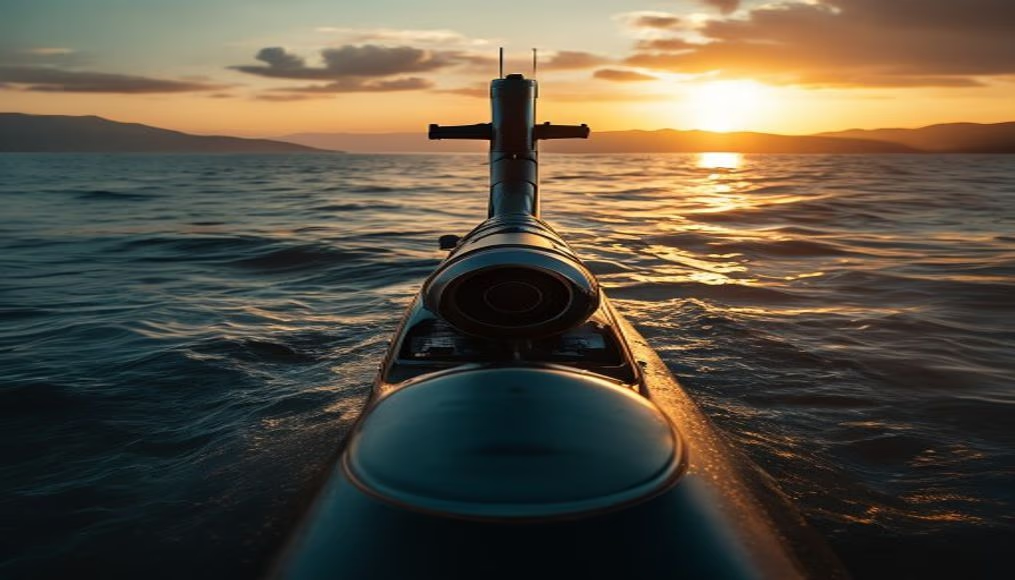
Pirate ship reconstruction
1344×768 · AVIF · CC BY 4.0

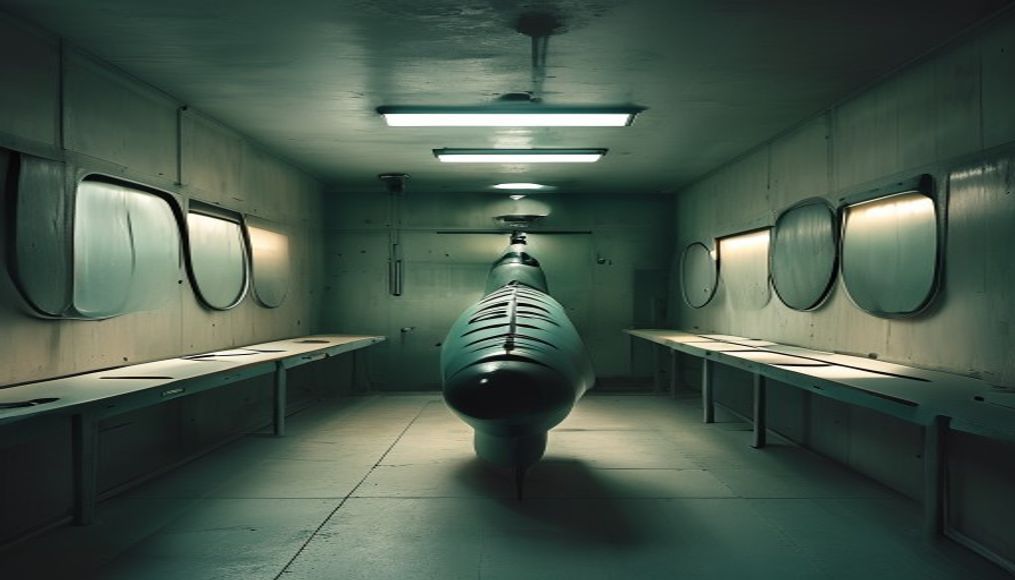
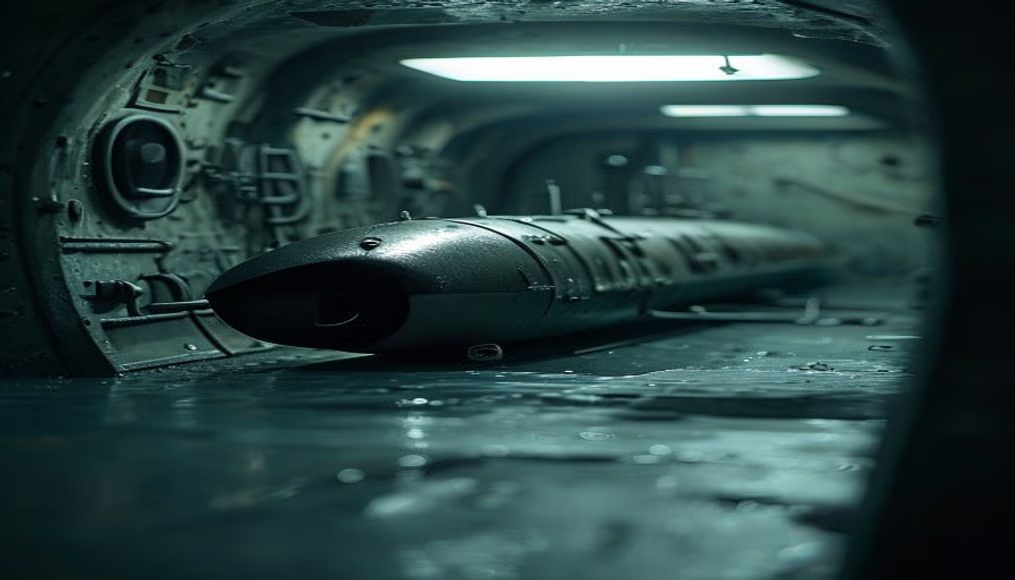
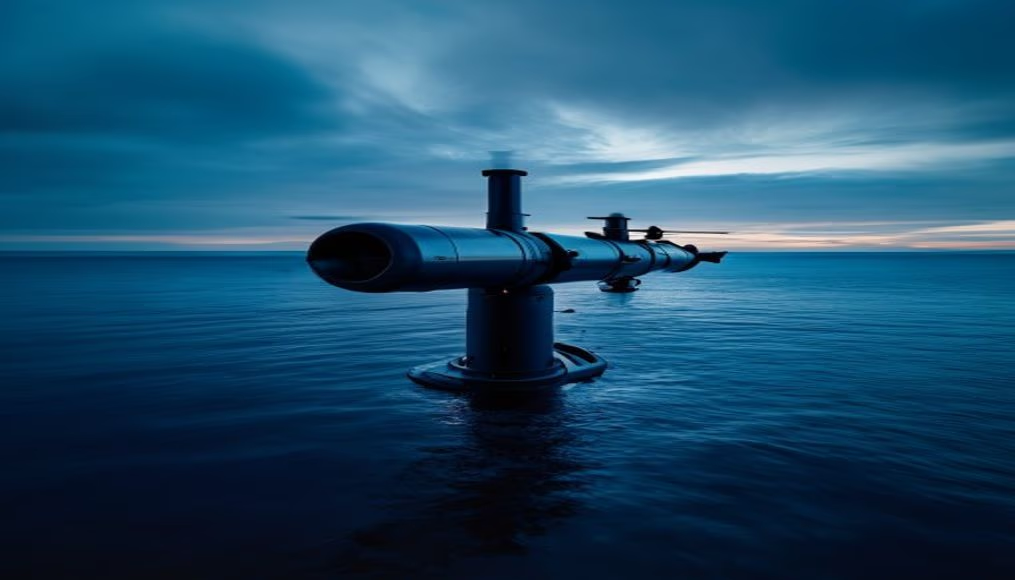
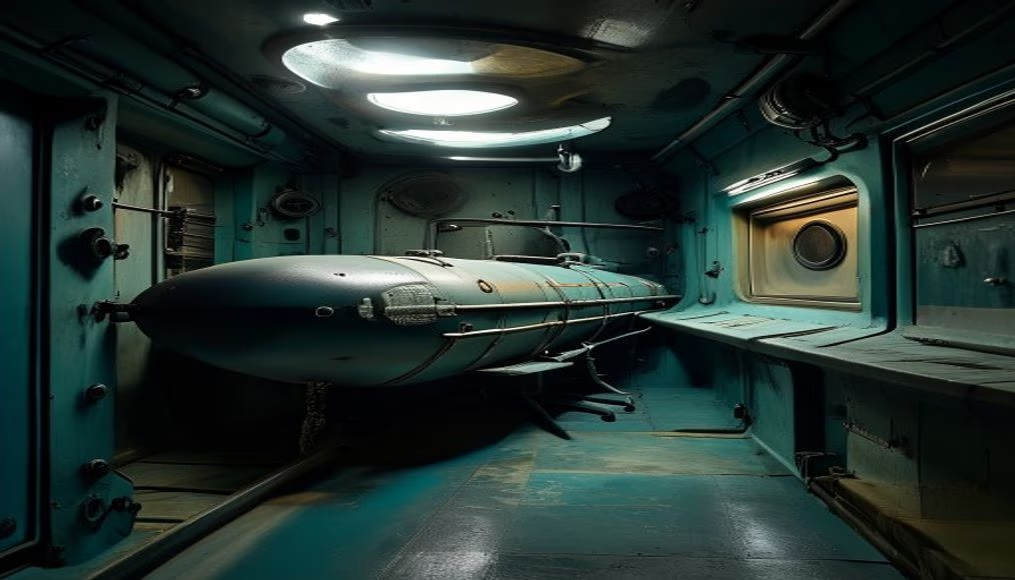
Pirate ship reconstruction blends nautical archaeology and traditional shipbuilding to recreate 17th and 18th century vessels.
About this subject
Pirate ship reconstruction is a fascinating field that merges maritime history, archaeology, and traditional shipbuilding. These projects aim to recreate authentic vessels from the golden age of piracy, between the 17th and 18th centuries, using historical sources such as period drawings, shipwreck accounts, and archaeological evidence. A notable example is the Queen Anne's Revenge, the ship of the infamous Blackbeard, whose wreck was discovered in 1996 off the coast of North Carolina. Reconstructing this vessel required years of research and the use of oak and pine wood, typical materials of the era.
Another iconic case is the Whydah Gally, the ship of pirate Samuel Bellamy, wrecked in 1717 off Cape Cod. Its discovery in 1984 led to the recovery of thousands of artifacts, and a full-scale replica was built for museum display. These reconstructions not only educate the public about pirate life but also test theories on navigation, combat, and logistics of the period. Builders often rely on traditional methods, such as adzes and handsaws, to ensure authenticity.
Cultural significance of these replicas goes beyond tourism. They serve as living laboratories for historians and archaeologists, allowing experiments on maneuvers, cargo capacity, and onboard living conditions. Some vessels, like the replica of Francis Drake's Golden Hind, were built to celebrate the quincentenary of circumnavigation. Historical accuracy is a constant challenge, as many construction details have been lost. Therefore, projects often involve specialized consultants and analysis of European archival documents.
Fun fact: the main mast of a typical pirate ship measured about 30 meters in height, requiring centuries-old trees. Constructing a replica can take 3 to 5 years and cost millions of dollars. In Brazil, a slave ship (not pirate) was reconstructed for the film "Corações Sujos", but the tradition of historical ship reconstruction is still nascent. Globally, projects like the Mayflower and Vasa have inspired pirate replicas, solidifying the field as a powerful tool for historical outreach.
Frequently Asked Questions
How are plans for reconstructing a pirate ship found?
Plans come from period drawings, shipyard manuscripts, and especially archaeological evidence from shipwrecks. Builders often consult European naval archives, such as those in the UK and France, which hold detailed records.
How long does it take to reconstruct a historical pirate ship?
The process can take 3 to 5 years, depending on complexity and resources. It includes historical research, wood preparation (which needs months of drying), manual cutting of pieces, and assembly.
Are these replicas seaworthy?
Yes, many are built to sail, meeting modern safety standards. Examples include replicas of HMS Bounty and Golden Hind, which have traveled the world. However, some remain in museums or ports as tourist attractions.
Direct URL
https://pub-c7d6a6ea828543ac903a74a341ccb2e1.r2.dev/imagens/pirate-ship-reconstruction-national-geographic-style-p1.avifHow to credit
Include a visible link back to UtilizAí. Copy one of the snippets below:
<a href="https://xn--utiliza-eza.com/en/midia/imagens/pirate-ship-reconstruction-national-geographic-style-p1">Pirate ship reconstruction</a> by <a href="https://xn--utiliza-eza.com">UtilizAí</a>, licensed under <a href="https://creativecommons.org/licenses/by/4.0/">CC BY 4.0</a>.
[Pirate ship reconstruction](https://xn--utiliza-eza.com/en/midia/imagens/pirate-ship-reconstruction-national-geographic-style-p1) by [UtilizAí](https://xn--utiliza-eza.com), CC BY 4.0
License: CC-BY-4.0