Pinball machine 1970s
1344×768 · AVIF · CC BY 4.0
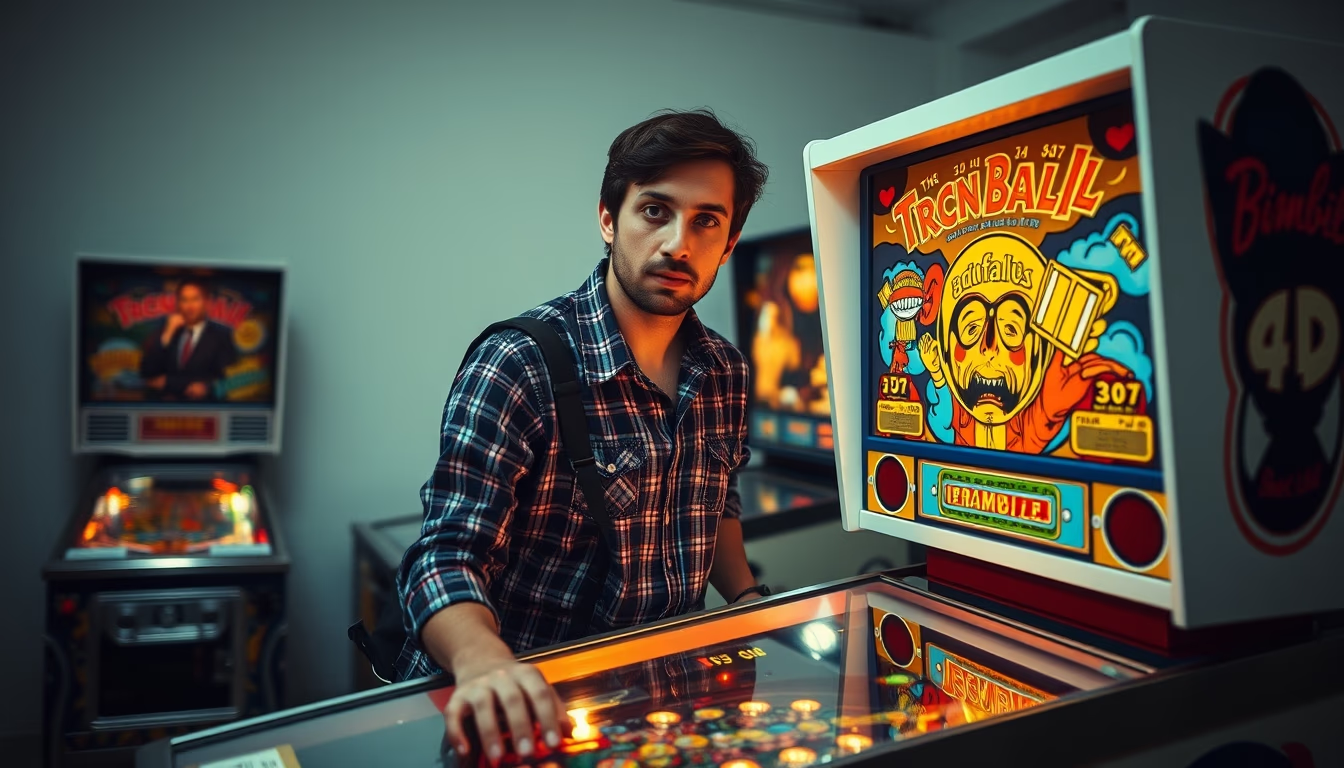
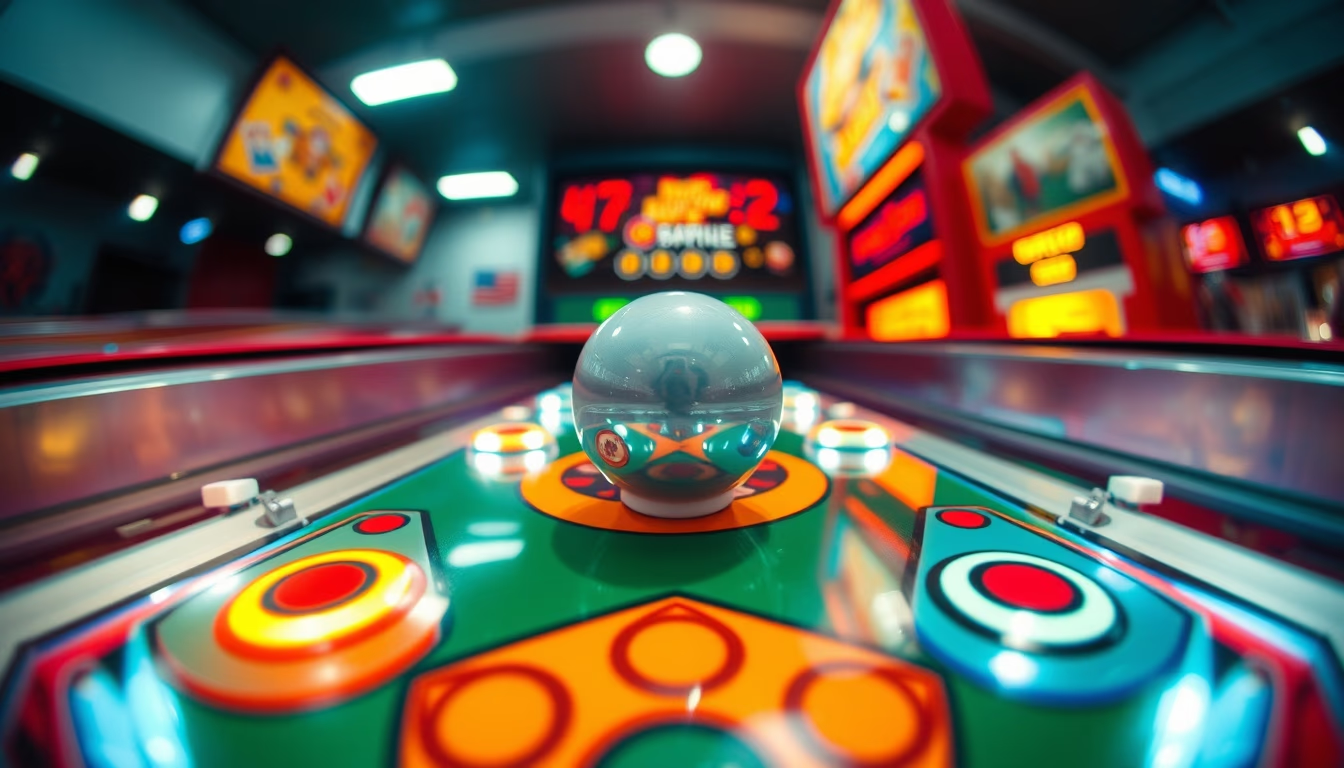
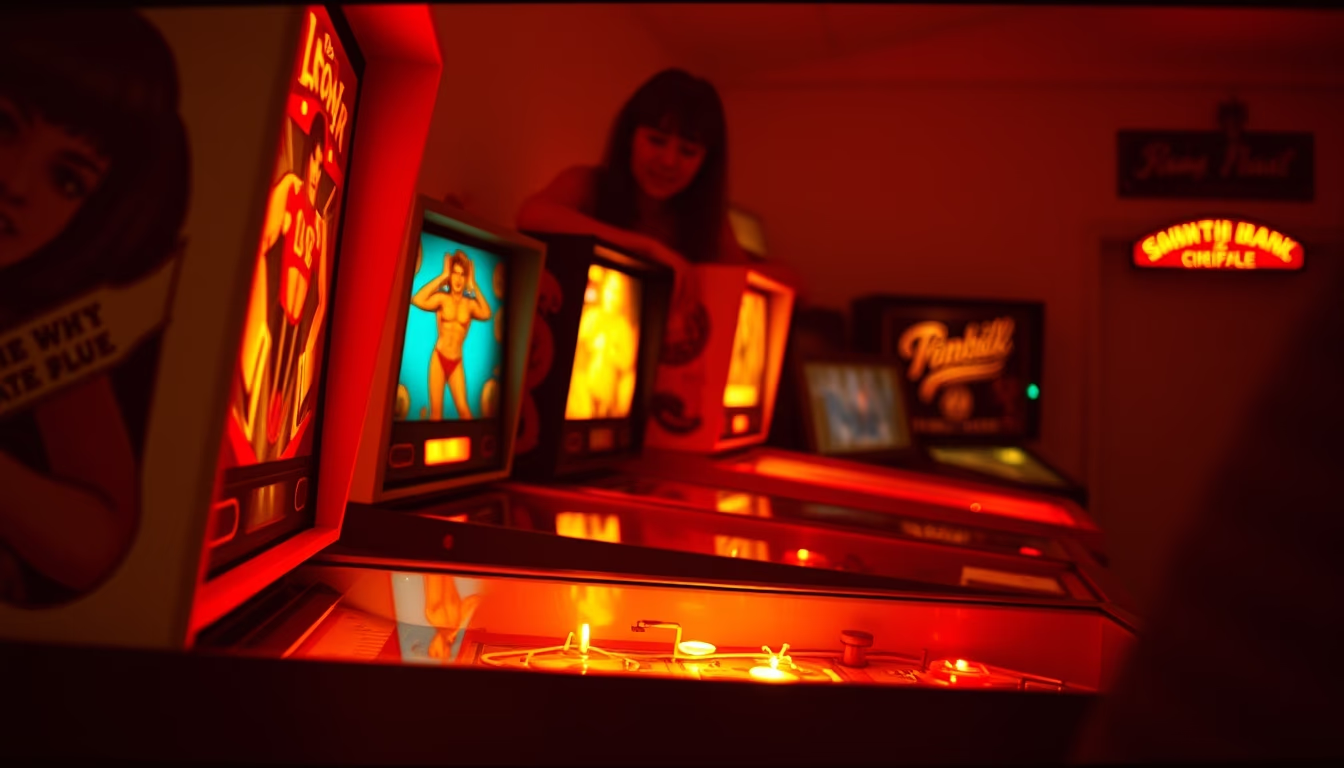
Pinball machines from the 1970s defined the golden age of arcades, merging electromechanical engineering with psychedelic art and increasingly complex gameplay.
About this subject
The 1970s represented the peak of electromechanical pinball machines. Manufacturers like Gottlieb, Bally, and Williams released hundreds of models, covering themes from sports to science fiction. These machines were purely analog: circuit boards with relays, solenoids, and mechanical contacts that controlled scoring, bumpers, and targets. No screens or processors, only incandescent bulbs and bells that created a unique sensory experience.
The 1970s also introduced innovations like multi-ball (multiple balls in play simultaneously) and early primitive digital audio chips in some late models. Pop culture heavily influenced themes: machines based on films like "Star Wars" and "Jaws" or rock bands like The Who and Kiss became popular. The playfield art, often hand-painted by artists such as Gordon Morison, turned into a collectible element.
Pinball was ubiquitous in bars, diners, and game rooms across the United States and Brazil, where it was known as "fliperama." In Brazil, the craze arrived in full force during the 1970s, with local companies like Indústria de Brinquedos Bicho Eletrônico manufacturing licensed versions. The technique of nudging the machine (tilting) to control the ball was famous, and penalized by losing the turn. The increasing complexity of the mechanisms paved the way for the transition to electronic pinball with microprocessors at the end of the decade.
Frequently Asked Questions
Which was the most famous pinball machine of the 1970s?
One of the most iconic is Fireball (1972) by Bally, the first to use a stainless steel ball and a central target system. Other classics include Gottlieb's El Dorado (1975) and Williams' Space Mission (1977).
How did the scoring mechanism work in electromechanical machines?
Scoring was displayed by mechanical number wheels (like an odometer) that advanced when activated by relays. Each scored point triggered a solenoid that moved the wheel one step. Sounds and lights were generated by bells and lamps controlled by electrical contacts.
Why was pinball banned in some US cities?
For decades, pinball was associated with gambling and crime, banned in New York City until 1976, when champion Roger Sharpe demonstrated that the game required skill rather than luck, leading to the ban's repeal. Other cities followed suit throughout the 1970s.
Direct URL
https://pub-c7d6a6ea828543ac903a74a341ccb2e1.r2.dev/imagens/pinball-machine-1970s-studio-editorial-portrait-fresh7.avifHow to credit
Include a visible link back to UtilizAí. Copy one of the snippets below:
<a href="https://xn--utiliza-eza.com/en/midia/imagens/pinball-machine-1970s-studio-editorial-portrait-fresh7">Pinball machine 1970s</a> by <a href="https://xn--utiliza-eza.com">UtilizAí</a>, licensed under <a href="https://creativecommons.org/licenses/by/4.0/">CC BY 4.0</a>.
[Pinball machine 1970s](https://xn--utiliza-eza.com/en/midia/imagens/pinball-machine-1970s-studio-editorial-portrait-fresh7) by [UtilizAí](https://xn--utiliza-eza.com), CC BY 4.0
License: CC-BY-4.0