Pinball machine 1970s
1344×768 · AVIF · CC BY 4.0
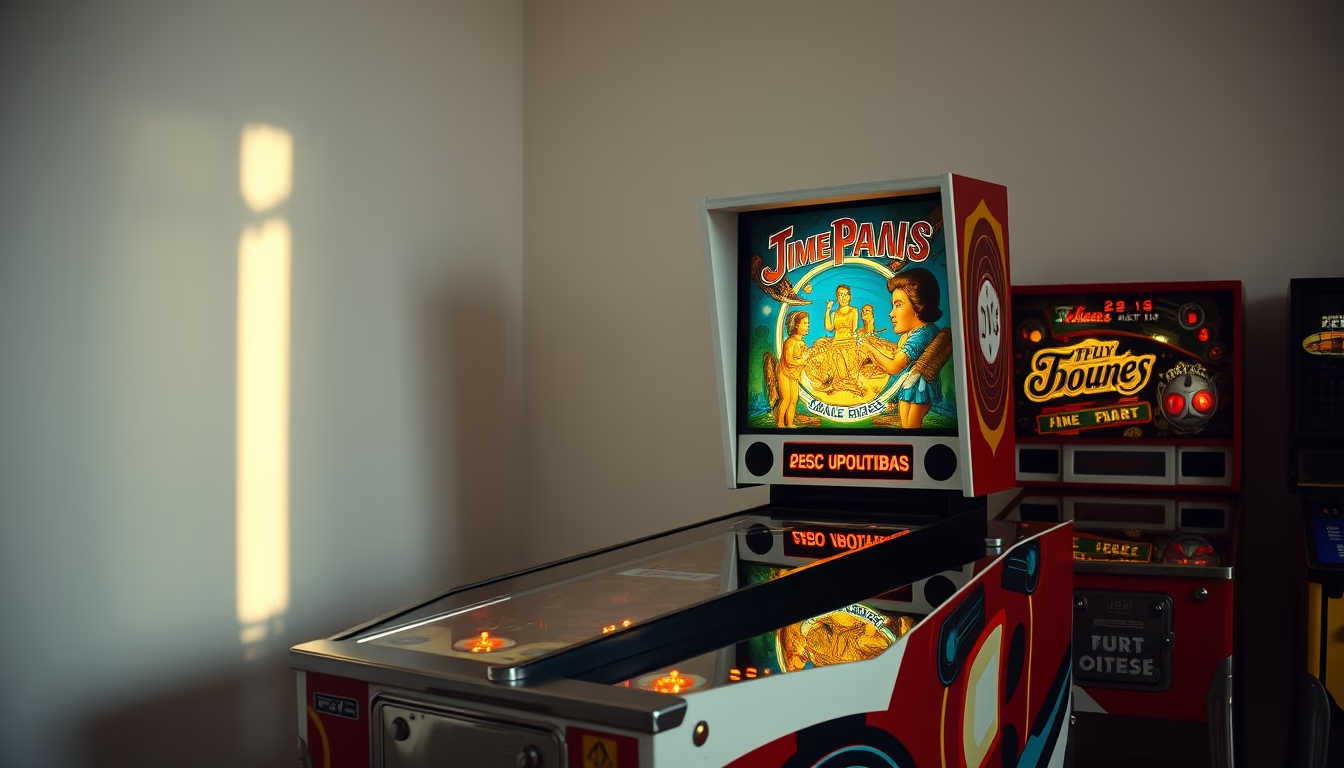
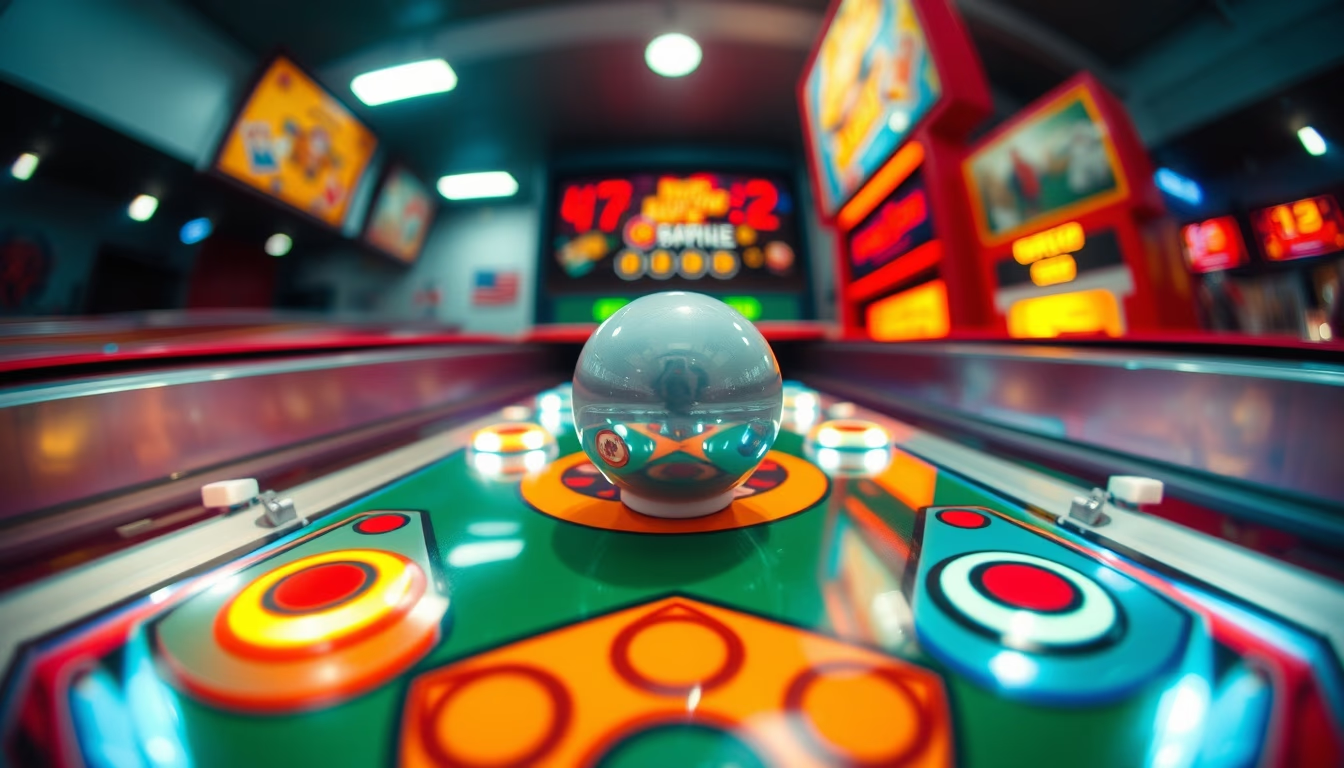
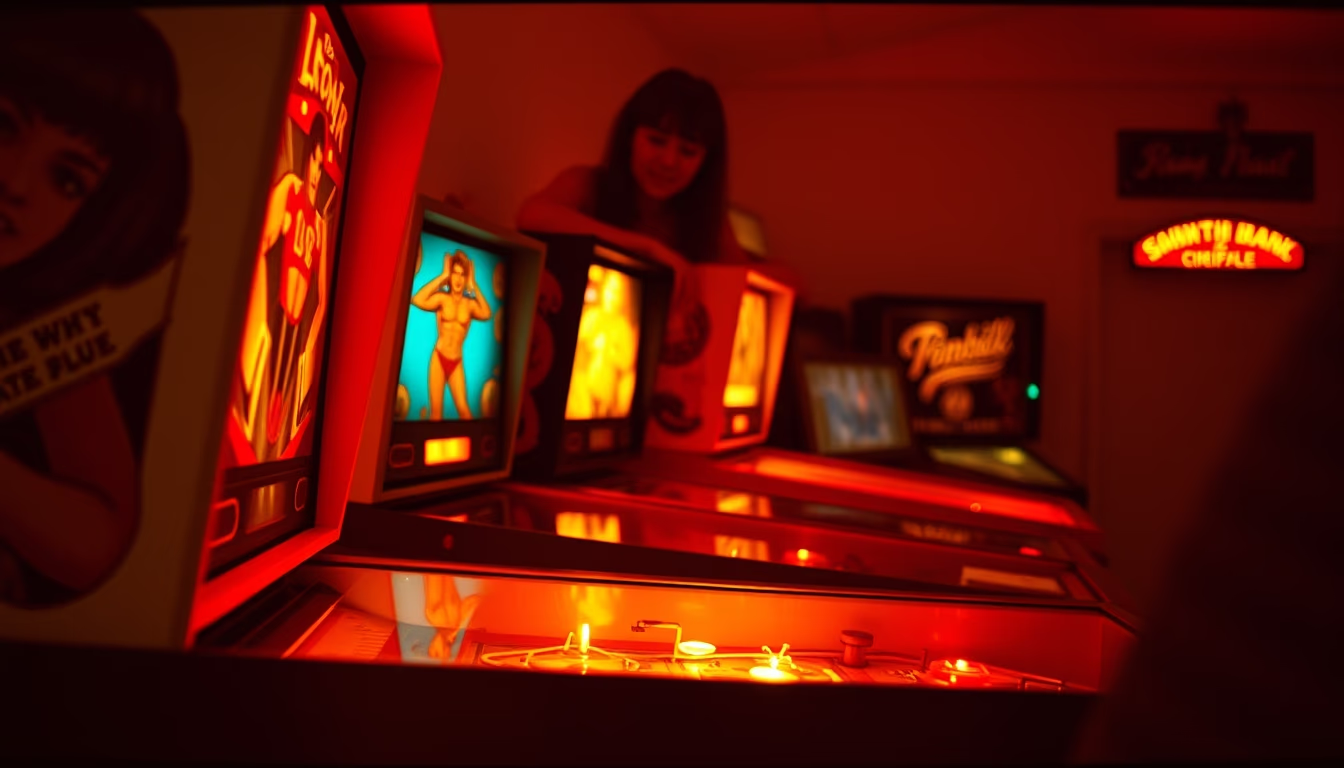
Pinball machines from the 1970s marked the transition from electromechanical mechanisms to the first electronic scoring systems.
About this subject
Pinball machines from the 1970s represent a golden era for the game, blending handcrafted design with technological innovations. During this decade, the industry underwent a crucial transformation: purely electromechanical systems, which used relays, solenoids, and mechanical counters, began to give way to the first electronic components. Gottlieb, one of the most iconic manufacturers, released the 'El Dorado' in 1975, still electromechanical but employing solid-state logic for some functions. Bally introduced the 'Captain Fantastic' in 1976, one of the first to use LED displays for scoring, replacing traditional spinning drums.
The aesthetic of the machines also evolved: backglasses began to feature psychedelic art and themes inspired by pop culture, such as rock and roll, movies, and sports. The use of vibrant colors and fluorescent lighting turned cabinets into true visual attractions. At the same time, game design became more sophisticated with the introduction of multi-ball, ramps, and moving targets, increasing complexity and appeal to avid players. Williams, another industry giant, launched 'Space Mission' in 1977, which incorporated a gyroscope-style playfield, offering an innovative experience.
Pinball popularity peaked in the 1970s, with machines installed in bars, diners, and arcades worldwide. In Brazil, the domestic industry also produced models, such as those manufactured by Indústria de Brinquedos Toy, which adapted foreign designs. The 1970s pinball machine is now a collector's item, with restored units fetching thousands of dollars. Nostalgia for this era fuels online communities and tournaments, keeping the cultural heritage of the game alive.
Frequently Asked Questions
What was the first fully electronic pinball machine?
The first fully electronic pinball machine was 'Spirit of 76' by Micro Games in 1976, but Bally's 'Captain Fantastic' (also 1976) is considered a landmark for combining electronics with pop themes.
Why are 1970s pinball machines so highly valued?
They represent the peak of handcrafted design and technological innovation, and are iconic in pop culture. Many have limited production runs and rare parts, making them collector's items.
Were there Brazilian manufacturers of pinball in the 1970s?
Yes, Indústria de Brinquedos Toy produced machines like 'Tropical' and 'Apache', adapting foreign designs for the local market using domestic components.
Direct URL
https://pub-c7d6a6ea828543ac903a74a341ccb2e1.r2.dev/imagens/pinball-machine-1970s-minimalist-composition-fresh10.avifHow to credit
Include a visible link back to UtilizAí. Copy one of the snippets below:
<a href="https://xn--utiliza-eza.com/en/midia/imagens/pinball-machine-1970s-minimalist-composition-fresh10">Pinball machine 1970s</a> by <a href="https://xn--utiliza-eza.com">UtilizAí</a>, licensed under <a href="https://creativecommons.org/licenses/by/4.0/">CC BY 4.0</a>.
[Pinball machine 1970s](https://xn--utiliza-eza.com/en/midia/imagens/pinball-machine-1970s-minimalist-composition-fresh10) by [UtilizAí](https://xn--utiliza-eza.com), CC BY 4.0
License: CC-BY-4.0