Pinball machine 1970s
1344×768 · AVIF · CC BY 4.0
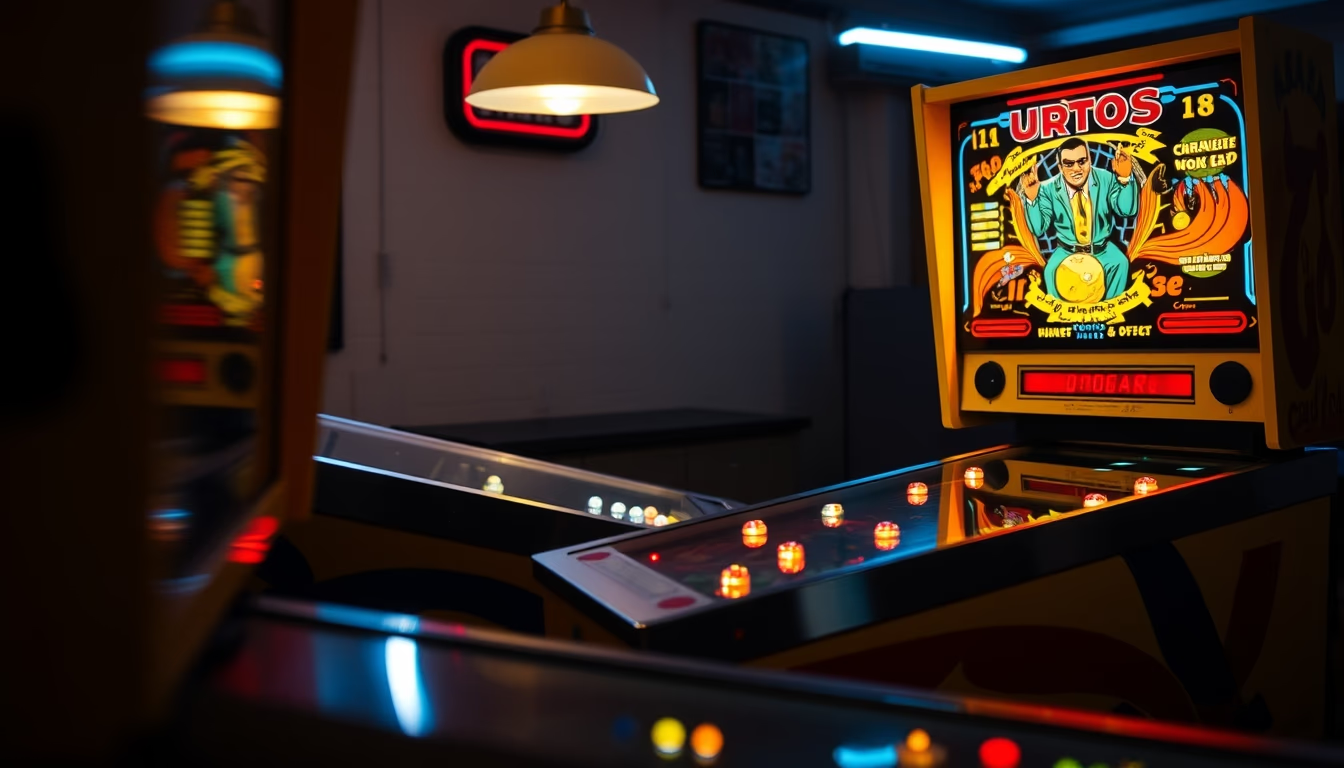
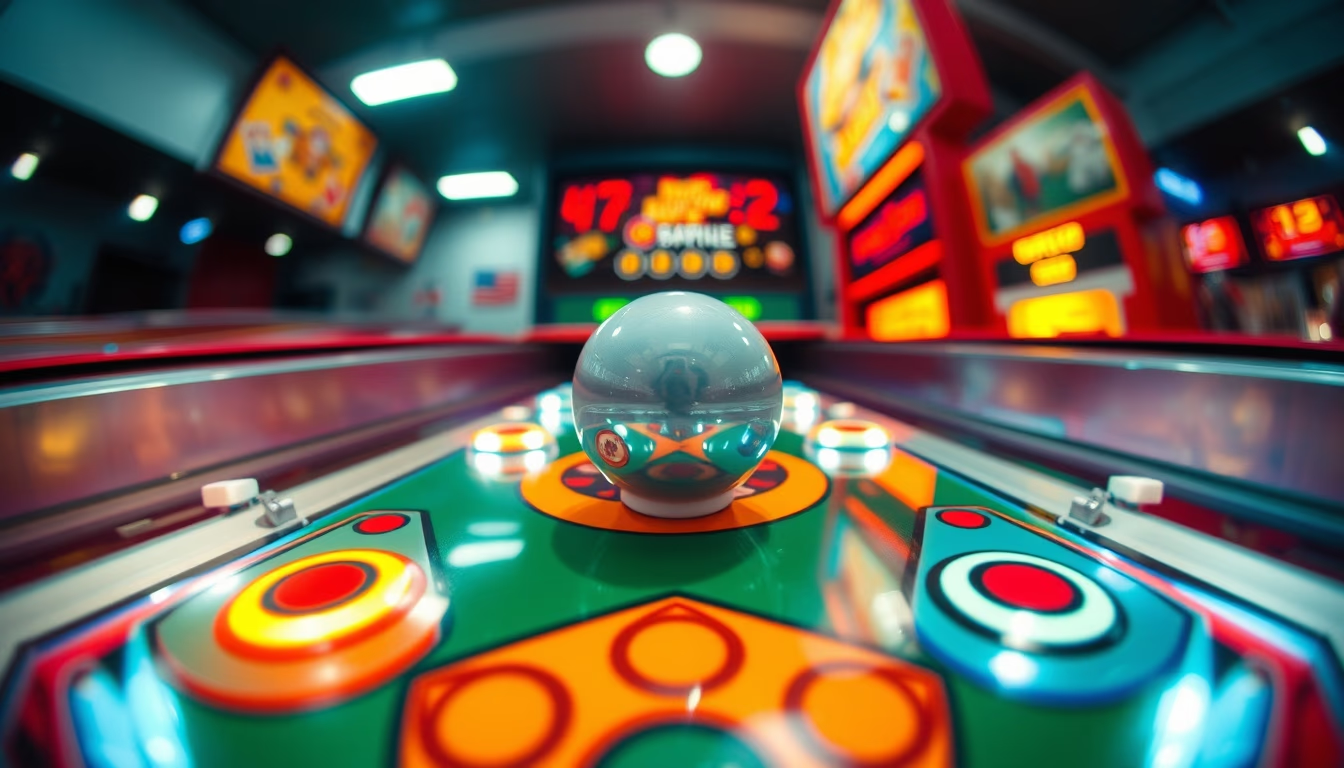
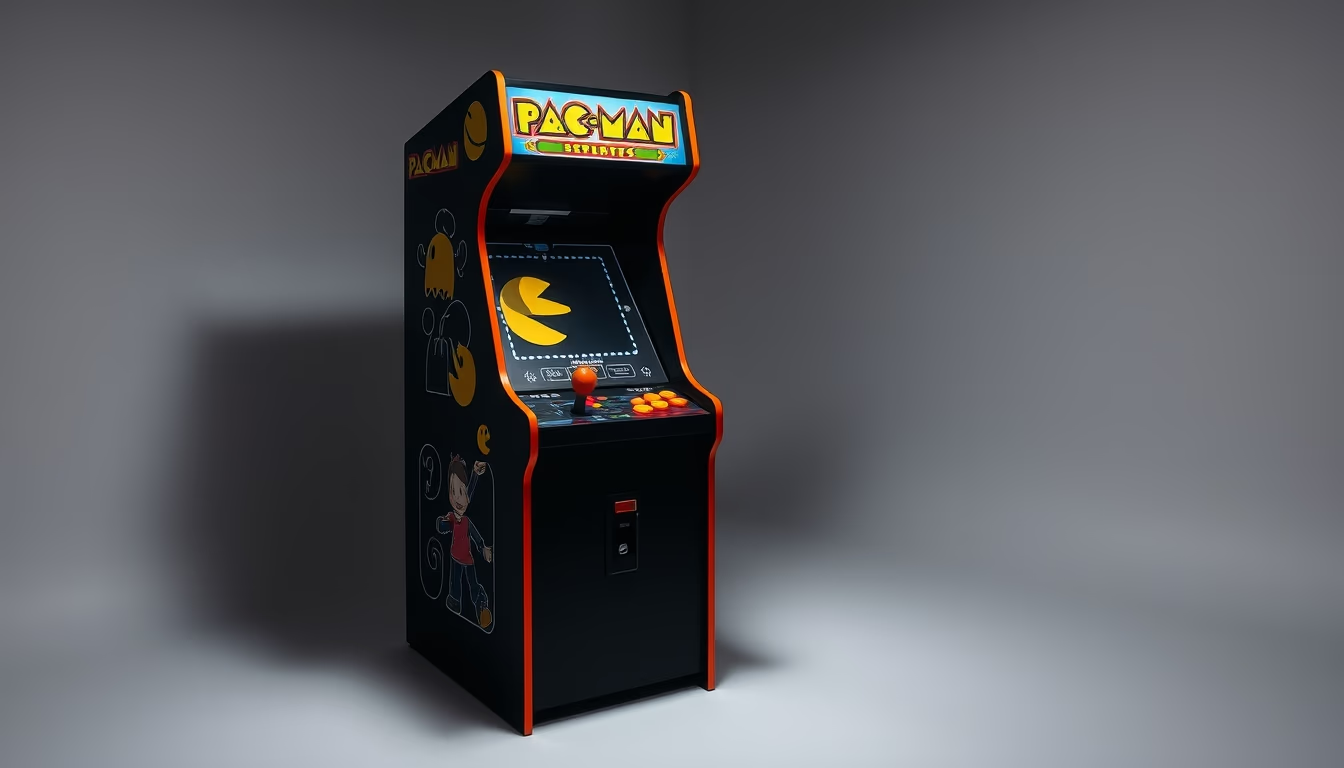
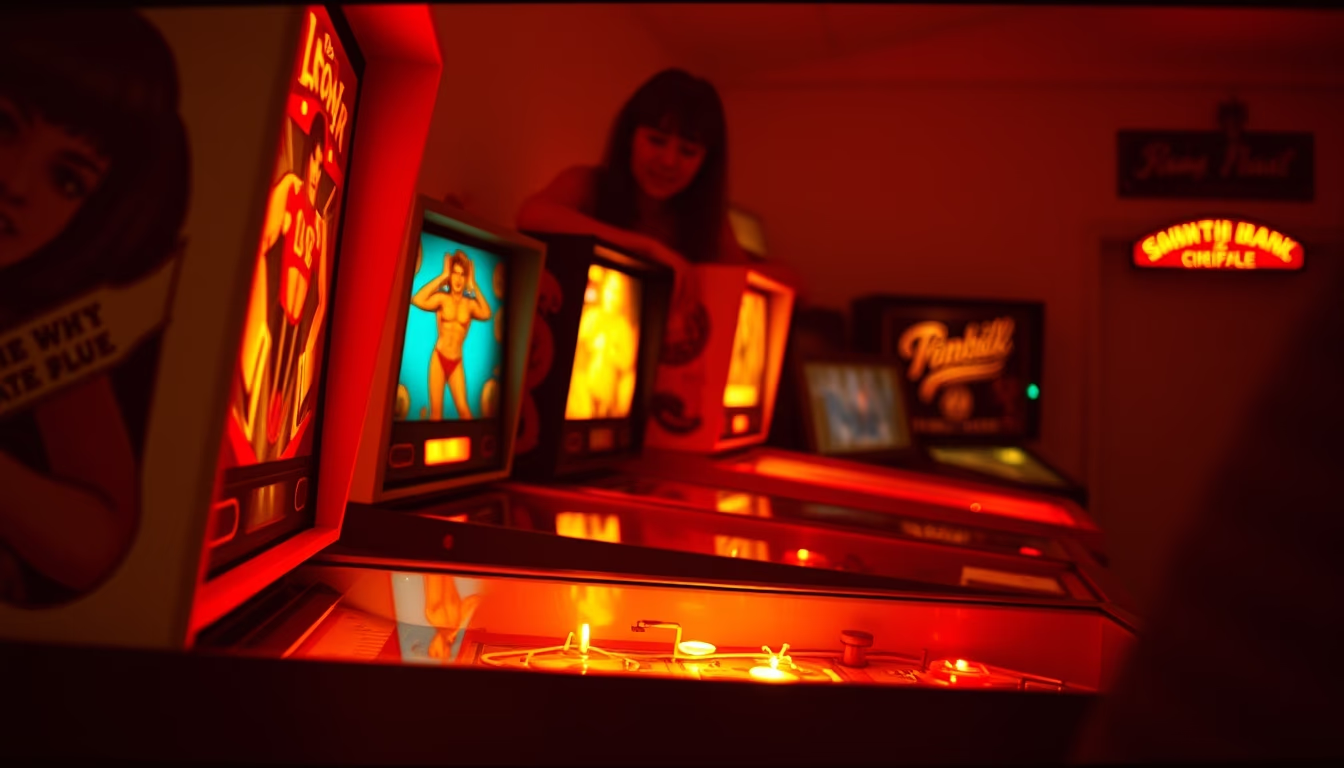
1970s pinball machines blended analog mechanics with vibrant themed designs, defining the golden age of arcades worldwide.
About this subject
During the 1970s, pinball machines underwent a major transformation. Still largely electromechanical, they relied on relays, motors, and solenoids to control scoring and sound effects, creating a tactile and unpredictable experience. Leading manufacturers like Bally, Williams, and Gottlieb released iconic titles such as Fireball (1972), Captain Fantastic (1976), and Playboy (1978). These games introduced illuminated targets, ramps, and spinners that challenged players' dexterity.
Worldwide, pinball flourished in bars, diners, and arcades. The decade also marked the early shift to solid-state electronics: Williams debuted Aztec (1976) with a microprocessor, foreshadowing the digital revolution of the 1980s. In Latin America, especially Brazil, imported machines were common, but local manufacturers like IDM produced licensed adaptations, contributing to a vibrant arcade culture.
The visual design of 1970s pinball machines reflected pop culture trends: psychedelic art, movie and music references, and heavy use of fluorescent colors. The durability of these machines explains why many still operate in private collections and museums. The distinctive sound of bumpers and the clatter of mechanical scoring remain nostalgic for enthusiasts.
A notable technical aspect is maintenance: each game required fine adjustments to electrical contacts and regular cleaning of playfields to prevent malfunctions. Skilled players learned to physically nudge the machine to influence the ball's trajectory, a practice known as nudging. This direct human-machine interaction contributed to the nostalgic aura of classic pinball.
Frequently Asked Questions
Who were the main pinball manufacturers in the 1970s?
The leading manufacturers were Bally, Williams, and Gottlieb. In Brazil, Indústria de Máquinas Diversões (IDM) produced licensed versions of foreign games.
How did a 1970s pinball machine work mechanically?
They were electromechanical, using relays, motors, and solenoids for scoring and effects. The scoreboard was analog, with rotating discs or drums.
Which 1970s pinball games are considered classics?
Examples include Fireball (1972), Captain Fantastic (1976), and Playboy (1978), all by Bally. Aztec (1976) by Williams was one of the first with a microprocessor.
Direct URL
https://pub-c7d6a6ea828543ac903a74a341ccb2e1.r2.dev/imagens/pinball-machine-1970s-magazine-editorial-fresh12.avifHow to credit
Include a visible link back to UtilizAí. Copy one of the snippets below:
<a href="https://xn--utiliza-eza.com/en/midia/imagens/pinball-machine-1970s-magazine-editorial-fresh12">Pinball machine 1970s</a> by <a href="https://xn--utiliza-eza.com">UtilizAí</a>, licensed under <a href="https://creativecommons.org/licenses/by/4.0/">CC BY 4.0</a>.
[Pinball machine 1970s](https://xn--utiliza-eza.com/en/midia/imagens/pinball-machine-1970s-magazine-editorial-fresh12) by [UtilizAí](https://xn--utiliza-eza.com), CC BY 4.0
License: CC-BY-4.0