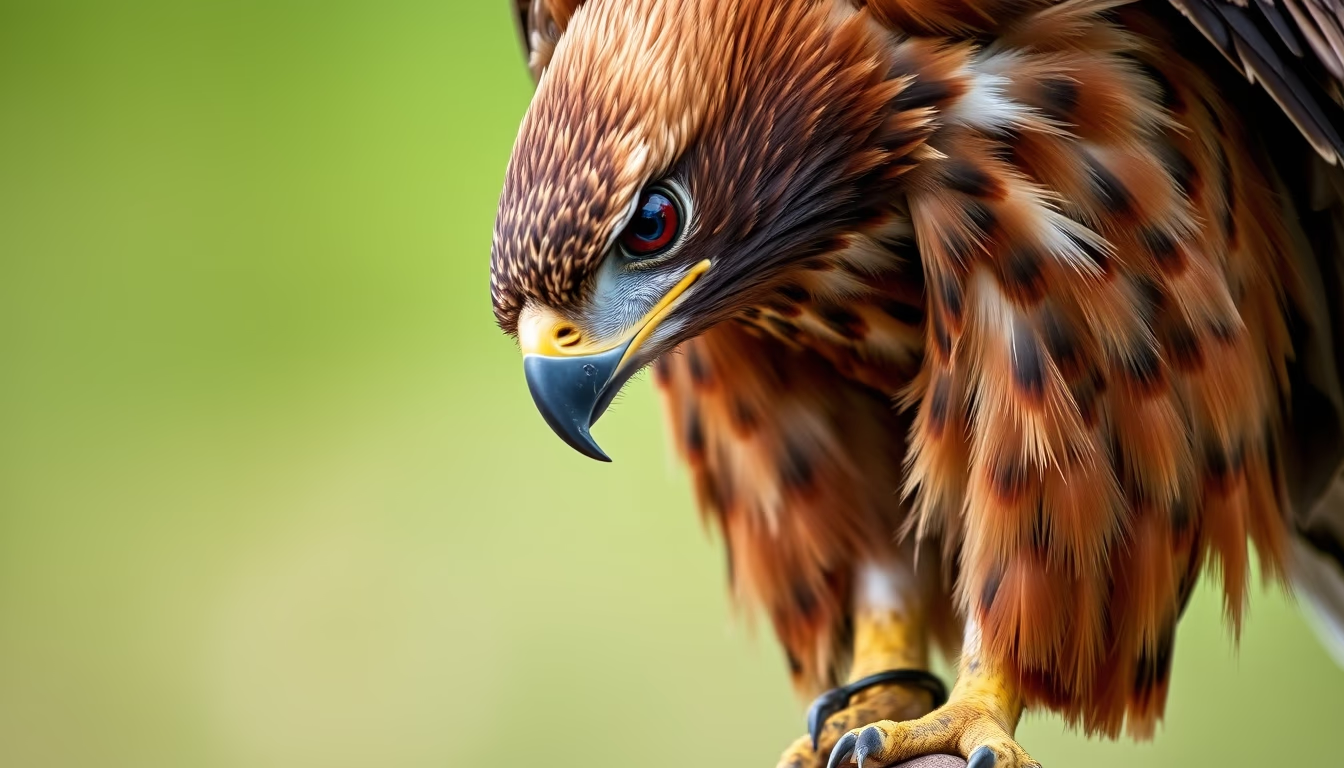
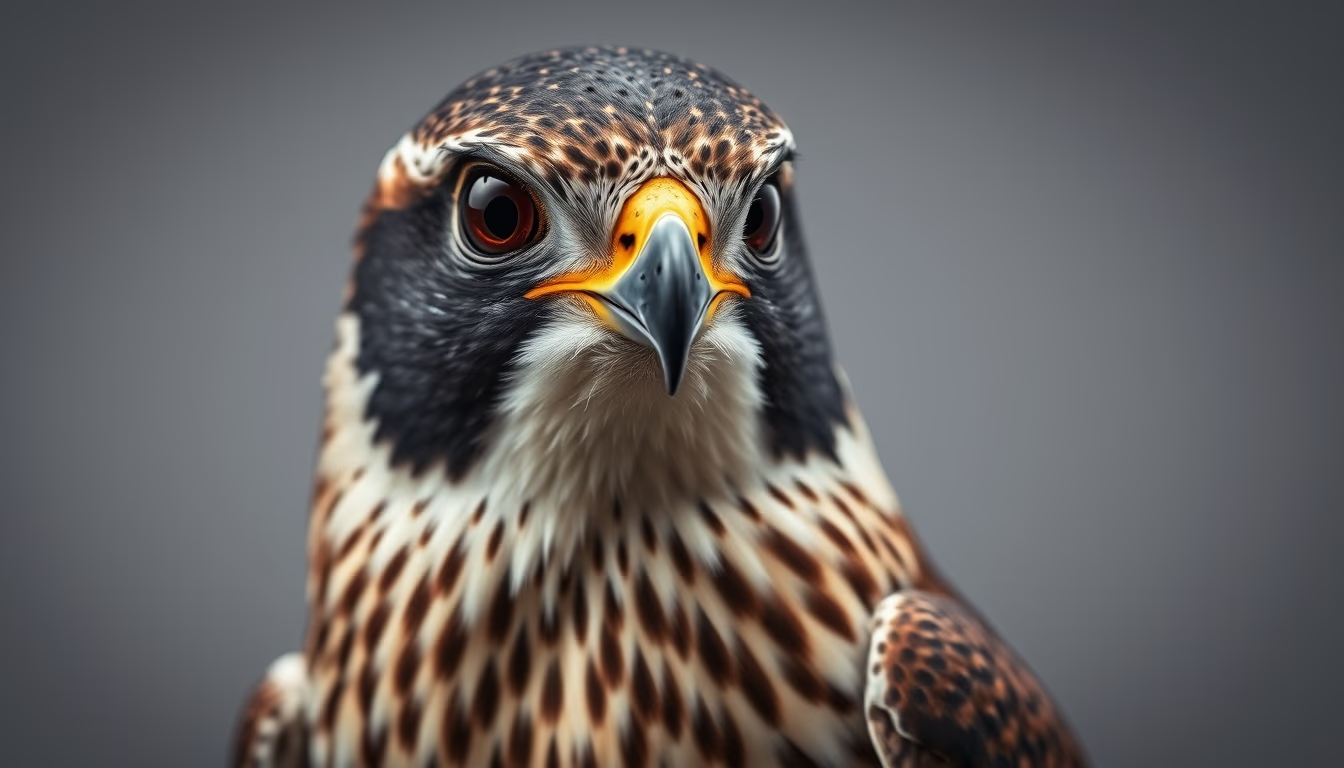
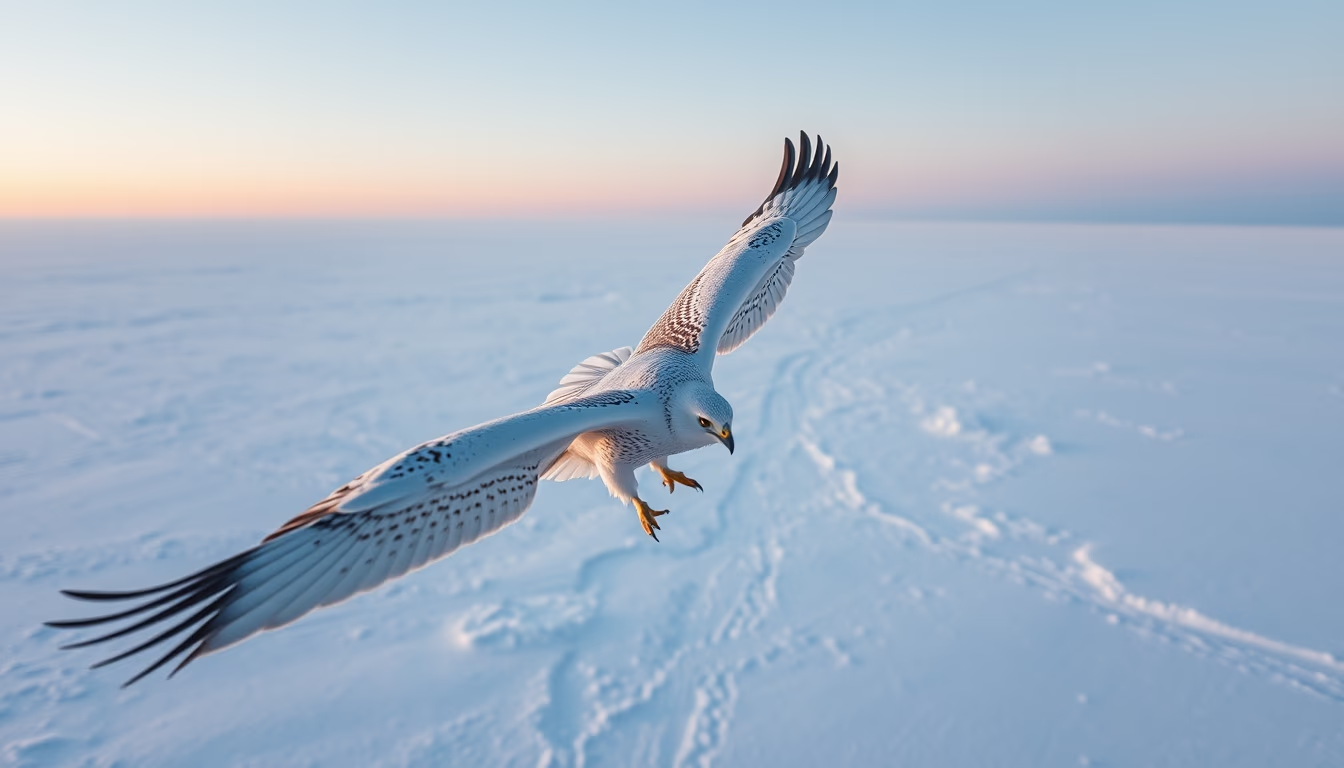
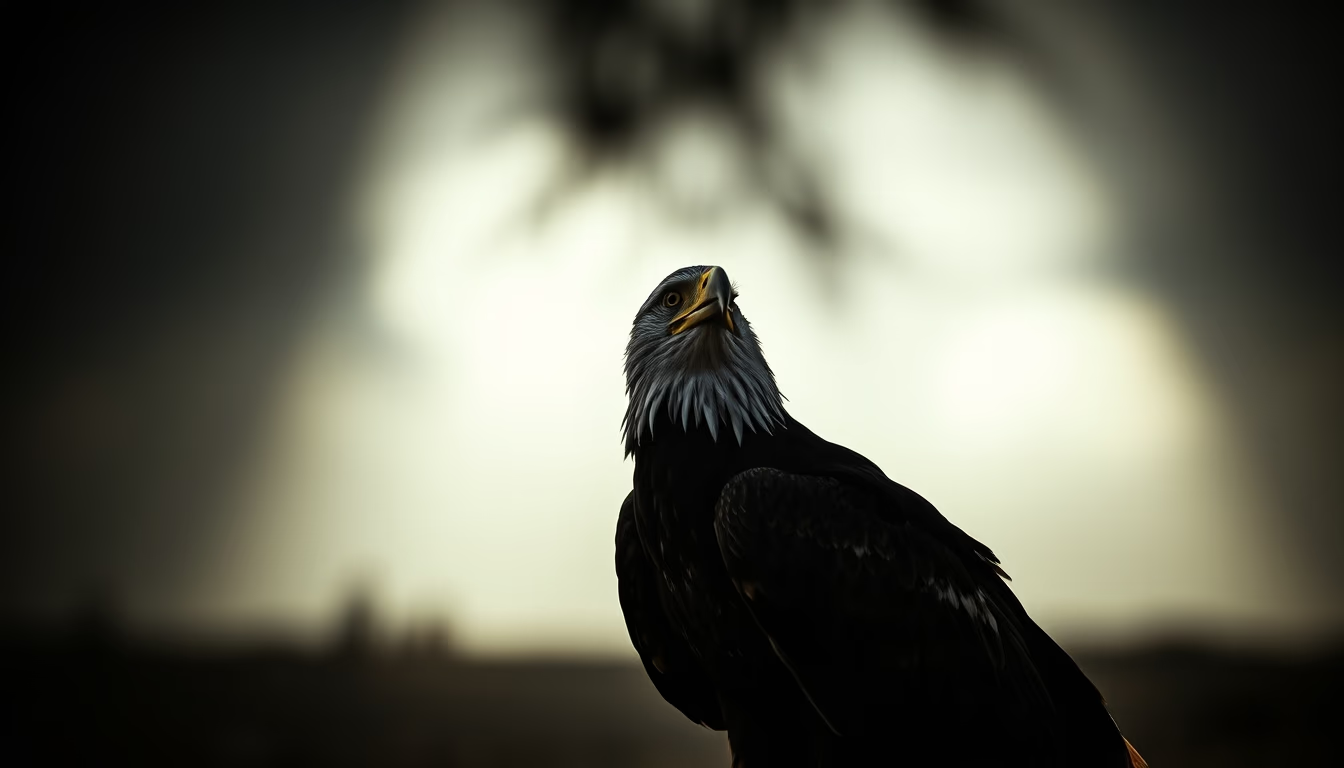
Peregrine falcon close
1344×768 · AVIF · CC BY 4.0
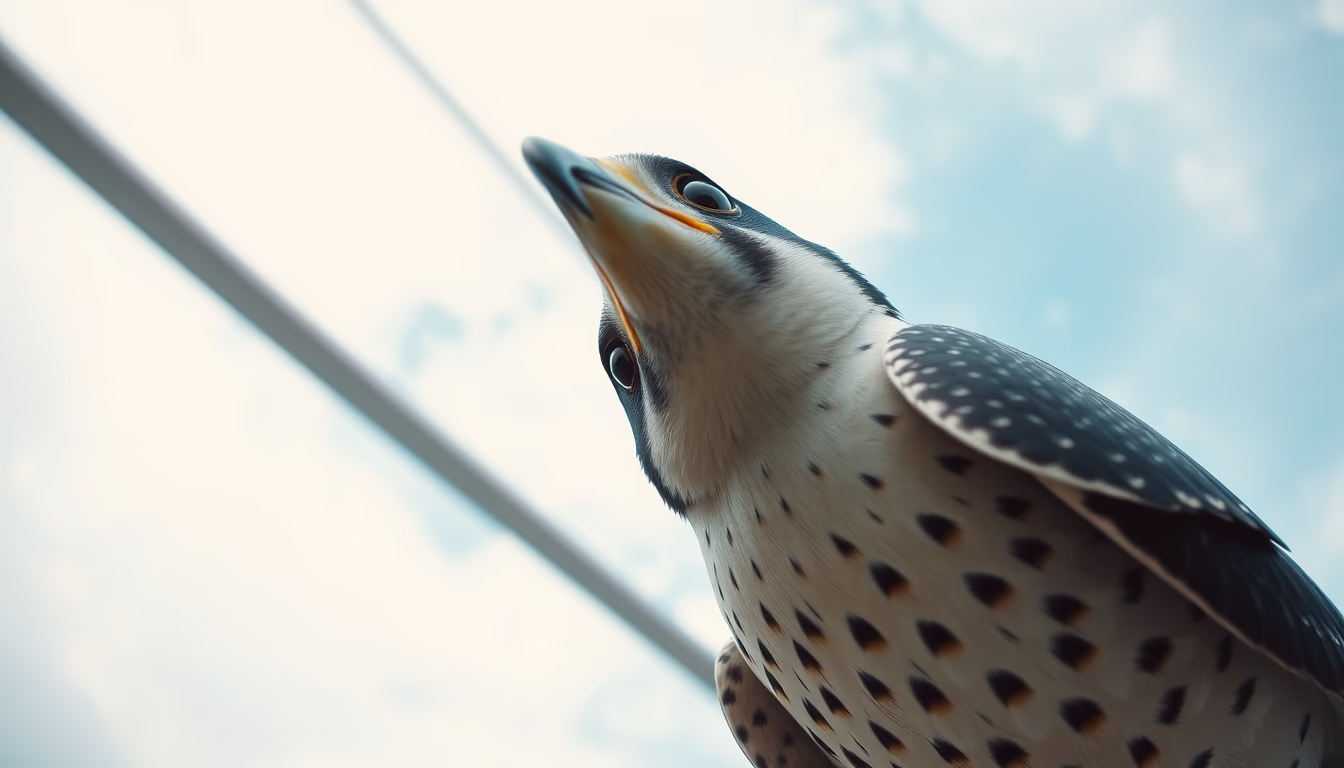
The peregrine falcon is the fastest animal on Earth, reaching speeds over 200 mph during hunting dives.
About this subject
The peregrine falcon (Falco peregrinus) is a cosmopolitan bird of prey found on every continent except Antarctica. Its incredible speed, exceeding 200 mph (322 km/h) in vertical stoops, makes it the fastest animal on Earth. This ability is used to strike medium-sized birds like pigeons, ducks, and shorebirds in mid-air.
Peregrines have remarkable physiological adaptations: bony tubercles in their nostrils to deflect airflow, nictitating membranes to protect eyes during dives, and extremely powerful pectoral muscles. The Arctic subspecies Falco peregrinus tundrius migrates up to 15,500 miles annually. The nominate subspecies Falco peregrinus peregrinus is resident across much of Europe and Asia.
Historically, peregrines have been used in falconry for over 3,000 years, particularly in Central Asia and medieval Europe. The species suffered a severe population crash in the mid-20th century due to DDT, which caused eggshell thinning. Captive breeding programs and the ban on DDT led to a remarkable recovery. Today, the peregrine falcon is classified as Least Concern on the IUCN Red List.
Interestingly, peregrine falcons have adapted to urban environments, nesting on skyscrapers and bridges where prey (pigeons) is abundant. Cities like New York, São Paulo, and London host monitored resident peregrines, showcasing their resilience.
Frequently Asked Questions
How fast can a peregrine falcon dive?
The peregrine falcon can reach speeds over 200 mph (320 km/h) in its hunting stoop, making it the fastest animal.
Where do peregrine falcons live?
They are found on every continent except Antarctica, inhabiting diverse environments from Arctic tundra to deserts and urban areas.
How did the peregrine falcon recover from near extinction?
DDT caused eggshell thinning and population crashes. Captive breeding and the DDT ban led to a successful recovery, with the species now listed as Least Concern.
Direct URL
https://pub-c7d6a6ea828543ac903a74a341ccb2e1.r2.dev/imagens/peregrine-falcon-close-fish-eye-wide-angle-fresh13.avifHow to credit
Include a visible link back to UtilizAí. Copy one of the snippets below:
<a href="https://xn--utiliza-eza.com/en/midia/imagens/peregrine-falcon-close-fish-eye-wide-angle-fresh13">Peregrine falcon close</a> by <a href="https://xn--utiliza-eza.com">UtilizAí</a>, licensed under <a href="https://creativecommons.org/licenses/by/4.0/">CC BY 4.0</a>.
[Peregrine falcon close](https://xn--utiliza-eza.com/en/midia/imagens/peregrine-falcon-close-fish-eye-wide-angle-fresh13) by [UtilizAí](https://xn--utiliza-eza.com), CC BY 4.0
License: CC-BY-4.0