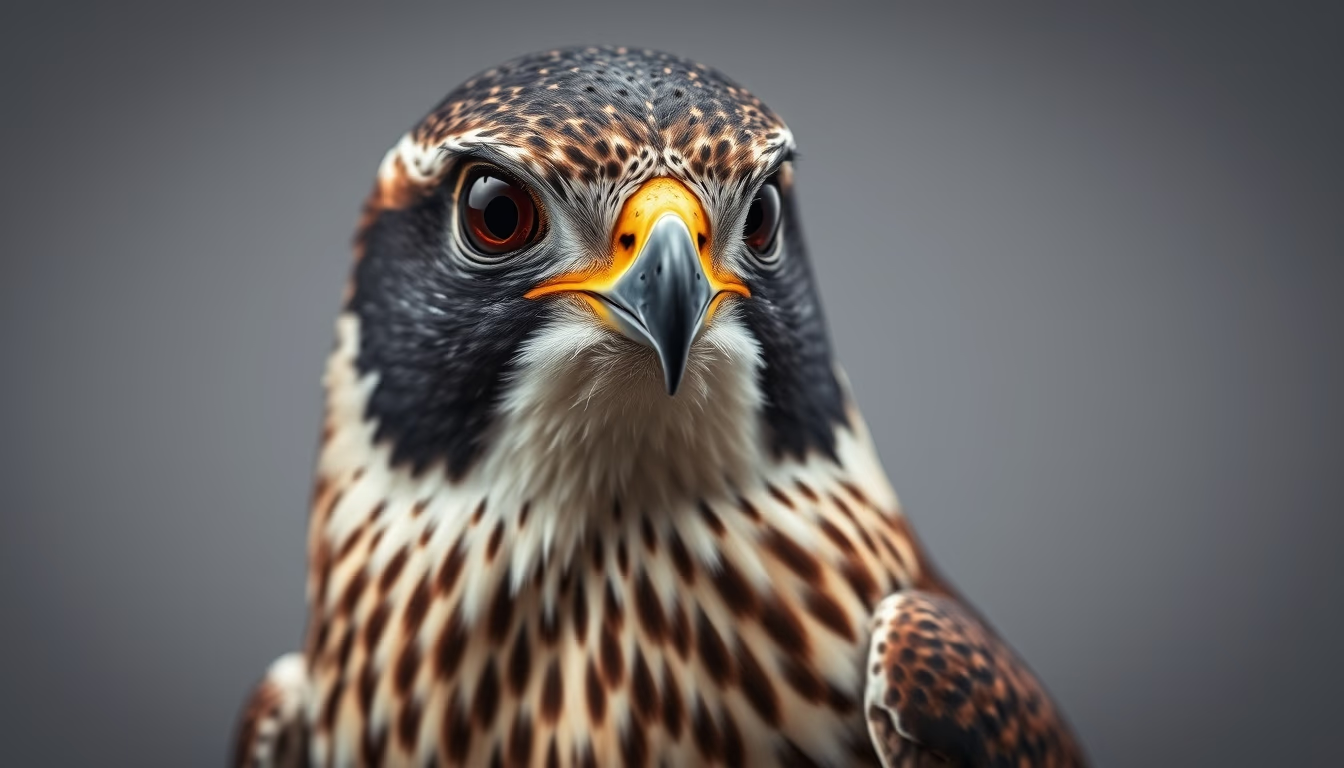
Peregrine falcon close
1344×768 · AVIF · CC BY 4.0
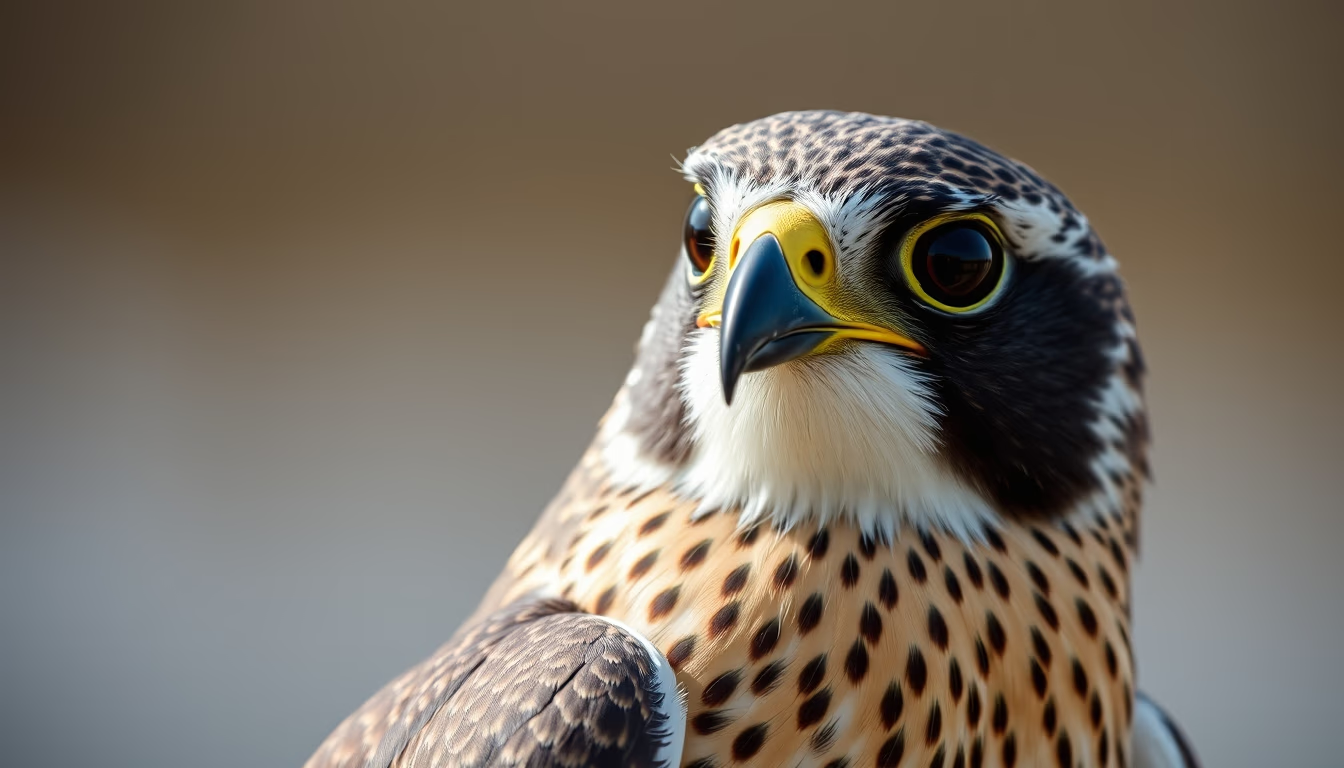
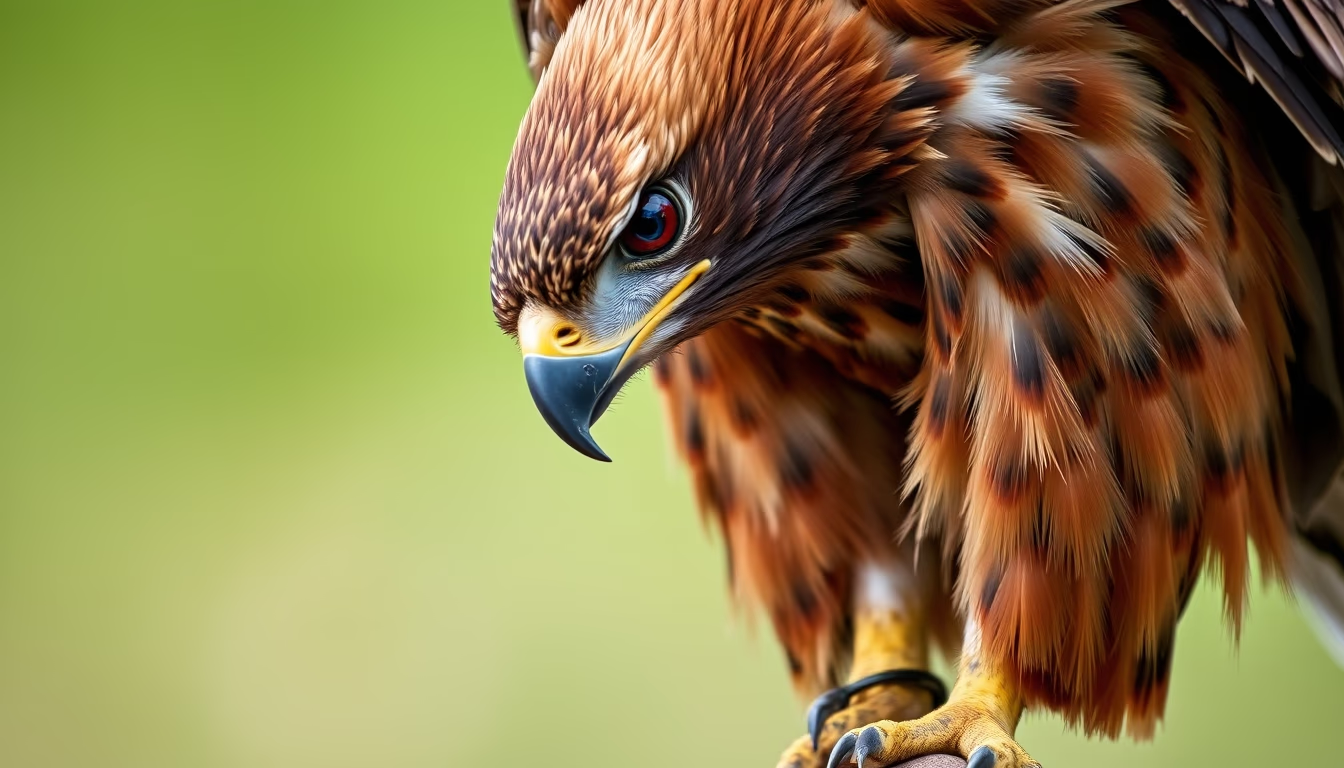
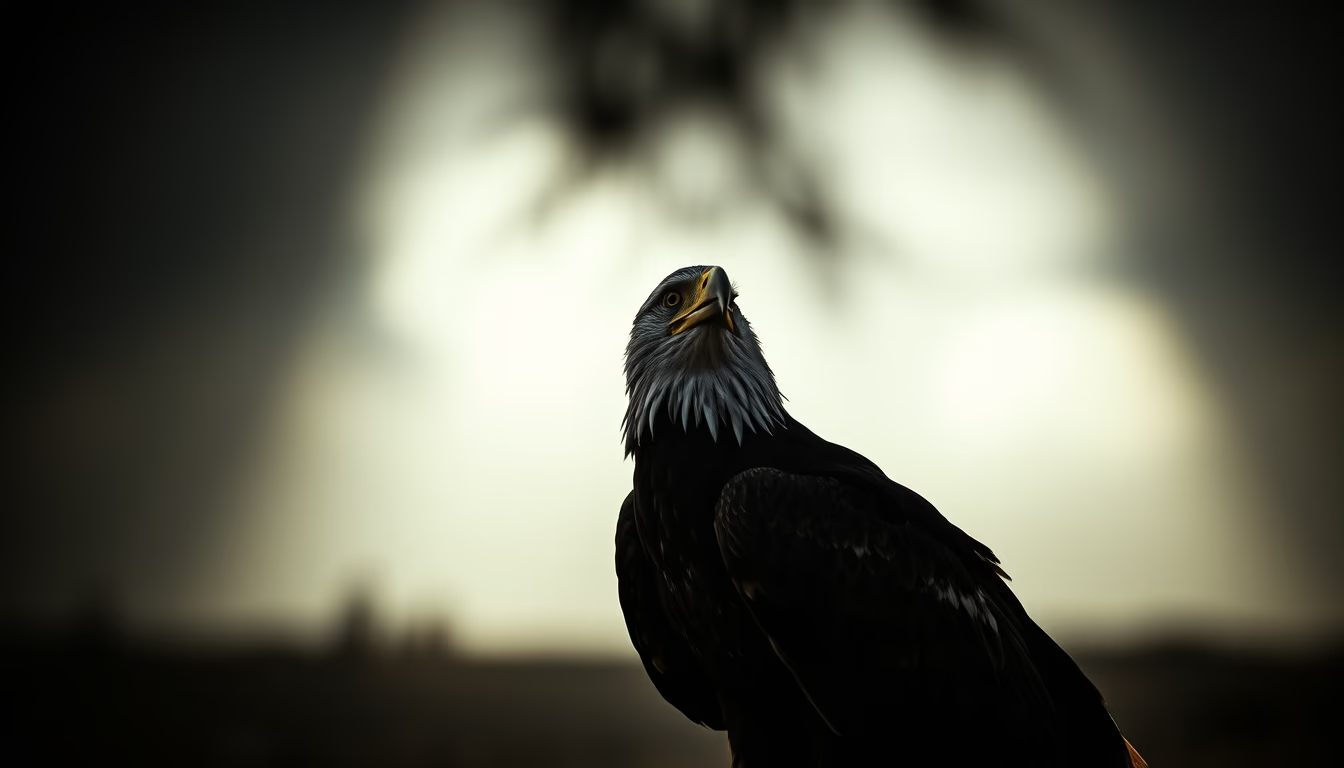
The peregrine falcon (Falco peregrinus) is the fastest animal on Earth, reaching speeds over 200 mph in hunting dives. Its global distribution and adaptability make it a symbol of power and precision.
About this subject
The peregrine falcon is one of the most iconic and studied birds of prey on the planet. It belongs to the family Falconidae and is renowned for its breathtaking diving speed, known as a 'stoop', which can exceed 200 mph (320 km/h). This ability is due to anatomical adaptations such as conical nostrils that allow breathing at high speeds and pointed wings that reduce drag.
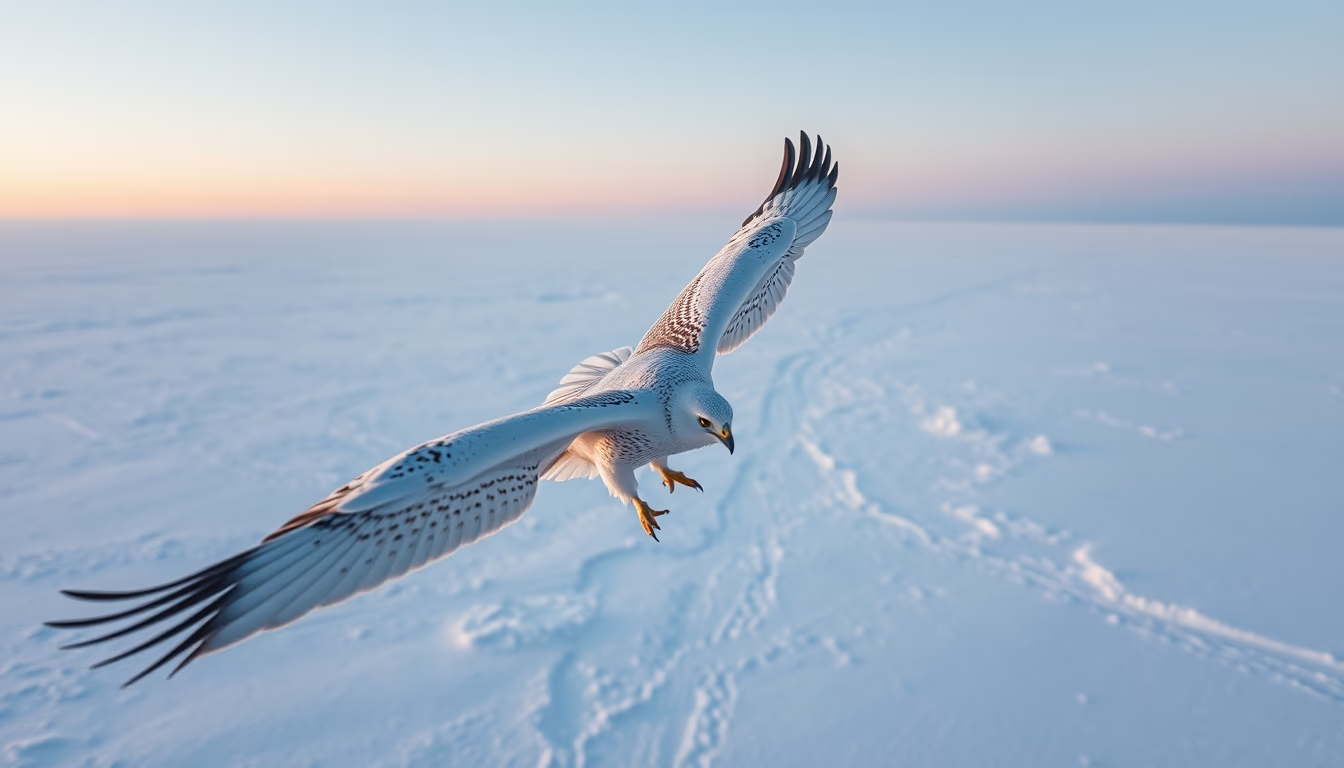
Peregrines have a wide geographic distribution, found on every continent except Antarctica. In the Americas, the subspecies Falco peregrinus tundrius migrates from the Arctic to winter in South America, often seen in coastal and open areas. The resident subspecies F. p. peregrinus inhabits mountainous regions and cliffs. Their diet consists mainly of medium-sized birds like pigeons and gulls, caught mid-flight.
Historically, the peregrine falcon was highly valued in falconry, an ancient practice of hunting with birds of prey. Its relative tameness and trainability made it a favorite among falconers in Europe, Asia, and the Middle East. During the Middle Ages, owning a peregrine was a status symbol, associated with royalty and nobility. Modern falconry continues actively in Brazil, with conservation-minded clubs and breeding facilities.
The peregrine faced a severe population decline in the mid-20th century due to pesticides like DDT, which caused eggshell thinning. After DDT was banned in many countries and captive breeding programs were implemented, the species recovered significantly. It is now listed as 'Least Concern' by the IUCN, but still faces threats such as illegal hunting and habitat loss. Its presence in urban environments, where skyscrapers mimic cliffs, is increasingly common.
Frequently Asked Questions
How fast can a peregrine falcon dive?
In hunting dives, peregrine falcons can exceed 200 mph (320 km/h), making them the fastest animals on Earth.
Where can peregrine falcons be found in Brazil?
During winter, the migratory subspecies Falco peregrinus tundrius is seen in coastal and open areas across Brazil. The resident subspecies F. p. peregrinus inhabits mountainous regions and cliffs.
Why did the peregrine falcon nearly go extinct?
The widespread use of the pesticide DDT caused eggshell thinning, severely reducing reproduction. The ban on DDT and conservation programs led to the species' recovery.
Direct URL
https://pub-c7d6a6ea828543ac903a74a341ccb2e1.r2.dev/imagens/peregrine-falcon-close-film-grain-authentic-fresh8.avifHow to credit
Include a visible link back to UtilizAí. Copy one of the snippets below:
<a href="https://xn--utiliza-eza.com/en/midia/imagens/peregrine-falcon-close-film-grain-authentic-fresh8">Peregrine falcon close</a> by <a href="https://xn--utiliza-eza.com">UtilizAí</a>, licensed under <a href="https://creativecommons.org/licenses/by/4.0/">CC BY 4.0</a>.
[Peregrine falcon close](https://xn--utiliza-eza.com/en/midia/imagens/peregrine-falcon-close-film-grain-authentic-fresh8) by [UtilizAí](https://xn--utiliza-eza.com), CC BY 4.0
License: CC-BY-4.0