Peregrine falcon close
1344×768 · AVIF · CC BY 4.0
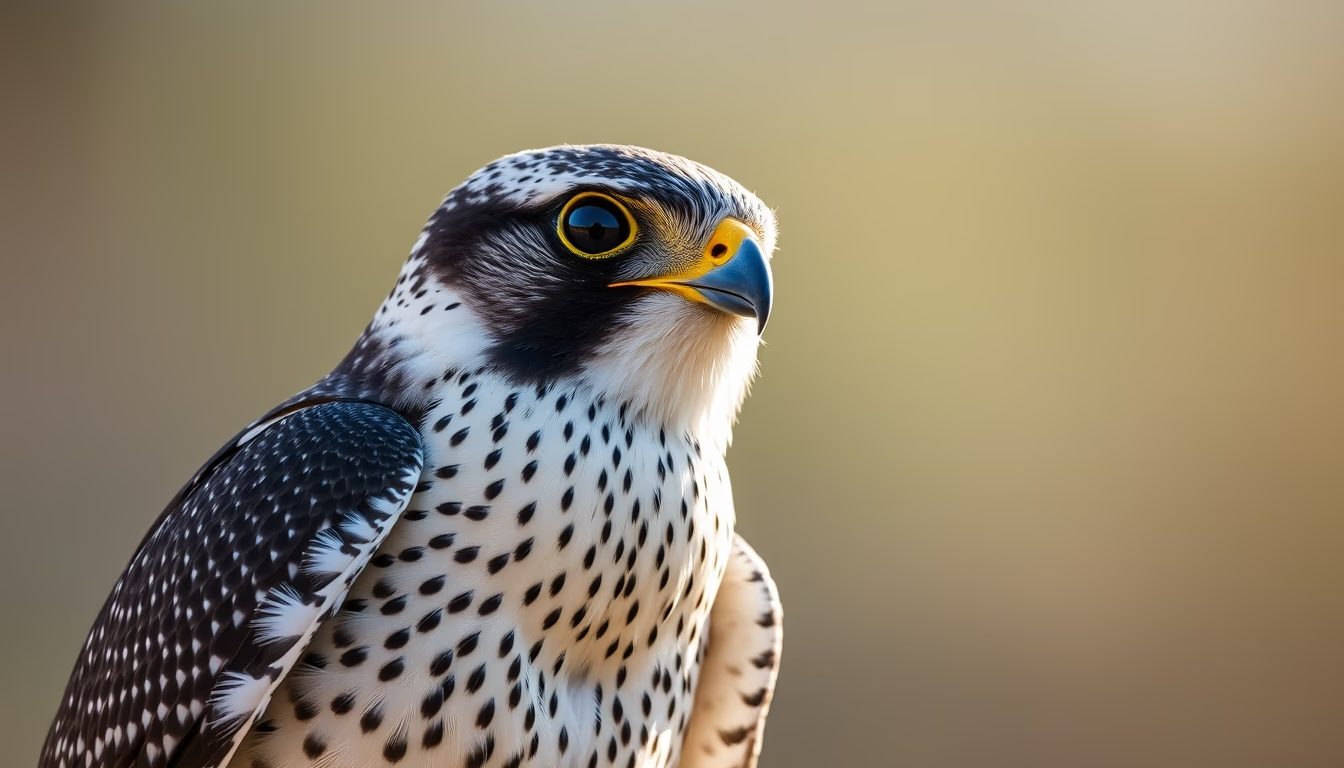
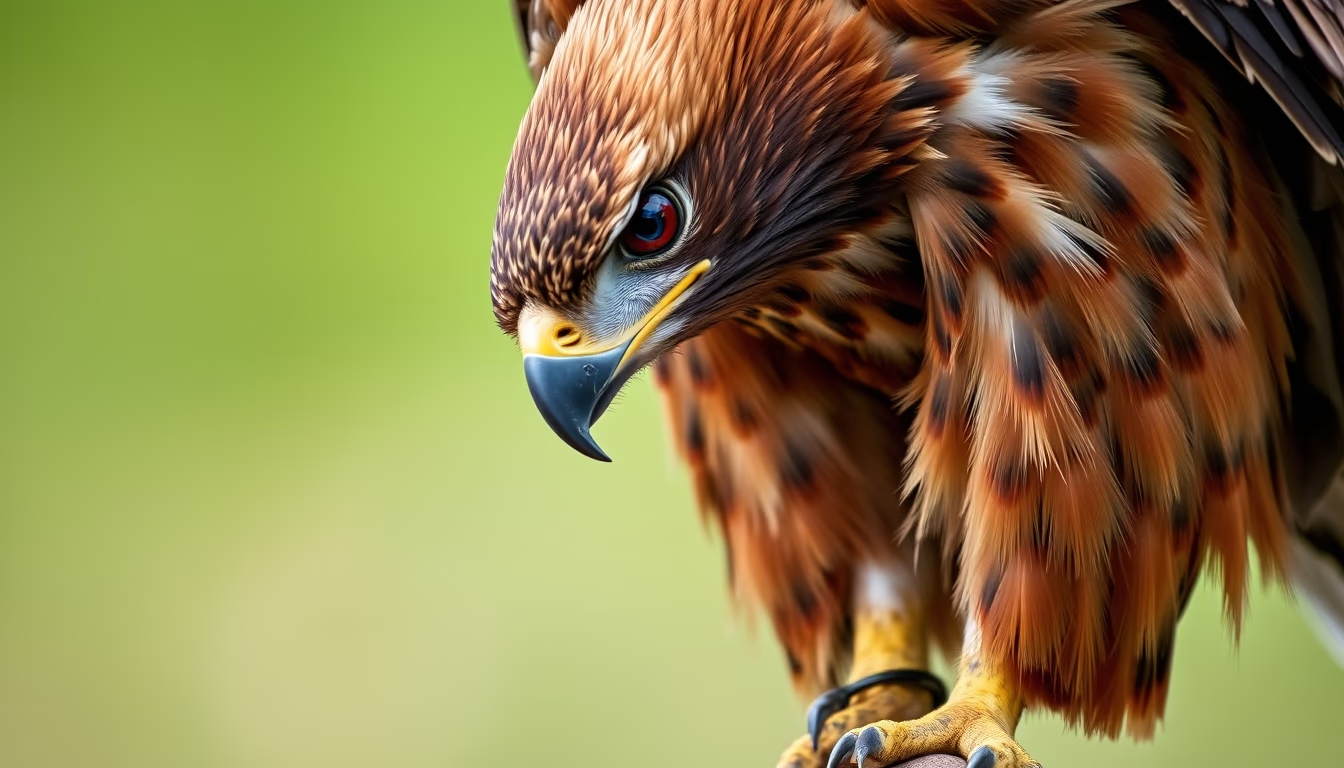
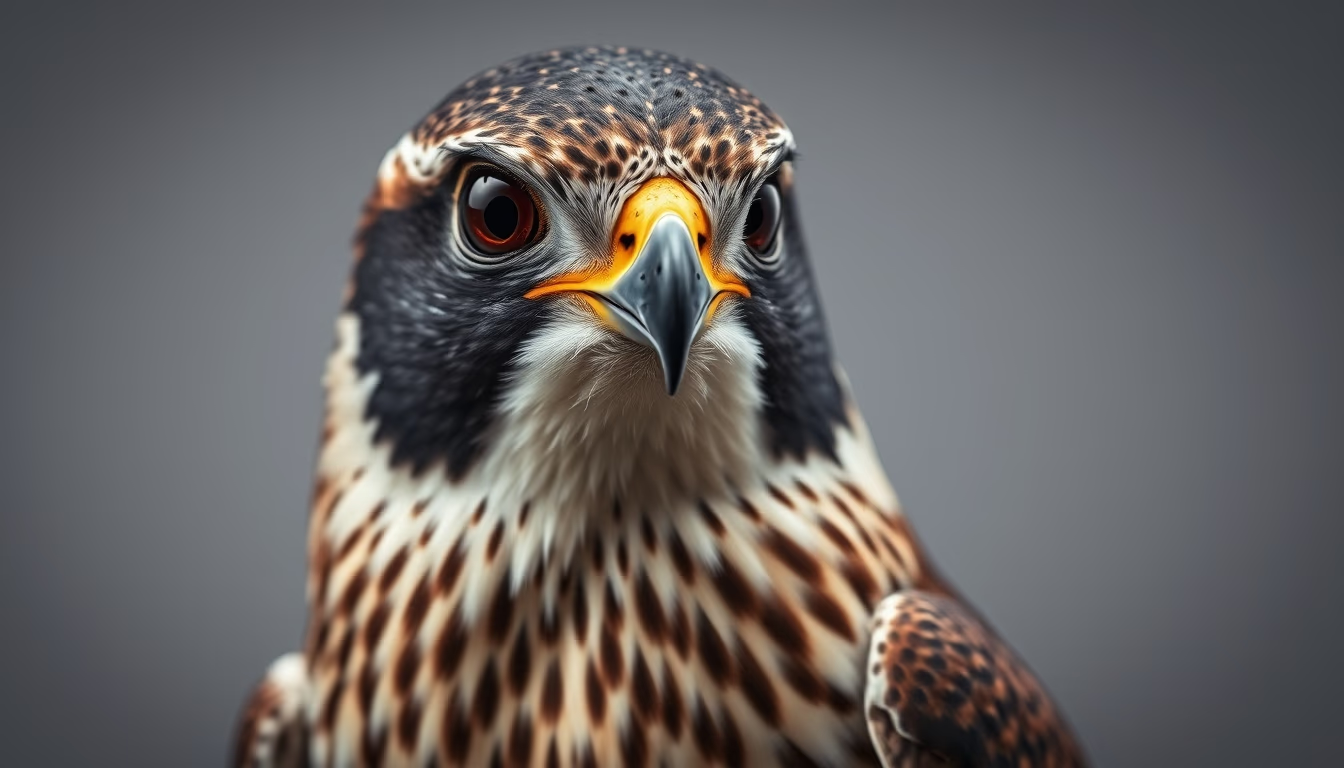
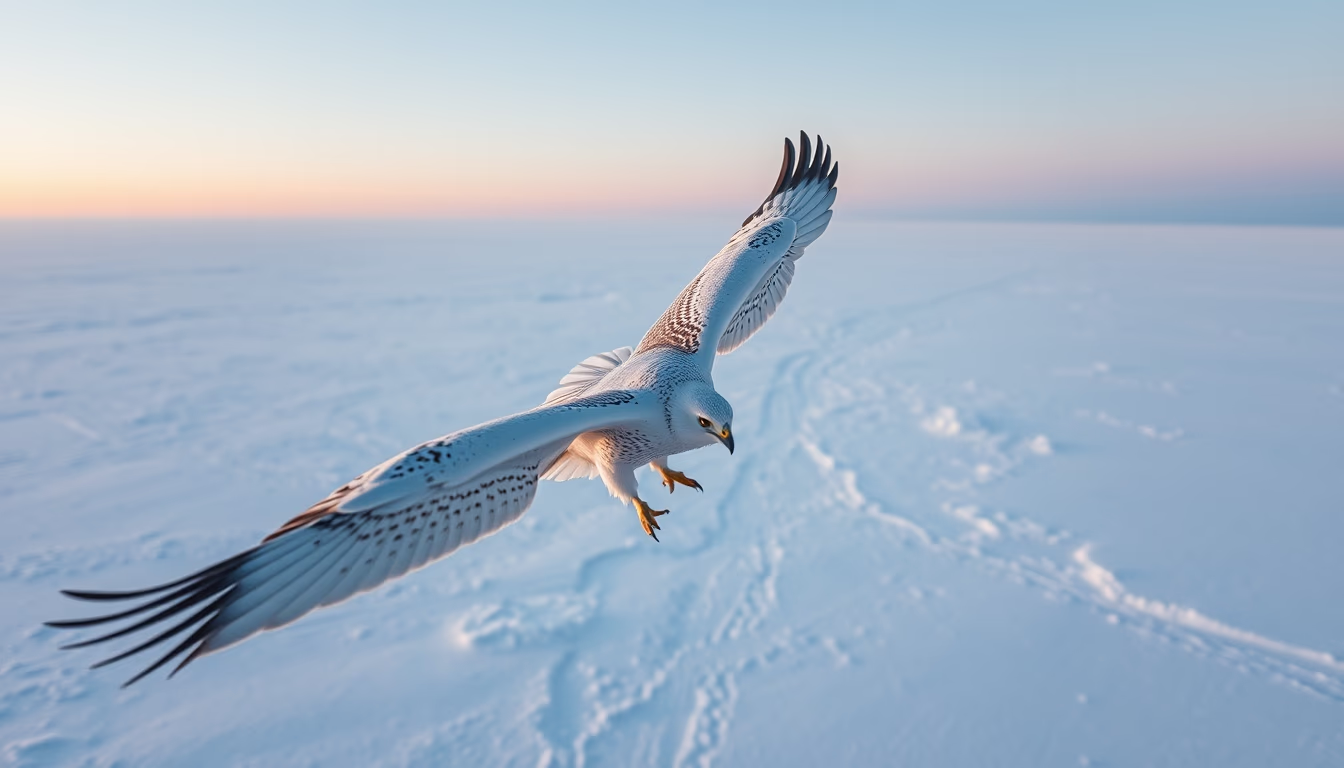
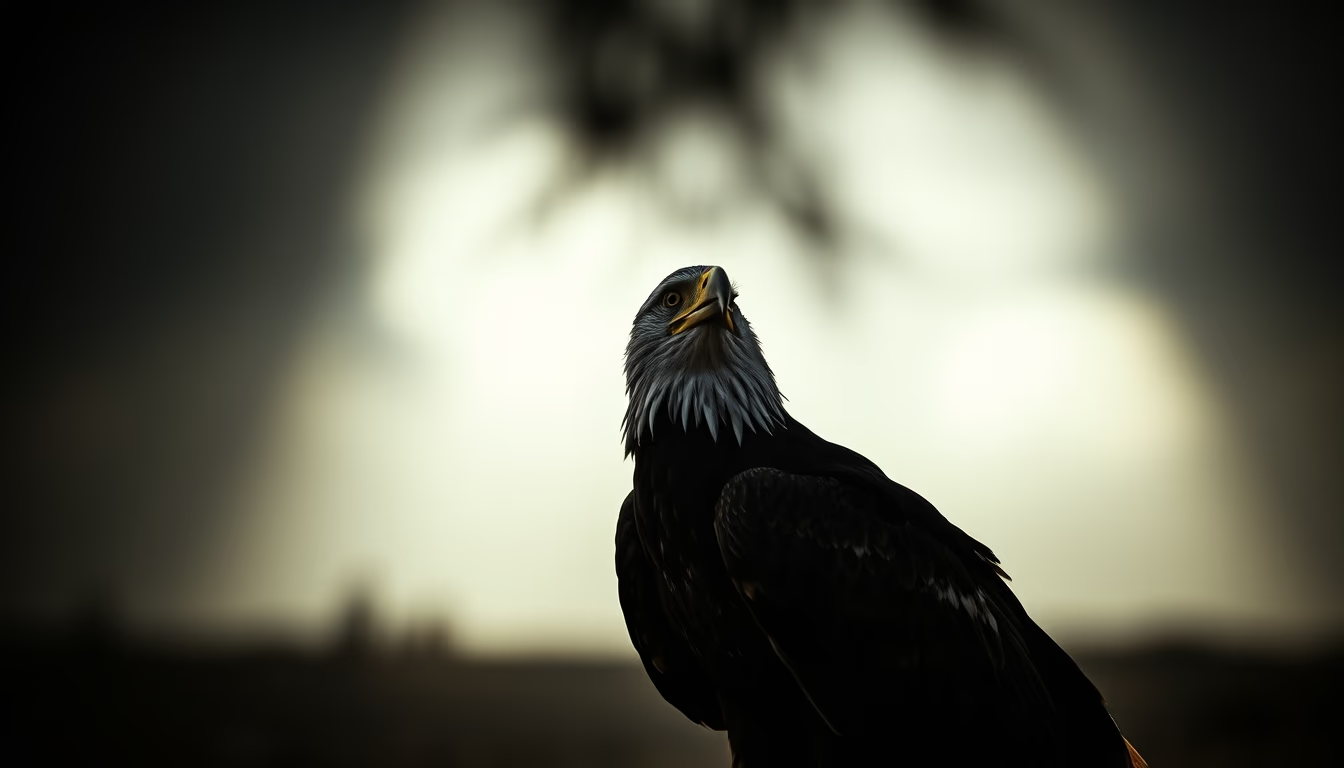
The peregrine falcon (Falco peregrinus) is the fastest animal on Earth, reaching over 320 km/h in a dive, and inhabits every continent except Antarctica.
About this subject
The peregrine falcon is one of the most iconic and widespread birds of prey on the planet. With subspecies adapted to diverse habitats, from the Arctic tundra to the tropics, it is found on every continent except Antarctica. Its diving speed, which can exceed 320 km/h, makes it the fastest animal in the world, an evolutionary adaptation for catching birds mid-flight. This feat has inspired fighter pilots and aerospace engineers, who study its aerodynamics for hypersonic vehicle applications.
In falconry, the peregrine falcon is highly prized for its hunting skill and temperament. The practice, recognized by UNESCO as an Intangible Cultural Heritage of Humanity, has used this species for centuries, especially in Europe and the Middle East. During the Middle Ages, owning a peregrine was a symbol of nobility, and its possession was restricted to kings and high dignitaries. Today, captive breeding and release programs have helped restore populations nearly driven to extinction by the pesticide DDT in the 1960s.
In Brazil, the peregrine falcon is a migratory visitor, mainly along the coast and in the Amazon. The subspecies Falco peregrinus tundrius and anatum arrive between September and April from the Northern Hemisphere. They are seen on cliffs, skyscrapers, and communication towers, having adapted to urban environments. A curious feature is the 'tooth' on the beak, a notch used to quickly sever the spine of prey, ensuring efficient hunting.
Frequently Asked Questions
What is the maximum dive speed of a peregrine falcon?
The peregrine falcon can reach over 320 km/h in a dive, making it the fastest animal on Earth. This speed is achieved during hunting when it tucks its wings and stoops toward prey.
Where can I see peregrine falcons in Brazil?
They are migratory visitors to Brazil, appearing mainly on the coast and in the Amazon from September to April. They are seen on cliffs, towers, and even tall buildings in cities.
Why was the peregrine falcon nearly extinct in the 20th century?
The use of the pesticide DDT in agriculture caused eggshell thinning, drastically reducing reproduction. Captive breeding programs and the ban on DDT allowed the species to recover.
Direct URL
https://pub-c7d6a6ea828543ac903a74a341ccb2e1.r2.dev/imagens/peregrine-falcon-close-documentary-photography-fresh16.avifHow to credit
Include a visible link back to UtilizAí. Copy one of the snippets below:
<a href="https://xn--utiliza-eza.com/en/midia/imagens/peregrine-falcon-close-documentary-photography-fresh16">Peregrine falcon close</a> by <a href="https://xn--utiliza-eza.com">UtilizAí</a>, licensed under <a href="https://creativecommons.org/licenses/by/4.0/">CC BY 4.0</a>.
[Peregrine falcon close](https://xn--utiliza-eza.com/en/midia/imagens/peregrine-falcon-close-documentary-photography-fresh16) by [UtilizAí](https://xn--utiliza-eza.com), CC BY 4.0
License: CC-BY-4.0