Pearl oyster harvest
1344×768 · AVIF · CC BY 4.0
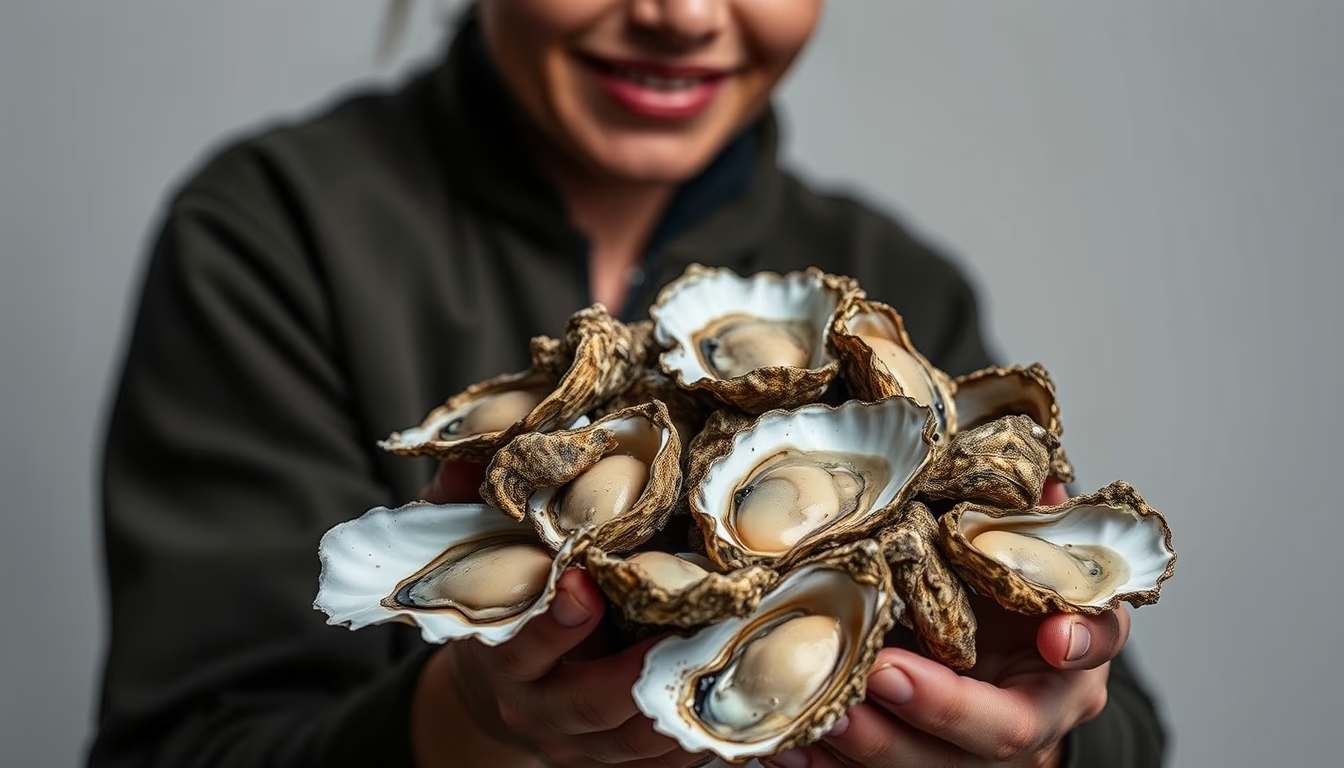
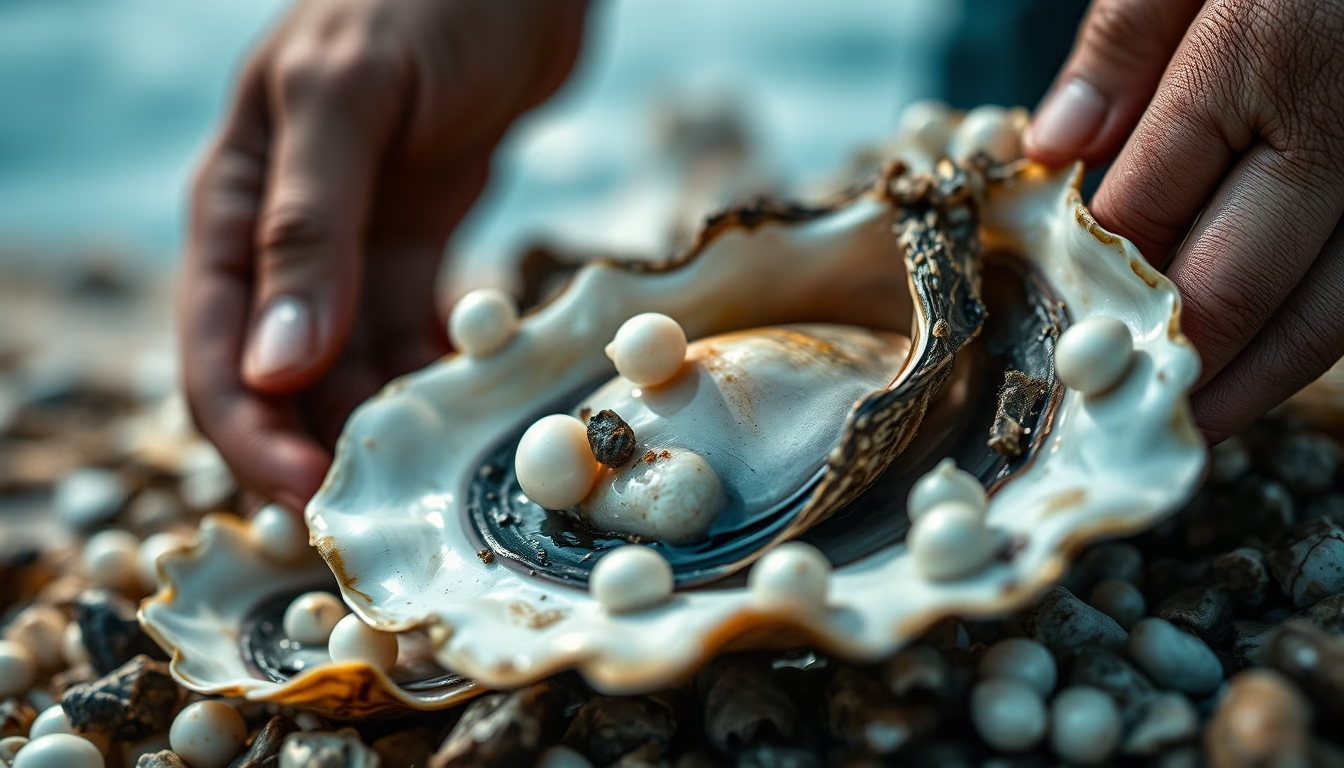
Pearl oyster harvest is the process of extracting cultured pearls from marine farms, mainly concentrated in Asia and Oceania.
About this subject
Pearl oyster harvest is the culmination of a production cycle lasting two to four years. The most used species belong to the genus Pinctada, such as Pinctada fucata (Akoya), Pinctada maxima (South Sea pearls), and Pinctada margaritifera (Tahitian pearls). The process begins with nucleation: a small mother-of-pearl bead is implanted into the oyster's mantle along with a piece of donor tissue, stimulating pearl formation. After the cultivation period, oysters are carefully opened to extract the gems, which are then graded by size, color, and luster.
Major producing centers include Japan (pioneer in modern techniques), Australia (large white pearls), French Polynesia (black pearls), and the Persian Gulf (ancient tradition). Harvesting usually occurs during cooler months when nacre quality is superior. Each oyster can produce only one pearl per cycle, and success rates vary, with many shells discarded for not yielding perfect gems.
Historically, wild pearl oyster exploitation was high-risk and environmentally damaging. In the early 20th century, overfishing by divers decimated natural beds in the Persian Gulf and Central America. The invention of cultured pearls by Kokichi Mikimoto in 1893 revolutionized the industry, making pearls affordable and sustainable. Today, nearly all commercial pearls are farmed, with controlled harvesting to ensure mollusk regeneration.
Contemporary challenges include disease, climate change, and competition from synthetic pearls. Advanced techniques, such as X-ray assessment of nacre thickness without opening the oyster, are being implemented. Harvesting not only yields jewelry but also by-products like oyster meat, used in local cuisine, and shells, transformed into crafts and fertilizer.
Frequently Asked Questions
What is the difference between natural and cultured pearls?
Natural pearls form without human intervention, while cultured ones are induced by a nucleation process on farms. Nearly all commercial pearls today are cultured.
How long does it take to harvest a pearl?
The typical cycle lasts 2 to 4 years, depending on the species and desired size. Larger pearls, such as South Sea pearls, require more time.
Does pearl oyster harvesting kill the animal?
Yes, opening the oyster to extract the pearl usually kills it. However, some techniques allow pearl collection without harming the mollusk, but these are rare.
Direct URL
https://pub-c7d6a6ea828543ac903a74a341ccb2e1.r2.dev/imagens/pearl-oyster-harvest-studio-editorial-portrait-fresh16.avifHow to credit
Include a visible link back to UtilizAí. Copy one of the snippets below:
<a href="https://xn--utiliza-eza.com/en/midia/imagens/pearl-oyster-harvest-studio-editorial-portrait-fresh16">Pearl oyster harvest</a> by <a href="https://xn--utiliza-eza.com">UtilizAí</a>, licensed under <a href="https://creativecommons.org/licenses/by/4.0/">CC BY 4.0</a>.
[Pearl oyster harvest](https://xn--utiliza-eza.com/en/midia/imagens/pearl-oyster-harvest-studio-editorial-portrait-fresh16) by [UtilizAí](https://xn--utiliza-eza.com), CC BY 4.0
License: CC-BY-4.0