Pearl oyster harvest
1344×768 · AVIF · CC BY 4.0
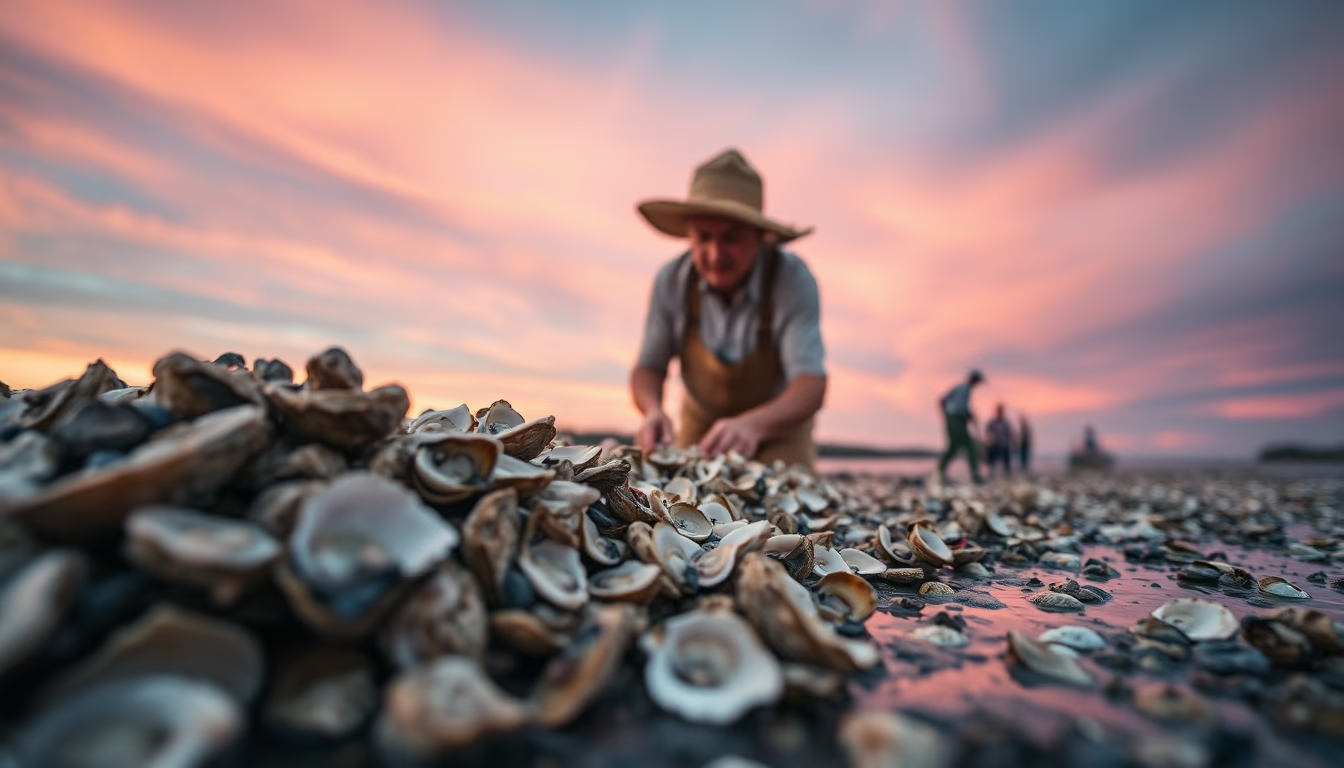
Pearl oyster harvesting is an ancient practice combining tradition, technique, and sustainability in pearl production.
About this subject
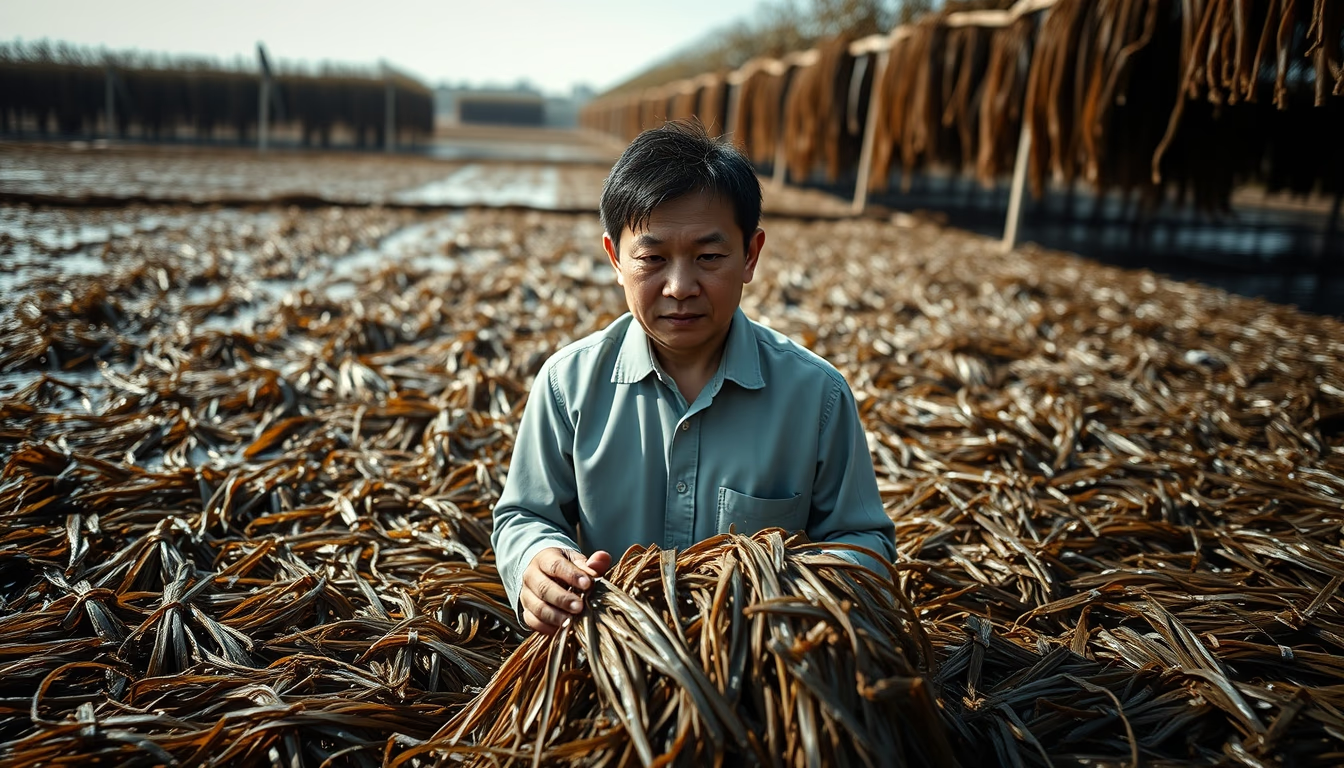
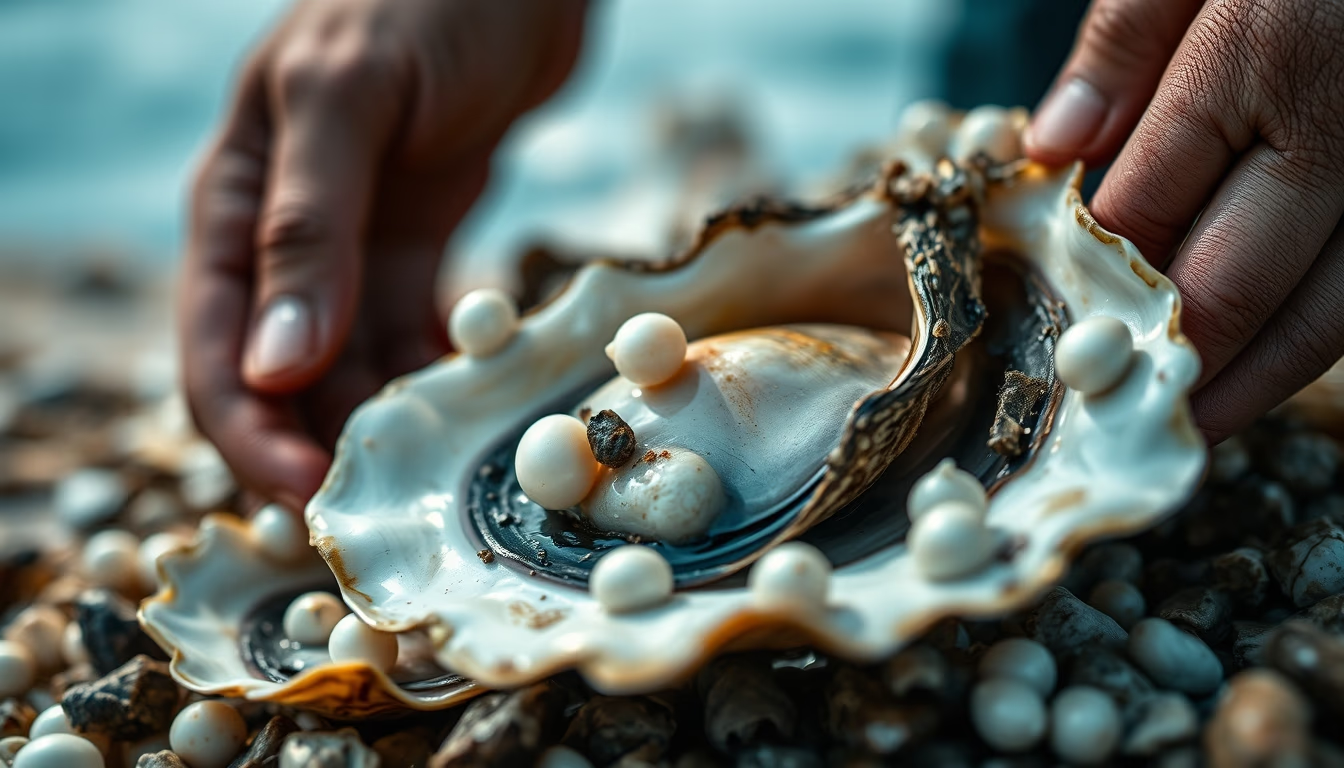
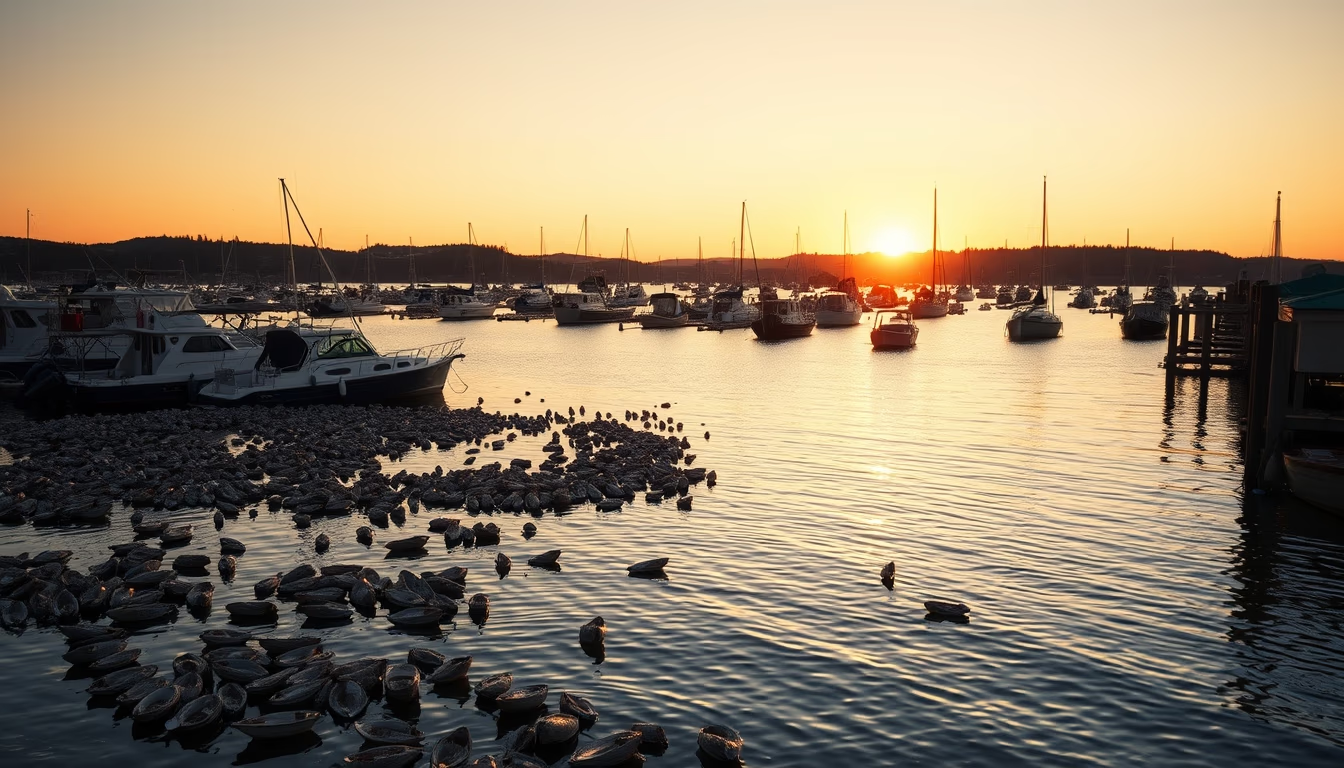
The harvest of pearl oysters, scientifically known as Pinctada, is an activity dating back thousands of years, especially in the Persian Gulf and Indian Ocean. Today, the largest producers are Japan, Australia, French Polynesia, Indonesia, and the Philippines. The process involves careful collection of oysters from farms or natural beds, followed by controlled opening to extract pearls. Modern techniques like nucleation enable the production of cultured pearls, which account for over 99% of the global market.
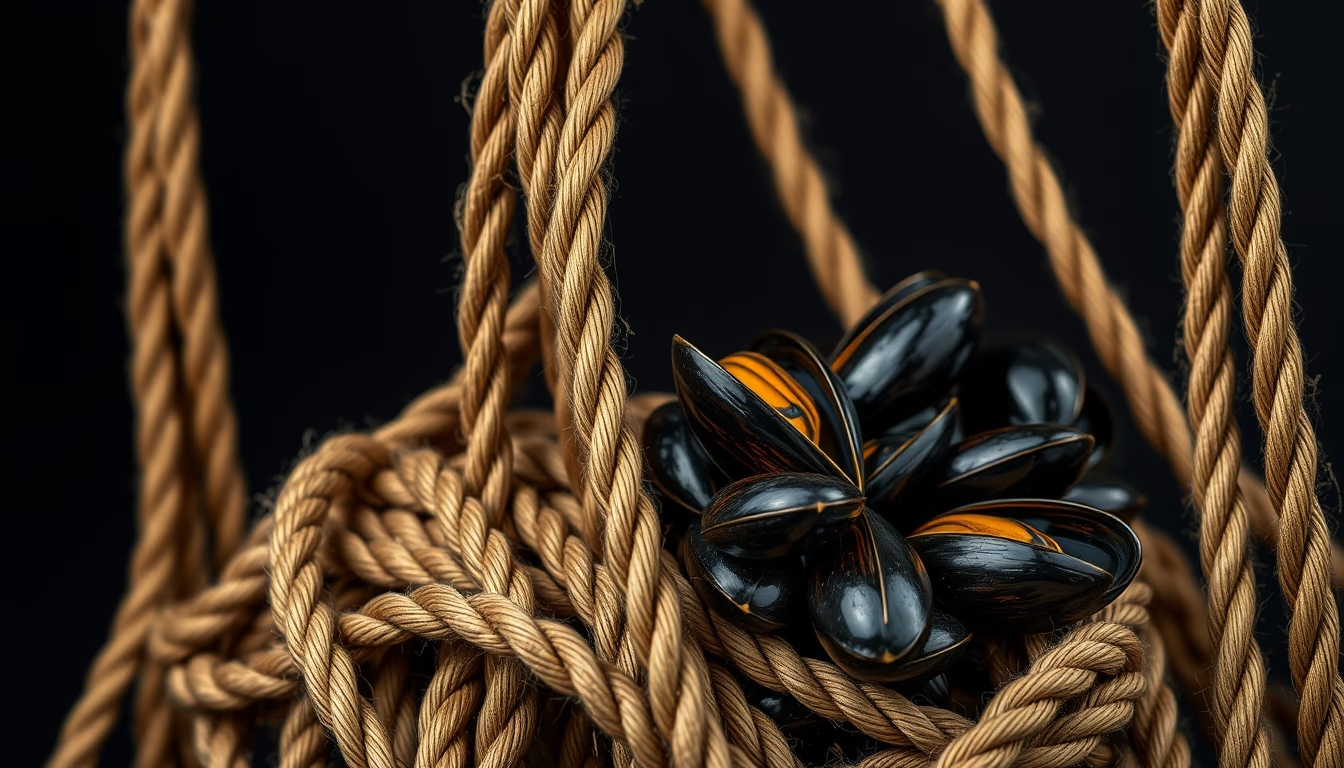
Sustainability is a key aspect of harvesting. Practices such as using collection nets that minimize seabed damage and implementing fallow periods for wild stocks help preserve ecosystems. In Brazil, pearl production is modest, with initiatives in coastal waters of the Northeast, such as Bahia, cultivating the oyster Pinctada imbricata. Pearl quality depends on factors like oyster species, water temperature, and cultivation time, which can range from 18 months to 4 years.
Culturally, pearl oyster harvest is tied to coastal communities that rely on it for livelihood. In Polynesia, pearl harvesting is a family tradition passed down through generations, respecting natural cycles. Beyond economic value, pearls hold symbolism in various cultures, representing purity and wealth. Global demand for pearl jewelry drives innovation, with farms investing in environmental certifications and animal welfare.
Frequently Asked Questions
What is the ideal time to harvest pearl oysters?
The ideal time depends on species and region. Generally, oysters are harvested after 2 to 4 years of cultivation, when pearls reach adequate size and luster.
How does pearl oyster harvesting impact the environment?
When done sustainably, the impact is minimal. Practices like suspended cultivation and area rotation reduce seabed degradation. However, overharvesting wild stocks can lead to overexploitation.
Is there pearl production in Brazil?
Yes, there is small-scale cultured pearl production in regions like Bahia, using the native oyster Pinctada imbricata. The activity is growing.
Direct URL
https://pub-c7d6a6ea828543ac903a74a341ccb2e1.r2.dev/imagens/pearl-oyster-harvest-long-exposure-fresh9.avifHow to credit
Include a visible link back to UtilizAí. Copy one of the snippets below:
<a href="https://xn--utiliza-eza.com/en/midia/imagens/pearl-oyster-harvest-long-exposure-fresh9">Pearl oyster harvest</a> by <a href="https://xn--utiliza-eza.com">UtilizAí</a>, licensed under <a href="https://creativecommons.org/licenses/by/4.0/">CC BY 4.0</a>.
[Pearl oyster harvest](https://xn--utiliza-eza.com/en/midia/imagens/pearl-oyster-harvest-long-exposure-fresh9) by [UtilizAí](https://xn--utiliza-eza.com), CC BY 4.0
License: CC-BY-4.0