Pearl oyster harvest
1344×768 · AVIF · CC BY 4.0
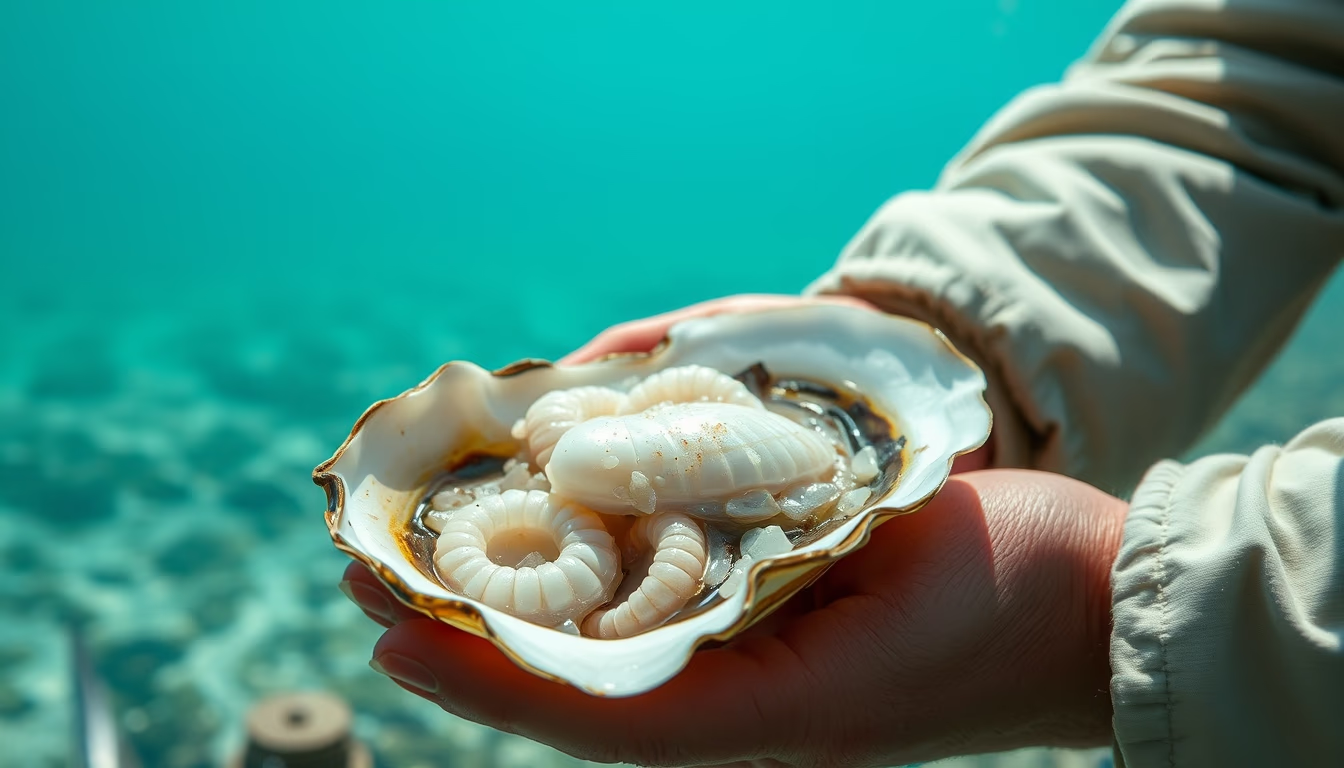
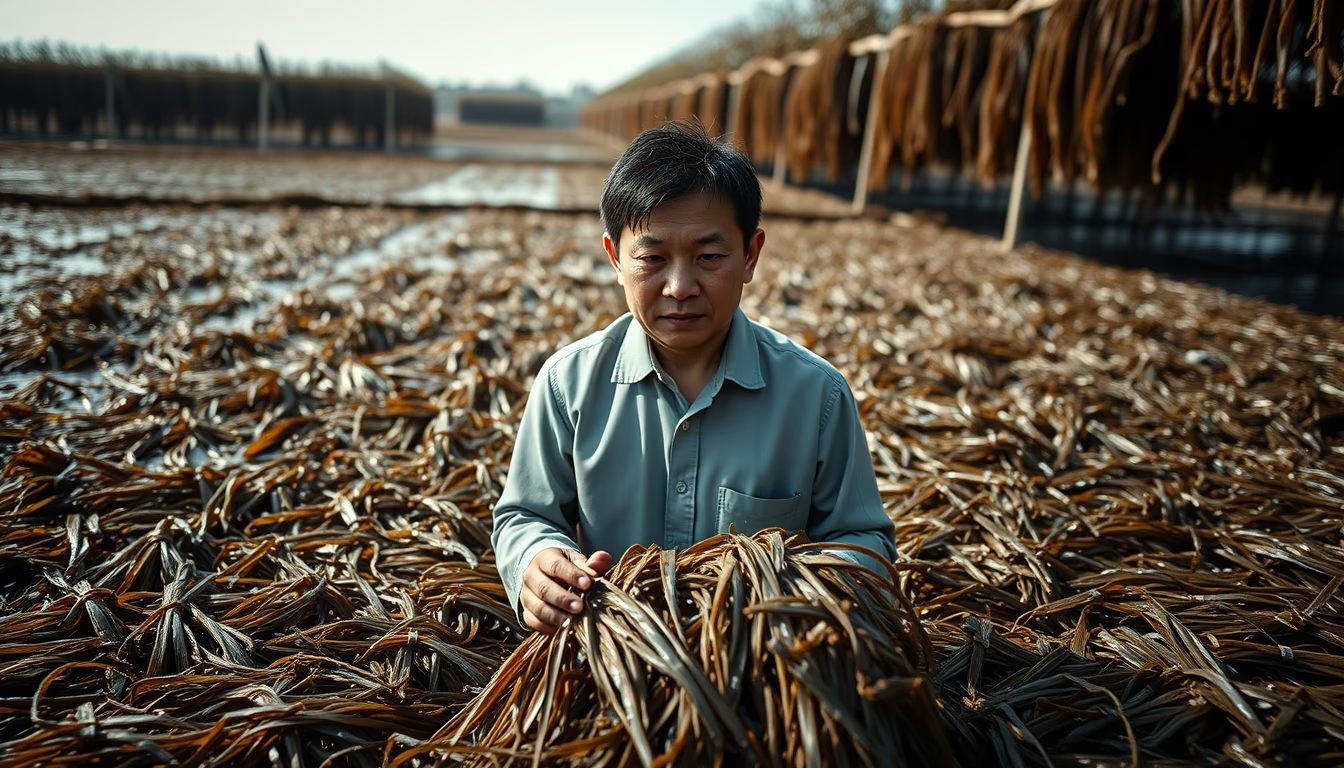
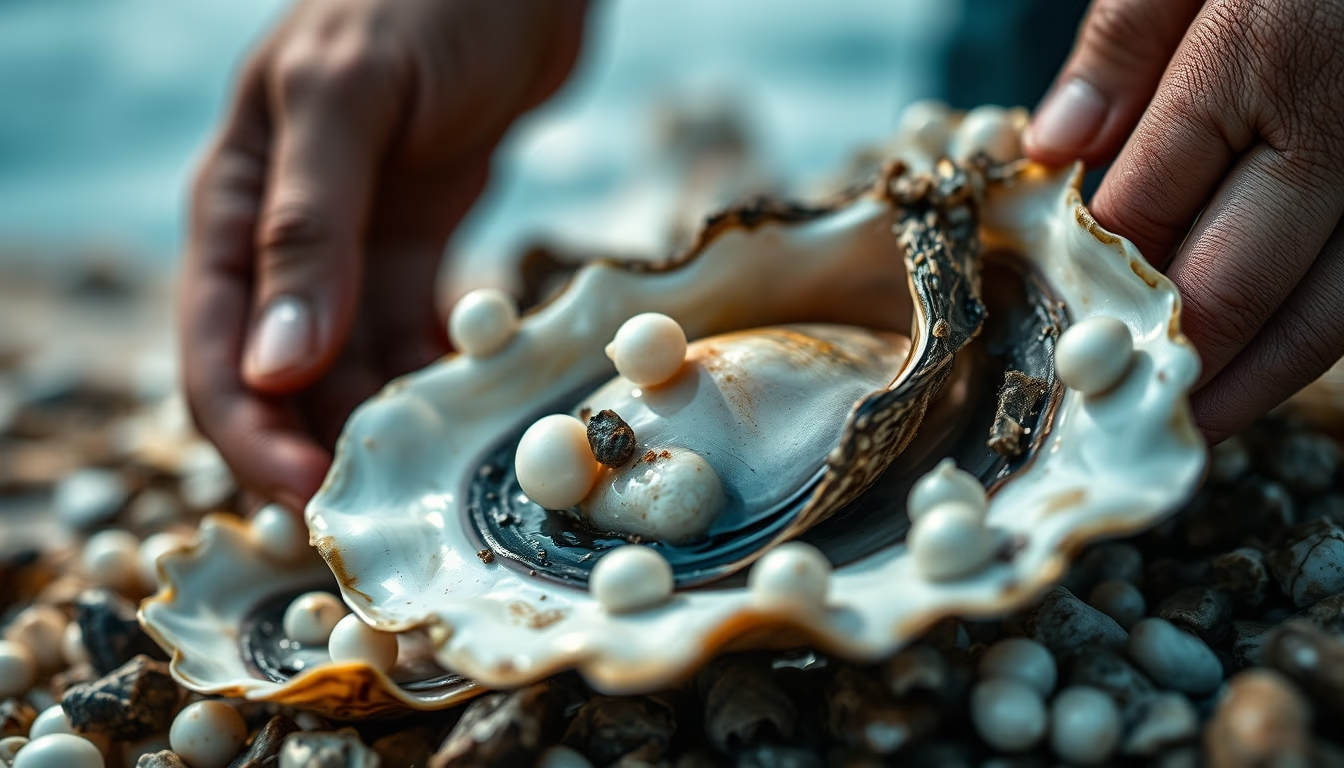
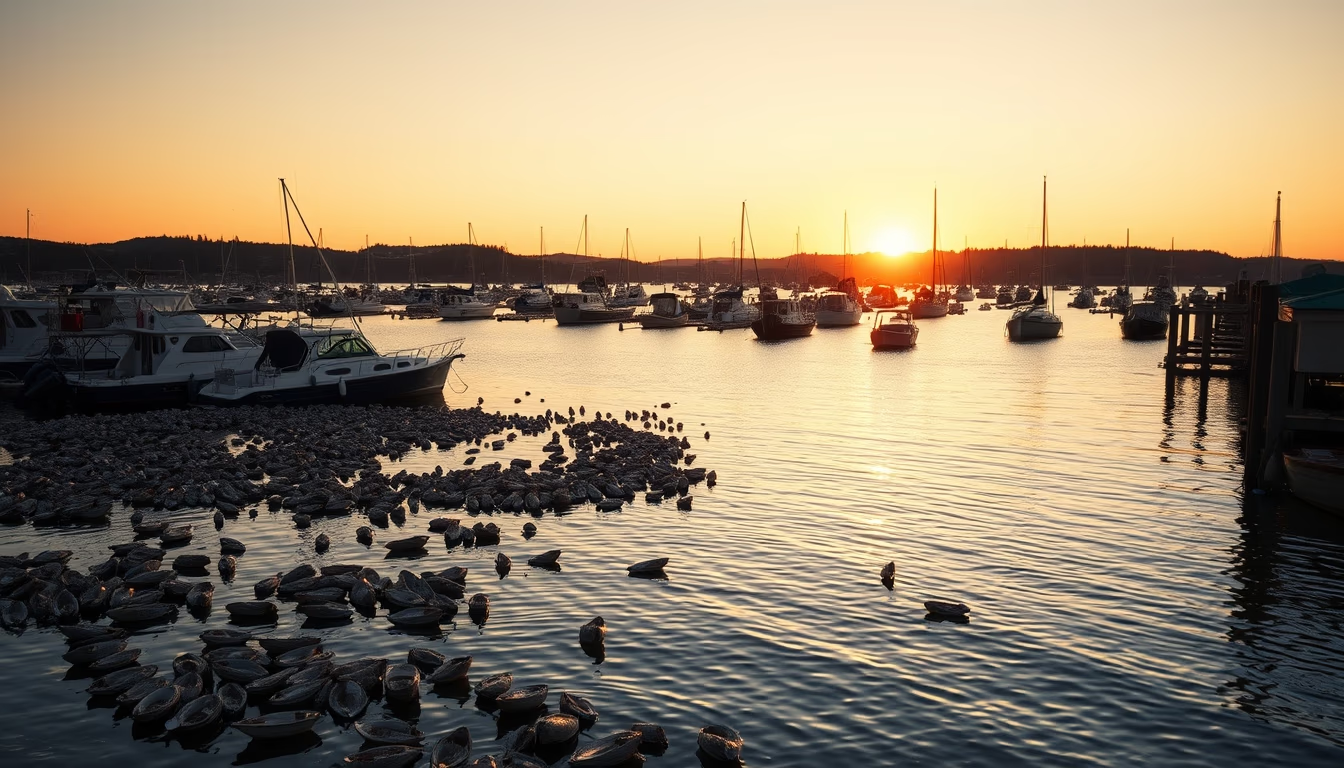
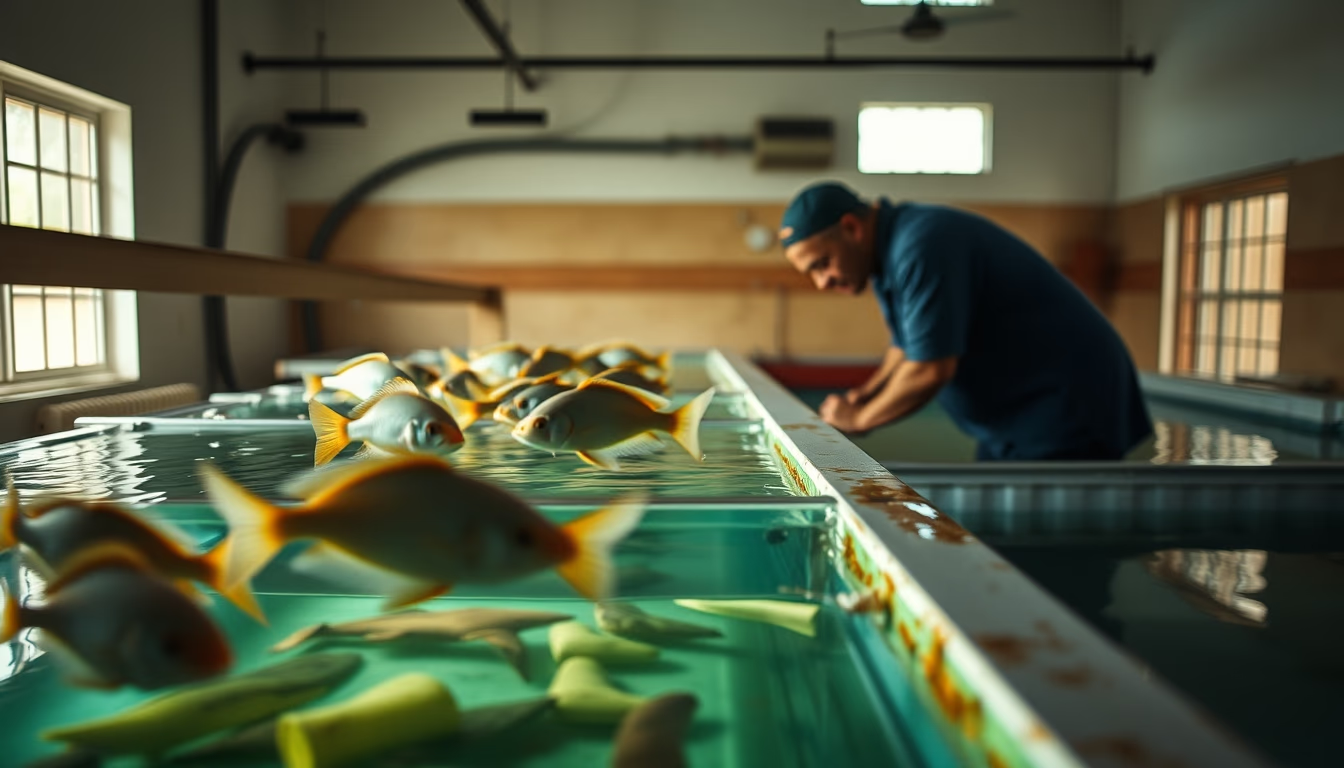
Pearl oyster harvesting combines ancient cultivation techniques with rigorous selection processes to ensure high-quality pearls.
About this subject
Pearl oyster farming is a practice that dates back centuries, with records in China and the Persian Gulf. The main species used are Pinctada maxima, which produces gold and white pearls, and Pinctada margaritifera, famous for Tahitian black pearls. Today, the largest producers include Japan, Australia, French Polynesia, and Indonesia. In Brazil, oyster farming is growing, with freshwater pearl production in the Amazon River and Santa Catarina, although still on a smaller scale compared to Asian countries.
The harvesting process begins with nucleation, where a mother-of-pearl bead is surgically implanted into the oyster's mantle. After a growth period of 2 to 5 years, the oysters are retrieved from the water and carefully opened. The pearl is extracted, cleaned, and graded by size, color, luster, and shape. Only a small fraction achieves gem-quality for jewelry. Oysters that do not produce quality pearls are often reused for nacre production or sustainably discarded.
Economically, the pearl market moves billions of dollars annually. Cultured pearls account for over 99% of global trade, while natural pearls are extremely rare. A pearl's value depends on factors like nacre thickness and lack of imperfections. Interestingly, pearl color is influenced by oyster species and environmental conditions; Tahitian black pearls, for instance, are produced only by Pinctada margaritifera. Sustainability relies on practices such as rotating cultivation areas and monitoring water quality.
Frequently Asked Questions
How are pearl oysters cultivated?
Oysters are cultivated in submerged farms, where they feed on plankton. After nucleation, they remain in suspension for 2 to 5 years, with constant monitoring of health and water quality.
How long does it take for a pearl to form?
Formation time varies from 2 to 5 years, depending on species, water temperature, and desired pearl size. Longer periods yield thicker nacre layers.
Where is the largest pearl production in the world?
Japan leads in Akoya pearls, while French Polynesia is famous for black pearls. Australia and Indonesia produce golden and white pearls from Pinctada maxima.
Direct URL
https://pub-c7d6a6ea828543ac903a74a341ccb2e1.r2.dev/imagens/pearl-oyster-harvest-lo-fi-disposable-camera-fresh7.avifHow to credit
Include a visible link back to UtilizAí. Copy one of the snippets below:
<a href="https://xn--utiliza-eza.com/en/midia/imagens/pearl-oyster-harvest-lo-fi-disposable-camera-fresh7">Pearl oyster harvest</a> by <a href="https://xn--utiliza-eza.com">UtilizAí</a>, licensed under <a href="https://creativecommons.org/licenses/by/4.0/">CC BY 4.0</a>.
[Pearl oyster harvest](https://xn--utiliza-eza.com/en/midia/imagens/pearl-oyster-harvest-lo-fi-disposable-camera-fresh7) by [UtilizAí](https://xn--utiliza-eza.com), CC BY 4.0
License: CC-BY-4.0