Pearl oyster harvest
1344×768 · AVIF · CC BY 4.0

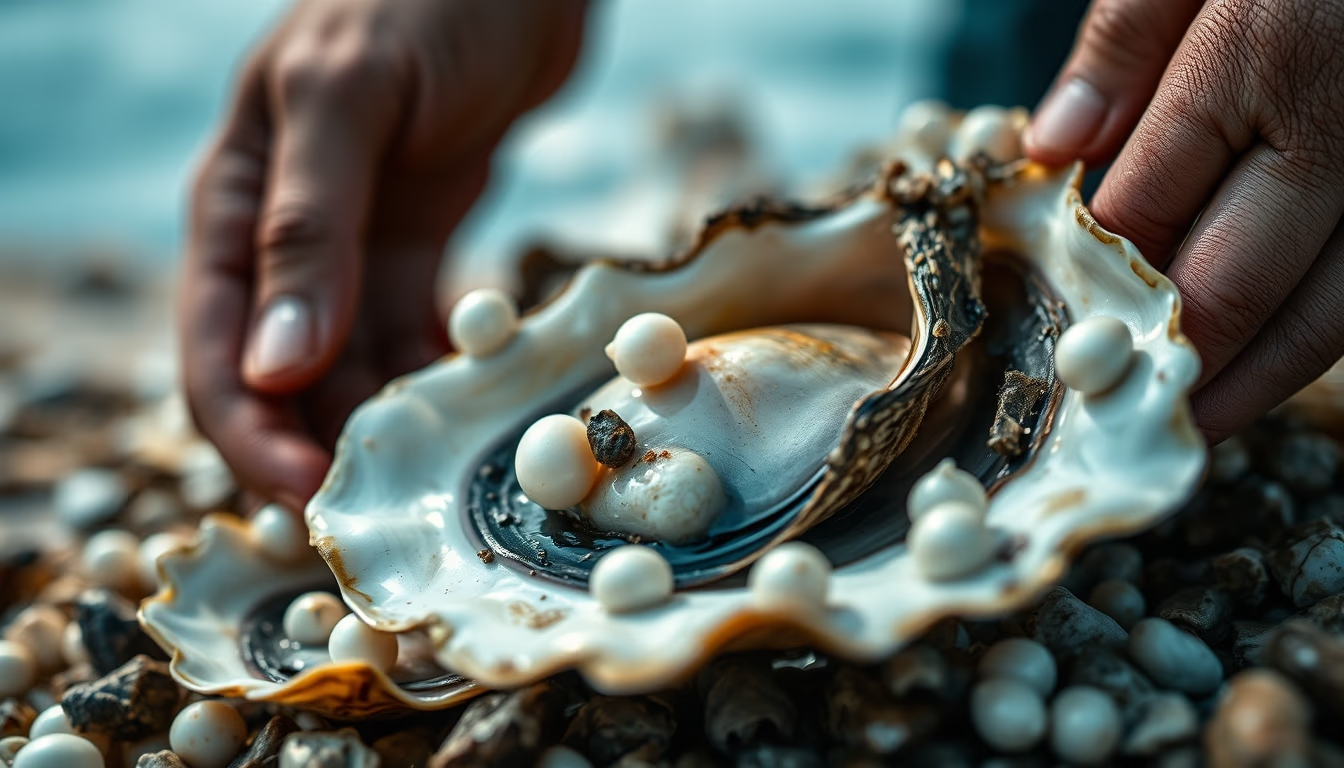
Pearl oyster harvesting is a delicate process blending tradition, technique, and precision to extract one of the sea's most valuable gems.
About this subject
Pearl oyster harvesting is an ancient practice that has transformed coastal economies worldwide. Unlike the predatory fishing of wild oysters, modern aquaculture has developed sustainable methods to cultivate and harvest high-quality pearls. Major producing centers include Japan, French Polynesia, Australia, and the Persian Gulf, each with specific species such as Pinctada fucata (akoya), Pinctada margaritifera (black pearl), and Pinctada maxima (South Sea pearl).
The process begins with careful selection of healthy oysters, which undergo a grafting surgery where a nucleus, usually made of mother-of-pearl, is implanted together with a piece of donor tissue. The oysters are then placed in submerged rafts for periods ranging from 6 months to 2 years, depending on the species and desired pearl size. During this time, oysters are monitored for health, water temperature, and plankton levels.
Harvesting itself occurs in specific seasons, typically during colder months to minimize animal stress. Workers open each oyster manually using specialized knives, extract the pearl, and assess its quality based on luster, color, shape, and surface. Only about 5% of harvested pearls are considered high quality for fine jewelry, while the rest are used in cosmetic applications or ground for pharmaceutical products.
Beyond economic value, pearl oyster harvesting carries significant cultural impact. In Polynesia, the black pearl is regarded as a symbol of fertility and power, while in Japan the tradition of akoya pearl cultivation dates back to the early 20th century when Kokichi Mikimoto created the first cultured pearl. Sustainability is also a growing concern: practices such as rotating farming areas and using biodegradable materials in rafts help protect marine ecosystems.
Frequently Asked Questions
What is the difference between natural and cultured pearls?
Natural pearls form without human intervention when an irritant enters the oyster. Cultured pearls are induced by grafting a nucleus and tissue, allowing control over size, shape, and color, and represent the majority of pearls sold today.
How long does it take for a pearl oyster to produce a pearl?
The cultivation period ranges from 6 months to 2 years, depending on the species and desired size. Akoya pearls take about 1 year, while South Sea pearls may take up to 2 years to reach larger diameters.
Is pearl oyster harvesting harmful to the environment?
When done sustainably, pearl aquaculture can be beneficial as oysters filter water and rafts create habitats for other species. However, poor practices can lead to pollution and reef degradation.
Direct URL
https://pub-c7d6a6ea828543ac903a74a341ccb2e1.r2.dev/imagens/pearl-oyster-harvest-high-fashion-editorial-fresh4.avifHow to credit
Include a visible link back to UtilizAí. Copy one of the snippets below:
<a href="https://xn--utiliza-eza.com/en/midia/imagens/pearl-oyster-harvest-high-fashion-editorial-fresh4">Pearl oyster harvest</a> by <a href="https://xn--utiliza-eza.com">UtilizAí</a>, licensed under <a href="https://creativecommons.org/licenses/by/4.0/">CC BY 4.0</a>.
[Pearl oyster harvest](https://xn--utiliza-eza.com/en/midia/imagens/pearl-oyster-harvest-high-fashion-editorial-fresh4) by [UtilizAí](https://xn--utiliza-eza.com), CC BY 4.0
License: CC-BY-4.0