Pearl oyster harvest
1344×768 · AVIF · CC BY 4.0
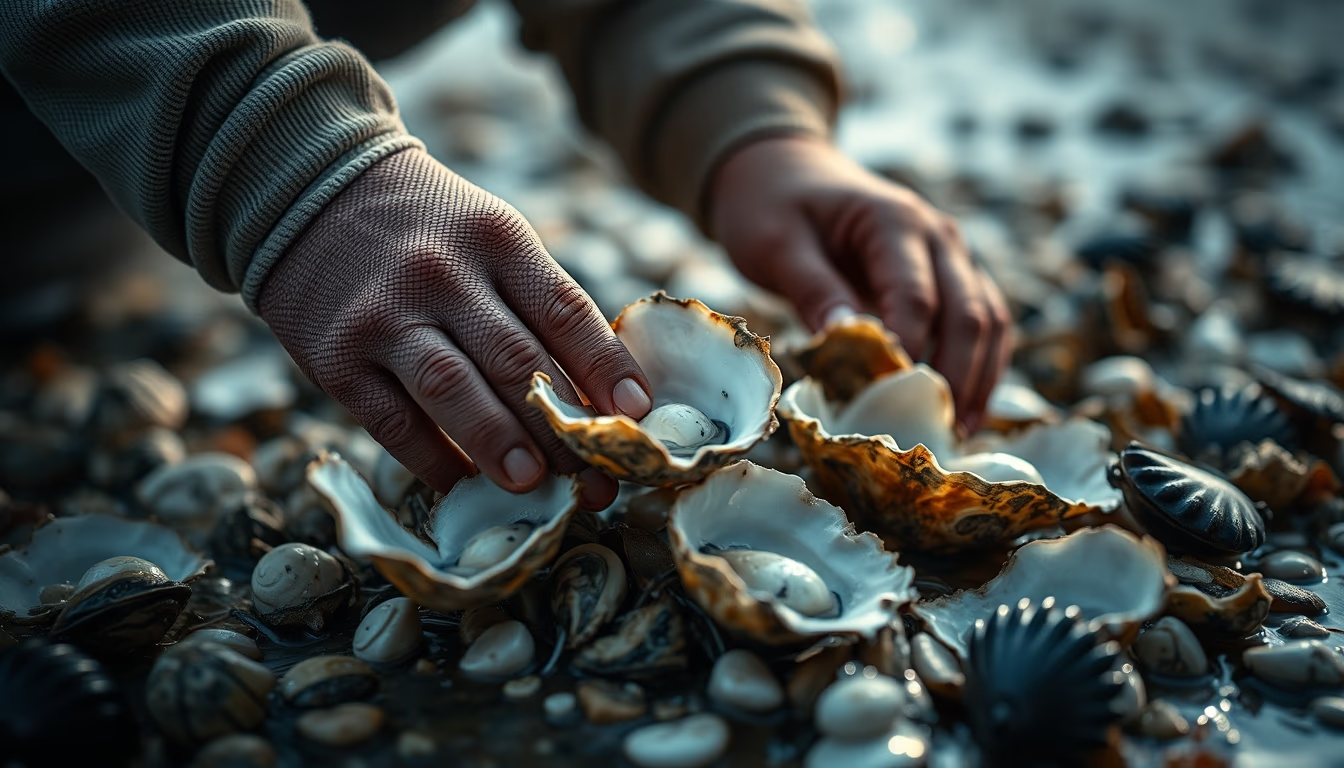
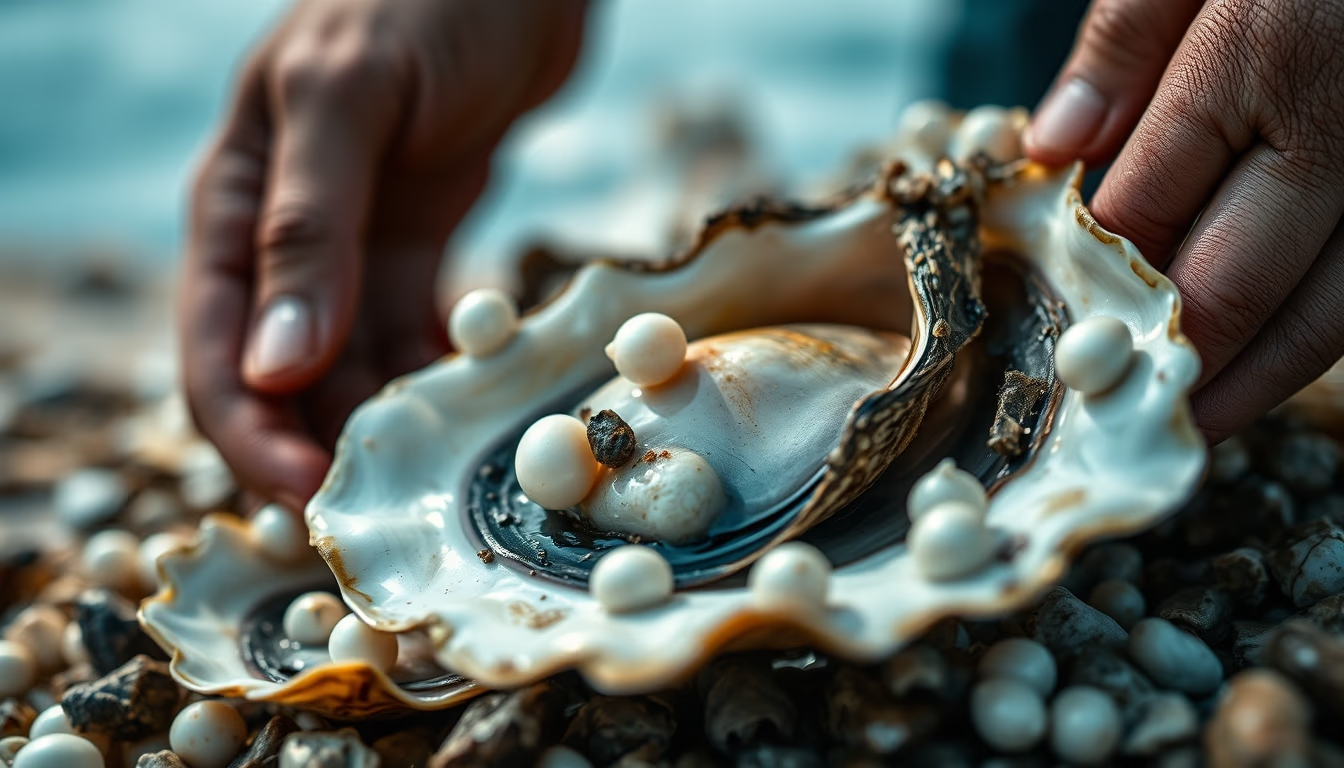
Pearl oyster harvesting is the process of extracting cultured pearls from marine farms, combining traditional techniques with modern technology.
About this subject
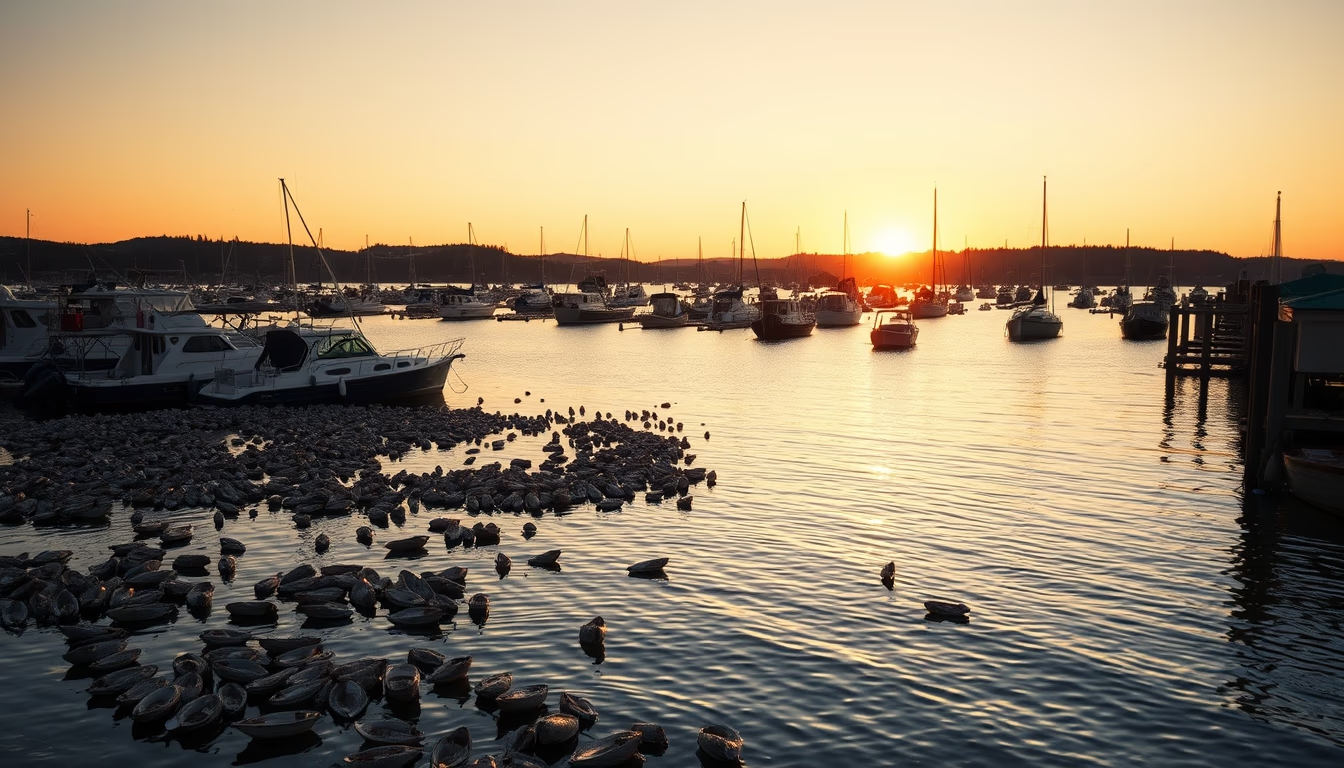
Pearl oyster harvesting is the final stage of pearl cultivation, where oysters of the Pinctada genus are retrieved from submerged farms to extract the gems. This process predominantly occurs in coastal regions of the Pacific Ocean, such as Japan, French Polynesia, Australia, and Indonesia, where warm, plankton-rich waters favor mollusk growth. The cultivation technique was revolutionized by Kokichi Mikimoto in the early 20th century, who patented the first method for producing cultured pearls, transforming the global jewelry industry.
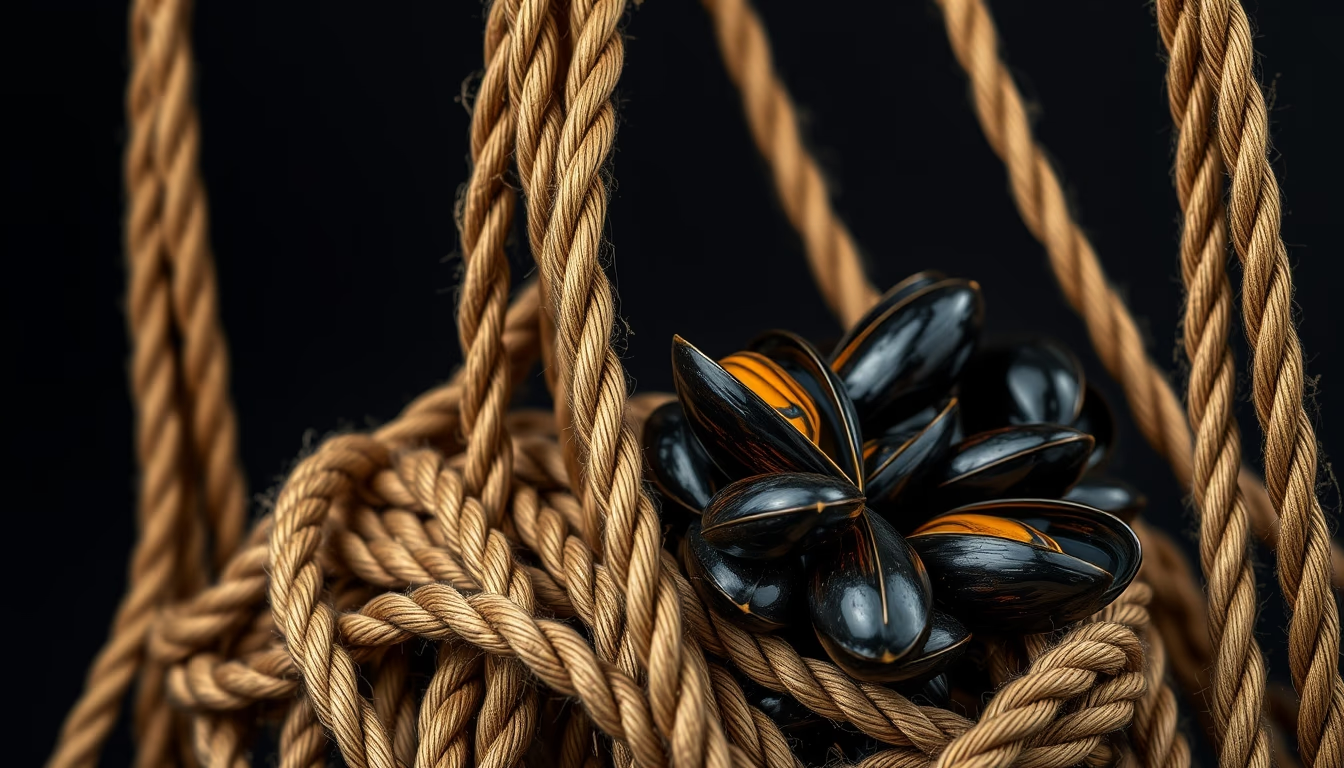
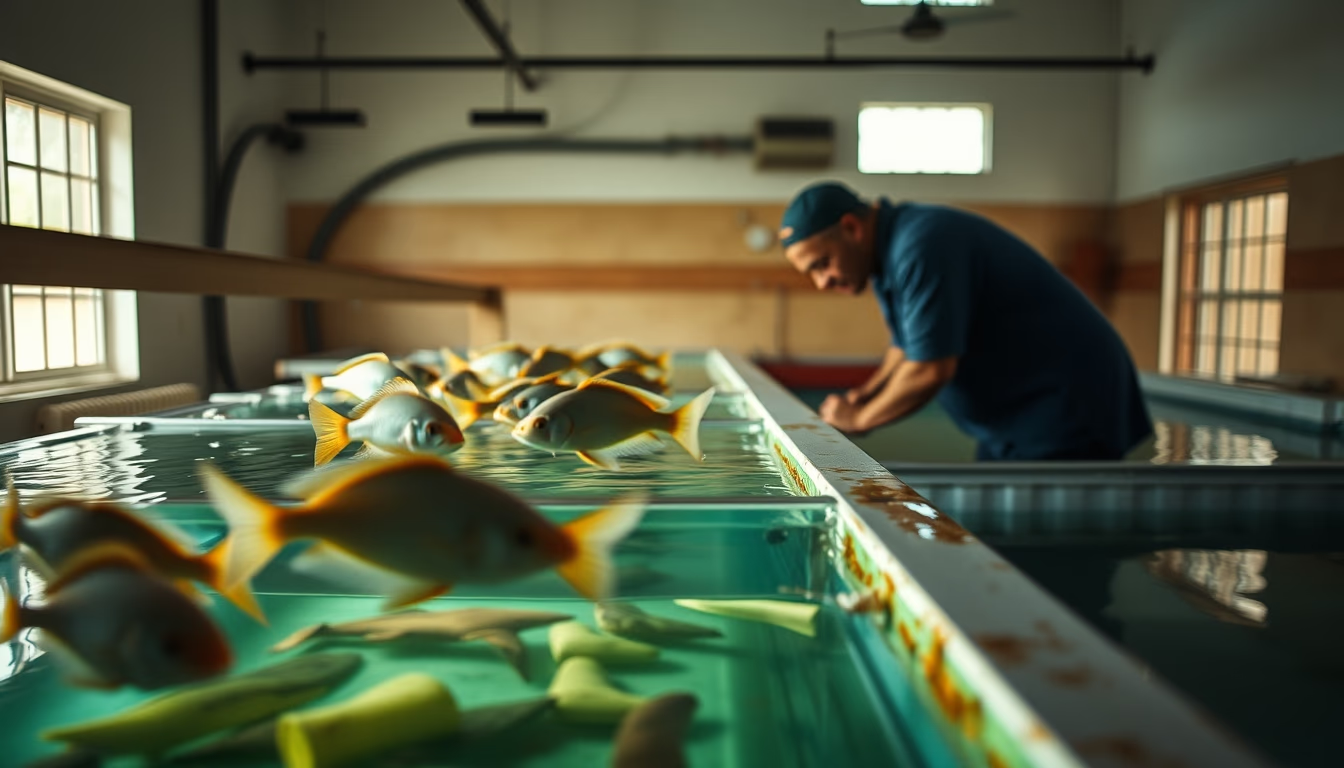
The procedure begins with implanting a nucleus made of mother-of-pearl (usually from freshwater mussel shells) and a piece of donor tissue into the oyster. This graft stimulates the production of nacre layers around the nucleus. After two to four years, the oysters are carefully opened and the pearls are removed. Harvesting is a manual process requiring precision to avoid damaging the gem or unnecessarily killing the mollusk, though many oysters can be re-implanted for further production.
Economically, the cultured pearl industry moves billions of dollars, with Japan and French Polynesia leading in akoya and Tahitian pearls, respectively. South Sea pearls, cultivated in Australia and Indonesia, are the largest and most valuable. Beyond commercial value, pearl oyster farms contribute to marine conservation by creating artificial habitats and promoting sustainable practices. A curiosity: fewer than 5% of pearls sold today are natural; the rest are cultured.
Frequently Asked Questions
How is pearl oyster harvesting done?
Harvesting begins by retrieving the oysters from the farms. The mollusks are carefully opened, and the pearls are removed manually. After extraction, oysters can be re-implanted with new nuclei to produce more pearls.
How long does it take for a pearl to form?
The formation of a cultured pearl takes two to four years, depending on the oyster species and environmental conditions. Larger pearls, such as South Sea pearls, may require more time.
What is the difference between natural and cultured pearls?
Natural pearls form without human intervention when an irritant accidentally enters the oyster. Cultured pearls are produced by deliberately introducing a nucleus and donor tissue. Both are composed of nacre, but cultured pearls make up the vast majority of today's market.
Direct URL
https://pub-c7d6a6ea828543ac903a74a341ccb2e1.r2.dev/imagens/pearl-oyster-harvest-fine-art-photography-fresh0.avifHow to credit
Include a visible link back to UtilizAí. Copy one of the snippets below:
<a href="https://xn--utiliza-eza.com/en/midia/imagens/pearl-oyster-harvest-fine-art-photography-fresh0">Pearl oyster harvest</a> by <a href="https://xn--utiliza-eza.com">UtilizAí</a>, licensed under <a href="https://creativecommons.org/licenses/by/4.0/">CC BY 4.0</a>.
[Pearl oyster harvest](https://xn--utiliza-eza.com/en/midia/imagens/pearl-oyster-harvest-fine-art-photography-fresh0) by [UtilizAí](https://xn--utiliza-eza.com), CC BY 4.0
License: CC-BY-4.0