Oyster mushroom growing
1344×768 · AVIF · CC BY 4.0
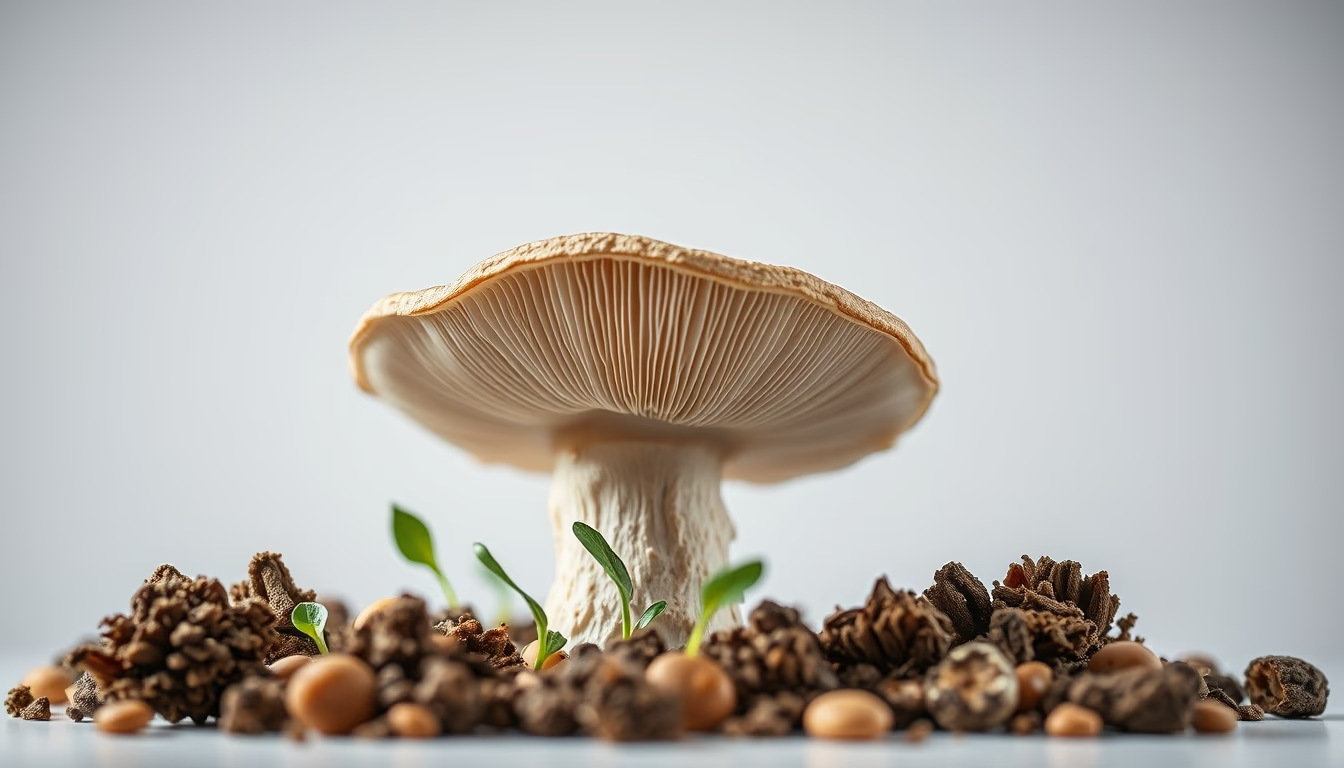
Oyster mushroom (Pleurotus ostreatus) cultivation: characteristics, techniques, and importance in sustainable food.
About this subject
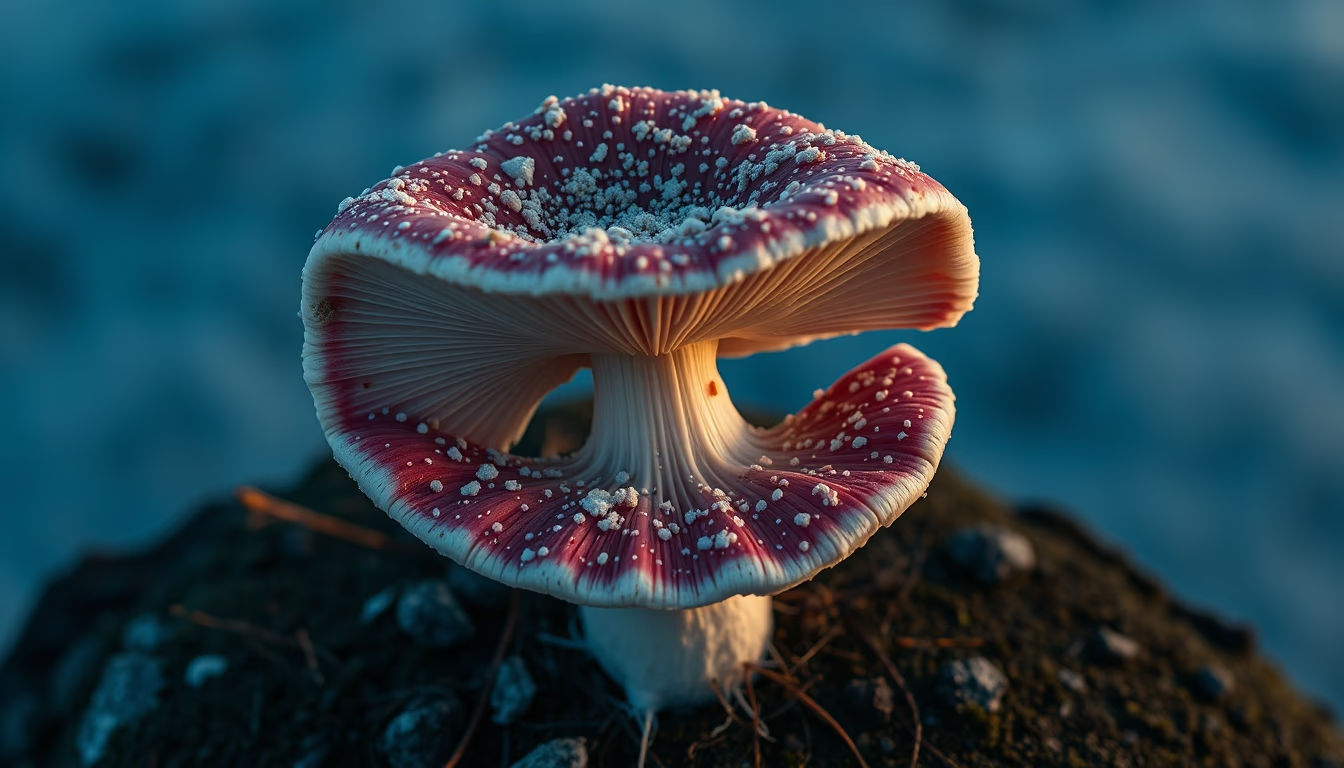
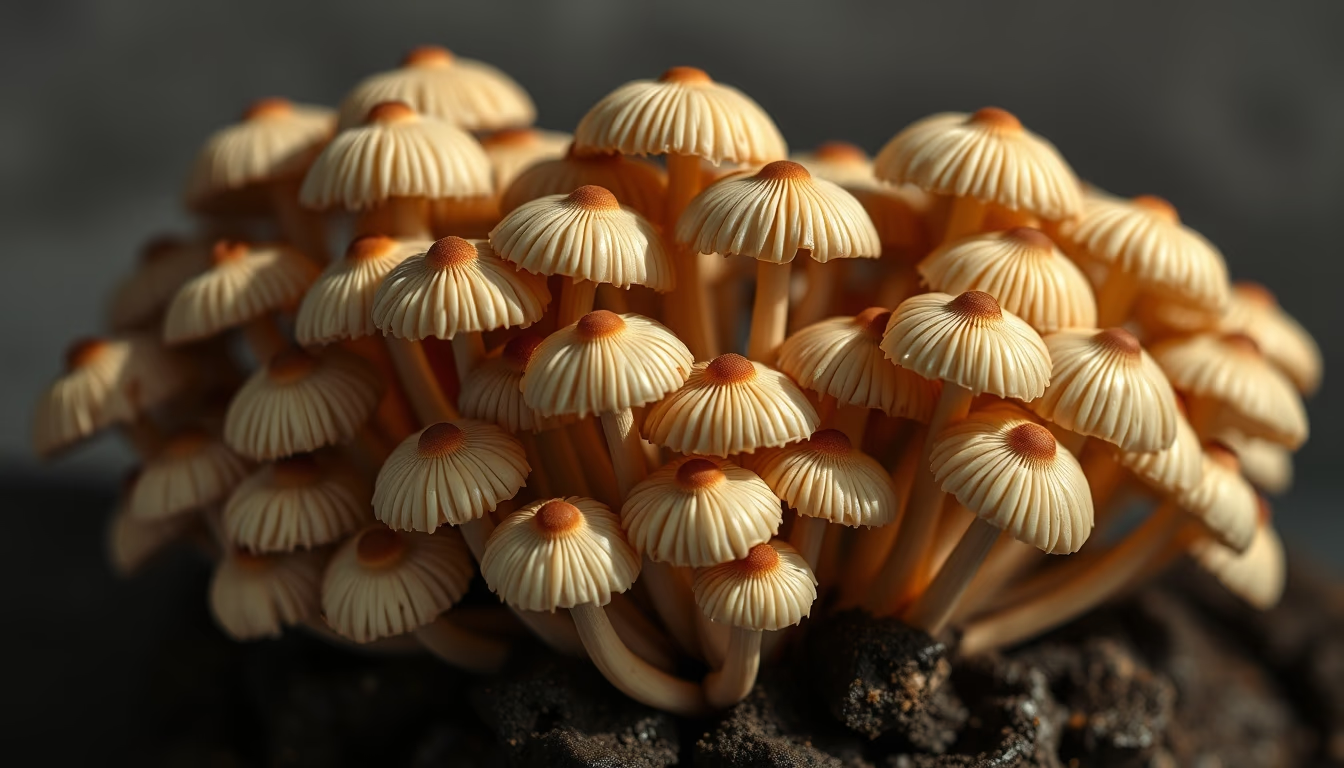
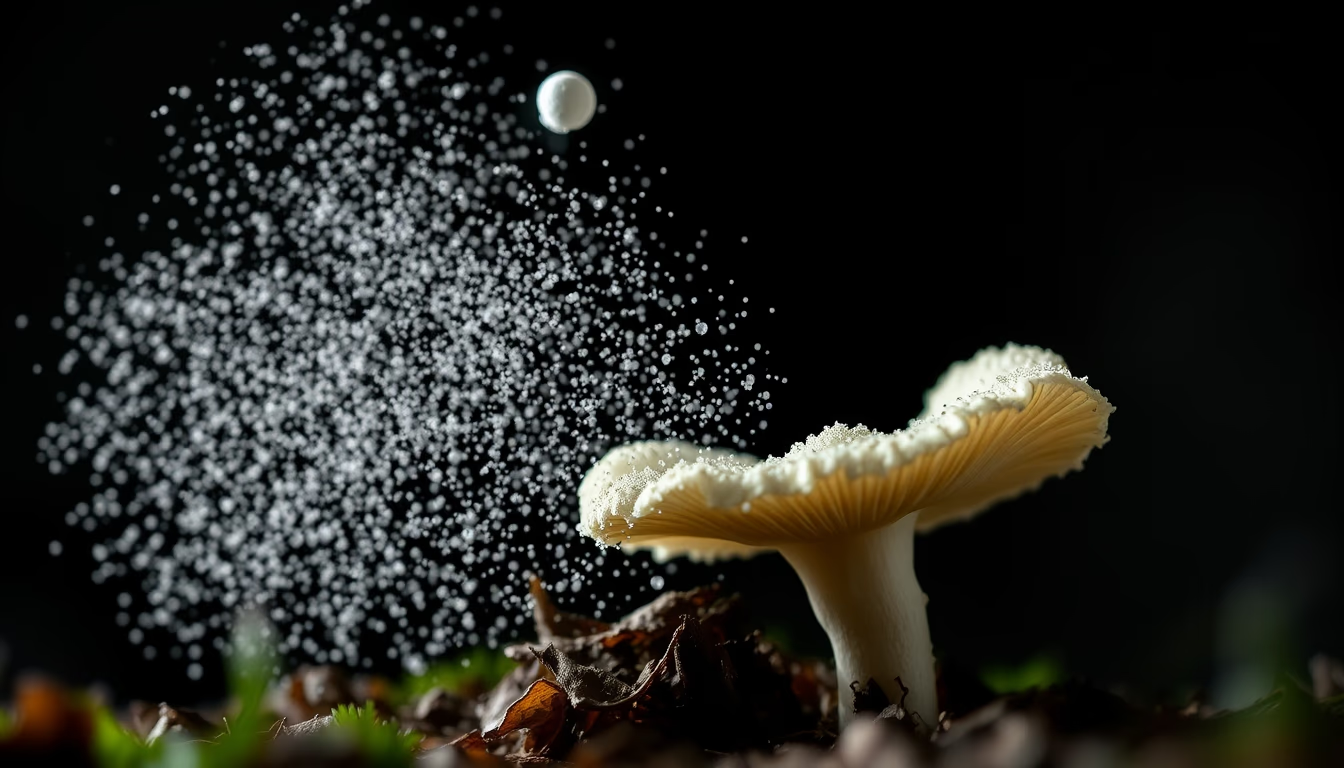
The oyster mushroom, scientifically known as Pleurotus ostreatus, is one of the most widely cultivated edible fungi in the world. Its oyster-like shape and coloration ranging from gray to light brown make it a popular item in markets and recipes. Native to temperate and subtropical regions, it is now produced on a large scale in countries such as China, the United States, and Brazil.
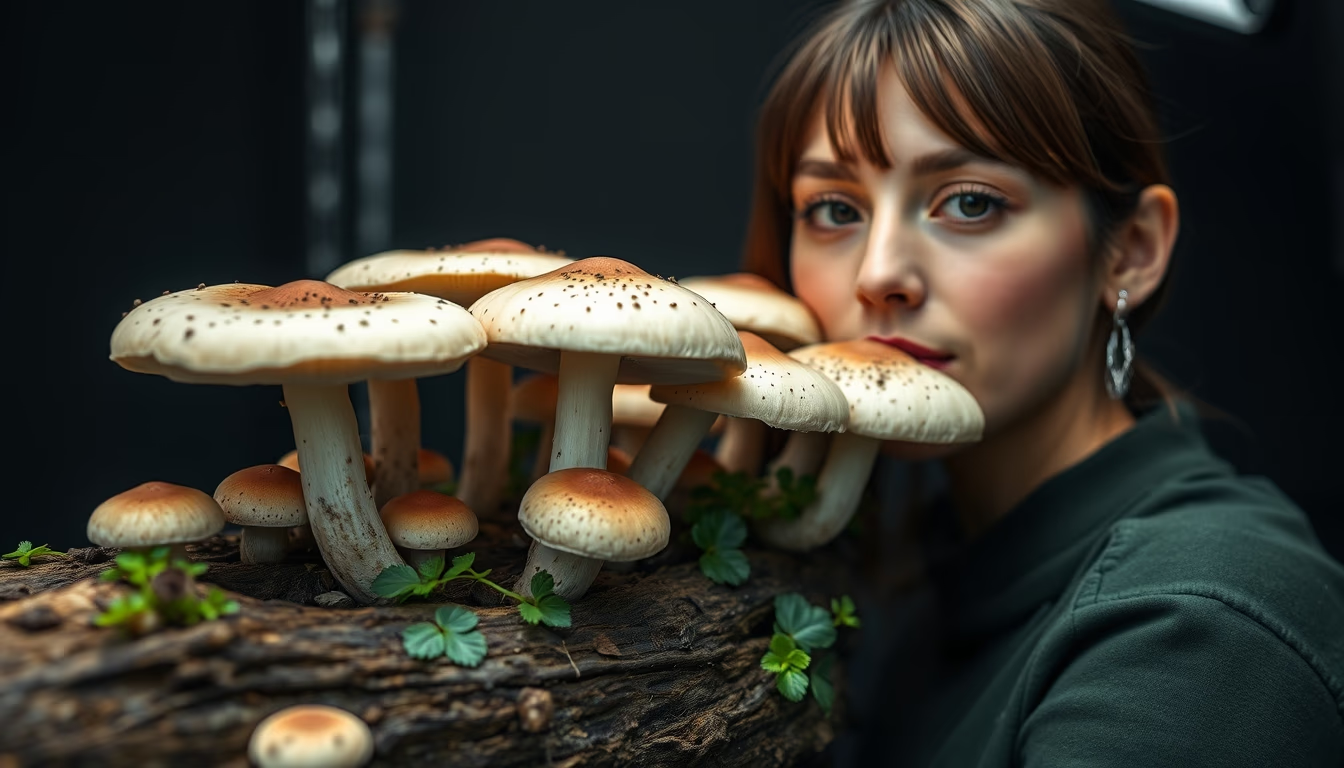
Cultivating oyster mushrooms is relatively simple and can be done on substrates like wheat straw, sawdust, or coffee grounds. The process involves pasteurizing the substrate, inoculating it with mycelium, and incubating in a humid, dark environment. After a few weeks, the mushrooms fruit and are ready for harvest. This ease of cultivation makes it ideal for small-scale farmers and urban sustainable agriculture initiatives.
Nutritionally, oyster mushrooms are rich in protein, fiber, B vitamins, and minerals like potassium and phosphorus. They are also low in calories and fat. Studies suggest they can help lower cholesterol levels and boost the immune system.
In cooking, oyster mushrooms are versatile: they can be sautéed, grilled, added to soups, risottos, and sauces. Their mild flavor and tender texture appeal to many palates, making them a common ingredient in Asian cuisine and increasingly in Western gastronomy.
Frequently Asked Questions
What are the health benefits of oyster mushrooms?
Oyster mushrooms are rich in protein, fiber, and B vitamins. Studies suggest they may help lower cholesterol and boost the immune system.
How can I grow oyster mushrooms at home?
You can use substrates like straw or sawdust, pasteurize them, inoculate with mycelium, and keep in a humid, dark place. Within weeks, the mushrooms will begin to fruit.
What is the difference between oyster mushroom and shimeji?
Oyster mushroom (Pleurotus ostreatus) has a broad cap and soft texture. Shimeji (Pleurotus eryngii or others) generally has a thicker stem and a more distinct flavor.
Direct URL
https://pub-c7d6a6ea828543ac903a74a341ccb2e1.r2.dev/imagens/oyster-mushroom-growing-studio-still-life-p2.avifHow to credit
Include a visible link back to UtilizAí. Copy one of the snippets below:
<a href="https://xn--utiliza-eza.com/en/midia/imagens/oyster-mushroom-growing-studio-still-life-p2">Oyster mushroom growing</a> by <a href="https://xn--utiliza-eza.com">UtilizAí</a>, licensed under <a href="https://creativecommons.org/licenses/by/4.0/">CC BY 4.0</a>.
[Oyster mushroom growing](https://xn--utiliza-eza.com/en/midia/imagens/oyster-mushroom-growing-studio-still-life-p2) by [UtilizAí](https://xn--utiliza-eza.com), CC BY 4.0
License: CC-BY-4.0