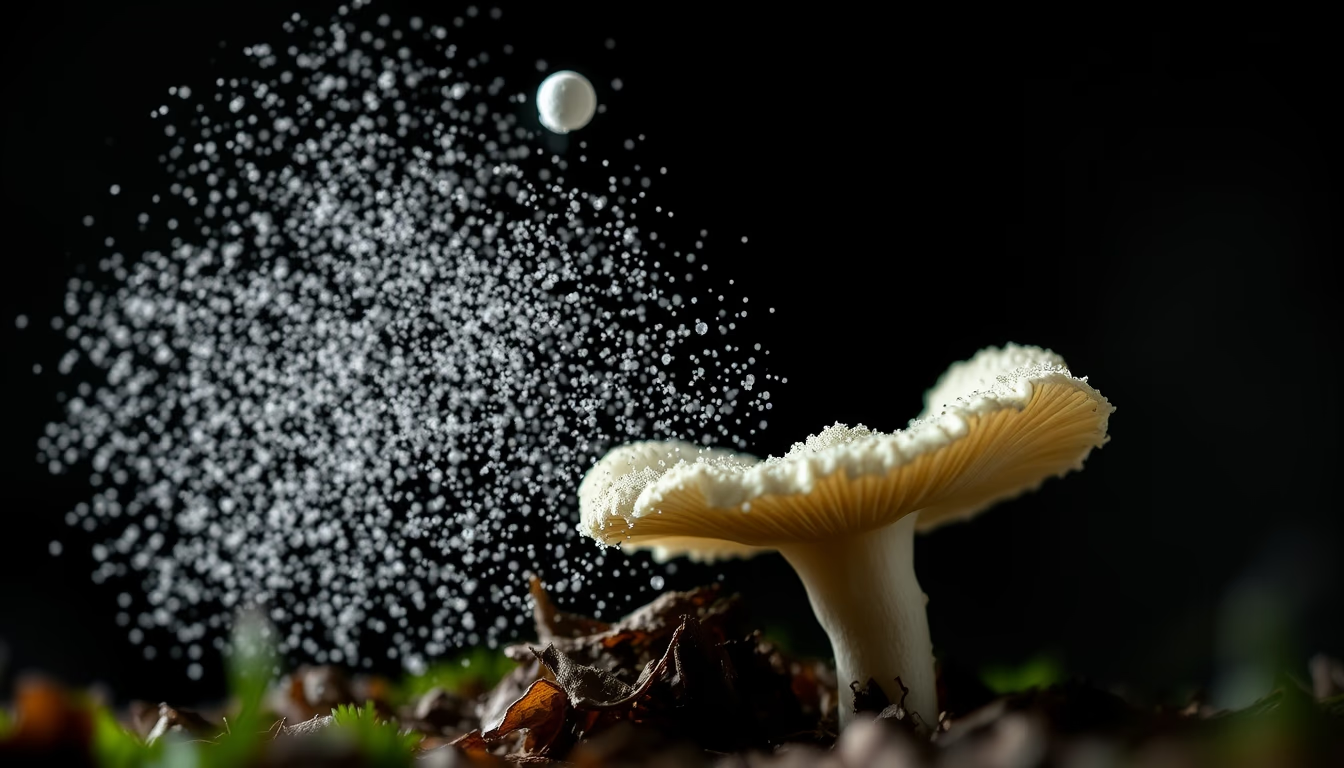
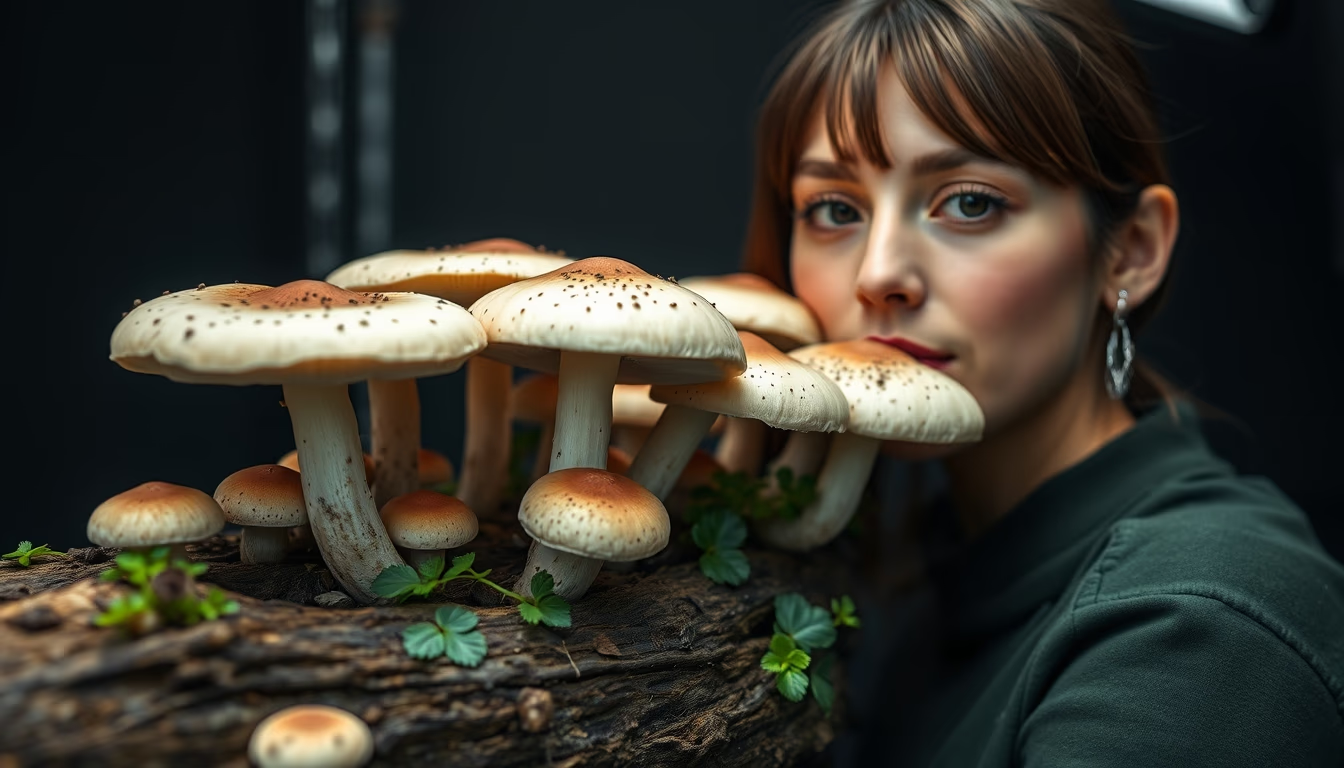
Oyster mushroom growing
1344×768 · AVIF · CC BY 4.0
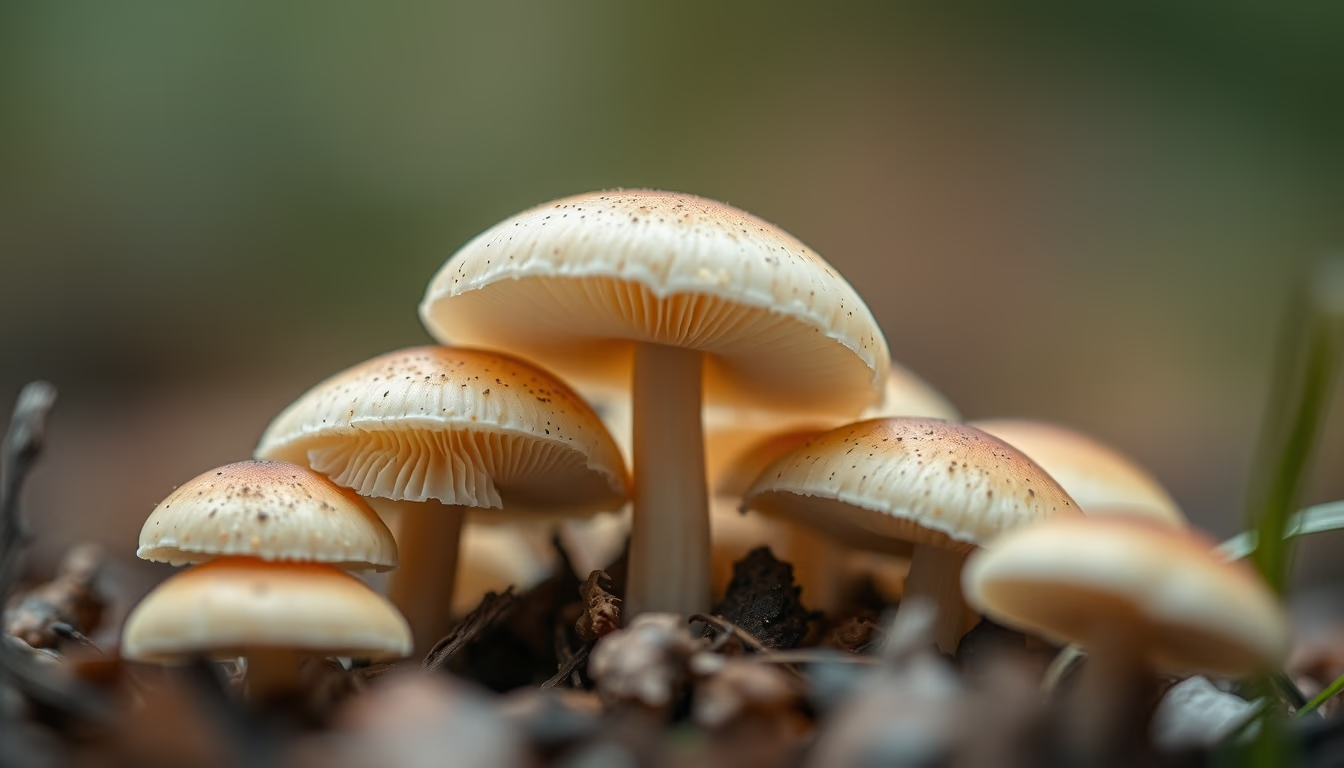
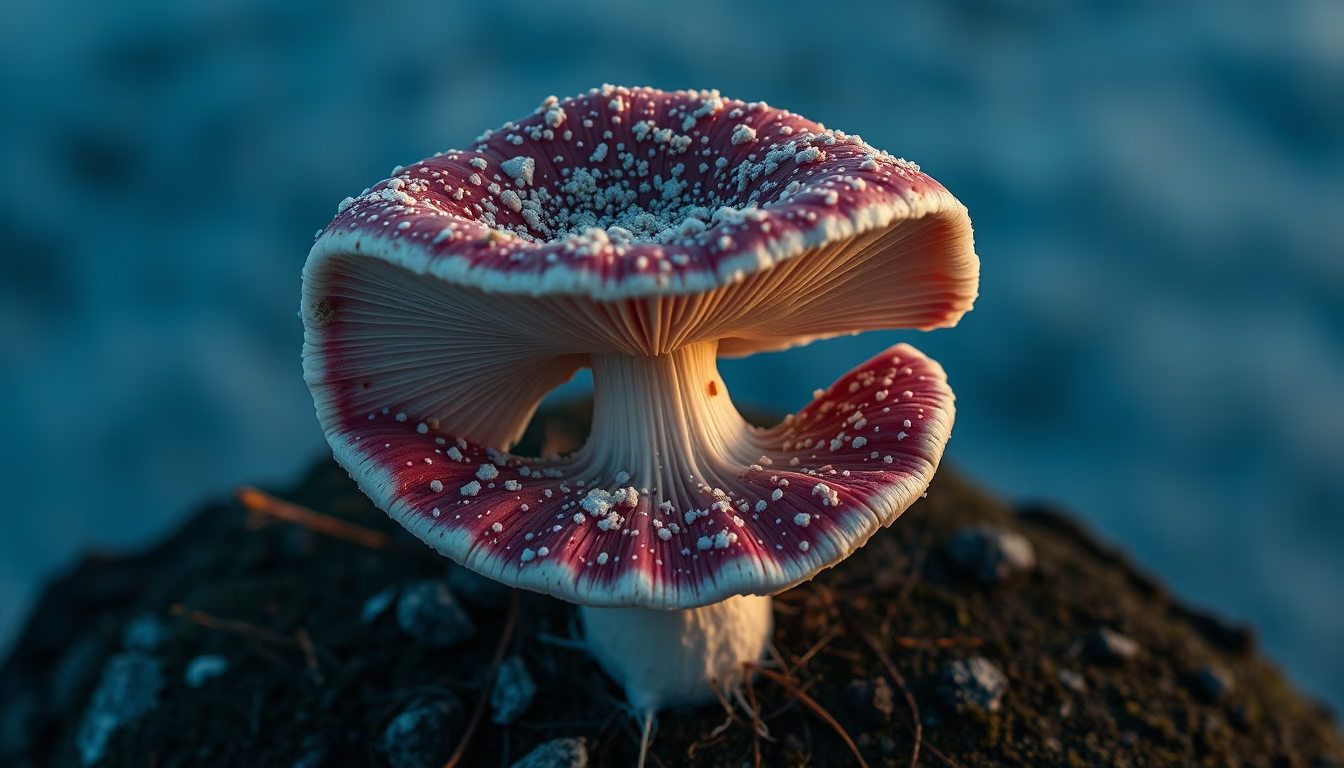
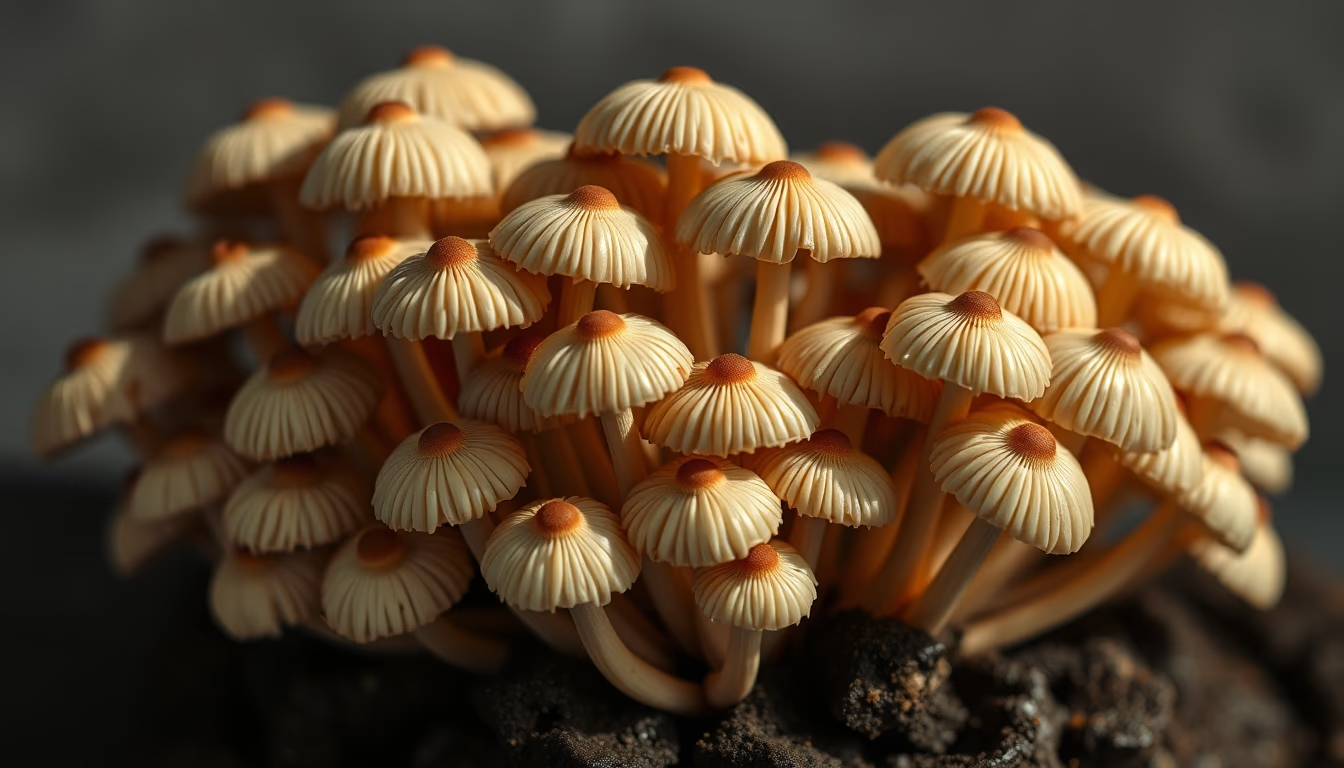
The oyster mushroom (Pleurotus ostreatus) is one of the most widely cultivated edible fungi in the world, prized for its mild flavor and delicate texture.
About this subject
The oyster mushroom, also known as hiratake or pearl oyster mushroom, belongs to the genus Pleurotus. It is a saprophytic fungus that naturally grows on decaying wood, especially on trunks of deciduous trees. Its color ranges from gray to light brown, with a cap shaped like an oyster shell, hence the name. Commercial cultivation began in Germany during World War I as a way to produce food in times of scarcity, but it expanded globally from the 1960s onward. Today it is the second most cultivated mushroom in the world, after the white button mushroom.
Oyster mushrooms are rich in protein, fiber, B vitamins, and minerals such as potassium and iron. Beyond nutritional value, studies indicate medicinal properties: they contain lovastatin, which helps lower cholesterol, and antioxidant compounds that boost the immune system. In cooking, they are versatile: they can be grilled, sautéed, used in soups, risottos, and sauces. Their meaty texture makes them a popular meat substitute in vegetarian and vegan diets.
Cultivation of oyster mushrooms is relatively simple and sustainable. It utilizes agro-industrial residues such as rice straw, sugarcane bagasse, sawdust, and coffee grounds as substrate. The production cycle is short, 3 to 4 weeks, and does not require large investments. Therefore, it is a viable option for small farmers and urban agriculture projects. In Brazil, production has been increasing in all regions, especially in the South and Southeast. Varieties include Pleurotus pulmonarius (white oyster mushroom) and Pleurotus eryngii (king oyster mushroom), which differ in size and flavor.
An interesting fact is that the oyster mushroom is one of the few carnivorous fungi. It captures and digests nematodes (microscopic worms) through specialized structures in its mycelium, obtaining additional nitrogen in nutrient-poor environments. This ability is studied for biological pest control. Moreover, its production does not require intense light, only diffused light, which facilitates indoor cultivation.
Frequently Asked Questions
Is oyster mushroom easy to grow at home?
Yes, home cultivation is possible with ready-made kits or inoculated substrates. Keep the environment humid, well-ventilated, and at a temperature between 18 and 24 °C. Harvest occurs about 10 to 14 days after the primordia appear.
What are the health benefits of eating oyster mushrooms?
Oyster mushrooms are rich in protein, fiber, and B vitamins. They contain lovastatin, which helps lower cholesterol, and antioxidants that boost the immune system. They are also low in calories and fat.
Can oyster mushrooms be eaten raw?
It is not recommended to eat oyster mushrooms raw, as they may cause digestive discomfort. Cooking eliminates potential microorganisms and improves nutrient absorption. Ideally, cook them for at least 10 minutes.
Direct URL
https://pub-c7d6a6ea828543ac903a74a341ccb2e1.r2.dev/imagens/oyster-mushroom-growing-macro-closeup-p11.avifHow to credit
Include a visible link back to UtilizAí. Copy one of the snippets below:
<a href="https://xn--utiliza-eza.com/en/midia/imagens/oyster-mushroom-growing-macro-closeup-p11">Oyster mushroom growing</a> by <a href="https://xn--utiliza-eza.com">UtilizAí</a>, licensed under <a href="https://creativecommons.org/licenses/by/4.0/">CC BY 4.0</a>.
[Oyster mushroom growing](https://xn--utiliza-eza.com/en/midia/imagens/oyster-mushroom-growing-macro-closeup-p11) by [UtilizAí](https://xn--utiliza-eza.com), CC BY 4.0
License: CC-BY-4.0