Oyster farm bay
1344×768 · AVIF · CC BY 4.0
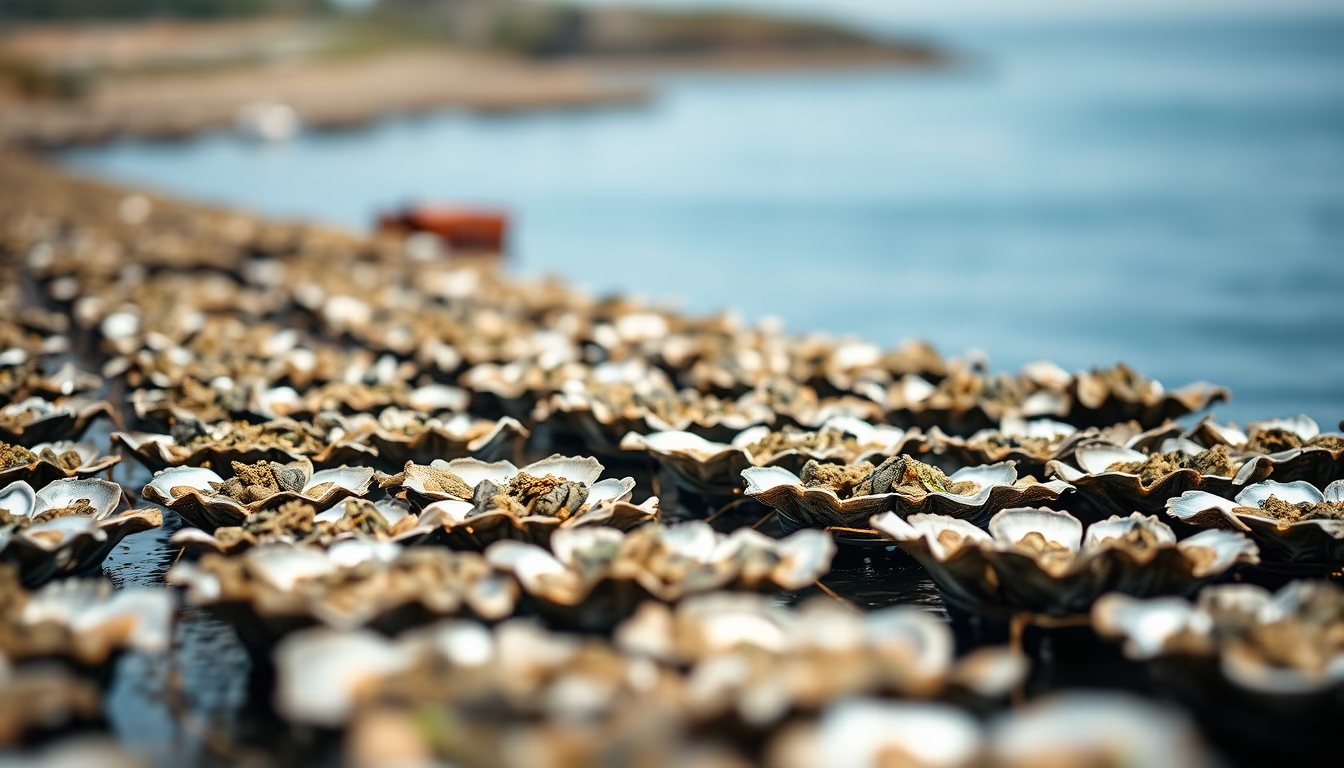
Oyster farming in bays: a sustainable practice combining gastronomy, local economy, and marine ecosystem preservation.
About this subject
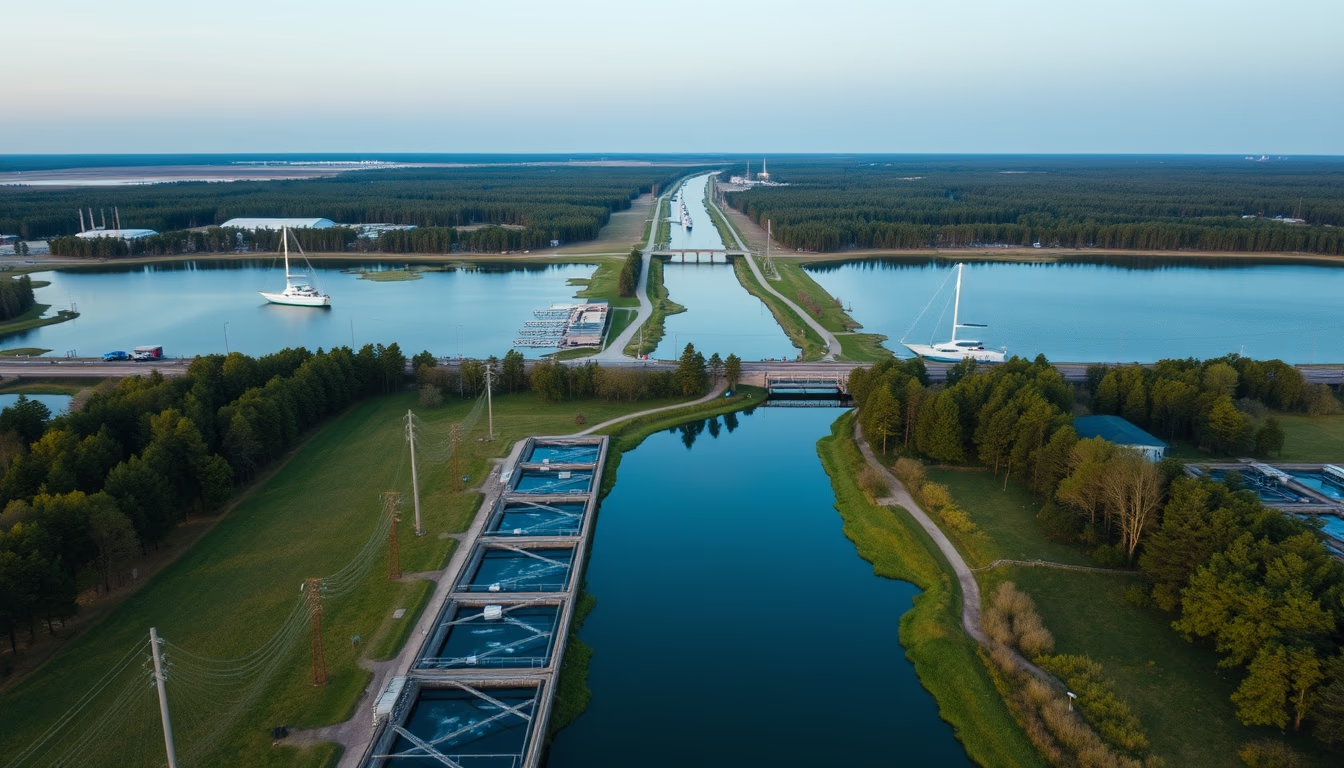
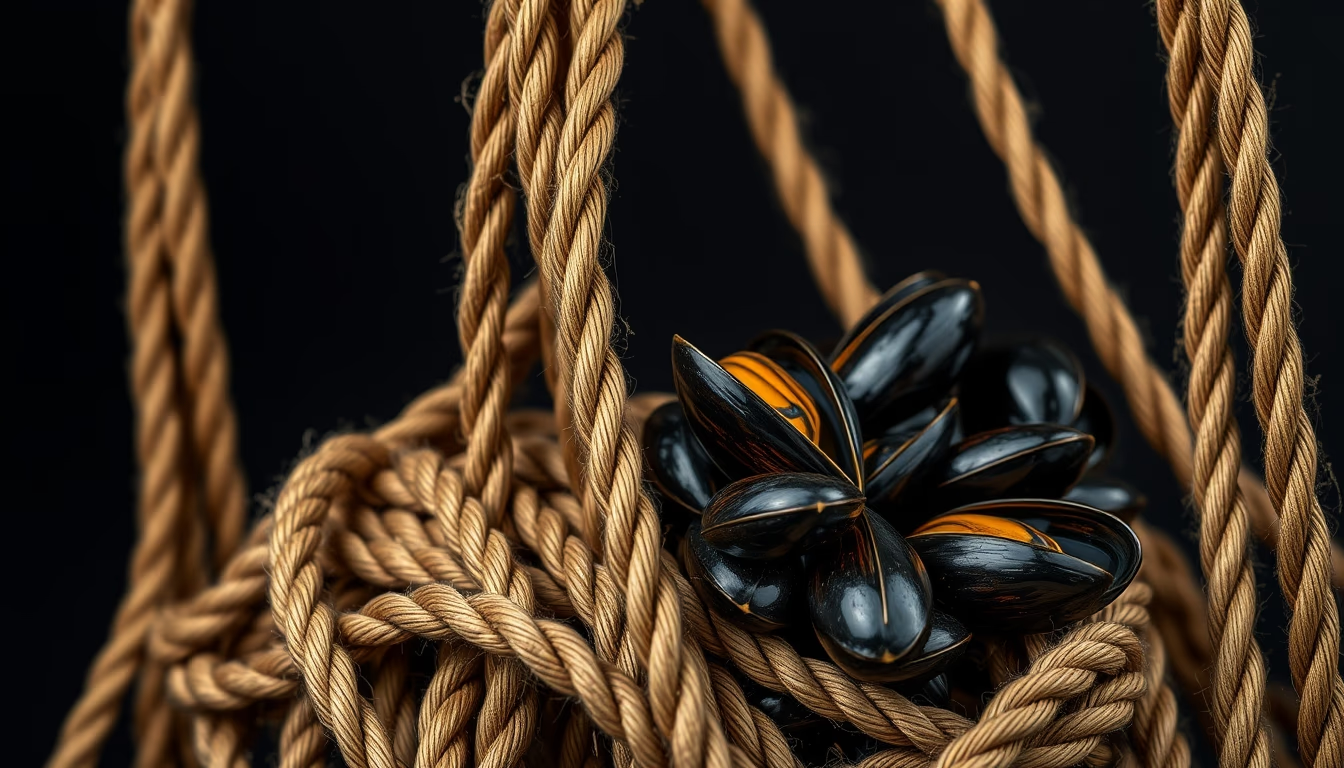
Oyster farming, or ostreiculture, is an ancient aquaculture practice concentrated in bays and estuaries worldwide. These calm, nutrient-rich environments are ideal for oyster growth, as they feed by filtering plankton. Key producing regions include the eastern US coast (Chesapeake Bay), France (Brittany and Arcachon Bay), Japan (Hiroshima), and southern Brazil (Florianópolis). The most common technique is suspended culture using ropes or baskets, keeping oysters off the bottom and facilitating harvest.
Beyond their culinary value, oysters play a critical ecological role. They filter seawater by removing suspended particles, improving water clarity and quality. A single oyster can filter up to 50 gallons of water per day. This process also sequesters nitrogen and phosphorus, pollutants linked to eutrophication. Therefore, many coastal restoration projects include oyster reefs to combat pollution.
Economically, oyster farming generates employment in coastal communities and provides a high-value product. In Brazil, production is concentrated in Santa Catarina, especially around Florianópolis, where oysters are sold fresh in markets and restaurants. The main harvest season is summer, but with modern techniques, year-round cultivation is possible.
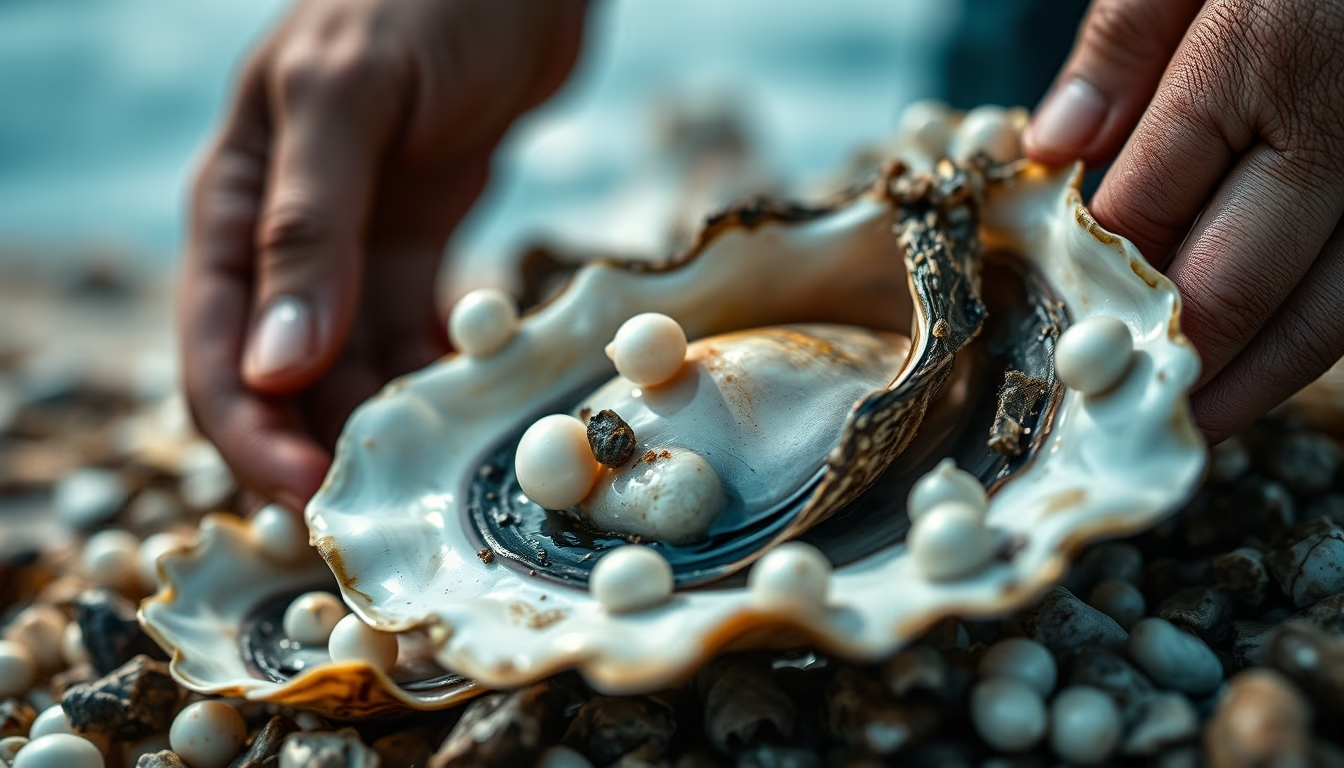
Interestingly, oysters can change sex during their lifetime, alternating between male and female. Natural pearls are rare, but cultured pearls are produced by similar mollusks. Oyster farming is considered one of the most sustainable forms of aquaculture, provided it is well managed, without the use of feed or antibiotics.
Frequently Asked Questions
How do oysters filter water?
Oysters are filter feeders: they pump water through their gills, trapping plankton and debris. This process removes sediments and pollutants, improving water quality. An adult oyster can filter about 50 gallons (190 liters) per day.
What are the main types of oyster farming?
Common methods include suspended culture (on ropes or baskets), bottom culture (directly on the seafloor), and rack culture (elevated structures). In Brazil, suspended culture is most used, especially in Florianópolis.
Is oyster farming sustainable?
Yes, when well managed. It requires no feed or antibiotics, as oysters feed naturally. They also help filter water and recycle nutrients. However, density must be controlled to avoid negative impacts on the local ecosystem.
Direct URL
https://pub-c7d6a6ea828543ac903a74a341ccb2e1.r2.dev/imagens/oyster-farm-bay-tilt-shift-miniature-fresh15.avifHow to credit
Include a visible link back to UtilizAí. Copy one of the snippets below:
<a href="https://xn--utiliza-eza.com/en/midia/imagens/oyster-farm-bay-tilt-shift-miniature-fresh15">Oyster farm bay</a> by <a href="https://xn--utiliza-eza.com">UtilizAí</a>, licensed under <a href="https://creativecommons.org/licenses/by/4.0/">CC BY 4.0</a>.
[Oyster farm bay](https://xn--utiliza-eza.com/en/midia/imagens/oyster-farm-bay-tilt-shift-miniature-fresh15) by [UtilizAí](https://xn--utiliza-eza.com), CC BY 4.0
License: CC-BY-4.0