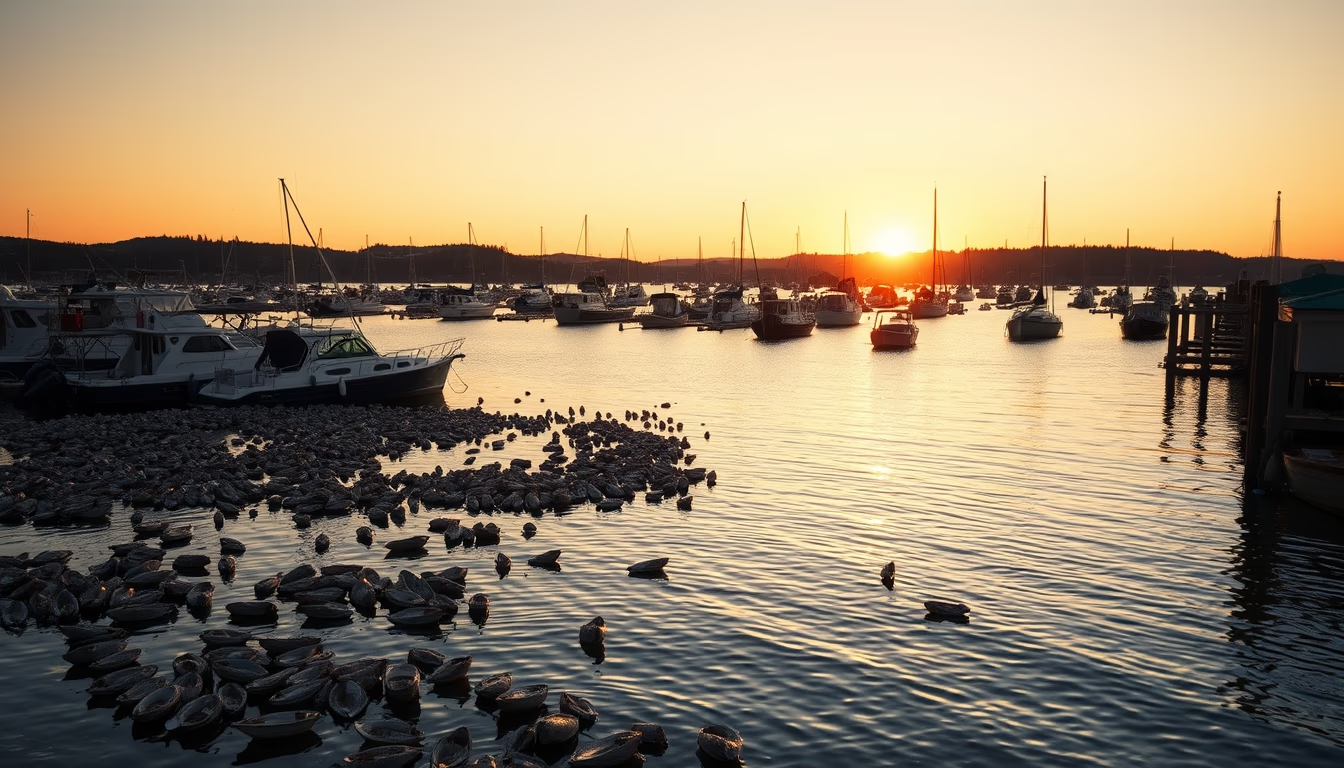
Oyster farm bay
1344×768 · AVIF · CC BY 4.0
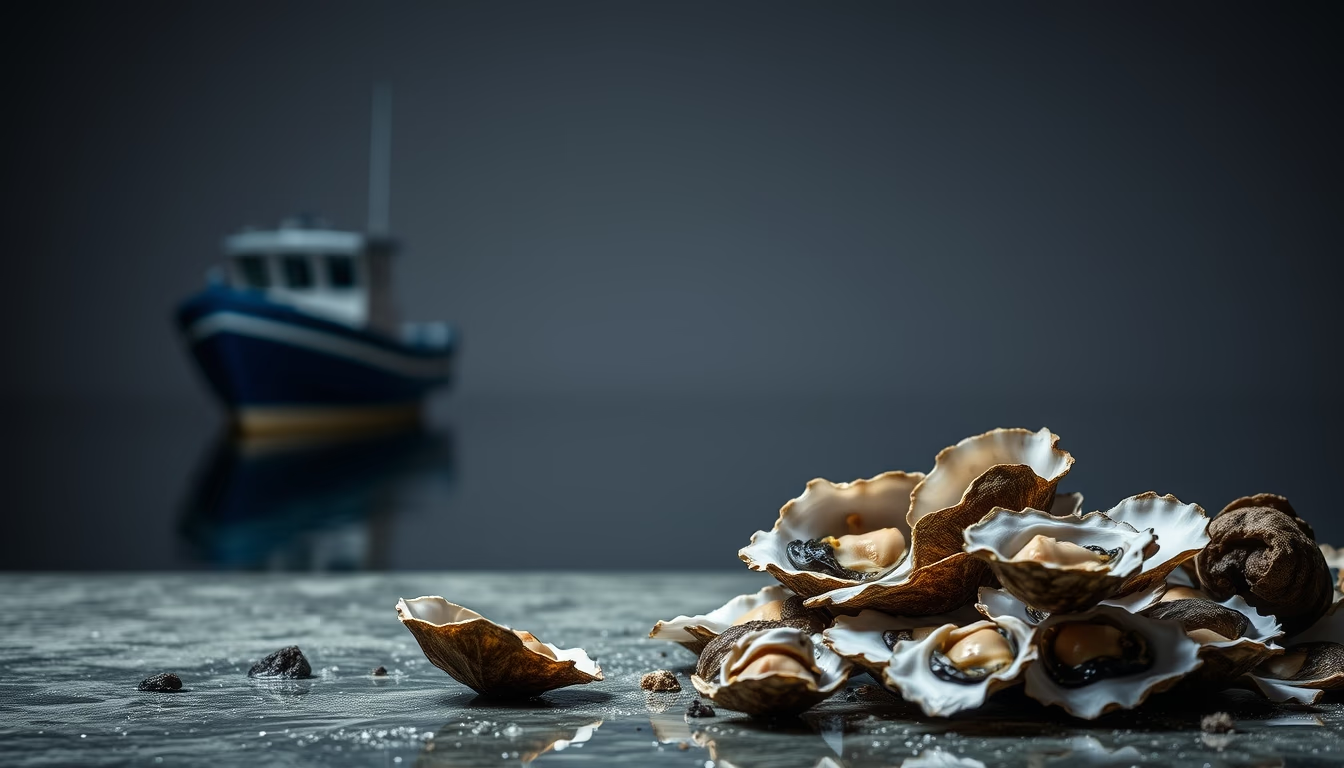
Bay oyster farming is an age-old practice that blends tradition, sustainability, and coastal economics.
About this subject
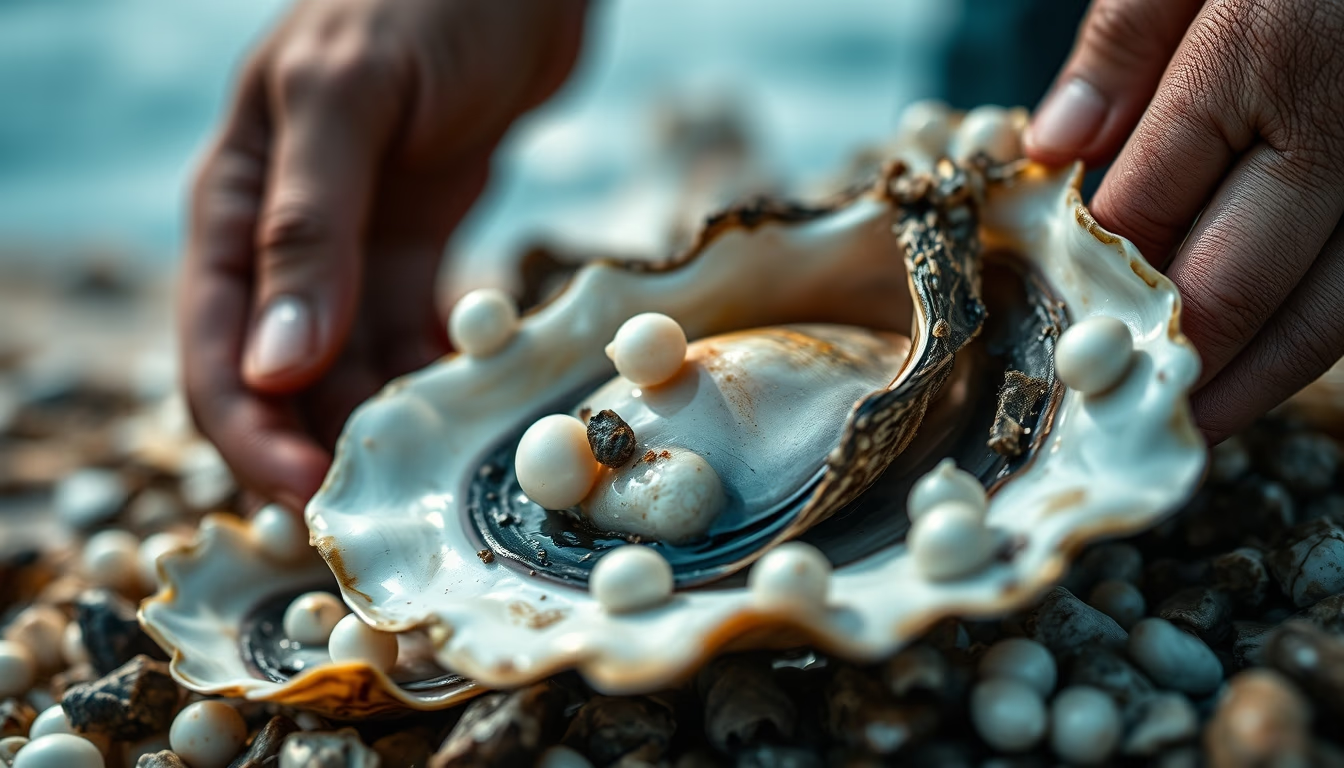
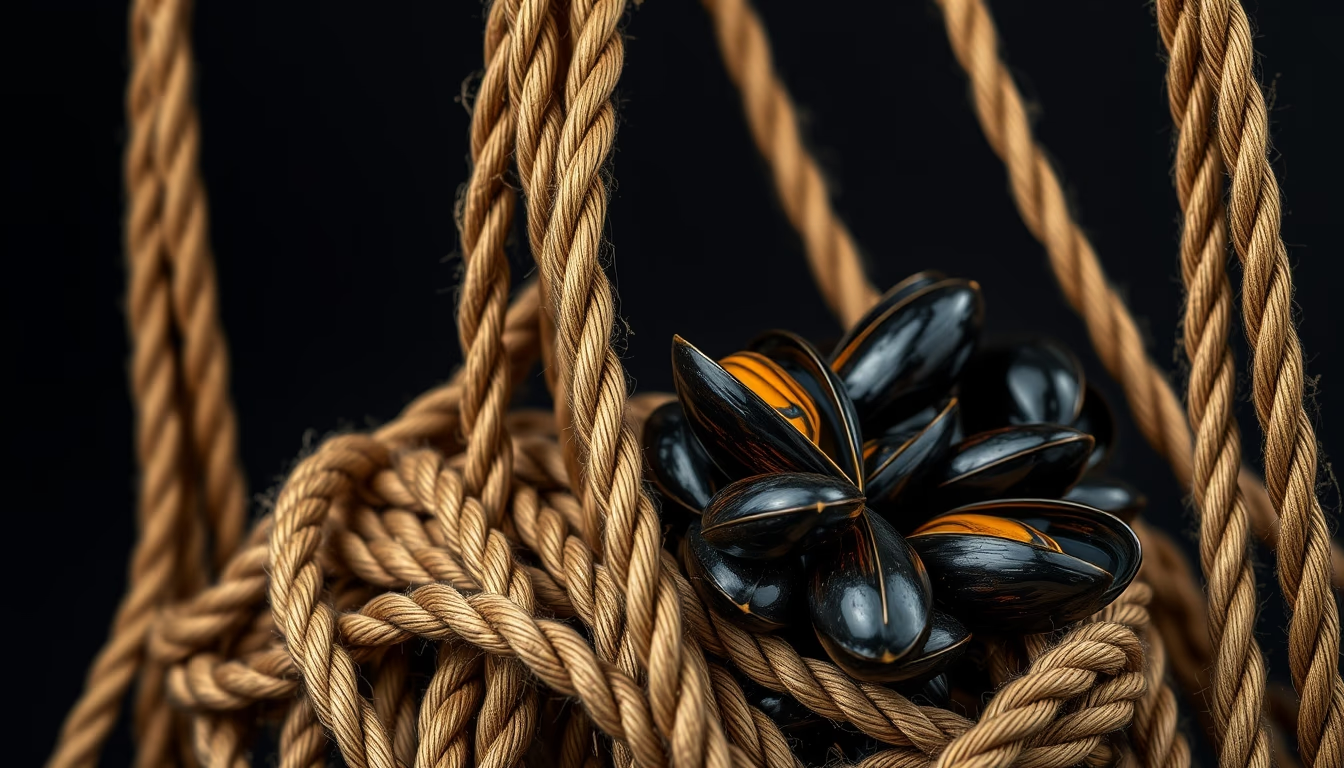
Oyster farming, or oyster aquaculture, is a globally significant activity, especially in coastal areas with protected estuaries and bays. Oysters are filter-feeding bivalve mollusks that consume plankton and suspended organic matter, improving water quality. In Brazil, states such as Santa Catarina (the top national producer), São Paulo, and Rio de Janeiro have marine farms cultivating native species like the mangrove oyster (Crassostrea brasiliana) and the Pacific oyster (Crassostrea gigas). Worldwide, countries including France, China, the USA, and Chile lead production, using techniques ranging from suspended long-lines to fixed-bottom tables.
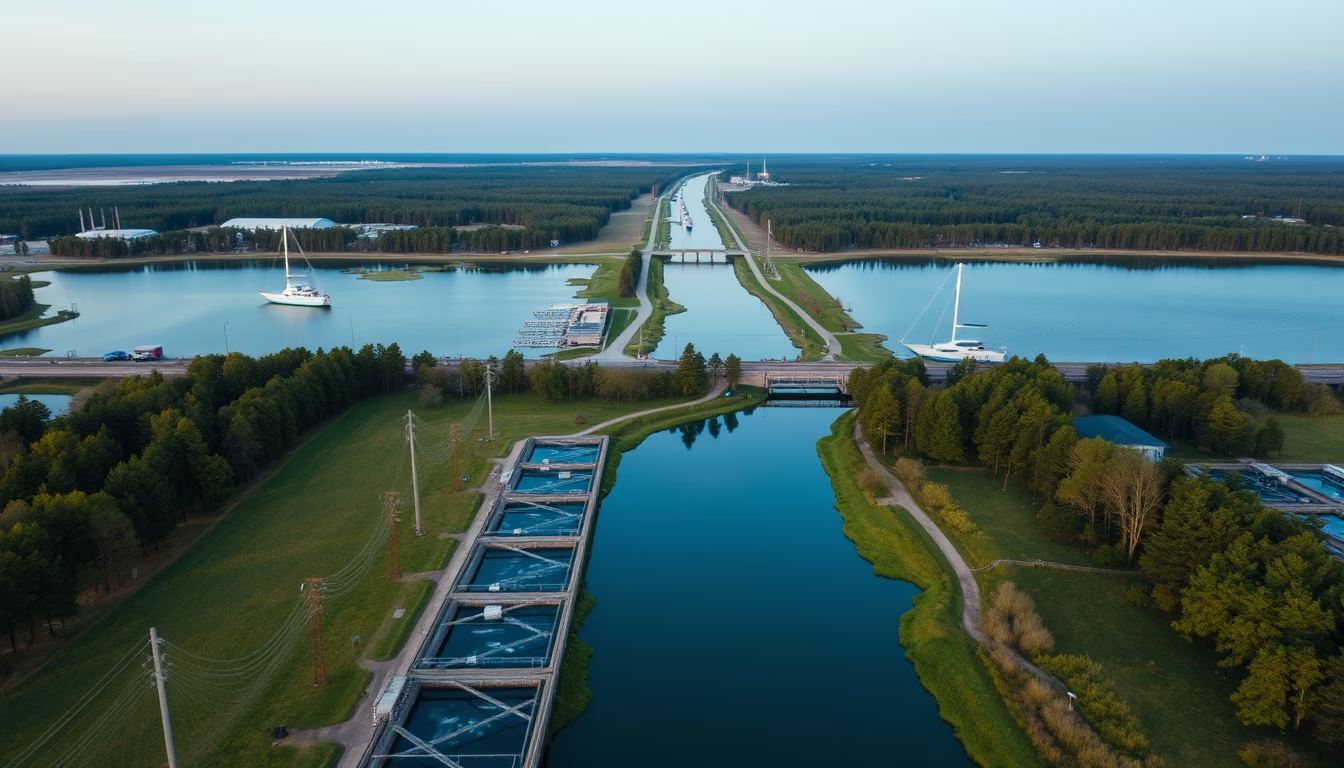
Bays are ideal for oyster farming because they provide calm, nutrient-rich waters with tidal flows that renew oxygen. Site selection is crucial: factors like salinity, temperature, and pollutant levels determine oyster survival and growth. The production cycle takes 6 months to 2 years, depending on species and environmental conditions. Oysters are typically collected as spat on artificial collectors and then transferred to grow-out structures until they reach market size.
Beyond their culinary value, oysters play a vital ecological role. An adult oyster can filter up to 190 liters of water daily, reducing turbidity and excess nutrients, which helps prevent harmful algal blooms. Oyster reefs also provide habitat for fish and invertebrates, promoting biodiversity. As a result, oyster reef restoration projects have multiplied in bays worldwide, such as in Chesapeake Bay (USA) and Baía de Todos os Santos (Brazil).
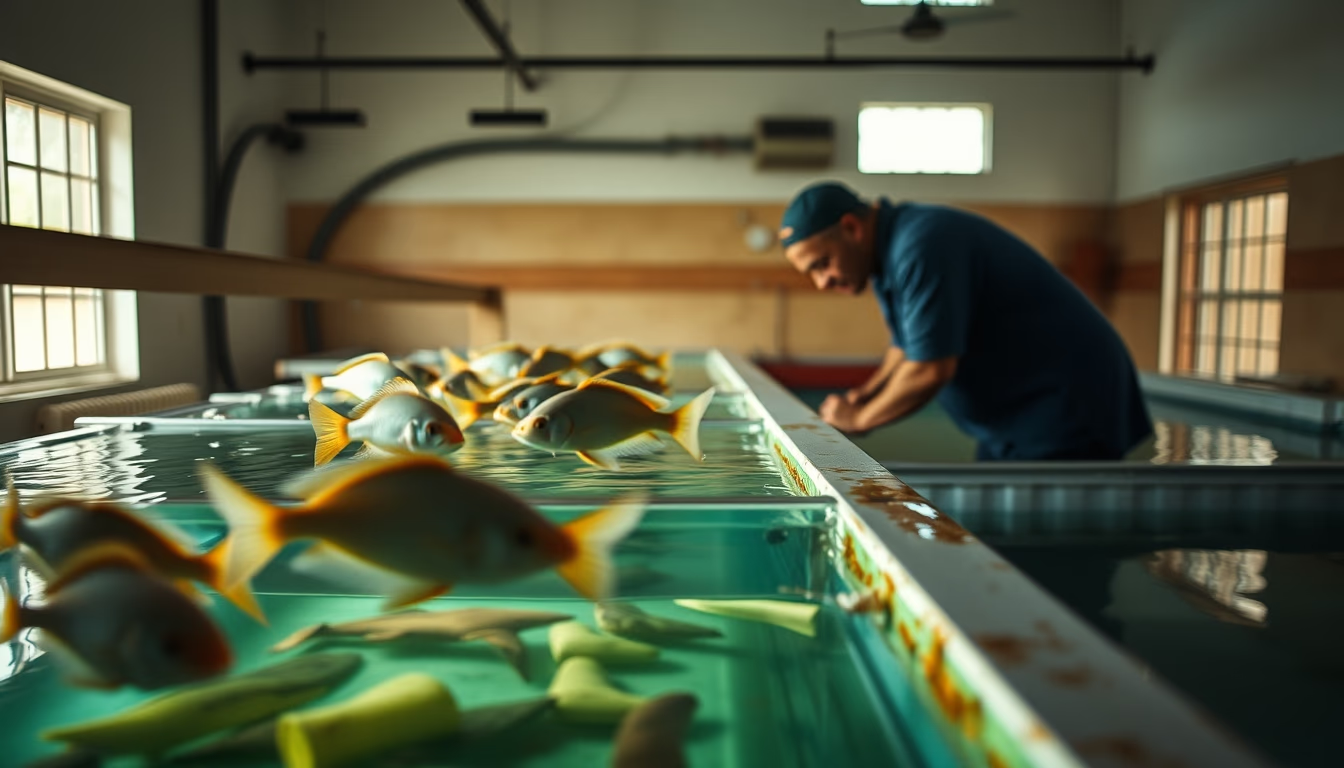
Oyster production faces challenges like ocean acidification (which affects shell formation), pollution from sewage and microplastics, and climate change. However, innovations such as closed-system hatcheries and genetic selection of hardier strains help mitigate these issues. The market for both live and processed oysters continues to grow, driven by demand for sustainable protein and appreciation of marine cuisine.
Frequently Asked Questions
Why are bays good for oyster farming?
Bays provide calm, sheltered waters with tidal flows that renew oxygen and bring nutrients. They also have suitable salinity and temperature for oyster growth, with less exposure to strong waves.
How long does it take for an oyster to reach market size?
The cycle ranges from 6 months to 2 years, depending on species, water temperature, and food availability. In tropical regions, growth can be faster.
Do oysters help clean the water?
Yes, each adult oyster can filter up to 190 liters of water per day, removing suspended particles and excess nutrients, which improves water quality and prevents algal blooms.
Direct URL
https://pub-c7d6a6ea828543ac903a74a341ccb2e1.r2.dev/imagens/oyster-farm-bay-studio-still-life-fresh11.avifHow to credit
Include a visible link back to UtilizAí. Copy one of the snippets below:
<a href="https://xn--utiliza-eza.com/en/midia/imagens/oyster-farm-bay-studio-still-life-fresh11">Oyster farm bay</a> by <a href="https://xn--utiliza-eza.com">UtilizAí</a>, licensed under <a href="https://creativecommons.org/licenses/by/4.0/">CC BY 4.0</a>.
[Oyster farm bay](https://xn--utiliza-eza.com/en/midia/imagens/oyster-farm-bay-studio-still-life-fresh11) by [UtilizAí](https://xn--utiliza-eza.com), CC BY 4.0
License: CC-BY-4.0