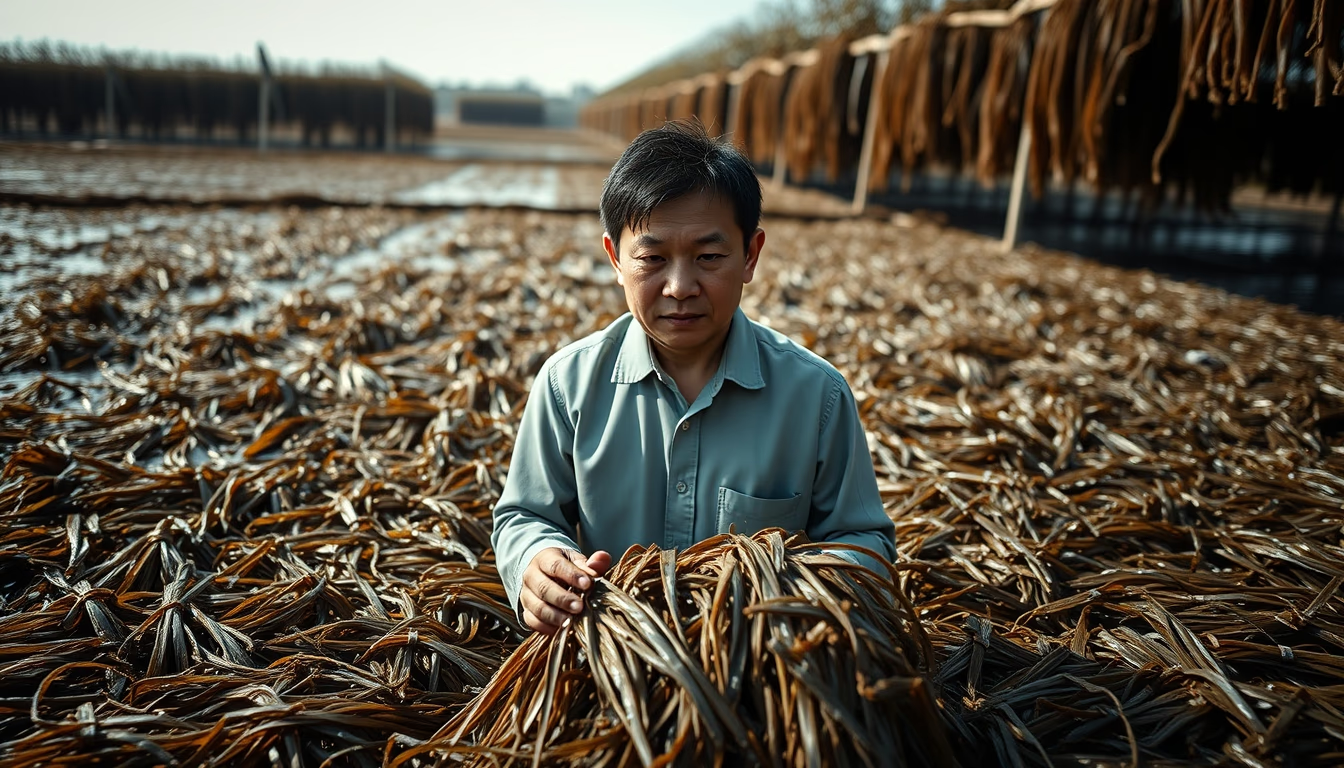
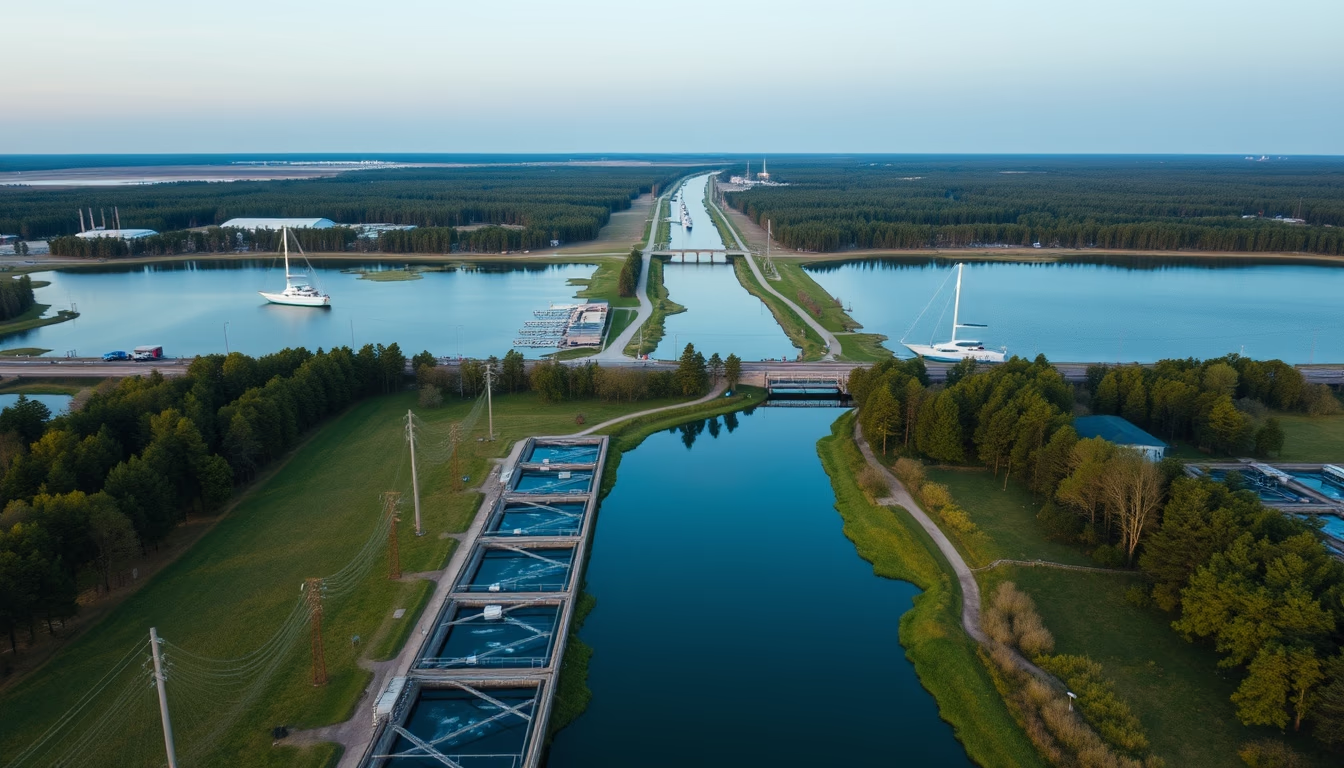
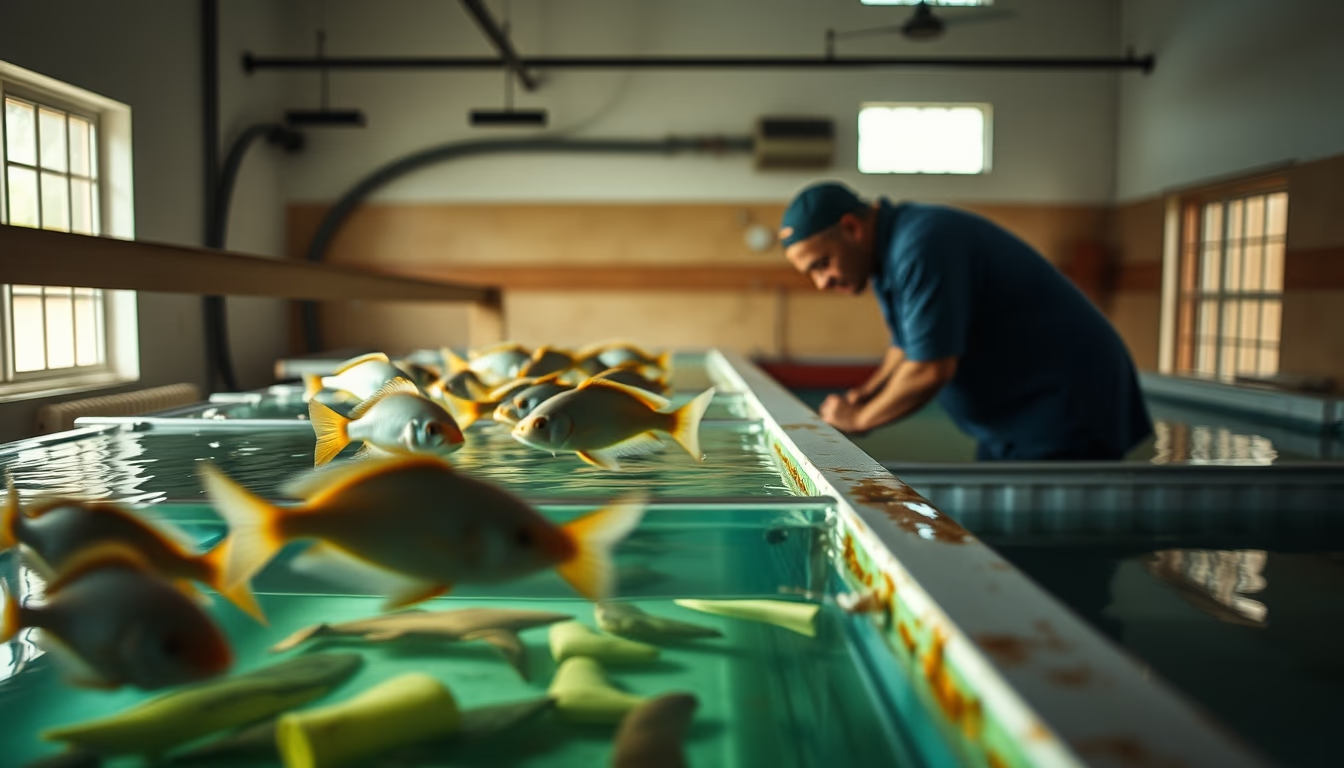
Oyster farm bay
1344×768 · AVIF · CC BY 4.0
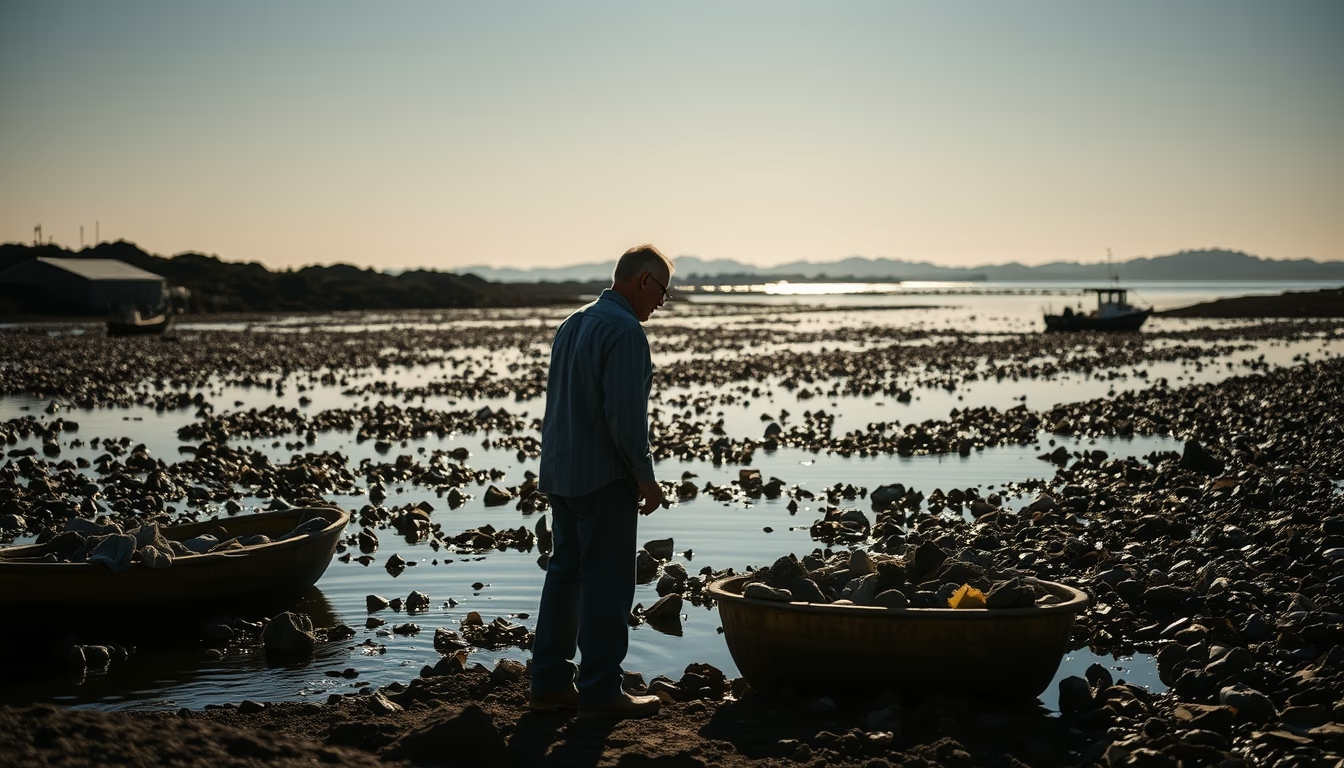
Oyster cultivation in bays combines mariculture techniques with coastal landscapes, producing sustainable seafood with significant ecological impacts.
About this subject
Oyster farming in bays is a form of aquaculture that takes advantage of sheltered, nutrient-rich waters to produce high-value mollusks. This practice, known as oyster culture, is conducted worldwide, from Brazil to France and the United States, adapting to local tidal conditions and salinity.
Historically, the Romans cultivated oysters in natural ponds as early as the 1st century BC. In Brazil, oyster farming thrives in the South and Northeast regions, notably in Florianópolis (SC), Cananéia (SP), and the Bay of All Saints (BA). These areas provide calm, low-pollution waters ideal for oyster growth.
Modern techniques include suspended culture in lantern nets or on ropes, which keeps oysters off the bottom and facilitates harvesting. This method reduces predation and improves meat quality. Environmentally, oysters are natural filter feeders: a single oyster can filter up to 50 liters of water per day, enhancing water clarity and controlling algae blooms. The shell reefs they form create habitats for fish and crustaceans.
Economically, oyster farming generates income for coastal communities and boosts culinary tourism. The flavor of oysters varies by bay terroir, influenced by salinity and local phytoplankton. Sustainability certifications, such as the Marine Stewardship Council label, help ensure responsible practices. Challenges like bacterial diseases and climate change require careful management, but the industry continues to grow as a sustainable alternative to wild harvest.
Frequently Asked Questions
How are oysters farmed in bays?
Oysters are typically grown in lantern nets or on ropes suspended from floating structures. They are placed in bags or attached to lines in intertidal areas. This method allows easy access for cleaning and harvest and protects against bottom predators.
What are the environmental benefits of oyster farms?
Oysters filter algae and suspended particles, improving water quality. Their shell reefs provide habitat for other species. Additionally, oyster farming requires little external feed, as oysters consume natural plankton from the water.
Where are oyster farms commonly found?
Major oyster farming regions include the U.S. Chesapeake Bay, France's Marennes-Oléron, Australia's Tasmania, and parts of Asia and Latin America. In Brazil, they are concentrated in Santa Catarina, São Paulo, and Bahia.
Direct URL
https://pub-c7d6a6ea828543ac903a74a341ccb2e1.r2.dev/imagens/oyster-farm-bay-rembrandt-lighting-dramatic-shadows-fresh16.avifHow to credit
Include a visible link back to UtilizAí. Copy one of the snippets below:
<a href="https://xn--utiliza-eza.com/en/midia/imagens/oyster-farm-bay-rembrandt-lighting-dramatic-shadows-fresh16">Oyster farm bay</a> by <a href="https://xn--utiliza-eza.com">UtilizAí</a>, licensed under <a href="https://creativecommons.org/licenses/by/4.0/">CC BY 4.0</a>.
[Oyster farm bay](https://xn--utiliza-eza.com/en/midia/imagens/oyster-farm-bay-rembrandt-lighting-dramatic-shadows-fresh16) by [UtilizAí](https://xn--utiliza-eza.com), CC BY 4.0
License: CC-BY-4.0