Oyster farm bay
1344×768 · AVIF · CC BY 4.0
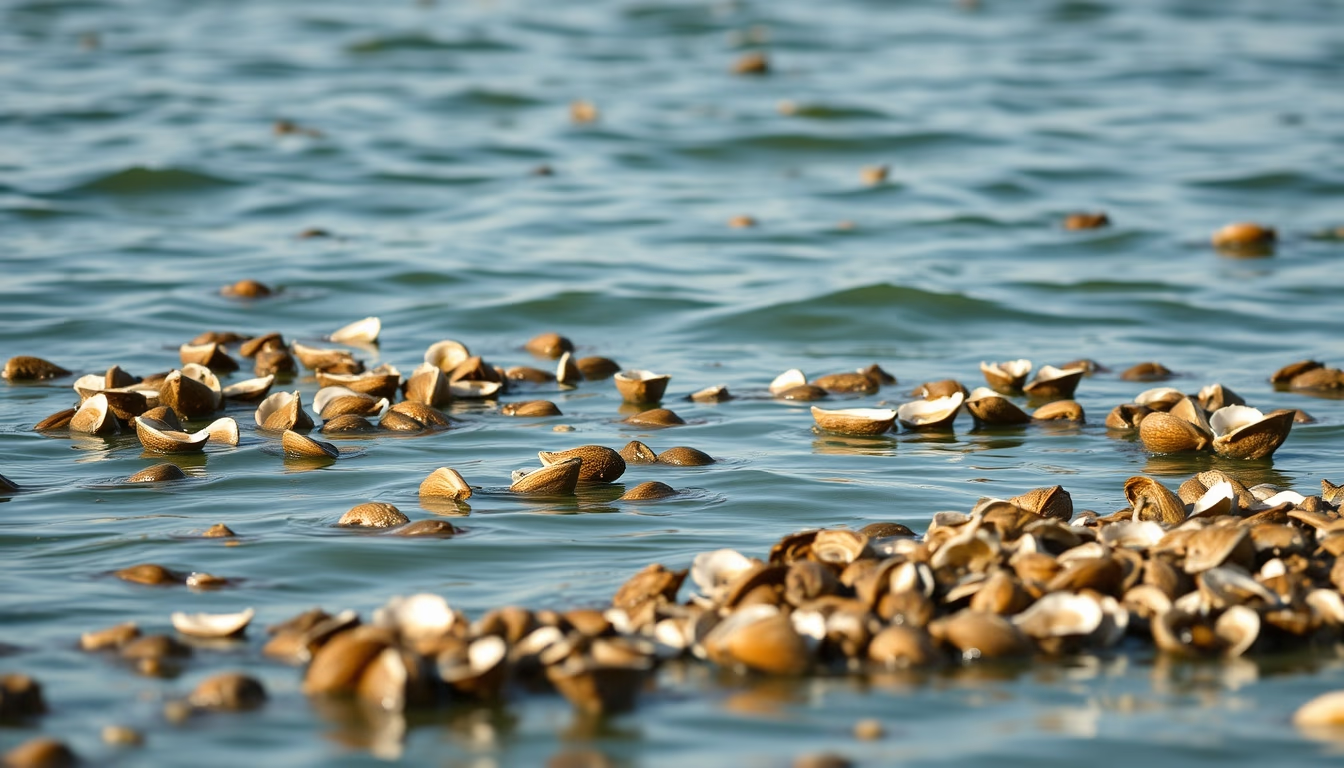
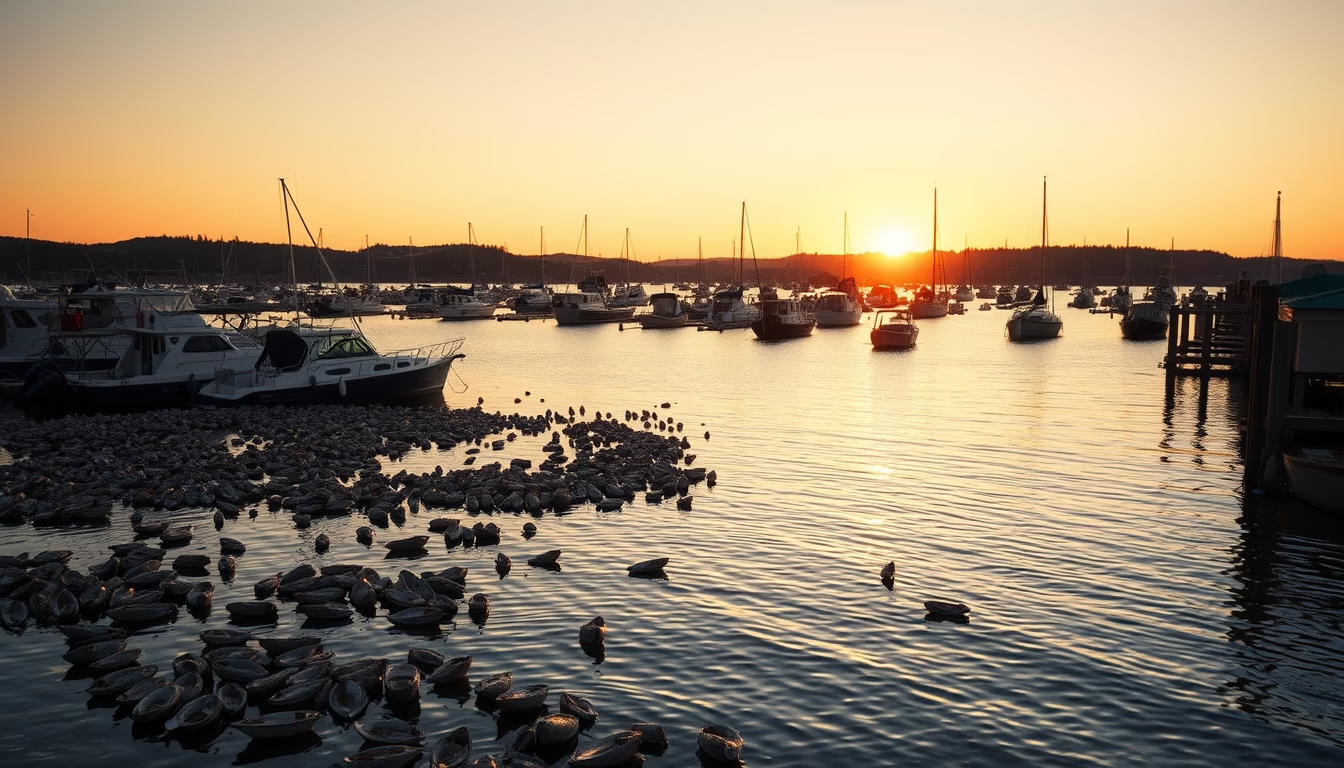
Oyster farming in marine bays: an ancient practice blending tradition, sustainability, and gastronomy.
About this subject
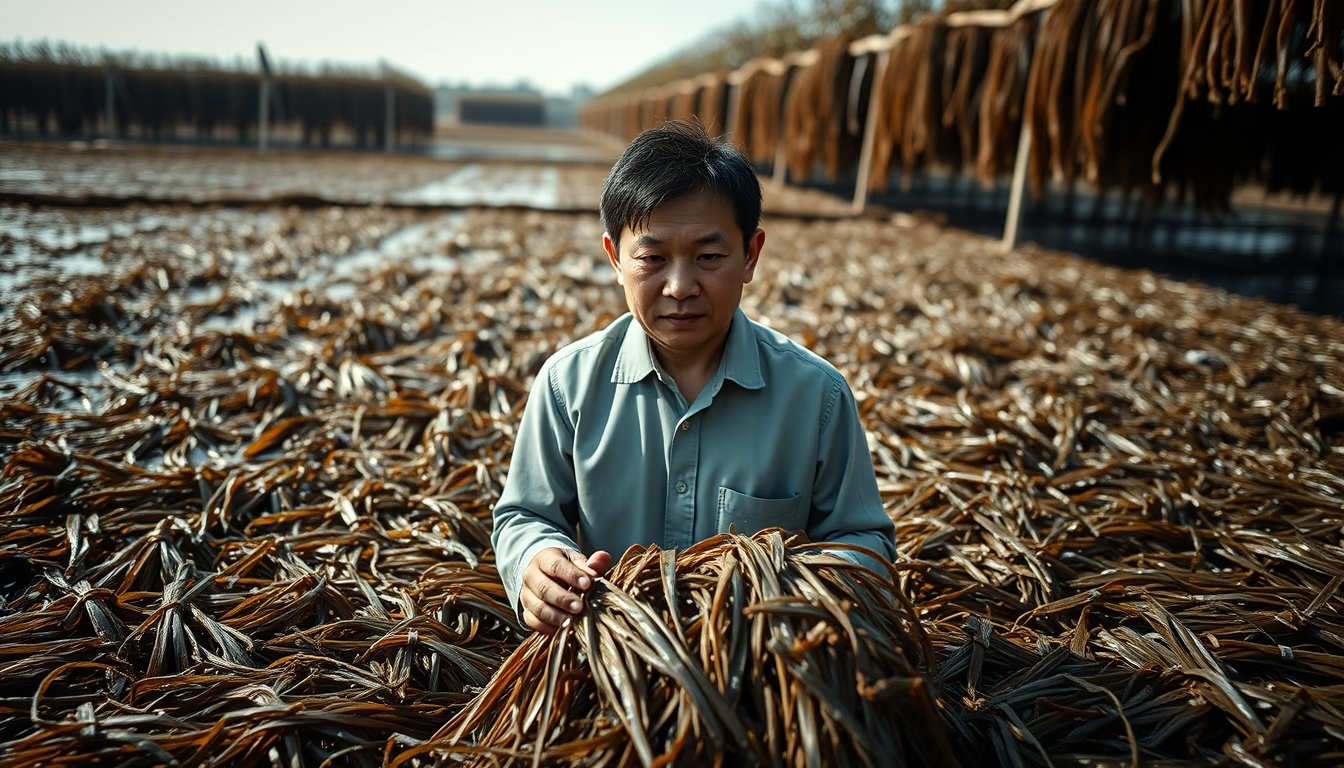
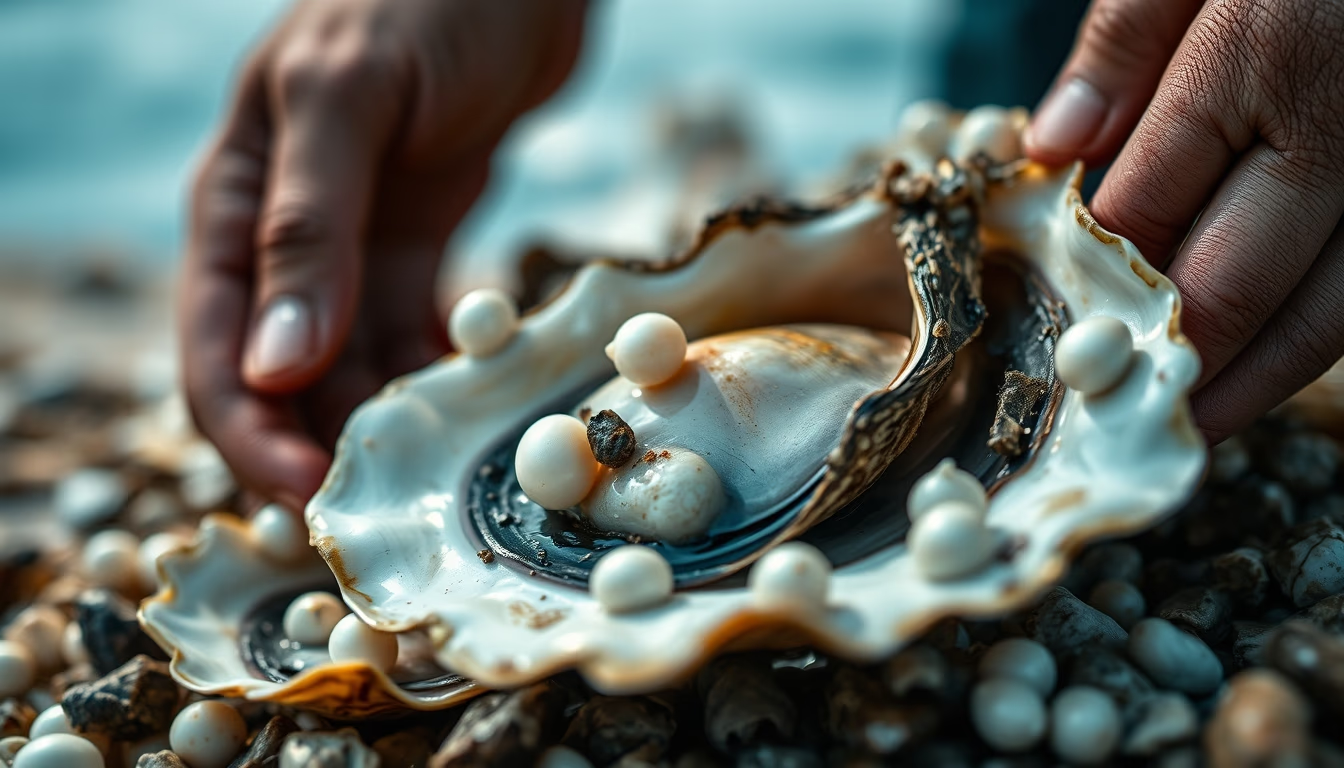
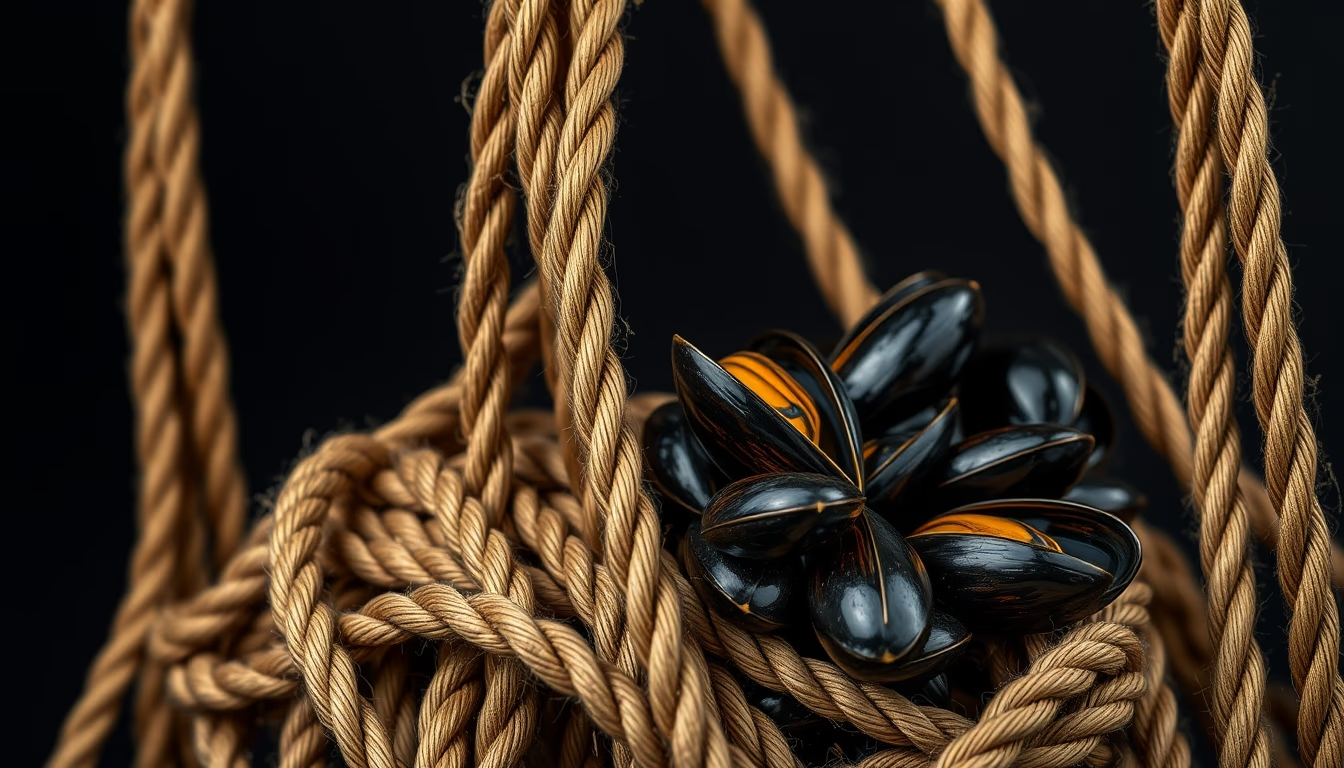
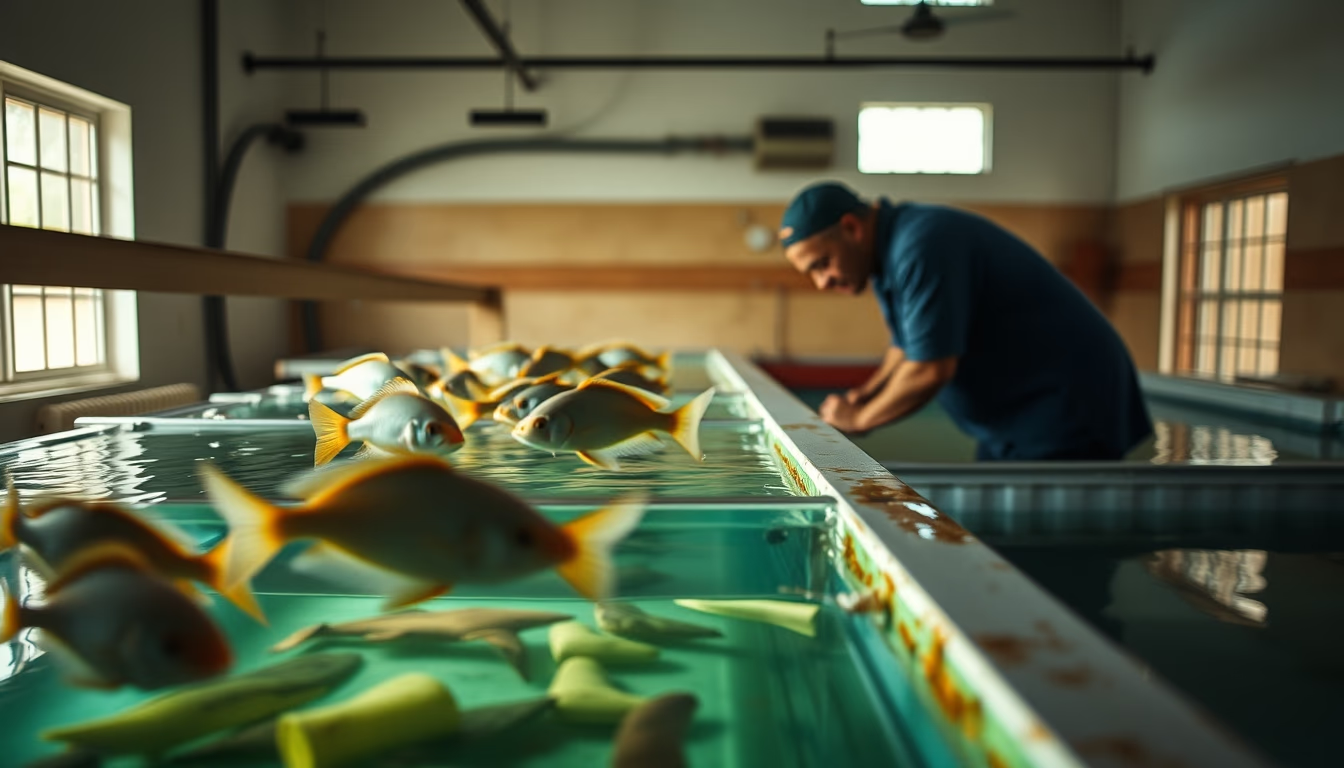
Oyster farming is one of the oldest and most sustainable forms of aquaculture, dating back to the Roman and Chinese empires. In sheltered bays, oysters are cultivated using suspended or bottom methods, such as long-lines, lanterns, or baskets. This activity produces no water waste and acts as a natural filter: an adult oyster can filter up to 190 liters of water per day, improving marine ecosystem health.
In Brazil, oyster farming is concentrated along the coast of Santa Catarina, especially in Florianópolis and Palhoça, which account for over 90% of national production. The Pacific oyster (Crassostrea gigas) is the main cultivated species, adapted to Brazilian waters. The activity generates income for traditional fishing communities and is regulated by the Ministry of Fisheries and Aquaculture. Harvest season peaks in summer when oysters are in optimal condition for consumption.
Globally, oyster aquaculture is considered low-impact, especially compared to shrimp or intensive fish farming. In countries like France, the United States, and Japan, oyster farms are integral to coastal landscapes and gastronomic tourism. Appellations of origin protect varieties such as French Belon or Japanese Kumamoto. The global oyster market is worth billions of dollars annually, with significant exports of live and processed oysters.
Frequently Asked Questions
How long does it take for an oyster to reach market size?
Under ideal conditions, oysters take 18 to 36 months to reach market size, depending on species, water temperature, and food availability.
Does oyster farming pollute the environment?
Quite the opposite: oysters are filter feeders and help clean the water. Oyster farming is one of the most sustainable forms of aquaculture, with low environmental impact and no use of feed or antibiotics.
What is the difference between native Brazilian oysters and cultivated Pacific oysters?
The native Brazilian oyster (Crassostrea brasiliana) is smaller and rarer, while the Pacific oyster (Crassostrea gigas) is larger, more productive, and accounts for most of the national production.
Direct URL
https://pub-c7d6a6ea828543ac903a74a341ccb2e1.r2.dev/imagens/oyster-farm-bay-magazine-editorial-fresh4.avifHow to credit
Include a visible link back to UtilizAí. Copy one of the snippets below:
<a href="https://xn--utiliza-eza.com/en/midia/imagens/oyster-farm-bay-magazine-editorial-fresh4">Oyster farm bay</a> by <a href="https://xn--utiliza-eza.com">UtilizAí</a>, licensed under <a href="https://creativecommons.org/licenses/by/4.0/">CC BY 4.0</a>.
[Oyster farm bay](https://xn--utiliza-eza.com/en/midia/imagens/oyster-farm-bay-magazine-editorial-fresh4) by [UtilizAí](https://xn--utiliza-eza.com), CC BY 4.0
License: CC-BY-4.0