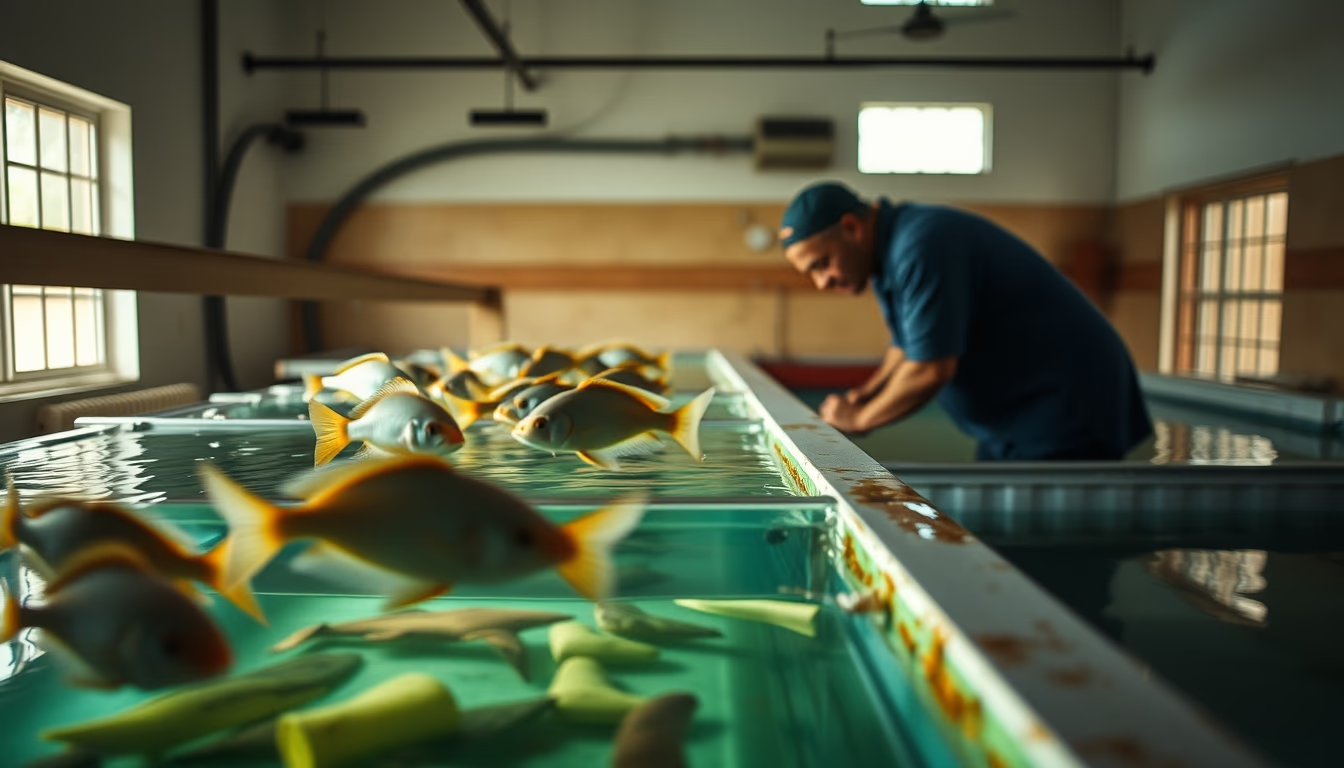
Oyster farm bay
1344×768 · AVIF · CC BY 4.0
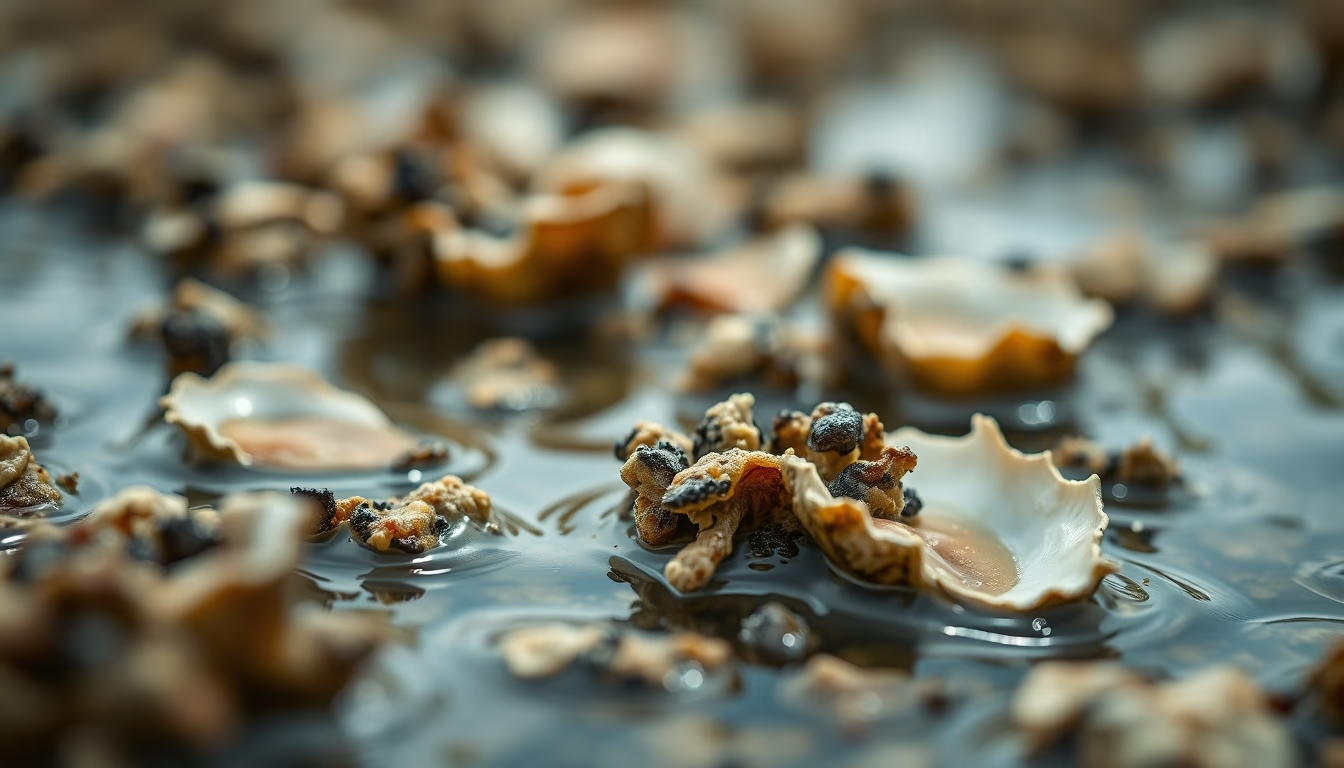
Oyster farming in bays: techniques, sustainability and economic importance for coastal communities worldwide.
About this subject
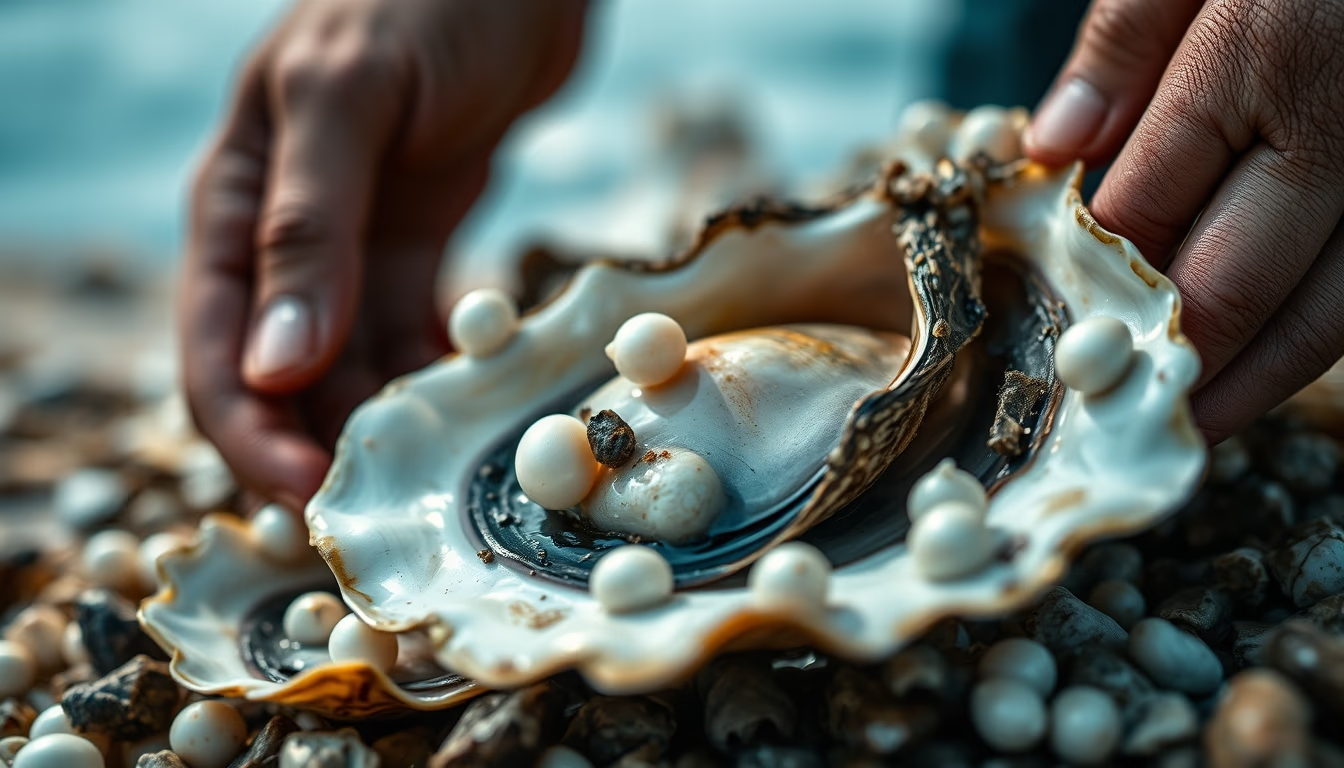
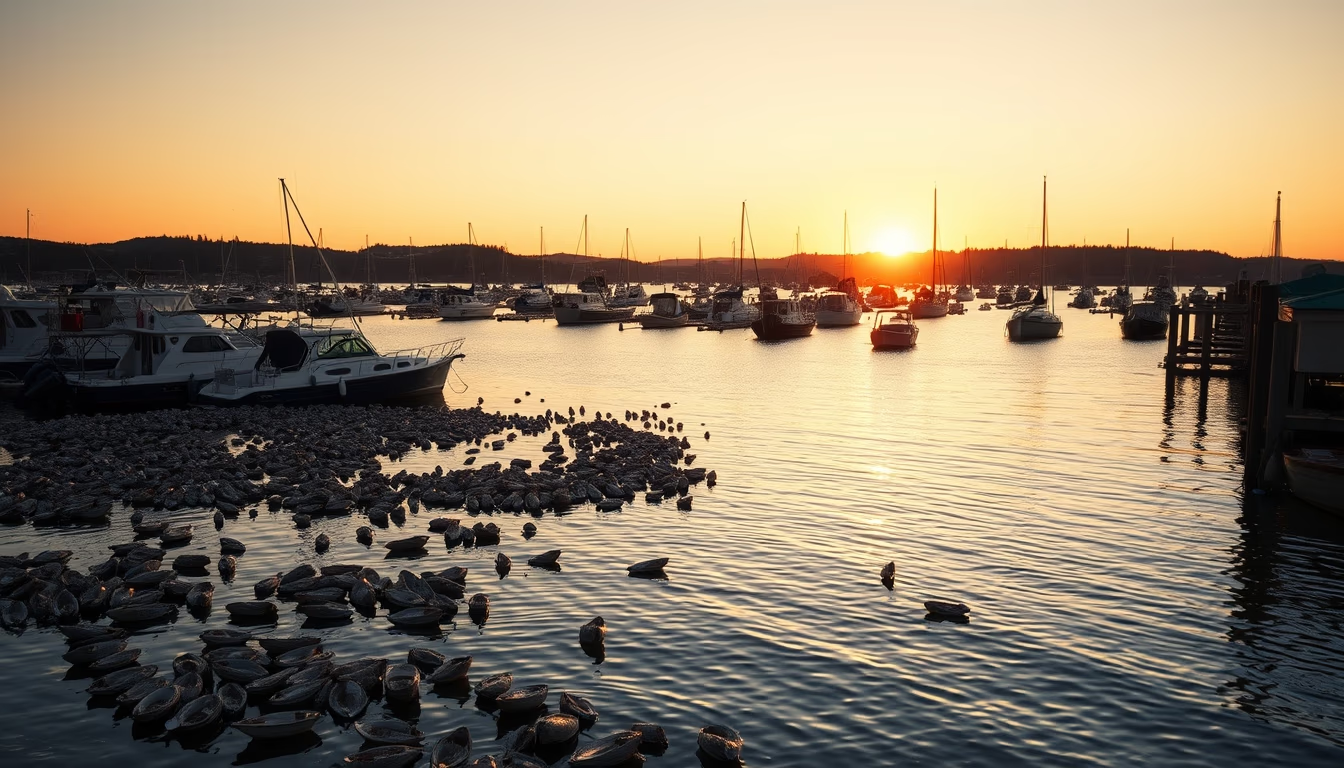
Oyster farming, or oyster aquaculture, is an ancient practice that thrives in bays and estuaries worldwide. In the United States, states like Washington, Maine, and Louisiana are top producers, using techniques such as intertidal bag or longline suspended culture. Bays provide sheltered waters with abundant plankton and natural tidal flushing, ideal for oyster growth. Oysters are filter feeders; a single adult can filter up to 50 gallons of water per day, improving water clarity and reducing eutrophication.
Modern oyster farming relies on seed hatcheries for consistent supply, with species like the Pacific oyster (Crassostrea gigas) dominating global production. Farmers deploy spat-on-shell or single seed oysters in mesh bags, trays, or hanging ropes. The method depends on local conditions: bottom culture in shallow waters, or suspended culture in deeper areas. Harvesting occurs after 18-30 months, depending on water temperature and salinity.
Economically, oyster farming supports coastal communities, providing jobs in hatcheries, grow-out operations, processing, and distribution. The industry is valued at over $200 million annually in the U.S. alone. Oysters are a low-impact protein source, requiring no feed input and sequestering carbon in their shells. Certification programs like the Aquaculture Stewardship Council (ASC) promote sustainable practices, ensuring minimal environmental impact. Climate change poses risks through ocean acidification and warming, but selective breeding and site management are adapting.
Culturally, oysters have been harvested for millennia, with evidence from Native American shell middens. Today, they symbolize culinary luxury and are increasingly integrated into restoration initiatives, where farmed oysters help rebuild reefs and coastal resilience. The future of oyster farming lies in technology: from remote monitoring of water quality to automated harvesting, enhancing efficiency and sustainability.
Frequently Asked Questions
How is oyster farming done in bays?
Oysters are typically grown in suspended systems like longlines or floating bags, or on bottom culture using mesh bags. Hatchery-produced seed is placed in these structures and they feed on natural plankton. Harvest occurs after 18-30 months.
What are the environmental benefits of oyster farming?
Oysters filter water, improving clarity and reducing nutrient pollution. Their reefs provide habitat for fish and invertebrates, enhancing biodiversity. Oyster aquaculture also sequesters carbon in shells and requires no feed inputs.
Is oyster farming sustainable globally?
When well-managed, oyster farming is considered low-impact. Certification programs like ASC ensure environmental and social responsibility. Challenges include ocean acidification and disease, but research into selective breeding and site selection is improving resilience.
Direct URL
https://pub-c7d6a6ea828543ac903a74a341ccb2e1.r2.dev/imagens/oyster-farm-bay-macro-closeup-fresh1.avifHow to credit
Include a visible link back to UtilizAí. Copy one of the snippets below:
<a href="https://xn--utiliza-eza.com/en/midia/imagens/oyster-farm-bay-macro-closeup-fresh1">Oyster farm bay</a> by <a href="https://xn--utiliza-eza.com">UtilizAí</a>, licensed under <a href="https://creativecommons.org/licenses/by/4.0/">CC BY 4.0</a>.
[Oyster farm bay](https://xn--utiliza-eza.com/en/midia/imagens/oyster-farm-bay-macro-closeup-fresh1) by [UtilizAí](https://xn--utiliza-eza.com), CC BY 4.0
License: CC-BY-4.0