Oyster farm bay
1344×768 · AVIF · CC BY 4.0
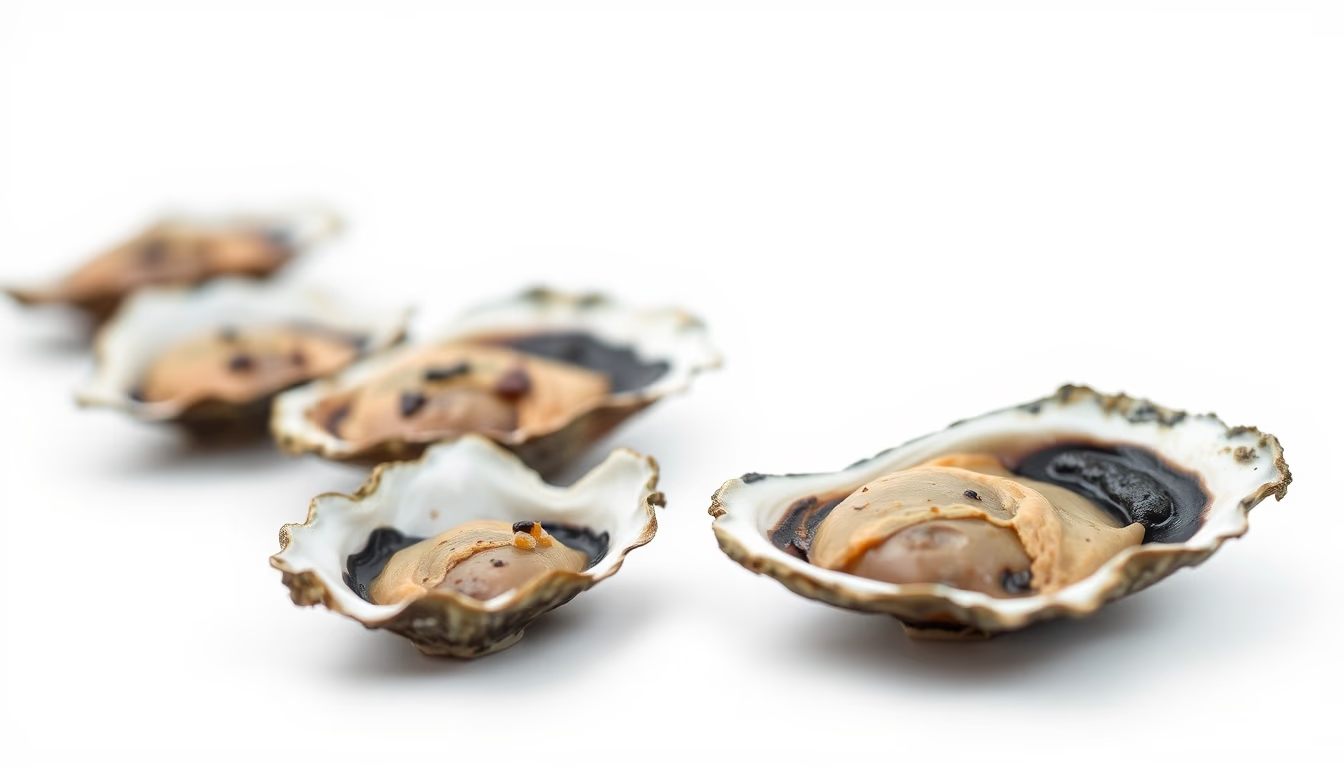
Oyster farming in bays: a sustainable practice combining tradition, economy, and environmental preservation in coastal regions.
About this subject
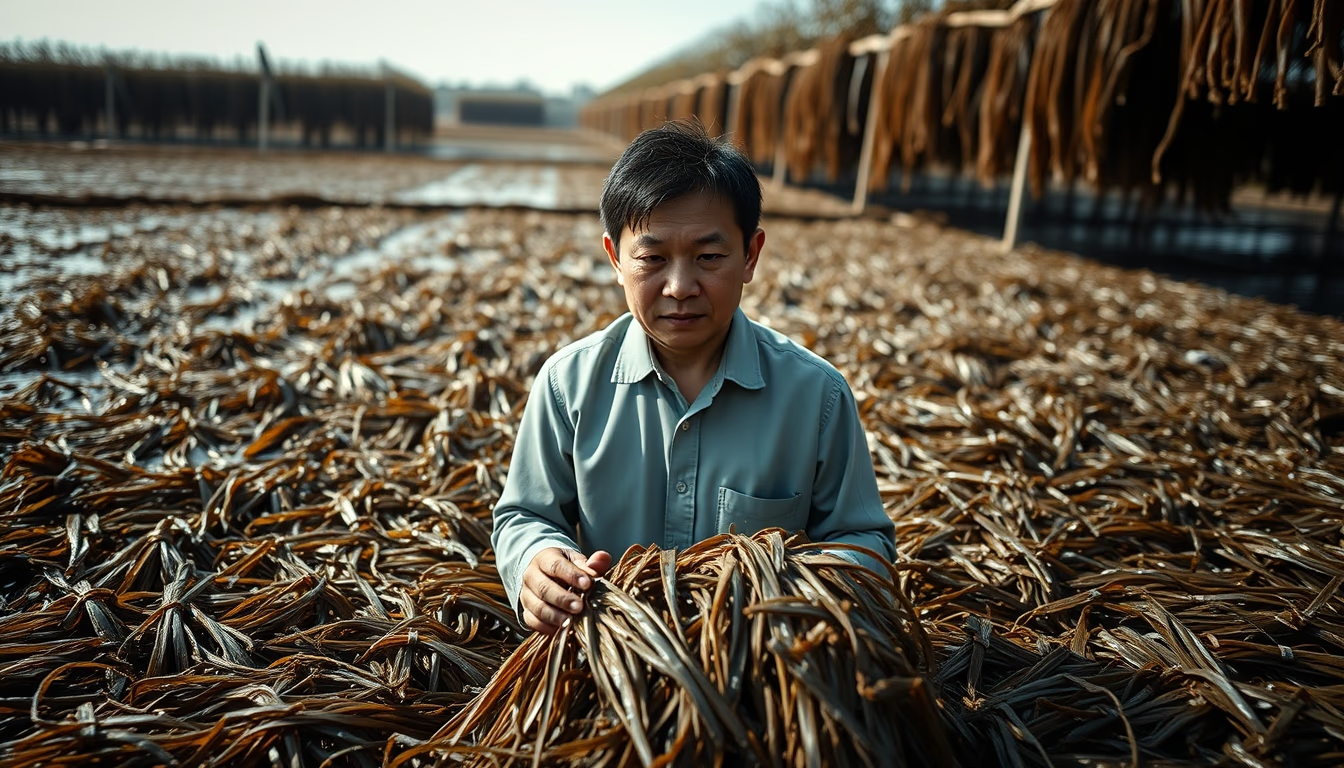
Oyster farming in bays is one of the oldest and most efficient forms of marine aquaculture. Oysters are bivalve filter feeders that consume plankton and suspended organic matter, thereby improving water quality. When cultivated in bays, oysters do not require external feeding as they find natural nutrients in the ecosystem. This type of farming is considered sustainable when carried out in balance with the environment, without overexploitation of resources.
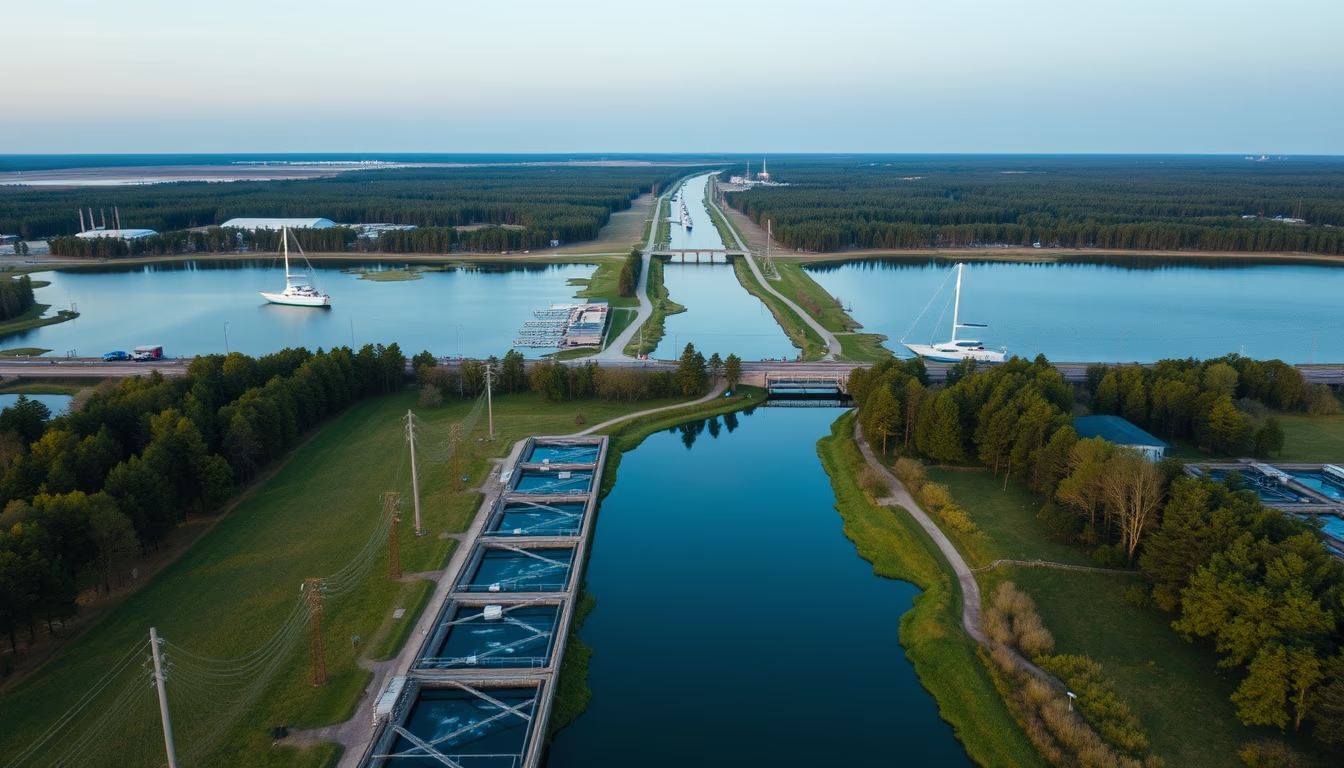
Bays provide natural shelter against strong waves and currents, creating ideal conditions for oyster growth. The practice of oyster farming involves attaching seeds (young oysters) to structures such as lantern nets, tables, or suspended ropes. In Brazil, the Florianópolis region is known for oyster production, especially in Baía Sul, where mariculture has become a source of income for traditional communities. In countries like France and the United States, oyster farming is a multi-million dollar industry, with controlled designations of origin for oysters from different bays.
One major benefit of oyster farming in bays is carbon sequestration. Oyster shells are made of calcium carbonate, removing CO₂ from the atmosphere during growth. Additionally, oyster reefs create habitats for other marine species, increasing local biodiversity. Oyster farming also generates direct and indirect jobs, from production to commercialization, with emphasis on the gastronomic market that values fresh, high-quality oysters.
Despite the benefits, farming faces challenges such as bay pollution from sewage and industrial waste, which can contaminate oysters and affect public health. Therefore, sustainable management and constant monitoring of water quality are essential. Choosing a bay for oyster farming requires consideration of factors such as salinity, temperature, depth, and tidal flow, ensuring maximum productive performance and maintaining ecological balance.
Frequently Asked Questions
How do farmed oysters in bays improve water quality?
Oysters are filter feeders: each can filter up to 190 liters of water per day, removing suspended particles and excess nutrients, which reduces turbidity and helps prevent harmful algal blooms.
What is the difference between farmed and wild oysters?
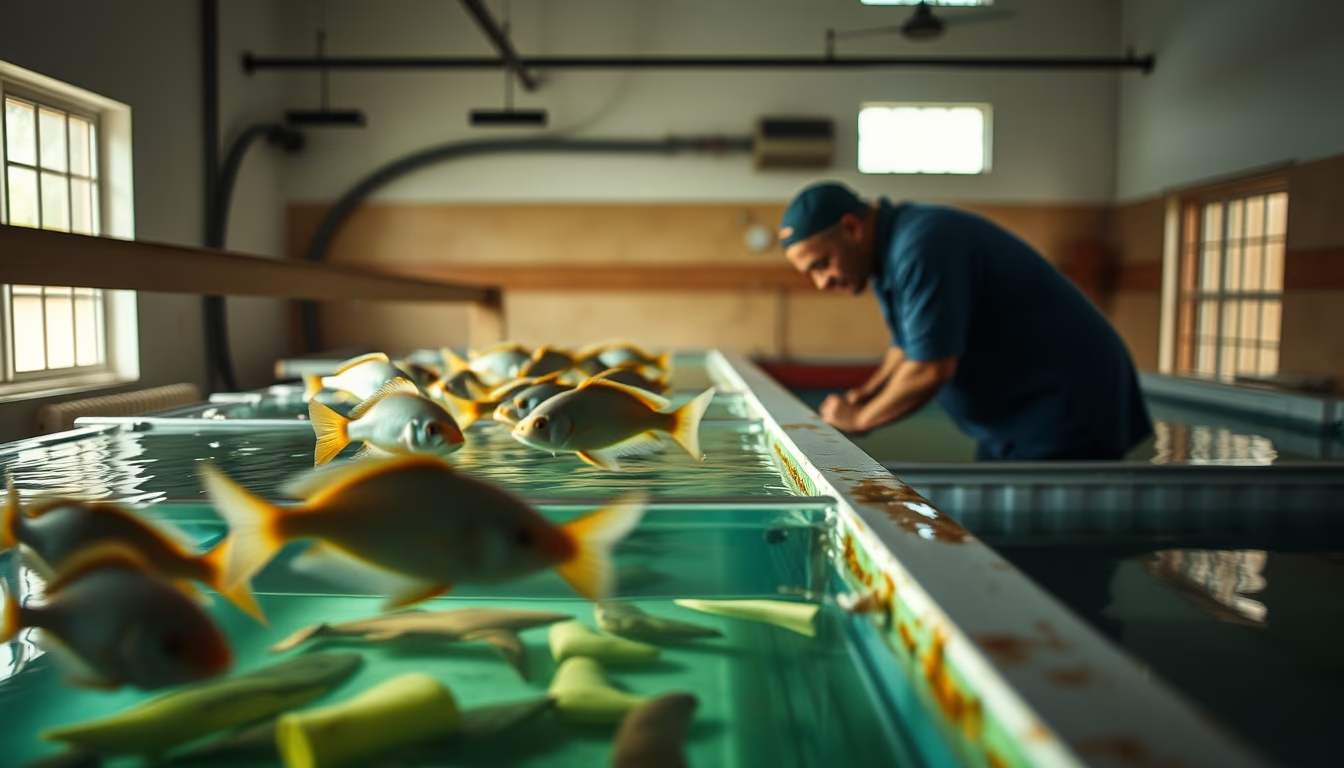
Farmed oysters are produced in controlled systems with genetic selection and health management, ensuring uniform size and flavor. Wild oysters grow naturally on reefs, potentially having irregular shapes and greater flavor variation.
Which countries are the largest producers of farmed oysters?
China leads global production, followed by Japan, South Korea, France, and the United States. In Brazil, production is still modest but growing in states like Santa Catarina, São Paulo, and Rio de Janeiro.
Direct URL
https://pub-c7d6a6ea828543ac903a74a341ccb2e1.r2.dev/imagens/oyster-farm-bay-commercial-product-photography-fresh5.avifHow to credit
Include a visible link back to UtilizAí. Copy one of the snippets below:
<a href="https://xn--utiliza-eza.com/en/midia/imagens/oyster-farm-bay-commercial-product-photography-fresh5">Oyster farm bay</a> by <a href="https://xn--utiliza-eza.com">UtilizAí</a>, licensed under <a href="https://creativecommons.org/licenses/by/4.0/">CC BY 4.0</a>.
[Oyster farm bay](https://xn--utiliza-eza.com/en/midia/imagens/oyster-farm-bay-commercial-product-photography-fresh5) by [UtilizAí](https://xn--utiliza-eza.com), CC BY 4.0
License: CC-BY-4.0