Oyster farm bay
1344×768 · AVIF · CC BY 4.0
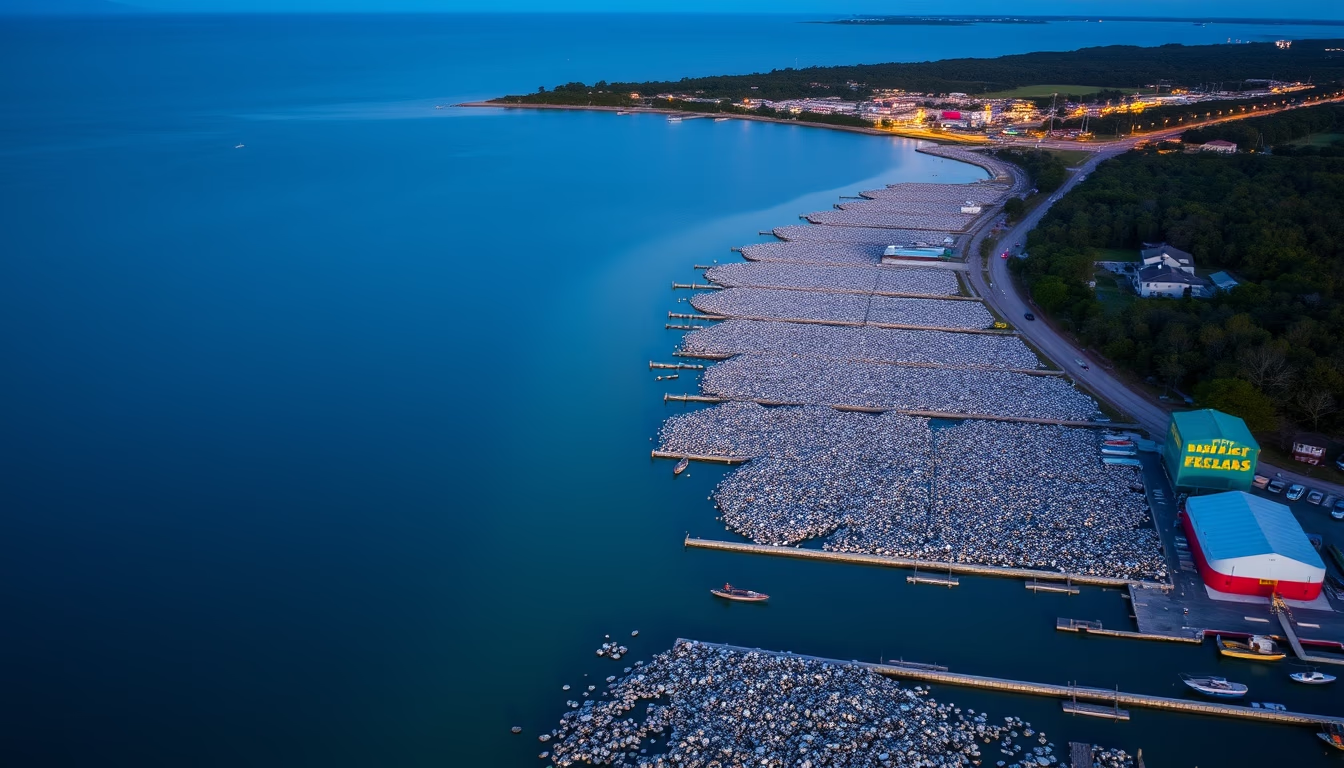
Oyster farming in bays is a sustainable practice combining food production with environmental protection.
About this subject
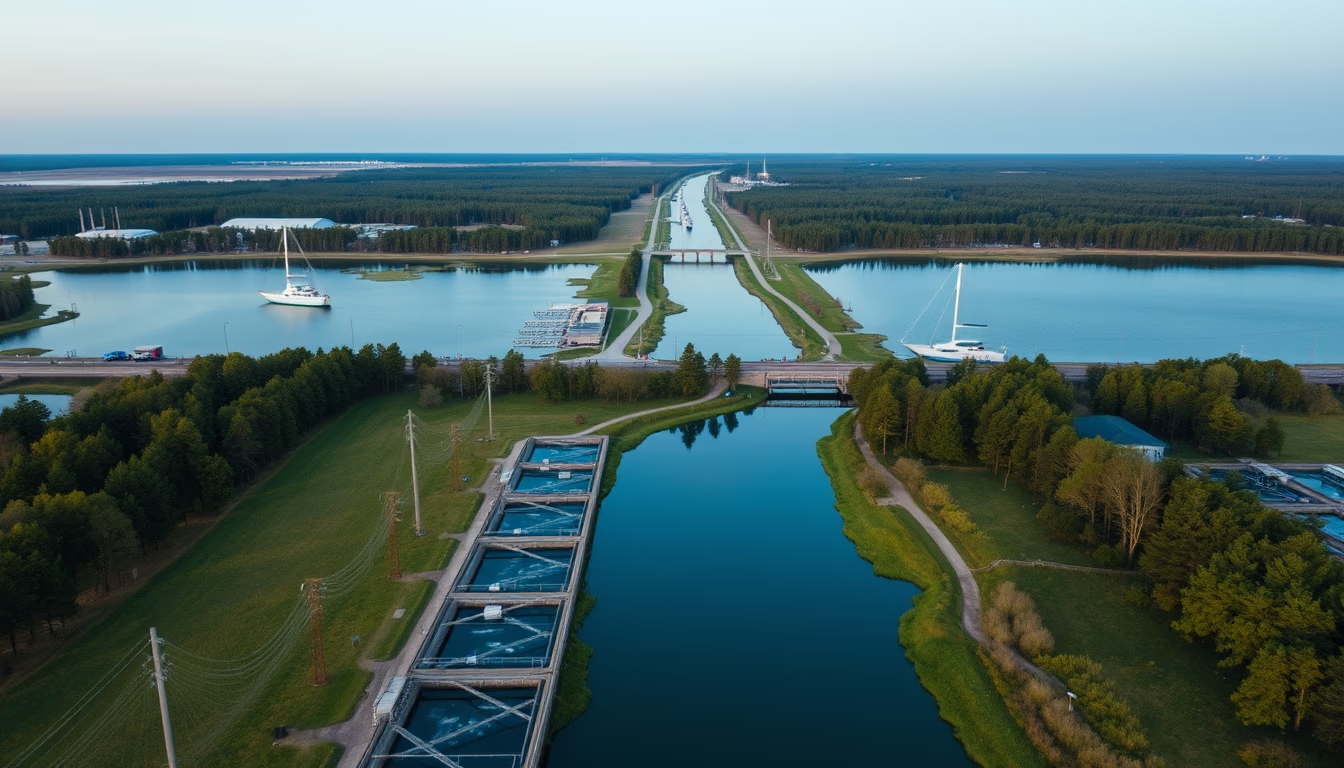
Oyster farming in bays, as seen in the aerial drone shot, is a form of aquaculture conducted in sheltered coastal waters. Oysters are bivalve mollusks that feed by filtering plankton and suspended particles from the water column. This natural process improves water quality by reducing turbidity and excess nutrients. Oyster farms are common in regions such as Chesapeake Bay in the USA, Moreton Bay in Australia, and various inlets across Europe and Asia.
Cultivation methods vary: from bags suspended on floating racks to submerged ropes or bottom cages. In the image, suspended systems are likely used, visible as parallel lines on the water surface. Brazil also has oyster farms, especially along the coast of Santa Catarina, where oyster farming is an important economic activity for local communities. The most cultivated species is the Pacific oyster (Crassostrea gigas), adapted to various environmental conditions.
Beyond commercial value, oysters play a crucial ecological role. A single oyster can filter up to 200 liters of water per day. Oyster reefs create habitat for fish and crustaceans, increasing biodiversity. Oyster aquaculture is considered one of the most sustainable forms of animal protein production, with a low carbon footprint and no need for feed, as oysters feed on naturally occurring organisms.
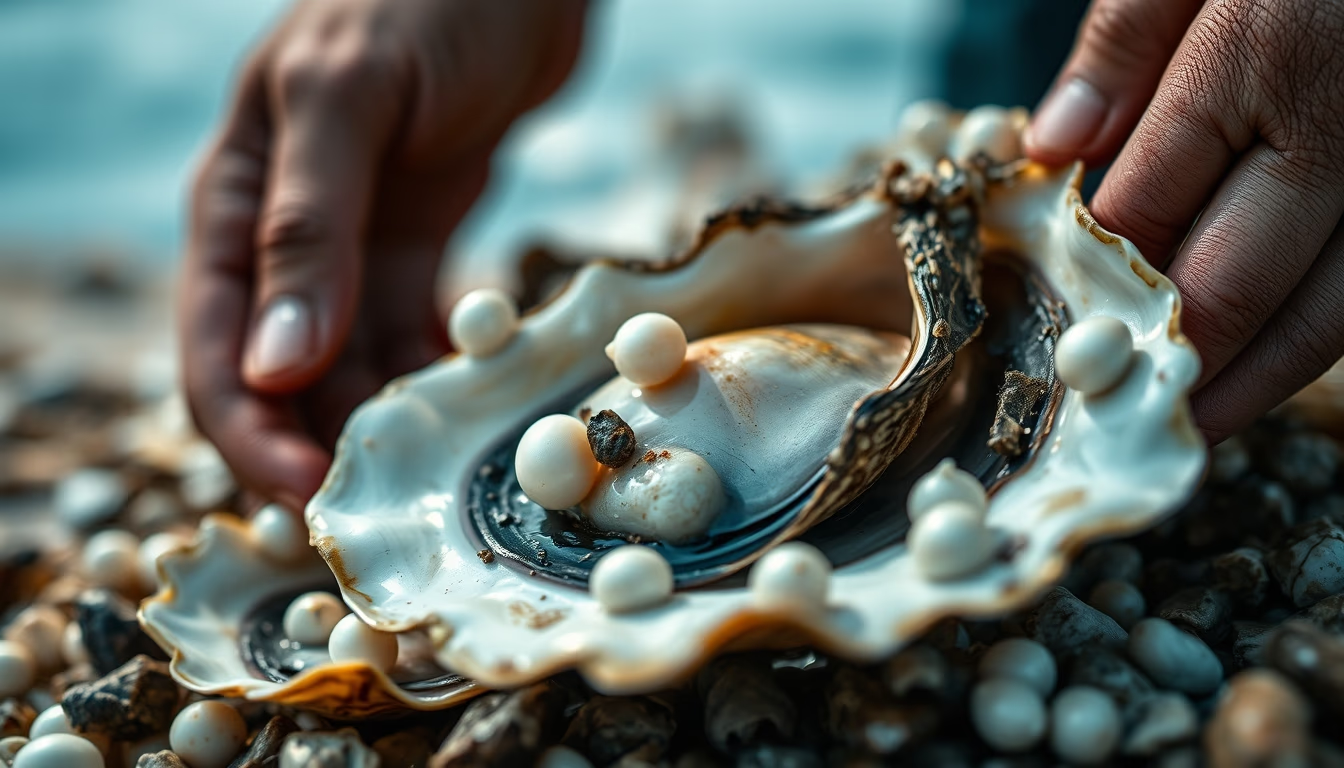
Interestingly, oysters are protandrous hermaphrodites: they start life as males and later become females. Pearl production is rare in edible oysters, being more common in pearl oysters from tropical waters. The industry faces challenges such as ocean acidification, diseases, and extreme weather events, but innovations in cultivation techniques continue to improve sector resilience.
Frequently Asked Questions
How long does it take for an oyster to grow to market size?
Typically, oysters take 2 to 3 years to reach market size, depending on species, water temperature, and food availability.
Does oyster farming harm the environment?
No, quite the opposite. Oyster farming benefits the marine ecosystem because oysters filter water, improving its quality, and the reefs they form provide habitat for other species.
Which are the main oyster-producing countries?
The top global producers are China, the United States, France, Japan, and South Korea. Brazil also has significant production, especially in Santa Catarina.
Direct URL
https://pub-c7d6a6ea828543ac903a74a341ccb2e1.r2.dev/imagens/oyster-farm-bay-aerial-drone-shot-fresh0.avifHow to credit
Include a visible link back to UtilizAí. Copy one of the snippets below:
<a href="https://xn--utiliza-eza.com/en/midia/imagens/oyster-farm-bay-aerial-drone-shot-fresh0">Oyster farm bay</a> by <a href="https://xn--utiliza-eza.com">UtilizAí</a>, licensed under <a href="https://creativecommons.org/licenses/by/4.0/">CC BY 4.0</a>.
[Oyster farm bay](https://xn--utiliza-eza.com/en/midia/imagens/oyster-farm-bay-aerial-drone-shot-fresh0) by [UtilizAí](https://xn--utiliza-eza.com), CC BY 4.0
License: CC-BY-4.0