Oghams celtic stone
1344×768 · AVIF · CC BY 4.0
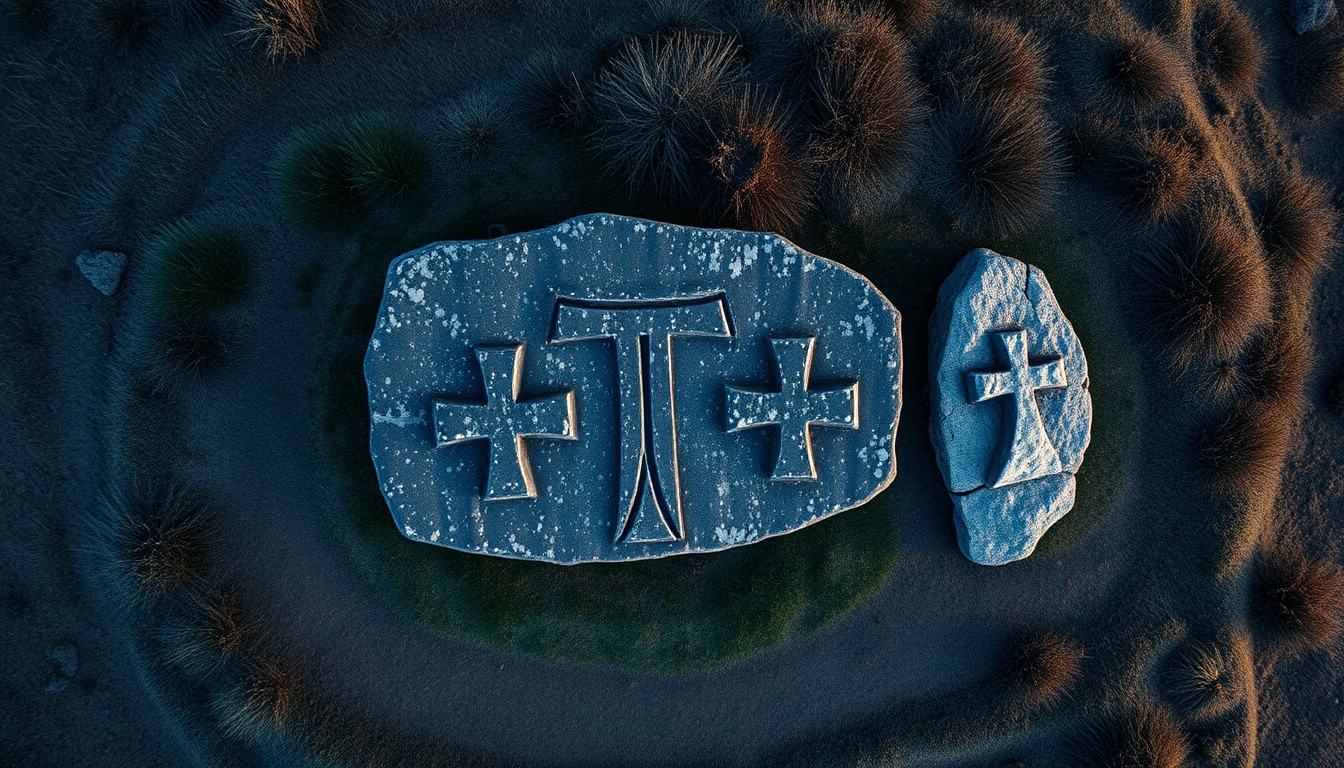
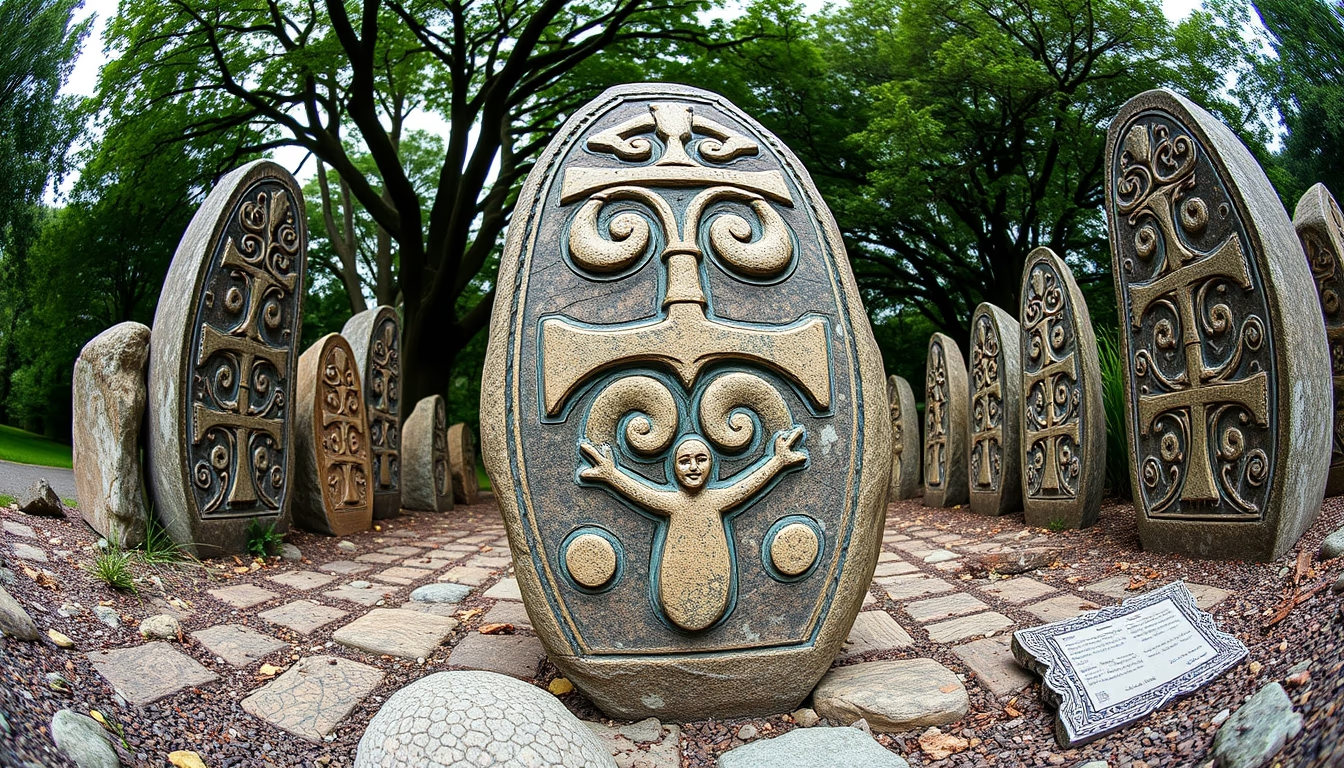
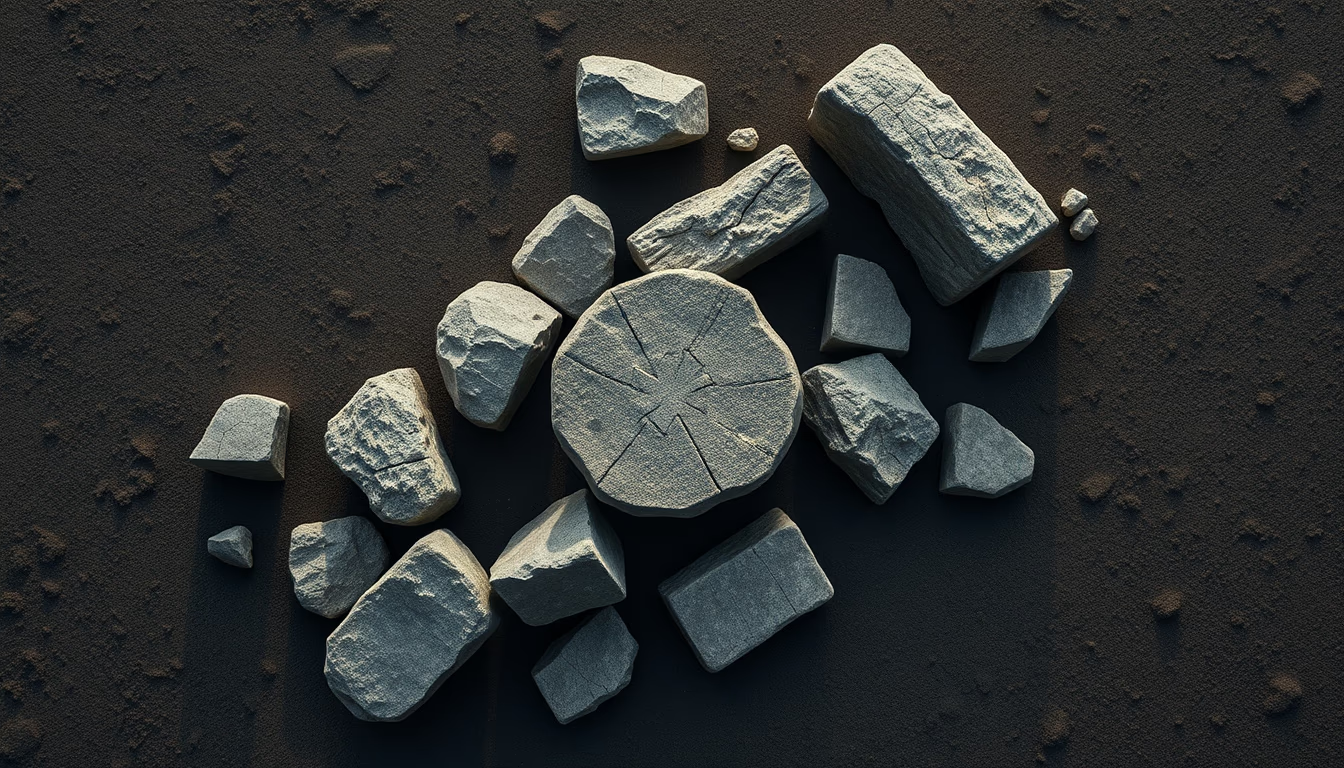
Stones inscribed with Ogham, an early medieval Irish alphabet, typically found at historical sites in Ireland and the UK, reveal lineages and land ownership.
About this subject
Ogham stones are early medieval stone monuments dating from the 4th to 7th centuries AD, inscribed with the Ogham script, a linear alphabet consisting of notches and strokes along a central line. Most examples are found in Ireland, especially in counties such as Kerry, Cork and Waterford, but also in Scotland, Wales and the Isle of Man. These stones served as grave markers or territorial boundary stones, often recording the name of an ancestor or tribal chief, followed by words like "maqqi" (son of) or "avi" (grandson of).
The Ogham alphabet comprises 20 original letters, divided into four groups of five, each representing specific sounds. The script was carved vertically from bottom to top along an edge of the stone. The Ogham tradition is linked to Celtic culture and Irish mythology, associated with the god Ogma who supposedly invented the system. Today, over 400 Ogham stones have been catalogued, many displayed in museums or preserved at their original sites, such as the Heritage Park in County Cork.
Archaeologically, Ogham stones are crucial for understanding the transition from paganism to Christianity in Ireland, as some inscriptions were later Christianized with crosses. The survival of these stones through centuries of weathering and warfare is remarkable, and they continue to be the subject of linguistic and historical study. Aerial drone photography offers a unique perspective of these monuments in their landscape context, highlighting their integration with the ancient Celtic environment.
Frequently Asked Questions
What is the Ogham alphabet?
Ogham is a linear writing system used mainly in Ireland between the 4th and 7th centuries AD, consisting of notches on a central line. It has 20 original letters divided into groups of five, each representing a specific sound.
Where are Ogham stones found?
Most Ogham stones are in Ireland, but they also appear in Scotland, Wales and the Isle of Man. Notable examples include stones in County Kerry and the Dingle Peninsula.
What was the purpose of Ogham stones?
They served as grave markers, boundary stones or lineage memorials, often recording ancestral names with family affiliations like 'son of' or 'grandson of'.
Direct URL
https://pub-c7d6a6ea828543ac903a74a341ccb2e1.r2.dev/imagens/oghams-celtic-stone-aerial-drone-shot-fresh4.avifHow to credit
Include a visible link back to UtilizAí. Copy one of the snippets below:
<a href="https://xn--utiliza-eza.com/en/midia/imagens/oghams-celtic-stone-aerial-drone-shot-fresh4">Oghams celtic stone</a> by <a href="https://xn--utiliza-eza.com">UtilizAí</a>, licensed under <a href="https://creativecommons.org/licenses/by/4.0/">CC BY 4.0</a>.
[Oghams celtic stone](https://xn--utiliza-eza.com/en/midia/imagens/oghams-celtic-stone-aerial-drone-shot-fresh4) by [UtilizAí](https://xn--utiliza-eza.com), CC BY 4.0
License: CC-BY-4.0