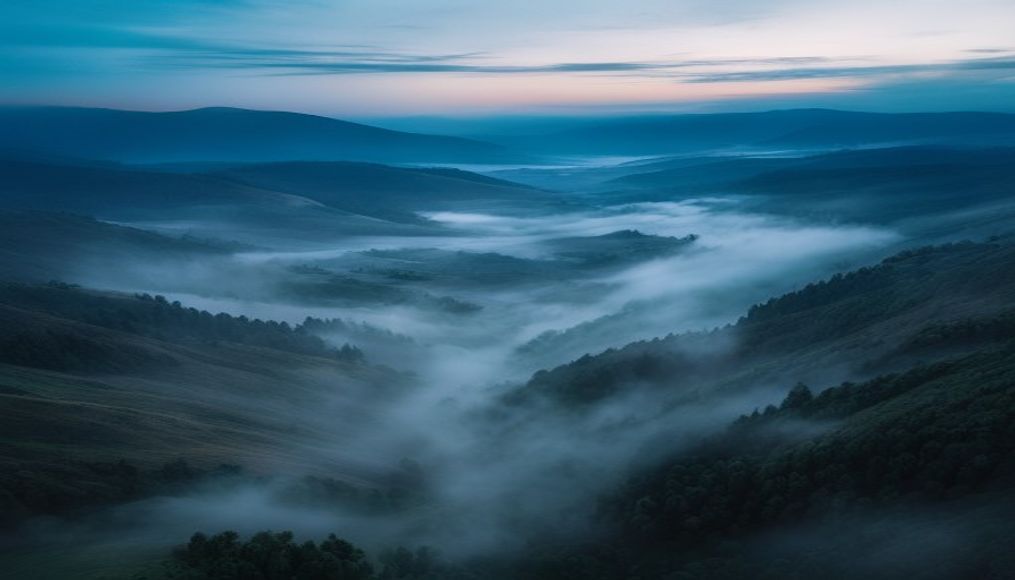
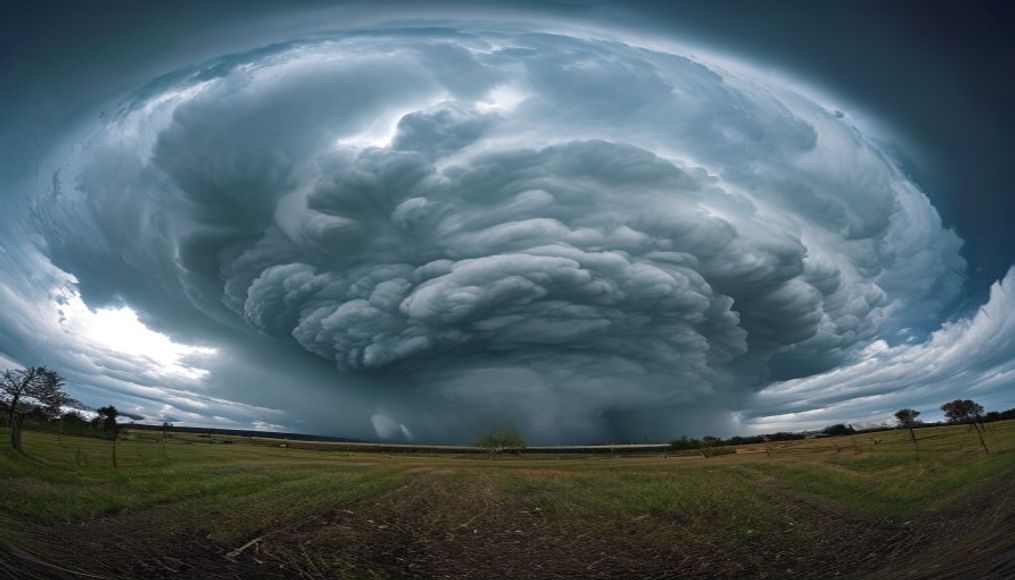
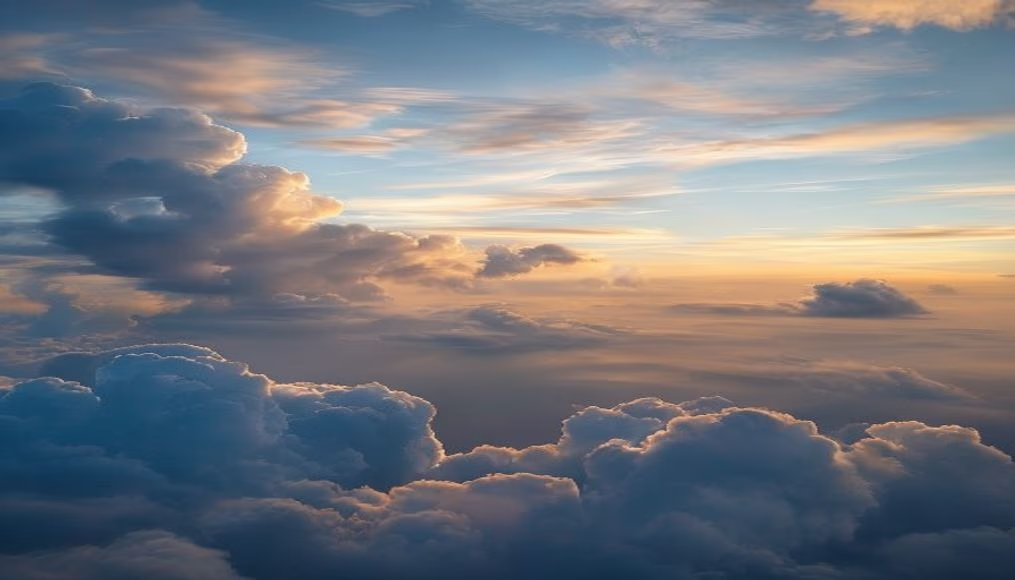
Noctilucent clouds blue
1344×768 · AVIF · CC BY 4.0
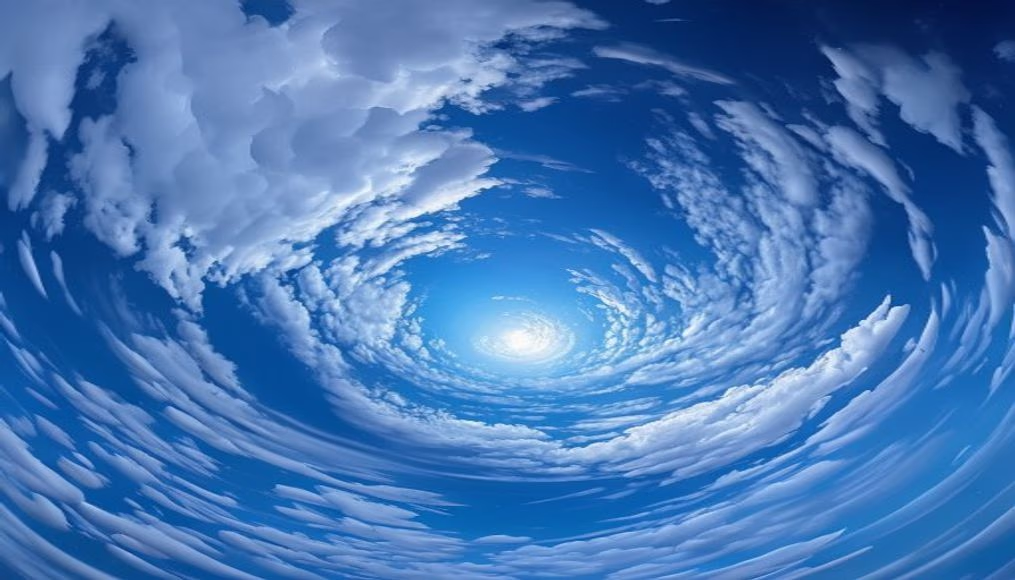
Noctilucent clouds, the highest in the atmosphere, glow blue during summer twilight at high latitudes.
About this subject
Noctilucent clouds, also called polar mesospheric clouds, are the highest clouds on Earth, forming at altitudes between 76 and 85 km in the mesosphere. Unlike ordinary clouds, they consist of tiny ice crystals and become visible only when the Sun is below the horizon, illuminating them from underneath. This phenomenon typically occurs during summer months (May to August in the Northern Hemisphere, November to February in the Southern Hemisphere) at latitudes between 50° and 70°.
Their characteristic blue color results from sunlight scattering by very small particles, an effect known as Rayleigh scattering. The origin of condensation nuclei for these crystals is still debated, but meteor dust, particles from volcanic eruptions, and even rocket exhaust are thought to contribute. Recent studies indicate that increased methane emissions, which produce water vapor in the mesosphere, have made noctilucent clouds more frequent and brighter, a possible indicator of climate change.
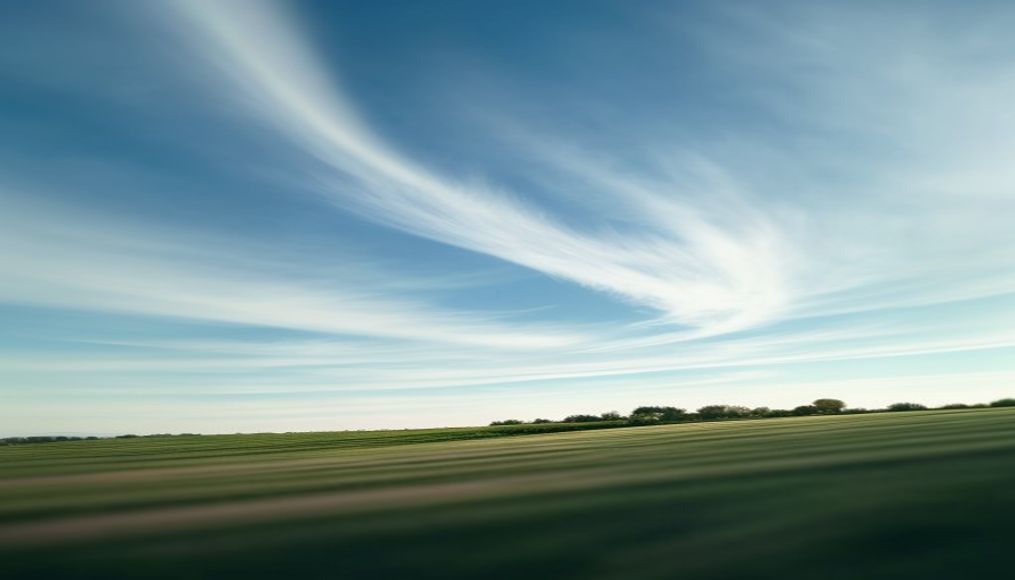
Observing these clouds requires specific conditions: clear sky, unobstructed western horizon, and twilight 30 to 60 minutes after sunset. They appear as thin silver-blue layers or filaments, sometimes showing wave-like structures and vortices. In the Northern Hemisphere, they were first recorded in 1885 after the Krakatoa eruption, though evidence suggests they existed earlier. In the Southern Hemisphere, they are rarer, with recent sightings in Argentina and Antarctica.
Interestingly, noctilucent clouds are a seasonal and high-latitude phenomenon, but with global warming, they may be expanding to lower latitudes. Scientists monitor them via satellites to better understand upper atmosphere dynamics. Due to their beauty and rarity, they are a popular target for night landscape photographers, especially with fisheye lenses that capture the vastness of the twilight sky.
Frequently Asked Questions
What are noctilucent clouds?
They are the highest clouds, made of ice crystals in the mesosphere (76-85 km altitude), visible only during summer twilight at high latitudes. They glow blue or silver due to sunlight reflected from below the horizon.
Where and when can I see noctilucent clouds?
They are observed at latitudes between 50° and 70° during summer (Northern Hemisphere: May-August; Southern Hemisphere: November-February). Best viewing is 30-60 minutes after sunset with a clear western horizon.
Are noctilucent clouds related to climate change?
Yes, increased methane emissions lead to more water vapor in the mesosphere, enhancing cloud formation. Scientists use them as indicators of upper atmosphere changes.
Direct URL
https://pub-c7d6a6ea828543ac903a74a341ccb2e1.r2.dev/imagens/noctilucent-clouds-blue-fish-eye-wide-angle-p0.avifHow to credit
Include a visible link back to UtilizAí. Copy one of the snippets below:
<a href="https://xn--utiliza-eza.com/en/midia/imagens/noctilucent-clouds-blue-fish-eye-wide-angle-p0">Noctilucent clouds blue</a> by <a href="https://xn--utiliza-eza.com">UtilizAí</a>, licensed under <a href="https://creativecommons.org/licenses/by/4.0/">CC BY 4.0</a>.
[Noctilucent clouds blue](https://xn--utiliza-eza.com/en/midia/imagens/noctilucent-clouds-blue-fish-eye-wide-angle-p0) by [UtilizAí](https://xn--utiliza-eza.com), CC BY 4.0
License: CC-BY-4.0