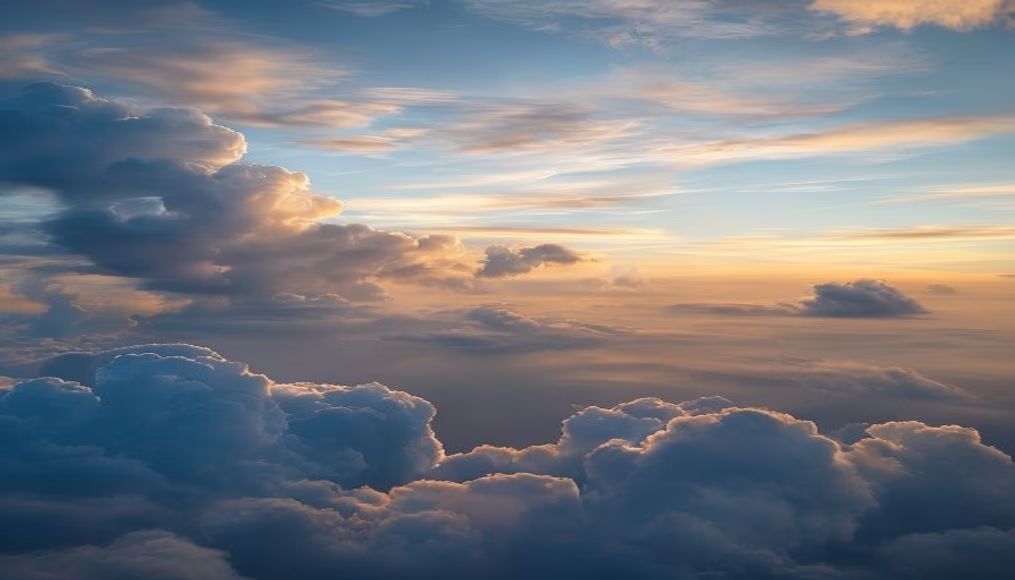
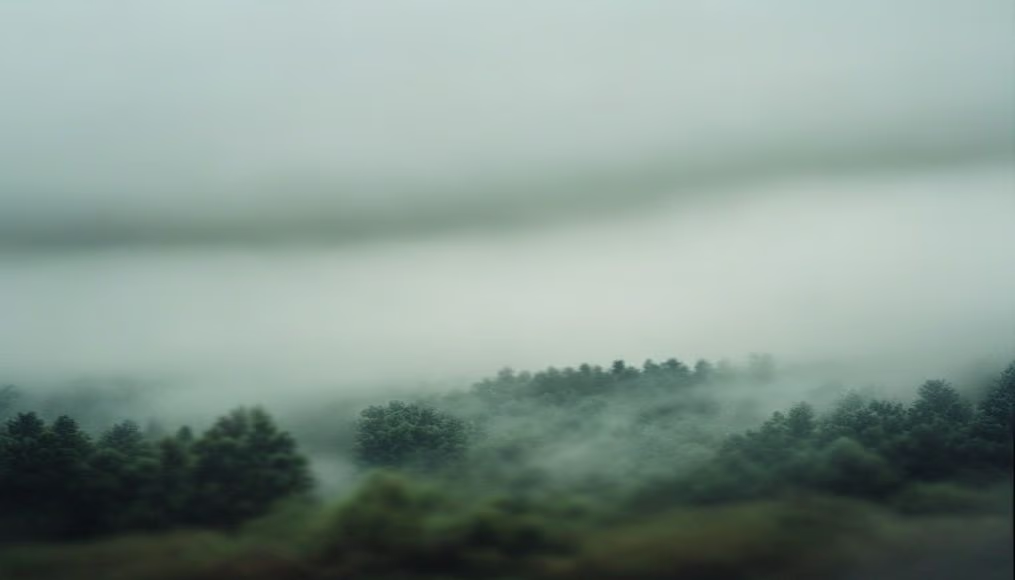
Fog rolling valley
1344×768 · AVIF · CC BY 4.0

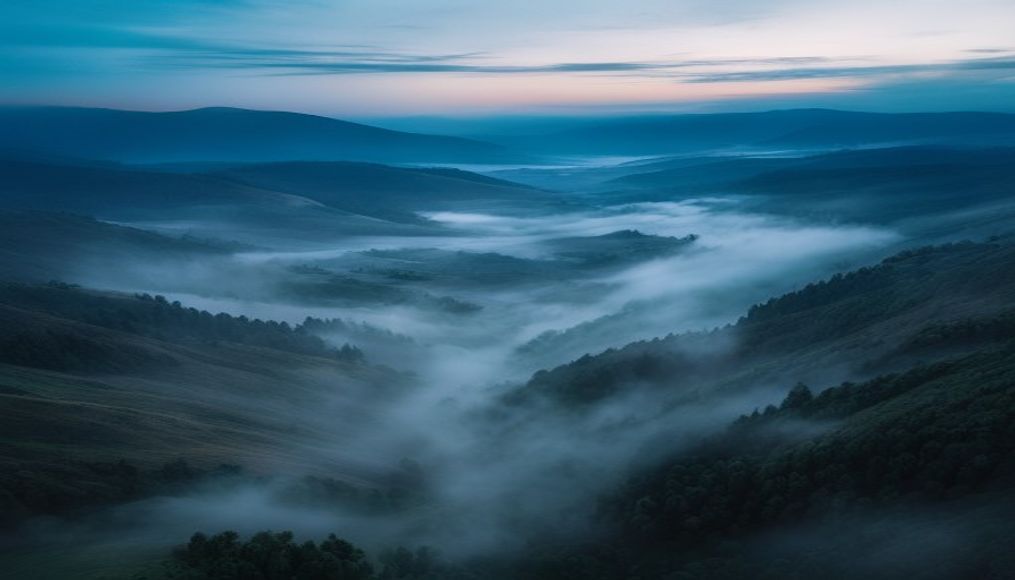
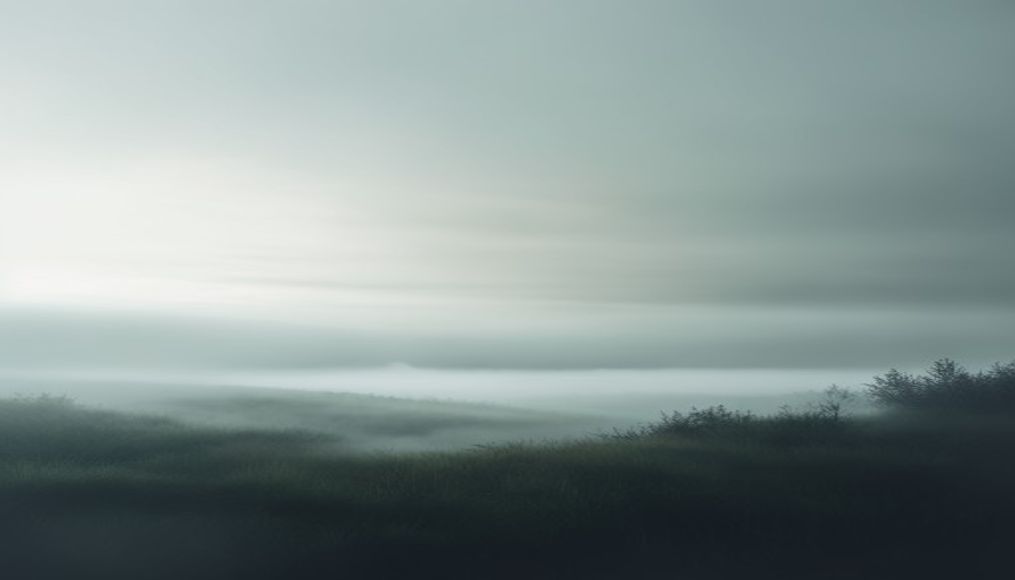
Fog rolling into valleys, a common atmospheric phenomenon in mountainous regions, creates ethereal landscapes and influences local ecosystems.
About this subject
Fog rolling into valleys, popularly known as a "sea of clouds," is a meteorological phenomenon typically observed in mountainous areas and deep valleys. It forms when moist air near the ground cools to its dew point, condensing into tiny suspended water droplets. This process is common during the night and early morning, when thermal radiation from the earth cools the surface, especially on clear nights with light winds. In Brazil, regions such as Serra do Mar, Serra da Mantiqueira, and Vale do Paraíba are frequent stages for this natural spectacle.
The formation of valley fog is associated with two main types: radiation fog and advection fog. The first occurs when the ground loses heat rapidly after sunset, cooling the adjacent air. The second arises when a warm, moist air mass moves over a cooler surface, as when sea winds encounter cooled slopes. In enclosed valleys, cold dense air tends to accumulate, intensifying the fog. This phenomenon is essential for local hydrology, as condensation provides extra moisture for vegetation, especially during dry seasons.
Culturally, fog in valleys inspires artists and photographers, depicted in literature and paintings as a symbol of mystery and transience. In landscape photography, fog softens contours and creates layers of depth, highlighting peaks and trees. In some Brazilian regions, such as Campos do Jordão and the Rota Romântica, the "sea of clouds" is a tourist attraction, particularly during autumn and winter. However, fog also poses risks to aviation and road traffic by drastically reducing visibility.
Ecologically, fog is crucial for ecosystems like the Atlantic Forest, where constant humidity sustains bromeliads, orchids, and mosses that depend on atmospheric water. Studies show that fog water capture by vegetation can account for up to 30% of water input in cloud forests. Additionally, the phenomenon influences local climate, moderating extreme temperatures and contributing to the formation of orographic clouds.
Frequently Asked Questions
Why does fog form in valleys?
Fog forms in valleys because cold, dense air flows down slopes and accumulates in low areas, where moisture condenses upon contact with cooler surfaces. This process is intensified on clear nights with little wind.
What is the difference between fog and mist?
Technically, fog reduces visibility to less than 1 km, while mist allows visibility between 1 and 10 km. Both consist of water droplets, but fog is denser.
Can fog be dangerous for driving?
Yes, fog dramatically reduces visibility, increasing the risk of collisions. It is recommended to reduce speed, use low beams, and increase following distance. In extreme cases, pulling over to a safe location is advised.
Direct URL
https://pub-c7d6a6ea828543ac903a74a341ccb2e1.r2.dev/imagens/fog-rolling-valley-studio-editorial-portrait-p3.avifHow to credit
Include a visible link back to UtilizAí. Copy one of the snippets below:
<a href="https://xn--utiliza-eza.com/en/midia/imagens/fog-rolling-valley-studio-editorial-portrait-p3">Fog rolling valley</a> by <a href="https://xn--utiliza-eza.com">UtilizAí</a>, licensed under <a href="https://creativecommons.org/licenses/by/4.0/">CC BY 4.0</a>.
[Fog rolling valley](https://xn--utiliza-eza.com/en/midia/imagens/fog-rolling-valley-studio-editorial-portrait-p3) by [UtilizAí](https://xn--utiliza-eza.com), CC BY 4.0
License: CC-BY-4.0