Noctilucent clouds blue
1344×768 · AVIF · CC BY 4.0
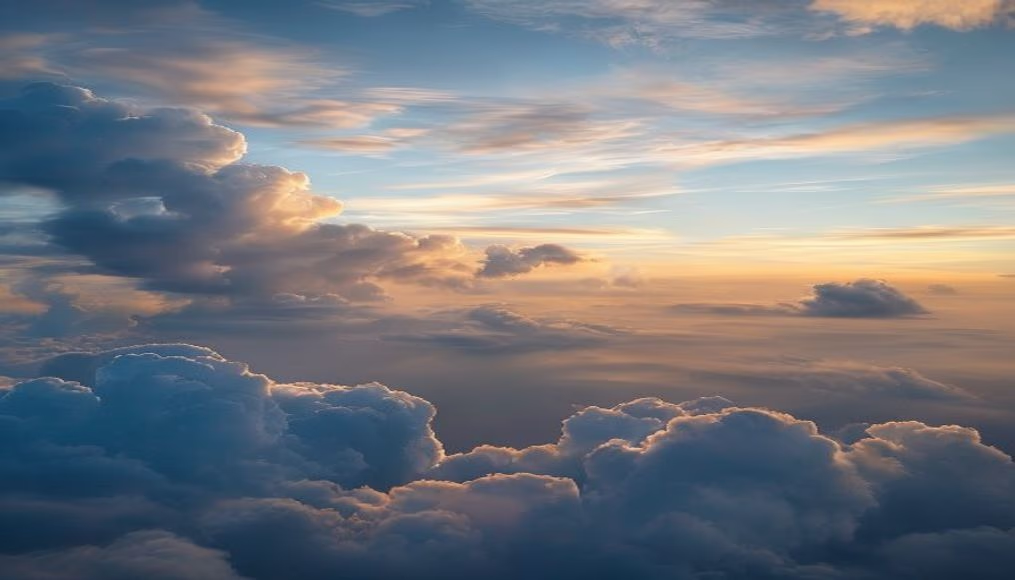
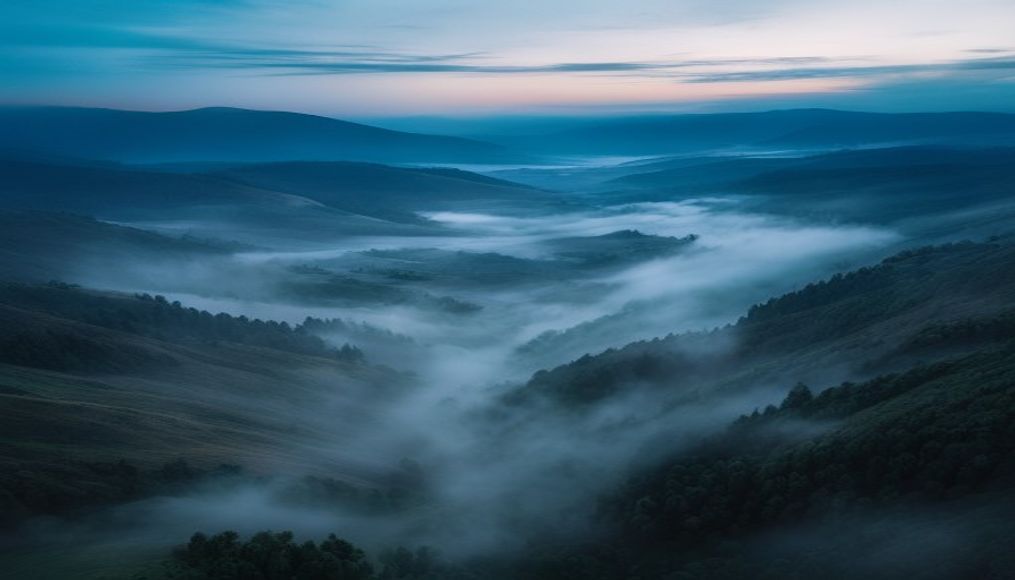
Noctilucent clouds are rare night-shining clouds formed by ice crystals in the Earth's mesosphere.
About this subject
Noctilucent clouds, also known as polar mesospheric clouds, are the highest clouds in Earth's atmosphere. They form in the mesosphere at altitudes of 76 to 85 kilometers, where temperatures plummet to -120 °C. Composed of tiny ice crystals, these clouds reflect sunlight long after sunset, producing a characteristic silvery or blue glow. Their observation is limited to latitudes between 50° and 70° during the summer months of the respective hemisphere, typically from May to August in the north and November to February in the south.
The phenomenon was first reported in 1885, two years after the eruption of Mount Krakatoa, leading to the hypothesis that volcanic particles contributed to their formation. Since then, the frequency of noctilucent clouds has increased, possibly due to rising methane levels in the atmosphere. Methane, a greenhouse gas, decomposes to produce water vapor in the mesosphere, which then freezes into additional ice crystals, enhancing the clouds. Scientists monitor these clouds as indicators of upper atmosphere changes.
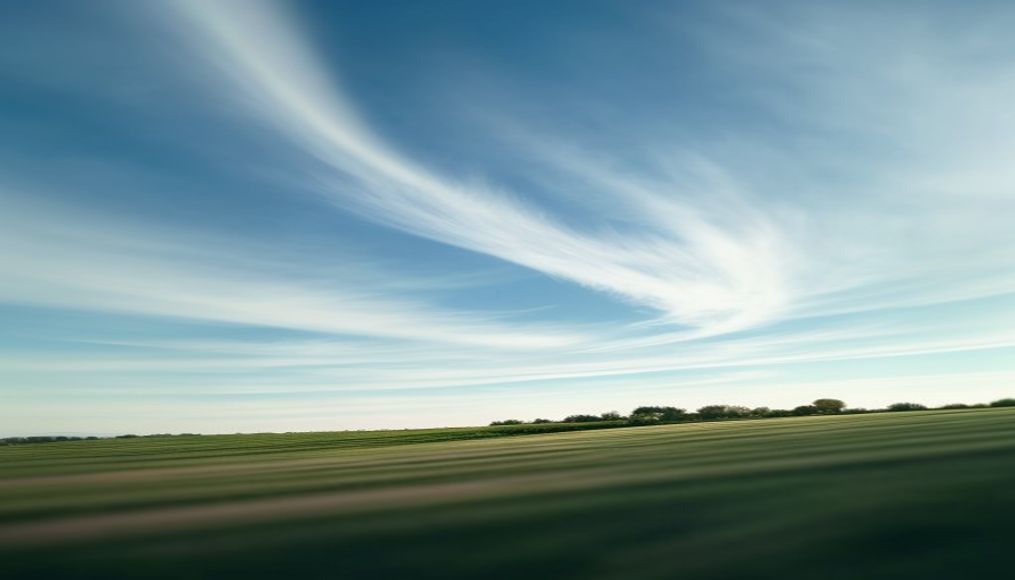
Visually, noctilucent clouds display striking electric blue, silver, and white hues, with wavy, filamentary structures resembling cirrus clouds. They are visible only during twilight, when the Sun is 6° to 16° below the horizon, illuminating them from below. Because of their extreme altitude, they can be observed for several minutes after sunset, while lower clouds are already in darkness. Amateur astronomers and photographers actively seek these rare displays, which require dark, unobstructed skies. Studying noctilucent clouds helps researchers understand atmospheric dynamics and the impacts of climate change on the mesosphere.
Frequently Asked Questions
What are noctilucent clouds?
They are very high clouds formed in the mesosphere (76-85 km altitude), composed of ice crystals that glow during twilight by reflecting sunlight.
When and where can I see noctilucent clouds?
They are visible at high latitudes (50°-70°) during local summer. In the Northern Hemisphere, from May to August; in the Southern, from November to February. Best observed shortly after sunset or before sunrise.
Why are noctilucent clouds blue?
The blue color results from scattering of sunlight by tiny ice crystals. Very small particles scatter shorter wavelengths (blue) more strongly, similar to why the sky appears blue.
Direct URL
https://pub-c7d6a6ea828543ac903a74a341ccb2e1.r2.dev/imagens/noctilucent-clouds-blue-cinematic-wide-shot-p3.avifHow to credit
Include a visible link back to UtilizAí. Copy one of the snippets below:
<a href="https://xn--utiliza-eza.com/en/midia/imagens/noctilucent-clouds-blue-cinematic-wide-shot-p3">Noctilucent clouds blue</a> by <a href="https://xn--utiliza-eza.com">UtilizAí</a>, licensed under <a href="https://creativecommons.org/licenses/by/4.0/">CC BY 4.0</a>.
[Noctilucent clouds blue](https://xn--utiliza-eza.com/en/midia/imagens/noctilucent-clouds-blue-cinematic-wide-shot-p3) by [UtilizAí](https://xn--utiliza-eza.com), CC BY 4.0
License: CC-BY-4.0