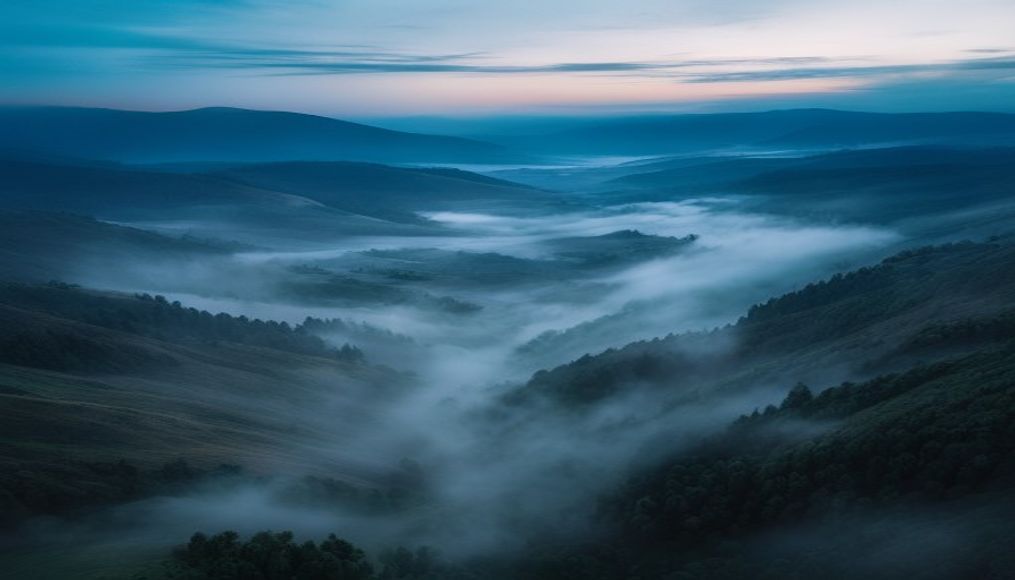
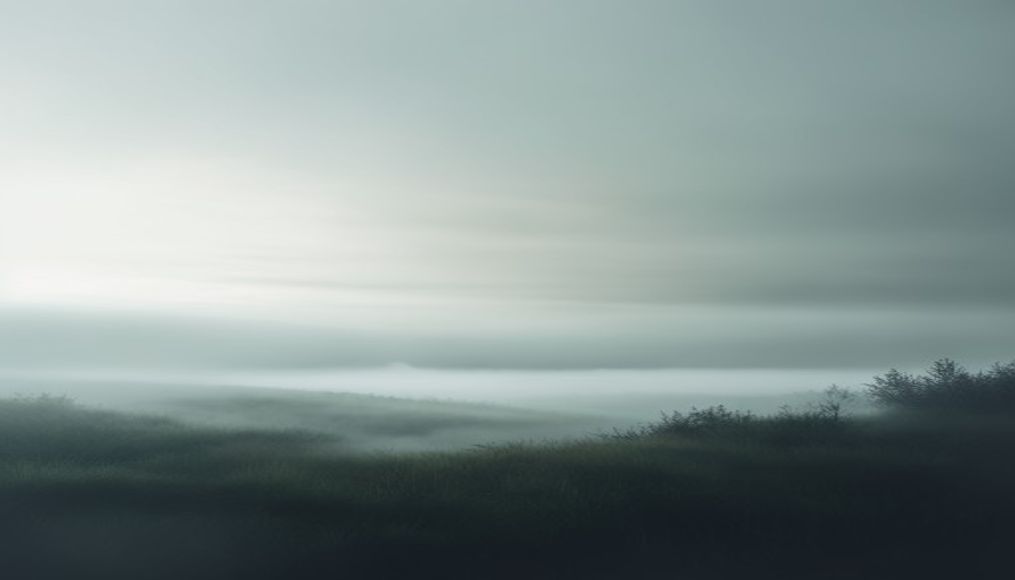
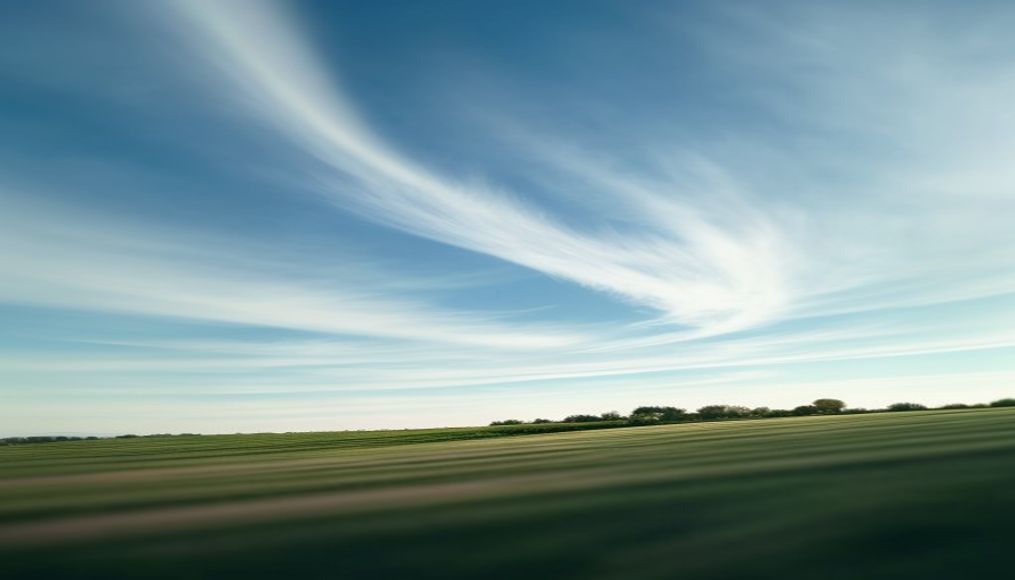
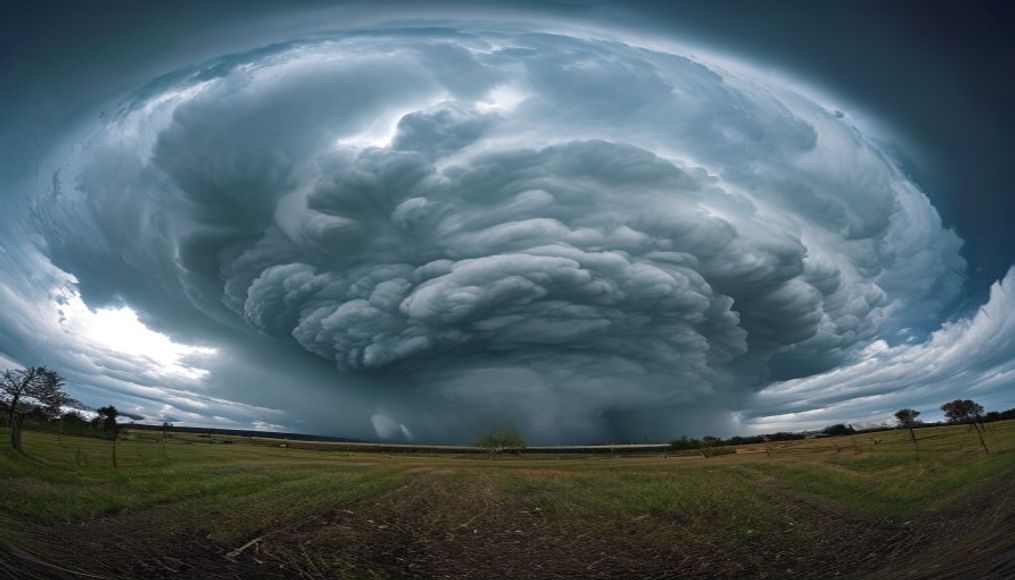
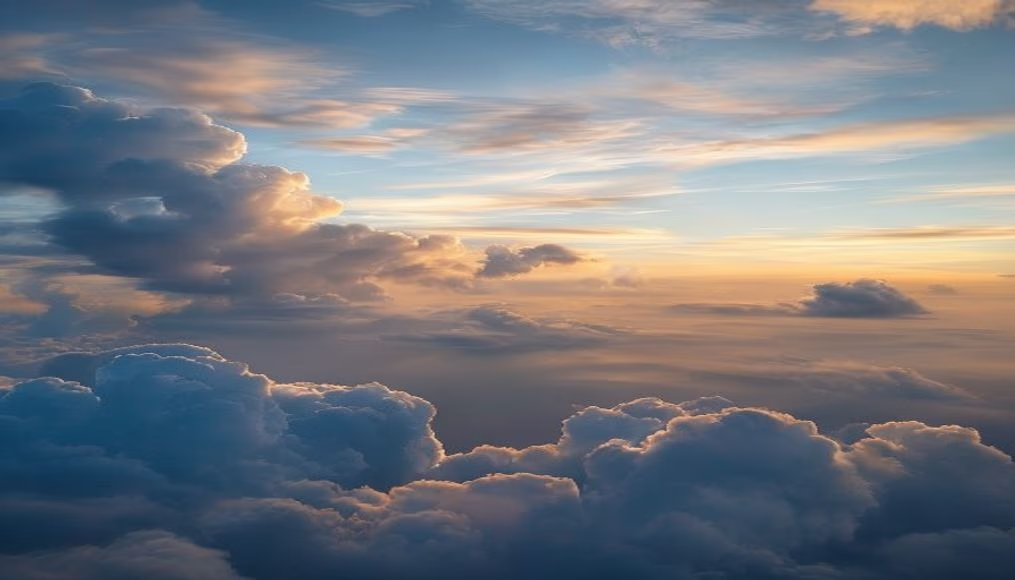
Noctilucent clouds blue
1344×768 · AVIF · CC BY 4.0
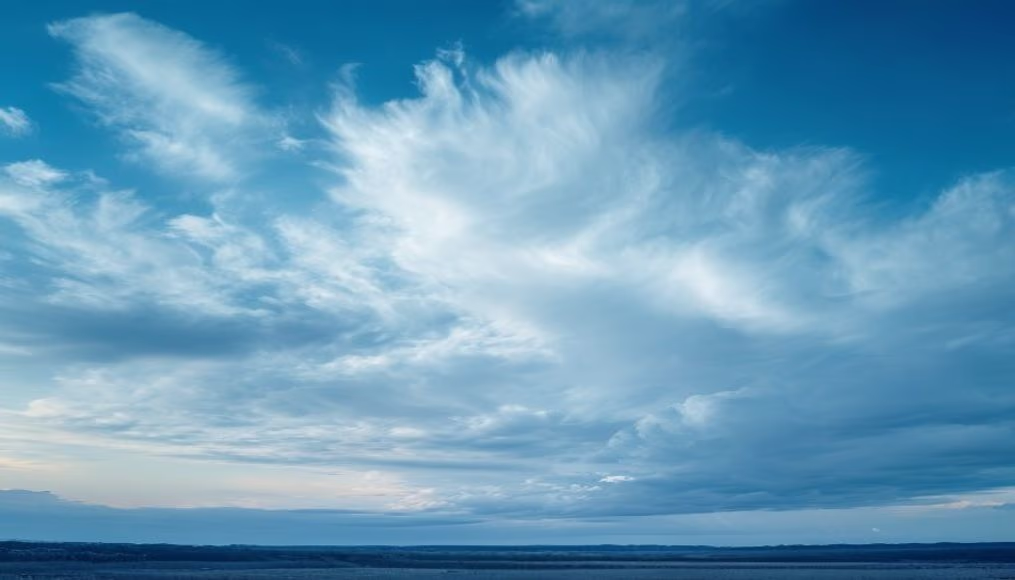
Noctilucent clouds are the highest clouds in the atmosphere, composed of ice crystals in the mesosphere, visible at twilight in high latitudes.
About this subject
Noctilucent clouds, also known as NLCs, are rare atmospheric phenomena occurring in the mesosphere at about 80 km (50 miles) altitude. Unlike ordinary clouds, which form in the troposphere, these clouds consist of tiny ice crystals that condense around meteoritic dust particles. Their characteristic electric blue color results from sunlight scattering when the Sun is below the horizon, illuminating them from below.
These clouds are primarily observed during summer between 50° and 70° latitude in both hemispheres, in regions like Scandinavia, Canada, Russia, and Alaska. Rarely seen at lower latitudes, they can occasionally be spotted in locations such as central Europe. The peak visibility period is from May to August in the Northern Hemisphere and November to February in the Southern Hemisphere, always during astronomical twilight.
The formation of noctilucent clouds requires extremely low temperatures in the mesosphere, sometimes dropping to -120°C (-184°F). Evidence suggests that increased emissions of methane and carbon dioxide may enhance mesospheric cooling, making these clouds more frequent and brighter in recent decades. Research also indicates that solar activity and water vapor from space affect their occurrence.
Since their first scientific description in 1885, following the eruption of Krakatoa, noctilucent clouds have been studied as indicators of changes in the upper atmosphere. Observing them contributes to understanding global atmospheric processes and the impacts of human activities on Earth's climate.
Frequently Asked Questions
What causes the blue color of noctilucent clouds?
The electric blue color is due to sunlight scattering by the tiny ice crystals, which preferentially scatter blue wavelengths. This occurs when the Sun is below the horizon, illuminating the clouds from below.
Are noctilucent clouds becoming more common?
Yes, studies suggest an increase in frequency and brightness since the 1960s. The rise of greenhouse gases like methane and carbon dioxide enhances mesospheric cooling, creating more favorable conditions for their formation.
When is the best time to see noctilucent clouds?
In the Northern Hemisphere, the best period is from May to August. In the Southern Hemisphere, from November to February. They are visible during twilight, shortly after sunset or before sunrise, at high latitudes.
Direct URL
https://pub-c7d6a6ea828543ac903a74a341ccb2e1.r2.dev/imagens/noctilucent-clouds-blue-documentary-photography-p2.avifHow to credit
Include a visible link back to UtilizAí. Copy one of the snippets below:
<a href="https://xn--utiliza-eza.com/en/midia/imagens/noctilucent-clouds-blue-documentary-photography-p2">Noctilucent clouds blue</a> by <a href="https://xn--utiliza-eza.com">UtilizAí</a>, licensed under <a href="https://creativecommons.org/licenses/by/4.0/">CC BY 4.0</a>.
[Noctilucent clouds blue](https://xn--utiliza-eza.com/en/midia/imagens/noctilucent-clouds-blue-documentary-photography-p2) by [UtilizAí](https://xn--utiliza-eza.com), CC BY 4.0
License: CC-BY-4.0