Mussel ropes ocean
1344×768 · AVIF · CC BY 4.0
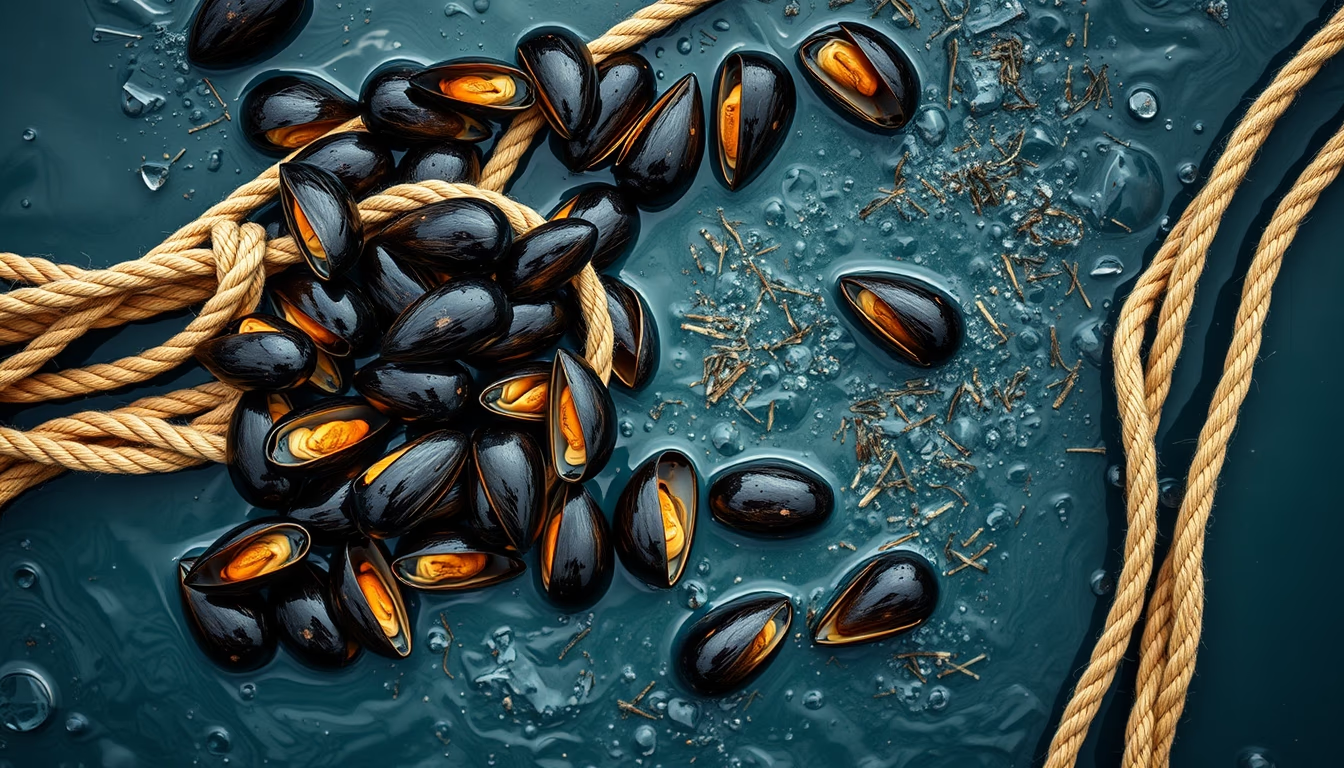
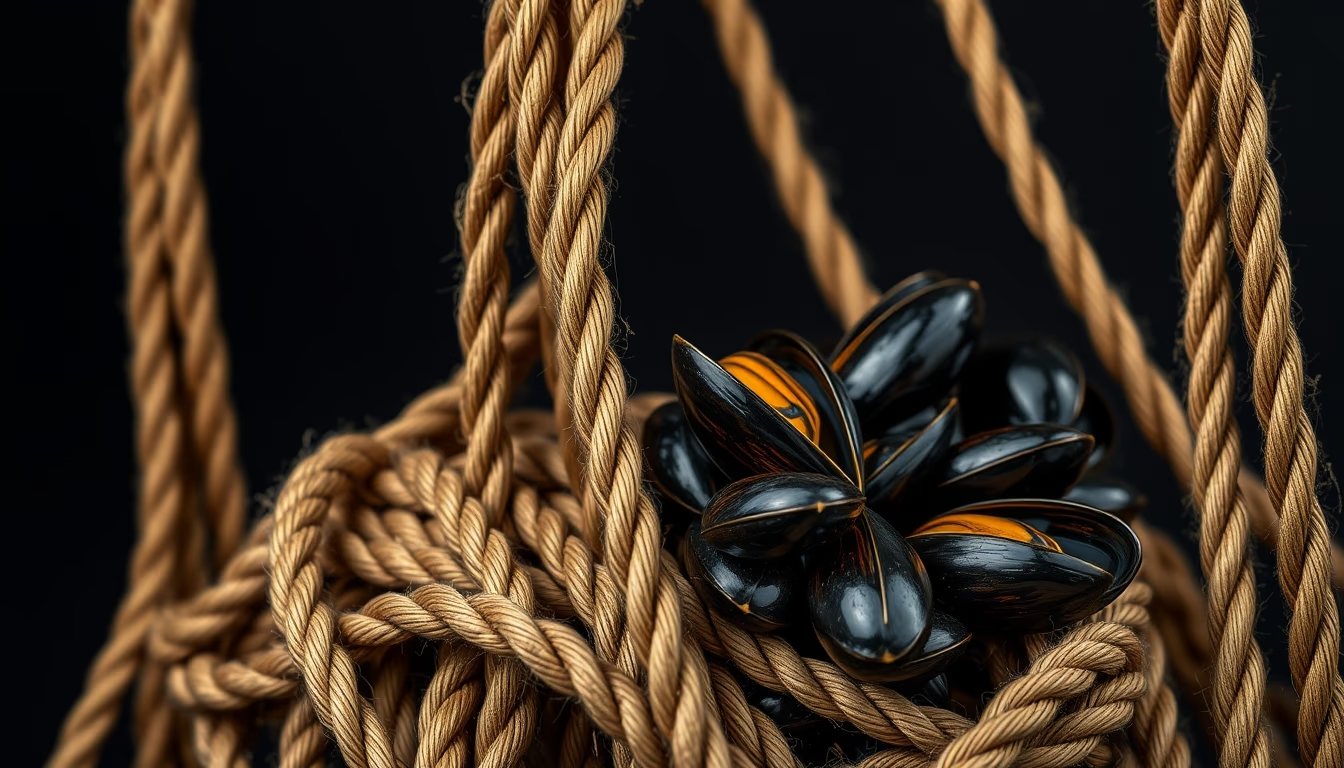
Mussel ropes in the ocean represent an efficient and ecological aquaculture technique, producing fresh and nutritious seafood.
About this subject
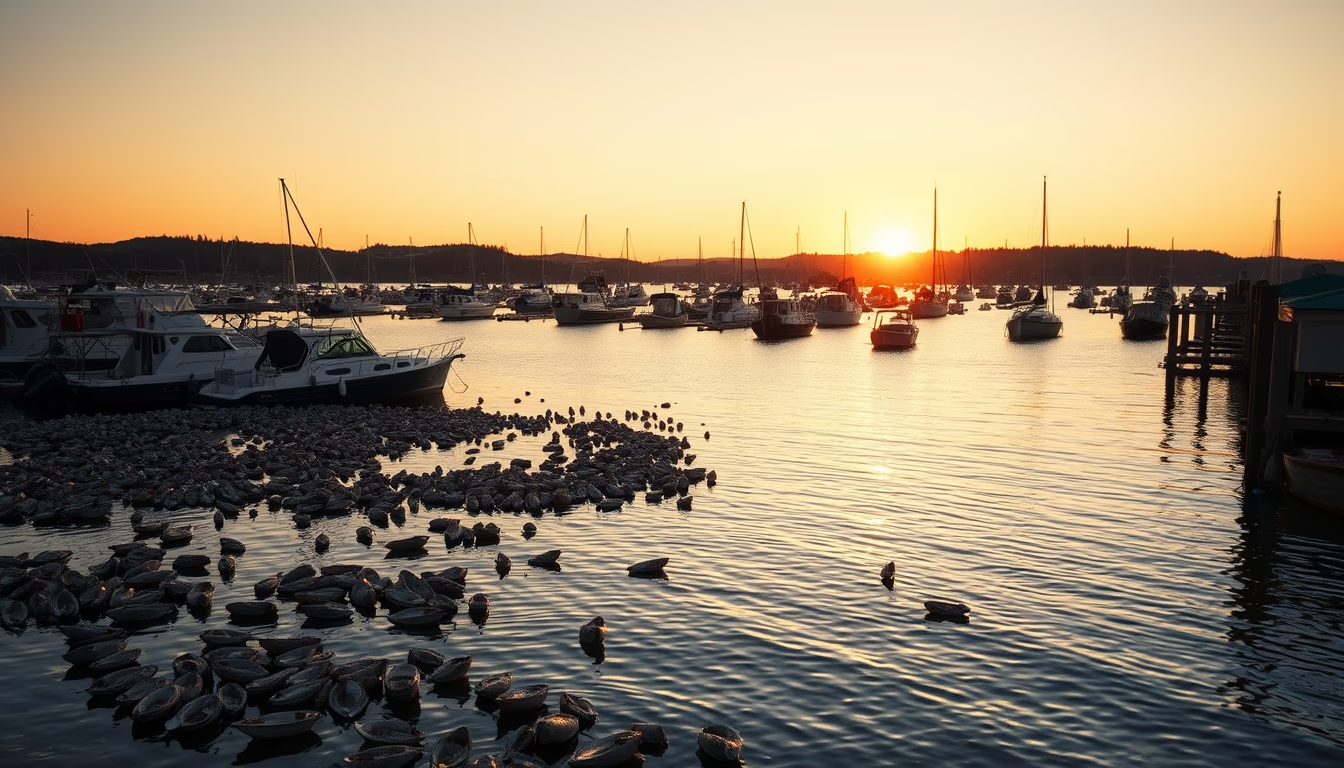
Mussel rope culture, also known as longline or suspended culture, is a sustainable aquaculture practice widely used in coastal areas. In this system, ropes or socks are hung from floating structures such as longlines or rafts in the ocean, where mussel larvae settle naturally or are seeded artificially. The ropes remain submerged for 6 to 18 months until the mussels reach market size.
In Brazil, the largest mussel production comes from the coast of Santa Catarina, especially near Florianópolis, and from Ilha Grande Bay in Rio de Janeiro state. The rope technique is preferred because it avoids bottom contact, reducing predation and sediment accumulation, and allows high culture density. Mussels are filter feeders that consume phytoplankton, requiring no external feed. This makes the activity low-impact, improving water quality by removing excess nutrients.
Global mussel production exceeds 2 million tons annually, with leading producers including China, Chile, Spain, and New Zealand. Mussels are rich in protein, omega-3 fatty acids, and B vitamins, making them a healthy and versatile seafood. Mussel farming generates employment and income in coastal communities, promoting sustainable regional development.
Frequently Asked Questions
How does rope culture of mussels work?
Ropes are suspended from floating structures in the ocean, where mussels attach and grow by filtering natural phytoplankton. After 6 to 18 months, the ropes are harvested and the mussels are processed.
What are the environmental benefits of rope culture?
Mussels are filter feeders that remove excess nutrients from the water, improving water quality. The system requires no feed or chemicals, minimizing ecological impact.
Where is mussel rope culture most practiced in Brazil?
The main producing region is Santa Catarina, especially Florianópolis, Bombinhas, and Palhoça. Other important areas include Ilha Grande Bay in Rio de Janeiro and the coast of São Paulo.
Direct URL
https://pub-c7d6a6ea828543ac903a74a341ccb2e1.r2.dev/imagens/mussel-ropes-ocean-isometric-flat-lay-fresh12.avifHow to credit
Include a visible link back to UtilizAí. Copy one of the snippets below:
<a href="https://xn--utiliza-eza.com/en/midia/imagens/mussel-ropes-ocean-isometric-flat-lay-fresh12">Mussel ropes ocean</a> by <a href="https://xn--utiliza-eza.com">UtilizAí</a>, licensed under <a href="https://creativecommons.org/licenses/by/4.0/">CC BY 4.0</a>.
[Mussel ropes ocean](https://xn--utiliza-eza.com/en/midia/imagens/mussel-ropes-ocean-isometric-flat-lay-fresh12) by [UtilizAí](https://xn--utiliza-eza.com), CC BY 4.0
License: CC-BY-4.0