Mussel ropes ocean
1344×768 · AVIF · CC BY 4.0
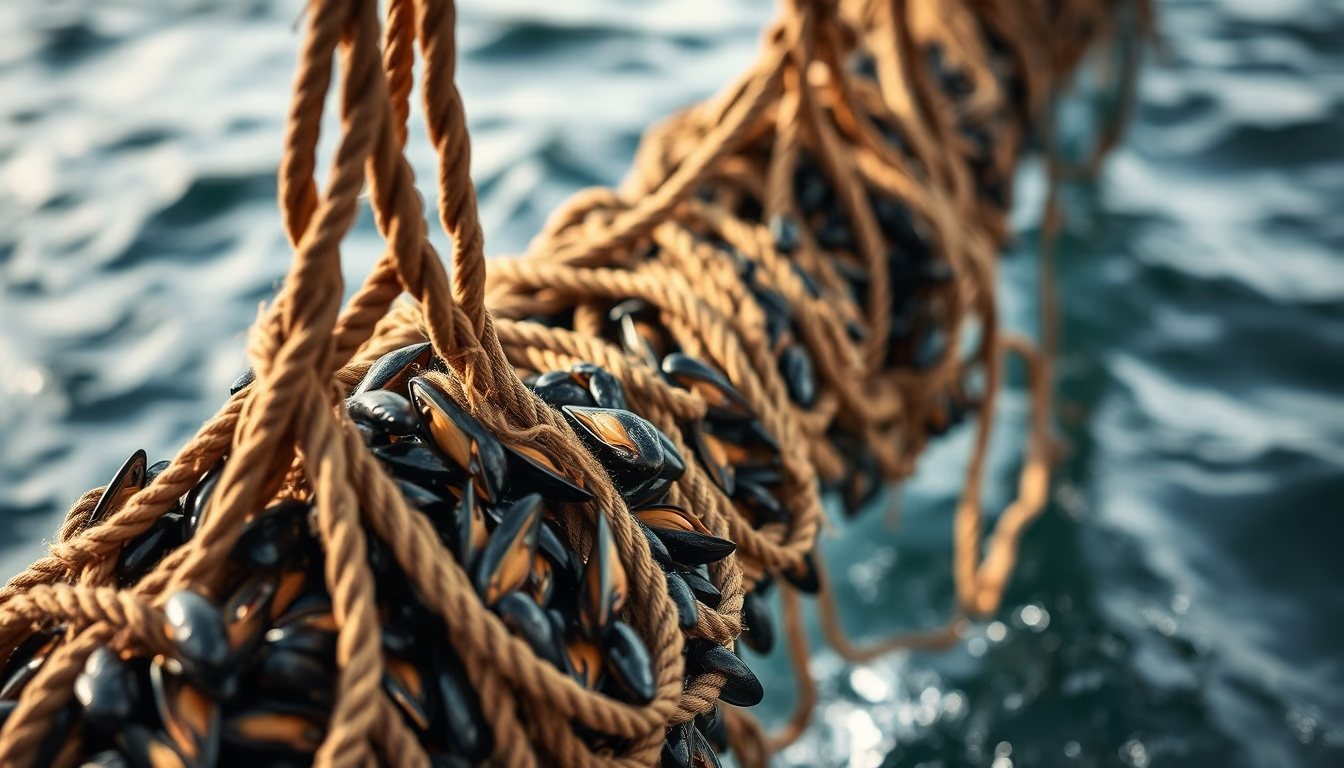
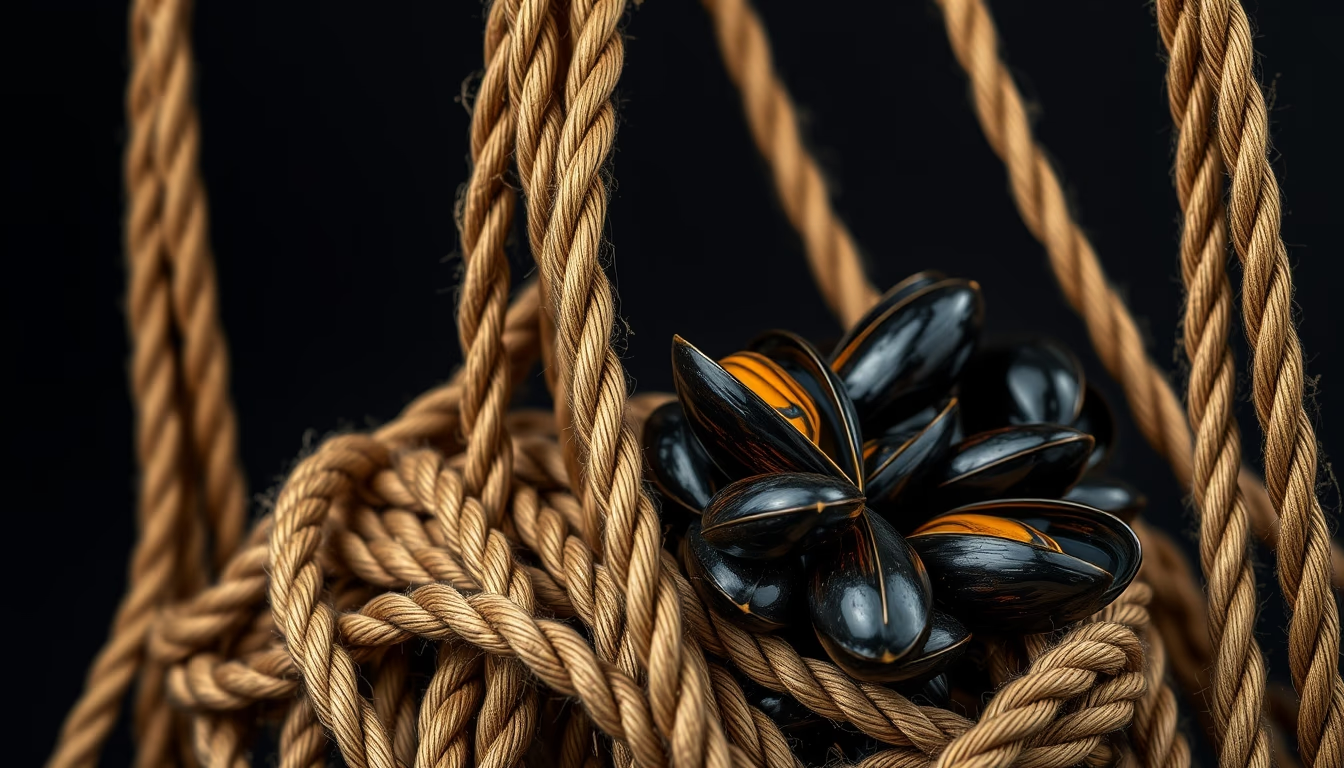
Mussel ropes in the ocean: understand how suspended mussel cultivation works using longlines, a sustainable technique that produces seafood without impacting the seafloor.
About this subject
Mussel farming using suspended ropes, also known as the longline system, is one of the most productive and environmentally responsible techniques in global aquaculture. In this method, ropes or cables are stretched horizontally on the water surface, attached to buoys and anchors. Hanging vertically from them are ropes where mussel seeds attach and grow, feeding by filtering plankton from the water column. This approach eliminates the need for dredging or contact with the seabed, reducing erosion and disturbance to benthic habitats.
Countries such as Chile, New Zealand, Spain, and Brazil widely adopt this technique. In Brazil, mussel mariculture is strong in Santa Catarina, especially around Greater Florianópolis, where nutrient-rich waters favor rapid mollusk growth. Each rope can yield tens of kilograms of mussels in cycles of 6 to 12 months, depending on temperature and food availability. Additionally, rope cultivation allows easy monitoring and selective harvesting.
Ecologically, mussels are considered natural biofilters: a single individual can filter up to 80 liters of water per day, helping to clarify water and remove excess nutrients. However, the accumulation of mussels on ropes can locally increase oxygen demand, and excessive density requires careful management to avoid competition. The technique is also vulnerable to storms and biofouling by unwanted organisms like barnacles and algae, which require periodic cleaning of structures.
Economically, mussel farming generates jobs and income in coastal communities, with low implementation costs compared to other forms of aquaculture. Mussel meat is rich in protein, omega-3, and low in fat, making it a healthy and low‑environmental-impact food. Global mussel production is estimated to exceed 2 million tons annually, with a growing trend due to demand for sustainable proteins.
Frequently Asked Questions
What are mussel ropes in the ocean?
They are suspended rope structures attached to buoys where mussels grow, anchored by their byssus threads. This system is called longline and is used in aquaculture to produce mussels without seabed contact.
What are the advantages of rope-grown mussel cultivation?
It reduces environmental impact by avoiding dredging, allows high density, easy harvesting and monitoring, and mussels act as natural biofilters improving water quality.
Where is this method most common in Brazil?
Mainly in Santa Catarina, around Greater Florianópolis, where mussel mariculture is traditional and oceanographic conditions are favorable.
Direct URL
https://pub-c7d6a6ea828543ac903a74a341ccb2e1.r2.dev/imagens/mussel-ropes-ocean-documentary-photography-fresh16.avifHow to credit
Include a visible link back to UtilizAí. Copy one of the snippets below:
<a href="https://xn--utiliza-eza.com/en/midia/imagens/mussel-ropes-ocean-documentary-photography-fresh16">Mussel ropes ocean</a> by <a href="https://xn--utiliza-eza.com">UtilizAí</a>, licensed under <a href="https://creativecommons.org/licenses/by/4.0/">CC BY 4.0</a>.
[Mussel ropes ocean](https://xn--utiliza-eza.com/en/midia/imagens/mussel-ropes-ocean-documentary-photography-fresh16) by [UtilizAí](https://xn--utiliza-eza.com), CC BY 4.0
License: CC-BY-4.0