Mount etna sicily
1344×768 · AVIF · CC BY 4.0
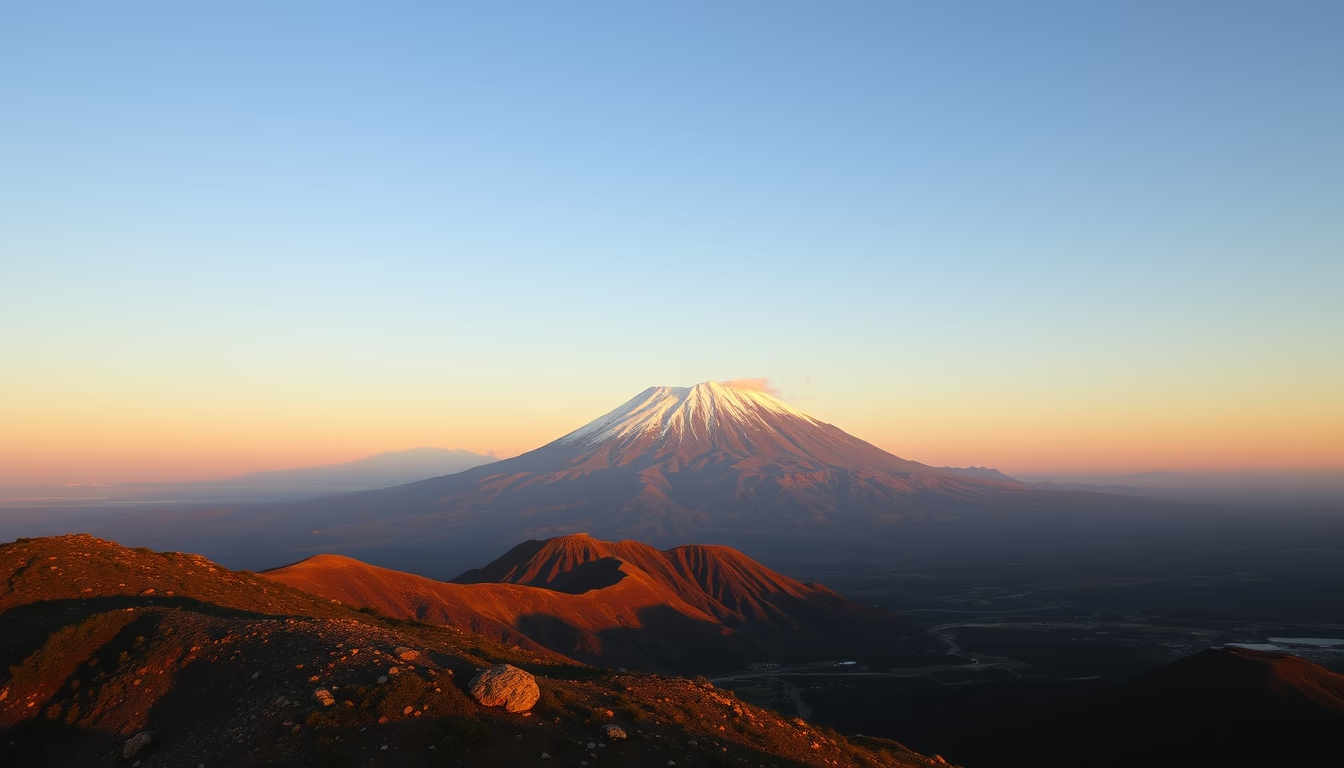
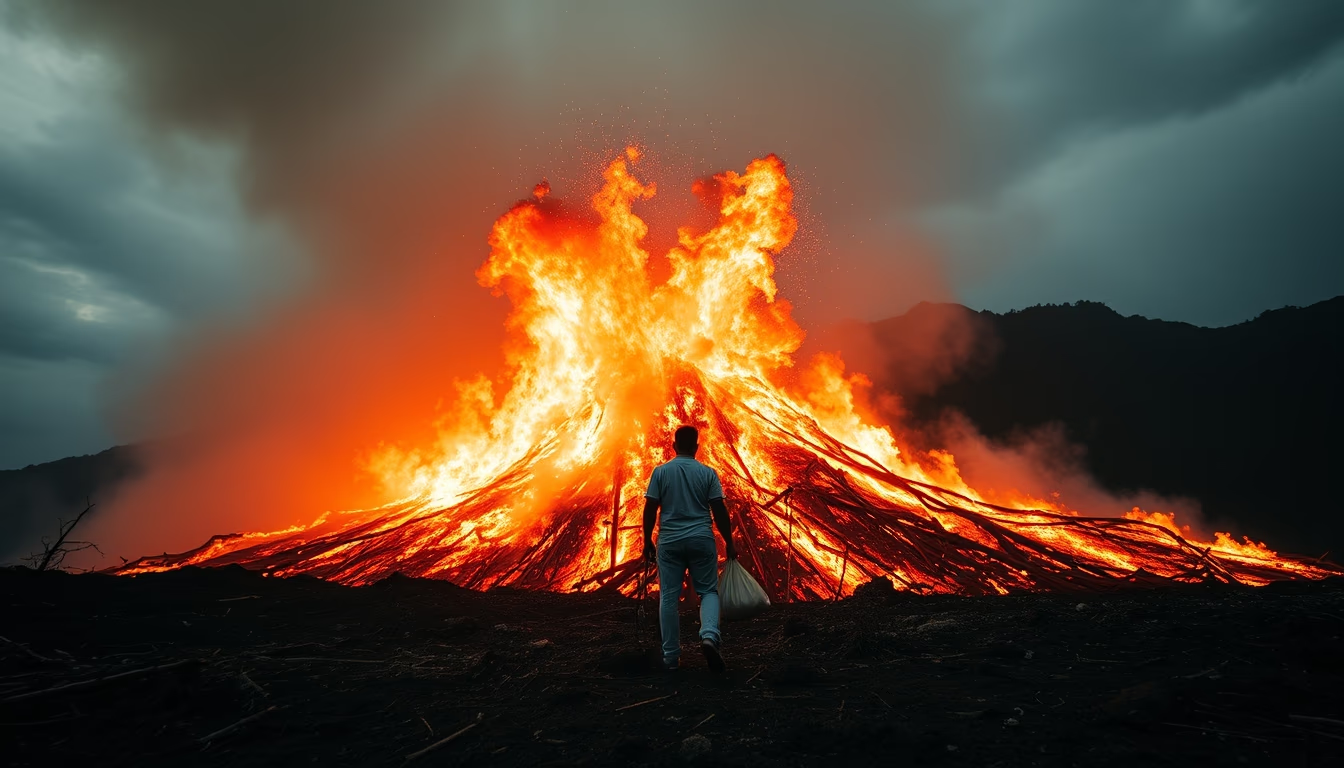
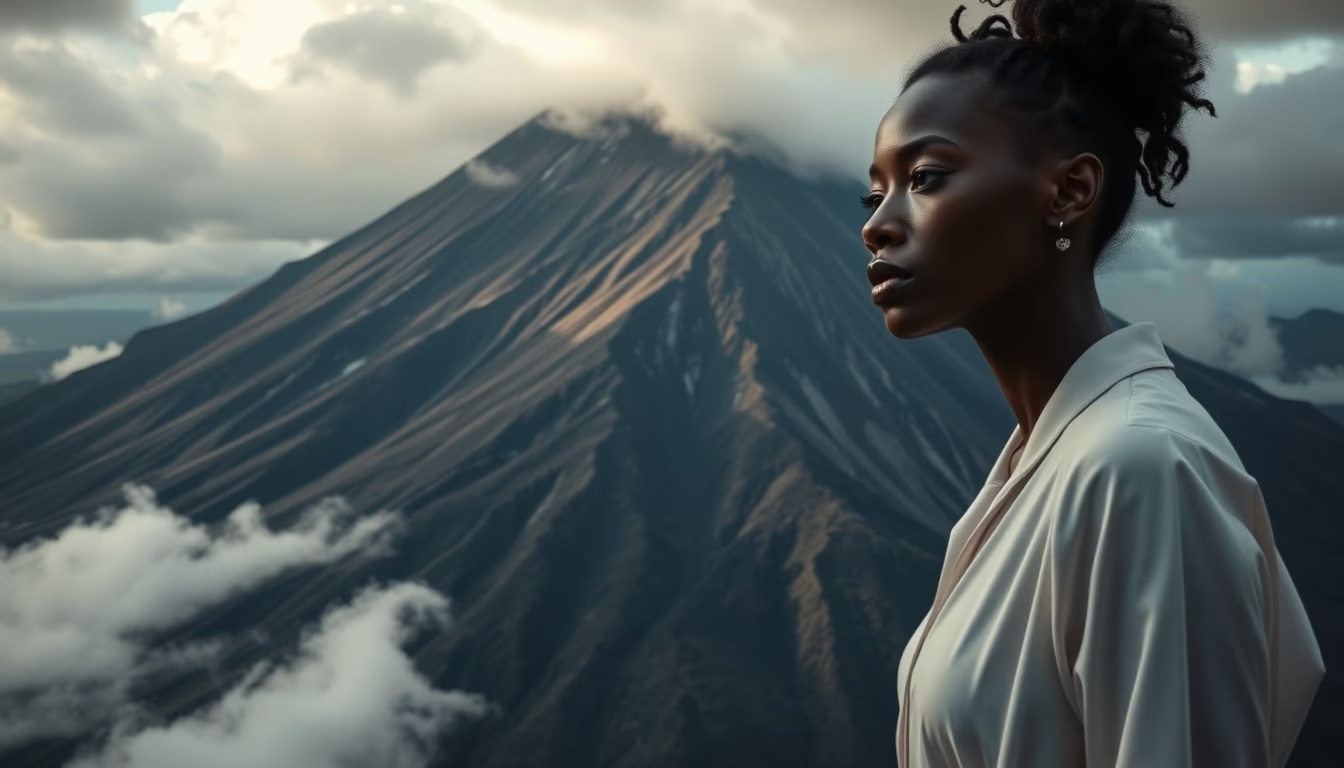
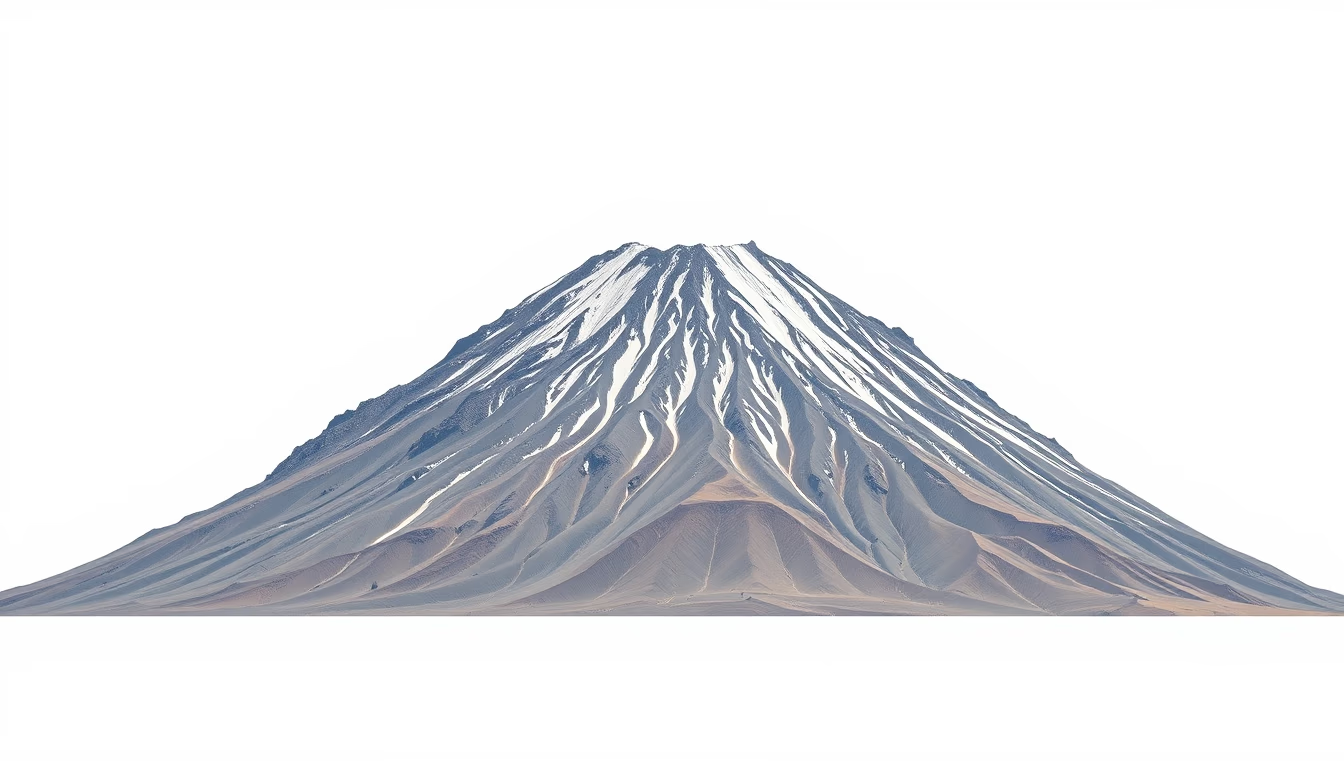
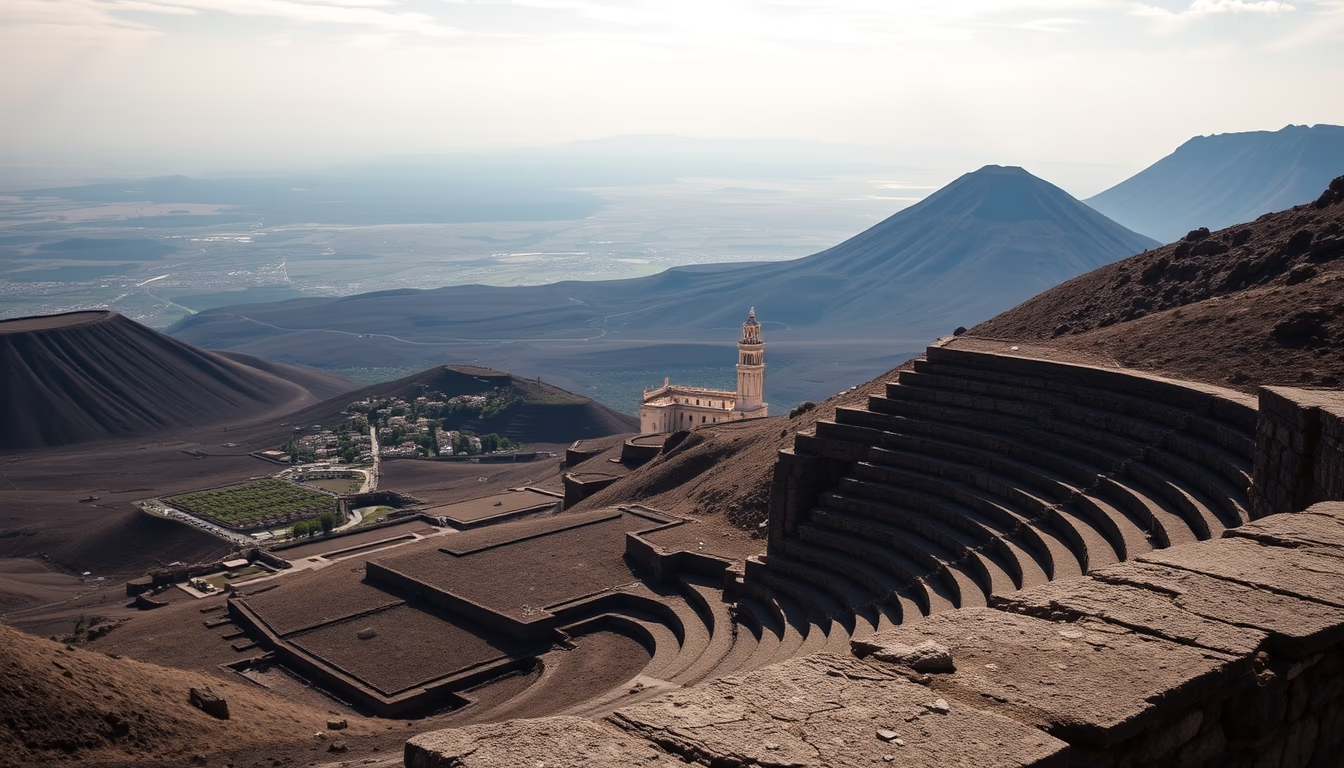
Mount Etna in Sicily is the highest active volcano in Europe and a UNESCO World Heritage Site, known for its frequent eruptions and lunar landscapes.
About this subject
Mount Etna, located on the east coast of Sicily, Italy, is the highest active volcano in Europe, standing at approximately 3,357 meters (height varies after eruptions). Its eruptive activity has been documented for over 2,700 years, making it one of the most studied volcanoes worldwide. Etna covers an area of about 1,190 km² and features multiple summit craters, along with hundreds of lateral cones formed by eruptions over the centuries.
Culturally, Etna holds a significant place in mythology. Ancient Greeks believed the volcano housed the forge of Hephaestus (Vulcan to the Romans) and that the giant Typhon was imprisoned beneath its slopes. The fertile slopes, enriched by mineral-rich volcanic soil, support vineyards, olive groves, and citrus orchards. The region produces renowned wines such as Etna DOC, grown at high altitudes.
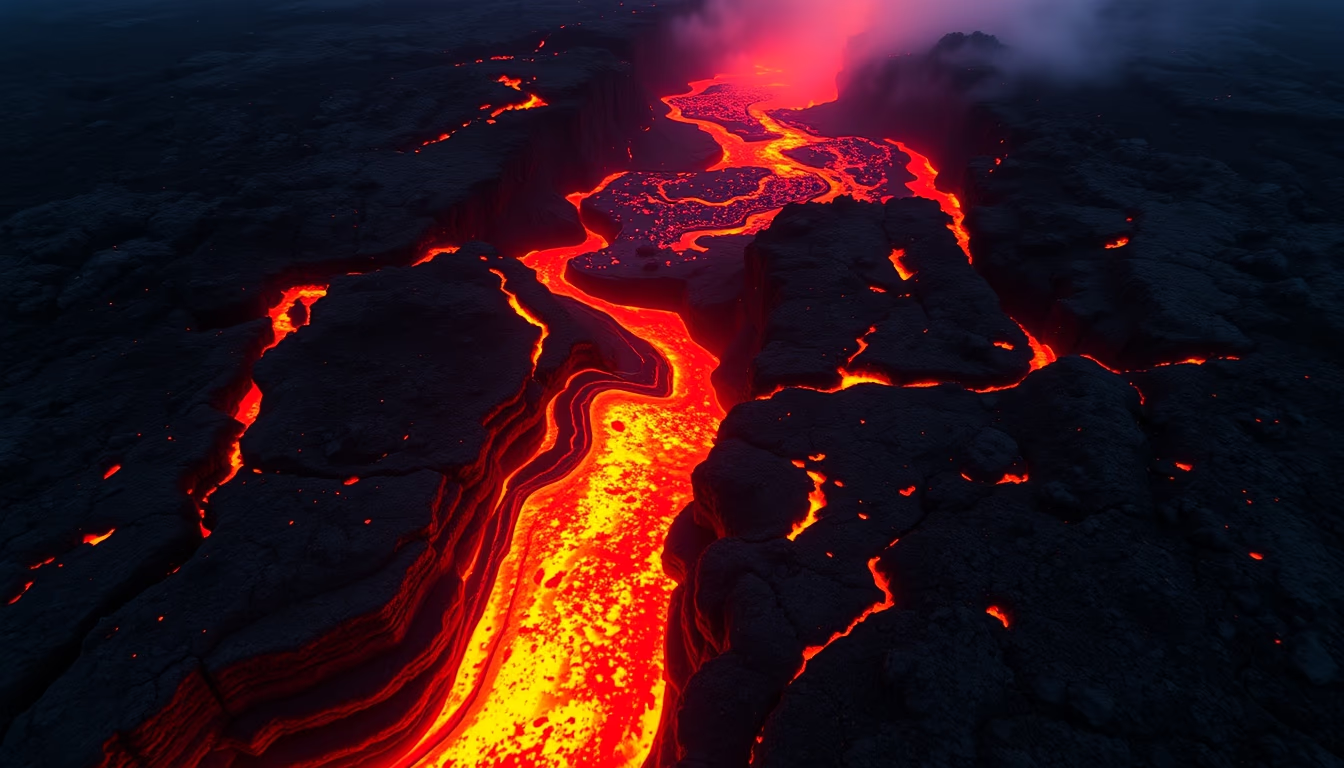
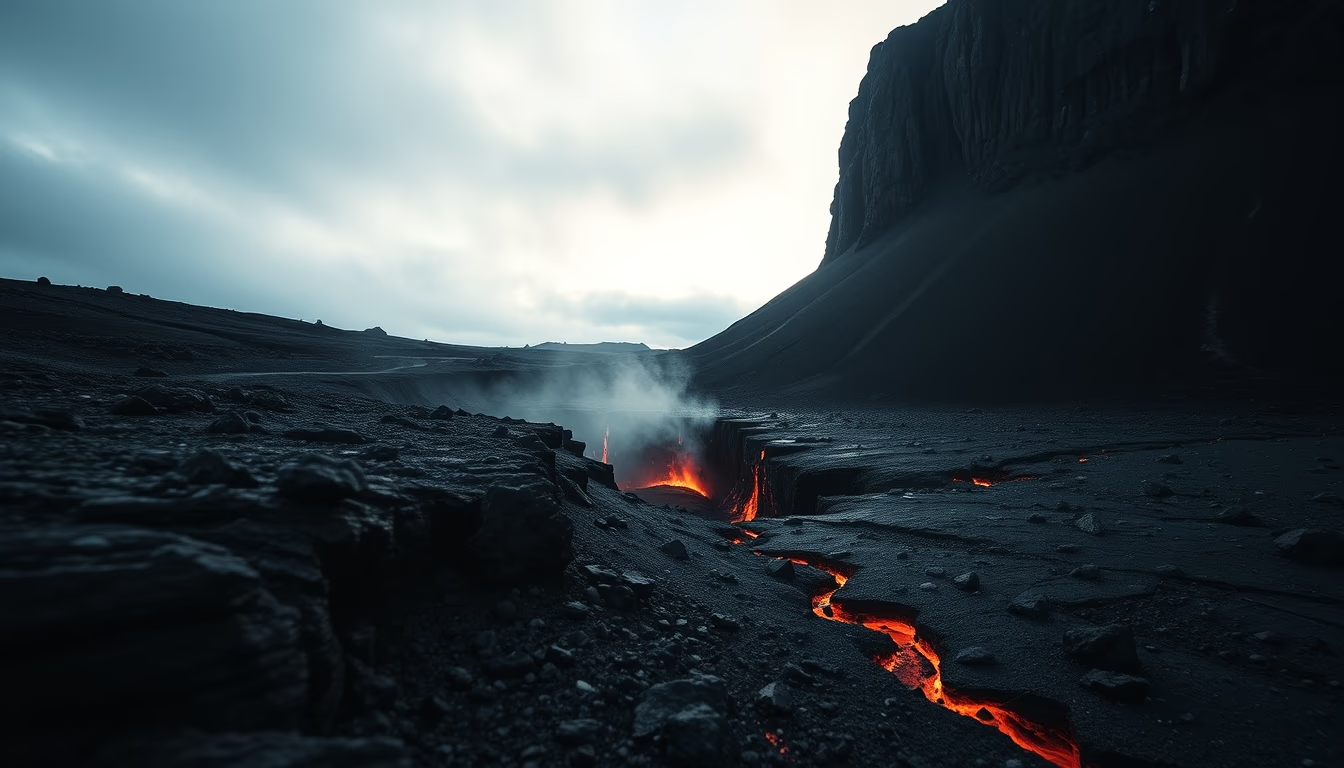
Etna's eruptions range from effusive to explosive, sometimes generating lava fountains, pyroclastic flows, and ash clouds that disrupt Mediterranean air traffic. A spectacular lateral eruption in 2021 drew tourists and scientists alike. Despite hazards, the volcano remains a popular hiking destination, with trails leading to viewpoints near active craters. In 2013, UNESCO designated Mount Etna as a World Heritage Site, recognizing its exceptional geological and landscape value.
Frequently Asked Questions
What is the current height of Mount Etna?
The height of Mount Etna varies due to eruptions and collapses. As of 2024, it is estimated at about 3,357 meters, but the summit can change after significant eruptive events.
Is it safe to visit Mount Etna?
Yes, it is safe to visit authorized areas with experienced guides. Eruptions are constantly monitored, and visitors can hike on secure trails to viewpoints, but approaching active craters without permission is prohibited.
What makes Etna's soil fertile?
The volcanic soil of Etna is rich in minerals such as potassium, phosphorus, and magnesium, derived from the decomposition of lava and ash. This provides ideal conditions for agriculture, especially vineyards and orchards.
Direct URL
https://pub-c7d6a6ea828543ac903a74a341ccb2e1.r2.dev/imagens/mount-etna-sicily-cinematic-wide-shot-fresh10.avifHow to credit
Include a visible link back to UtilizAí. Copy one of the snippets below:
<a href="https://xn--utiliza-eza.com/en/midia/imagens/mount-etna-sicily-cinematic-wide-shot-fresh10">Mount etna sicily</a> by <a href="https://xn--utiliza-eza.com">UtilizAí</a>, licensed under <a href="https://creativecommons.org/licenses/by/4.0/">CC BY 4.0</a>.
[Mount etna sicily](https://xn--utiliza-eza.com/en/midia/imagens/mount-etna-sicily-cinematic-wide-shot-fresh10) by [UtilizAí](https://xn--utiliza-eza.com), CC BY 4.0
License: CC-BY-4.0